I’m a scientist with a doctorate in Psychology & a focus on Neuroscience.
Here are 12 controversial truths about mental & brain health you won’t like—but need to hear:
COVID PSA: We now have PEP.
Ensitrelvir (Xocova) can be taken after a known COVID exposure to reduce the risk of developing COVID.
Preventing the infection in the first place also means preventing its potential downstream consequences, including Long COVID.
#LongCOVID#COVID19
For years, we’ve been told we have to “live with COVID.”
Fine.
But what does living with COVID actually mean?
What does it mean for the air we share? The brain, heart, blood vessels, immune system? Long COVID? Children? Workplaces? Schools? Clean air? Prevention? The people whose acute infection ended but whose illness didn't?
“Living with COVID” was sold to us as an endpoint: accept it, normalize it, move on.
I think it should be a question.
So I built a museum.
The Living with COVID Museum.
Not a doomscroll.
Not a giant bibliography.
Not a political argument.
A place to walk through the science, the uncertainty, the history, the consequences, and what we can actually do.
It isn't finished.
Neither is the story.
If we're going to live with it, we should understand what we're living with.
Free admission: https://t.co/NLW91ftKd7
This is why I mask. Now, ask yourself who the “cigarette lobby” is after ready this article.
Then, I hope you will decide what you are going to change.
I lived through the time of getting rid of smoking in public places. Let’s at minimum do it again.
https://t.co/UgnaHc9vWQ
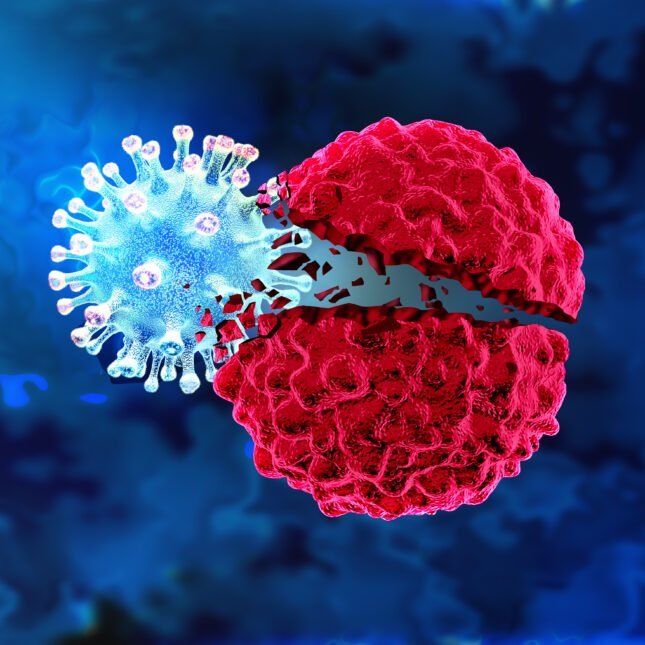
🚨 BREAKTHROUGH: Scientists have engineered a virus that invades and destroys glioblastoma one of the deadliest brain cancers while turning the immune system into a relentless tumor-killing force
This could be a historic shift in cancer treatment
"A 2024 study estimated that 400 million people around the world have long COVID1, with an annual economic burden of around US$1 trillion..
[It is suggested that] around 6% of adults have long COVID..
Evidence points to dysregulated immune cells, chronic low-level inflammation and autoantibodies — immune cells that attack the body’s own tissues [in the long COVID patients]..
SARS-CoV-2 persists in some form.
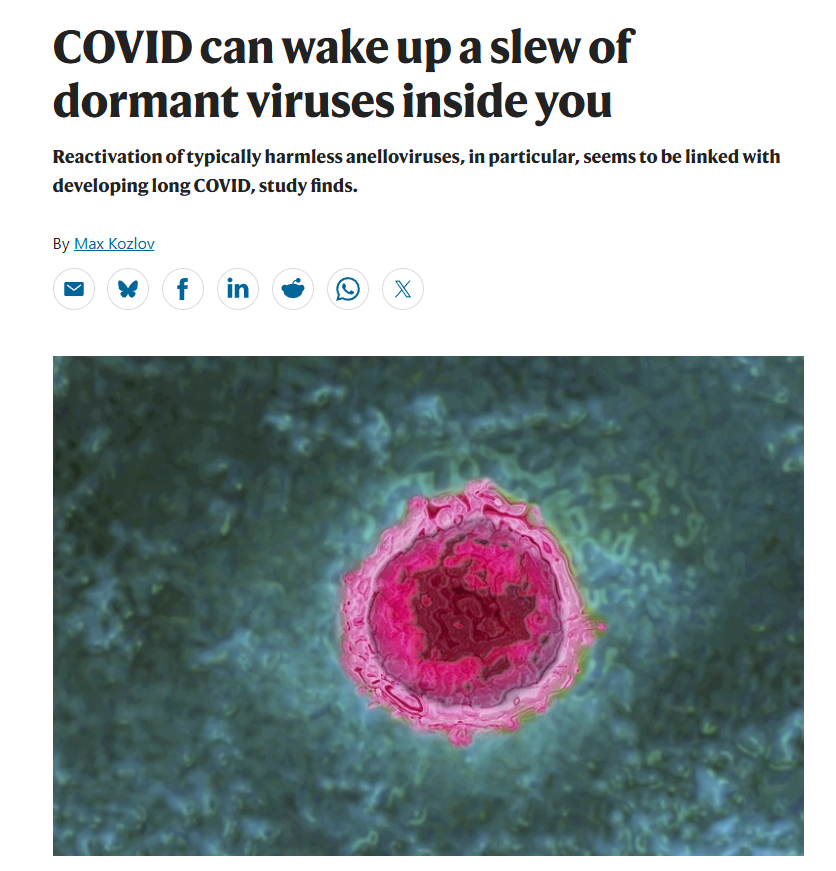
It can also reactivate other dormant viruses3, in particular those in the herpesvirus family..
Studies have also shown that small blood vessels and the endothelial cells that line them are damaged.
The autonomic nervous system, which regulates heart rate and breathing, is frequently affected and the gut microbiota altered.
Mitochondria, the cell’s power plants, are often damaged; this could contribute to symptoms of fatigue..
[Dr. Scheibenbogen says that] what would happen to us if we ran a marathon happens to ME patients from climbing two stairs."
Indeed.
'When do infections lead to long COVID? Scientists close in on triggers and treatments for post-viral syndromes'
https://t.co/MUAgPPGge1
If you don't experience drowsiness when taking a second gen(you shouldn't but some people with Long Covid do experience drowsiness when taking second gens due to a leaky BBB), it probably isn't crossing the BBB.
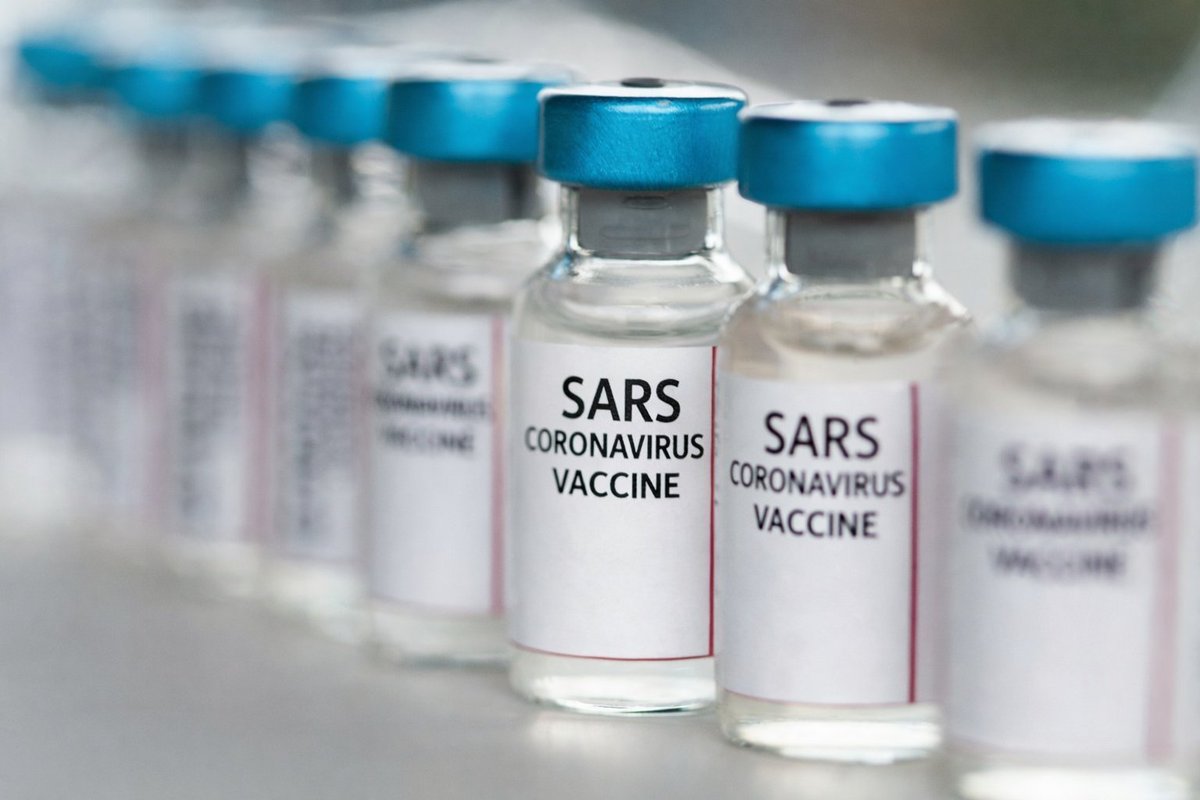
🚨 BREAKTHROUGH: World’s First Vaccine Targeting the Entire SARS Coronavirus Family Begins Human Testing
GBP511, developed by UW Medicine and tested by SK Bioscience, aims to protect against COVID-19 and future coronaviruses before they spark the next pandemic.
🚨 BREAKTHROUGH: Scientists develop a new treatment that can remove Alzheimer’s plaque in just 1 hour
Researchers have created supramolecular nanoparticles that act as the medicine itself, directly targeting and clearing the toxic plaques linked to Alzheimer’s disease.🧵
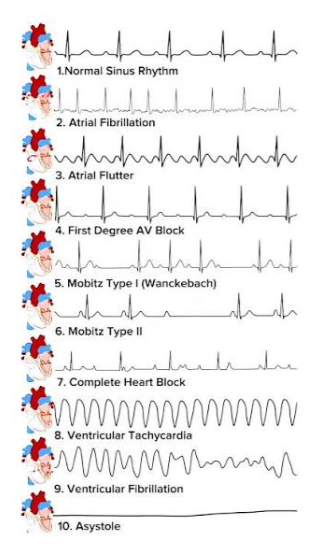
C0VID-19/LongC0vid and potentially dangerous Cardiac Arrhythmia
🚨What the data show for 2026, a personal rough recap:
COVID-19 and LongC0vid significantly elevate arrhythmia risks, with reinfections adding cumulative damage via repeated inflammation and vaccination offering partial protection by reducing severe outcomes.
➡️Acute phase (hospitalized/ICU):
- Overall arrhythmia prevalence reaches ~17% generally and 44–46% in ICU/hospitalized patients,
- New-onset atrial fibrillation (AF) occurs in 5–10% of hospitalized cases (higher in severe/ICU), strongly linked to elevated in-hospital mortality,
- Ventricular arrhythmias range 0.1–8%,
- Sinus tachycardias are common,
https://t.co/s9GfaUcT4l
➡️LongC0VID (post-acute >30 days):
- A 2026 meta-analysis of 14 large studies found significantly higher risks across all major types:
✴️Atrial fibrillation: +49% (HR 1.49),
✴️Ventricular arrhythmias: +72% (HR 1.72),
✴️Sinus tachycardia: +69% (HR 1.69),
✴️Sinus bradycardia: +58% (HR 1.58),
- Risks were clearly higher after severe infections,
- Reinfections add cumulative damage,
https://t.co/vYvjJ9FSMn
➡️Cardiovascular impact:
- Acute AF/arrhythmias raise mortality, ventricular arrhythmias can be lethal,
- Long-term impact:
Higher risk of heart attack, stroke, and heart failure, plus ongoing rhythm problems, including potentially lethal ventricular arrhythmias,
- Overall, with reduced quality of life,
https://t.co/ZVlN5mqQ4N
➡️Reinfections & vaccination:
- Multiple infections compound long-term cardiovascular and LongC0VID risks, likely amplifying arrhythmia susceptibility through cumulative effects,
- Vaccination(-updated) reduces severe disease and post-COVID arrhythmic burden (e.g, lower ventricular ectopy),
https://t.co/nuQo0fFT1o
‼️So, COVID-19 leaves a lasting mark on the heart’s electrical system. Even after recovery, LongC0VID raises the risk of serious arrhythmias by 49–72% across major types (AF, ventricular arrhythmias, sinus tach/brady), with reinfections adding cumulative damage. Vaccination(updated) should offer meaningful protection by lowering severe outcomes and post-infection arrhythmic burden.
These risks are real, measurable, still highly relevant in 2026 and sadly, for years to come!
#YouOnlyHaveOneHeart #AvoidSars2 #AvoidReinfections #Mitigation
The wind industry has never had an exit plan.
Global wind capacity passed 1,299 gigawatts last year, across 138 countries. The first turbines from the 1990s and early 2000s are already coming down. Nobody legislated for what happens next.
The build side has its own unpriced cost. Bigger turbines increasingly run on rare earth magnets, and most of the world's rare earth processing runs through Baotou, China. The tailings dam there has no waterproof liner, is now too big to retrofit one, and leaches thorium and heavy metals into groundwater every rainy season. Farmers nearby report dying crops and livestock. Reported local cancer rates have been put as high as 70 times the national average. None of that shows up in a turbine's operating emissions, and it doesn't stop once the blade ships.
Blades are the problem. They're built from composite specifically engineered to survive two decades of hurricane-force stress. That toughness is exactly why they don't recycle. One US landfill in Wyoming has buried over 1,100 of them since 2019, each one sawn into three pieces and stacked up to 30 feet deep. NREL's own modelling says that without a change in policy or tech, up to 78% of decommissioned blades will end up landfilled.
Globally we're heading for something like 40 million tonnes of blade waste by 2050. Europe only agreed a voluntary landfill ban this January, and it still isn't law. Most US states allow it outright. Most other wind markets have no blade-specific rule at all.
Underground, standard practice removes the top metre of a foundation and leaves the rest, often hundreds of tonnes of concrete and steel, buried forever.
To be clear though, this isn't an argument against wind power.
It's an argument that governments spent two decades approving the exciting part, the part that got them pats on the back and won the approval of the certain groups, and left the ending for someone else to figure out.
That bill is arriving now, and there still isn't a proper plan for most of it.
Foresight was cheap in 2005. It's expensive now.
@SourceControl21@1goodtern There is a combined vaccine for Covid & flu: MCombriax.
A study of 8,000 participants showed those who received mCombriax generated more antibodies than those who received separate shots.
It was recently approved for use in the EU for adults aged 50+.
https://t.co/1GvI3vfPKH
FYI, "Each year, deer ticks alone cause an estimated 476,000 new U.S. cases of Lyme disease, which can do long-term damage to a person’s joints, heart and nervous system..
To keep ticks off, you can:
- Wear long sleeves and long pants when you’re in tick habitat..;
- Wear light colors so you can spot ticks when they get on your clothes;
- Change your clothes after outdoor activities, including gardening and hiking, and put the clothes in the dryer on high heat for about 20 minutes (ticks cannot survive without moisture);
- Do tick checks..in and around your hair, ears, belly button, groin area, behind the knees and armpits;
- Take a shower after outdoor activity..;
- Check your pets for ticks, as well; and
- Keep your lawn mowed, gardens maintained, and removing leaf litter to reduce tick habitats."
Otherwise, they reduce human habitats.
’How to avoid tick bites in your yard or while hiking in the woods, and what to do if one starts feasting on you'
https://t.co/pXT1mvahmg