🩻Contrast-induced AKI:
one of the biggest myths still shaping clinical decisions
For decades we were taught:
👉 “Contrast damages the kidneys”
👉 “Avoid CT with contrast in CKD”
👉 “Hydrate, protect, delay imaging if needed”
But what if… most of this is wrong?🤔
->The uncomfortable reality
Modern evidence shows:
👉 Low-osmolar contrast rarely causes true nephrotoxicity
👉 Even in CKD, AKI, and ICU patients
👉 The risk is often overestimated—or nonexistent
So where did the fear come from?
📍 1950s high-osmolar contrast (actually toxic)
📍 Poorly controlled observational studies
📍 “Creatinine rise = contrast injury” assumption
👉 Correlation became causation
👉 And the dogma stayed
⚠️What recent data tells us
✔ No difference in AKI rates with vs without contrast
✔ No benefit from bicarbonate, NAC, or aggressive hydration
✔ Even ICU and AKI patients show no worsening outcomes
->Translation to real life
👉 The patient was going to develop AKI anyway...Not because of contrast!!
->The real problem: “Renalism”
👉 Avoiding necessary imaging
👉 Delaying diagnosis
👉 Choosing inferior tests
And that leads to:
❌ Missed PE
❌ Delayed sepsis source control
❌ Worse outcomes
->Clinical mindset shift
Instead of asking:
👉 “Will contrast harm the kidneys?”
We should ask:
👉 “Will NOT doing the scan harm the patient?”
->Who still deserves caution?
✔ eGFR <30
✔ Severe hemodynamic instability
✔ Multiple nephrotoxins
Even then:
👉 Optimize volume
👉 Minimize dose
👉 Don’t delay critical imaging
🤓Bottom line
✔ Contrast nephrotoxicity exists… but is rare
✔ The fear is bigger than the risk
✔ The harm of NOT imaging is often greater
In critical care
👉 We don’t treat creatinine
👉 We treat patients
And sometimes…
👉 The most dangerous thing is NOT the contrast
👉 It’s hesitation.
📃Reference
Florens N, Demiselle J.
Kidney360 7: 445–449, 2026. doi: https://t.co/CWzi7WC9Wx
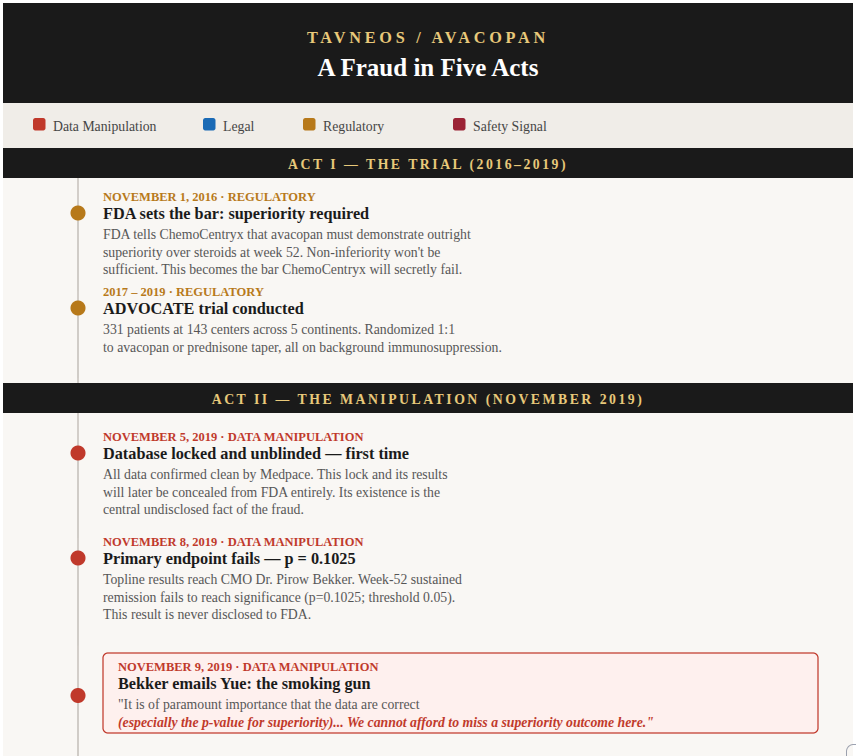
On June 30, 2026, the NEJM retracted the clinical trial that got a drug approved by the FDA, triggering a $3.7B acquisition by Amgen.
The reason: the primary endpoint data was manipulated.
Here's how it happened, how it came to light, and who paid the price. 🧵
🧵 Albumin in Critical Care: 70 Years, 700 Papers… Zero Benefit
1/
Albumin is the most studied fluid in critical care.
Decades of trials. Endless meta-analyses.
And yet – not a single clinically meaningful benefit.
Here’s why the entire theory collapses once you understand Extended Starling. 👇
1/
💡 IV fluid is the most over-prescribed drug in hospitals.
Why? Because when faced with certain problems, our reflex is always “give fluids”.
Let’s unpack the cognitive biases behind this — and why they harm patients.
Over the past 20 years, I've worked with tons of physicians.
Now they’re all wealthy.
Their most common concern at the outset of our relationship?
“How do I invest?”
Here’s the step-by-step process we use at OlsonFP so you know exactly how to get started:
Privileged to be able to graduate with two of the best co-fellows anyone could ever ask for. Looking forward to the big things we’ll be accomplishing in the future! #nephrology
Academic docs who actually want to do research are getting squeezed HARD.
The system says it values discovery.
The paychecks say: “More RVUs, less thinking.”
Let’s talk about the quiet collapse of the research track in medicine.
100% agree. Financial literacy is not something taught to the majority of people, let alone, physicians. “Renting is throwing money away” is shoved down our throats and they don’t understand various concepts about money, or the idea of flexibility/freedom
🚨New attending?
Ready to flex with that first home?
Pump the brakes. ✋
Let’s talk about why buying a house too soon can trap you if you end up hating your job (extremely common for one’s first attending job).
Lasix is NOT nephrotoxic 🫘
Please retweet so we can end this myth once and for all 🦄
Rising creatinine is more often an indicator of inadequate Lasix dosing than excessive!!
Lasix can only harm the kidneys if it decreases cardiac output by dropping preload to the point of reducing stroke volume... as someone who scans these patients regularly this is surprisingly rare!
If a patient still has venous congestion (on Doppler), then Lasix is not driving the AKI. Instead, their AKI is from untreated congestion!!
ASN Kidney News March 2025 issue Following Fellowship: How to Approach a Career in Nephrology
Cynthia Miracle and Scott Mullaney https://t.co/hBekXKlped @asnpublications@ASNKidney
Happy #NephMadness Day!
The 8 regions of #NephMadness 2025 have been revealed on the #AJKDBlog.
If you're a #NephMadnessNewbie, we explain everything here: https://t.co/z1sFotlhwR
Looking forward to the fun and learning with all of you!