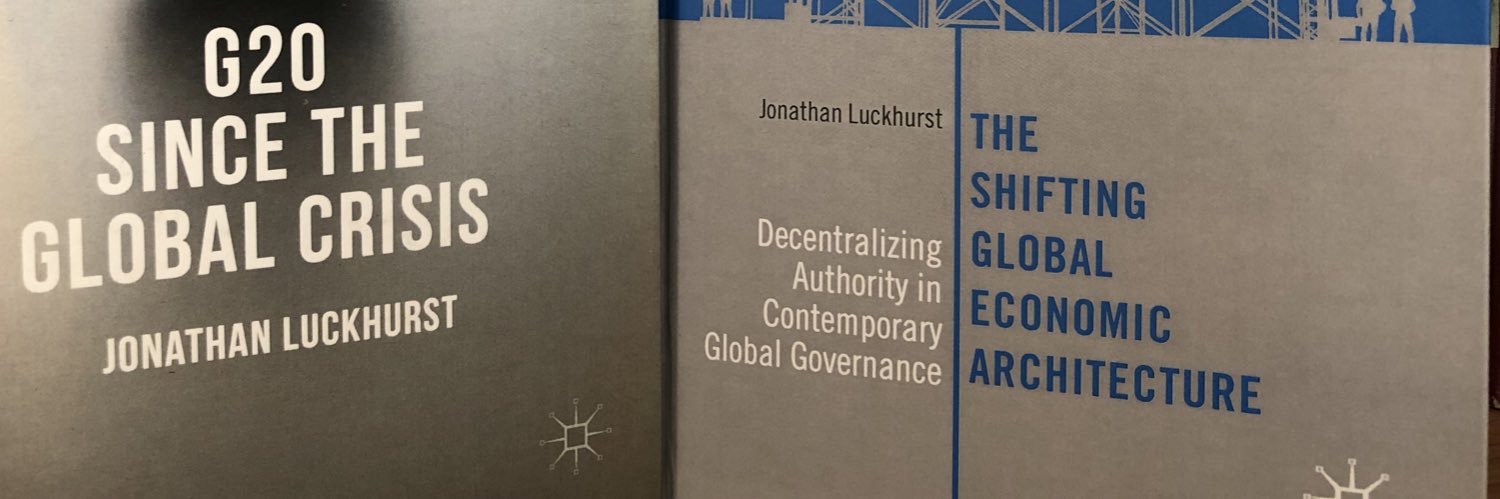
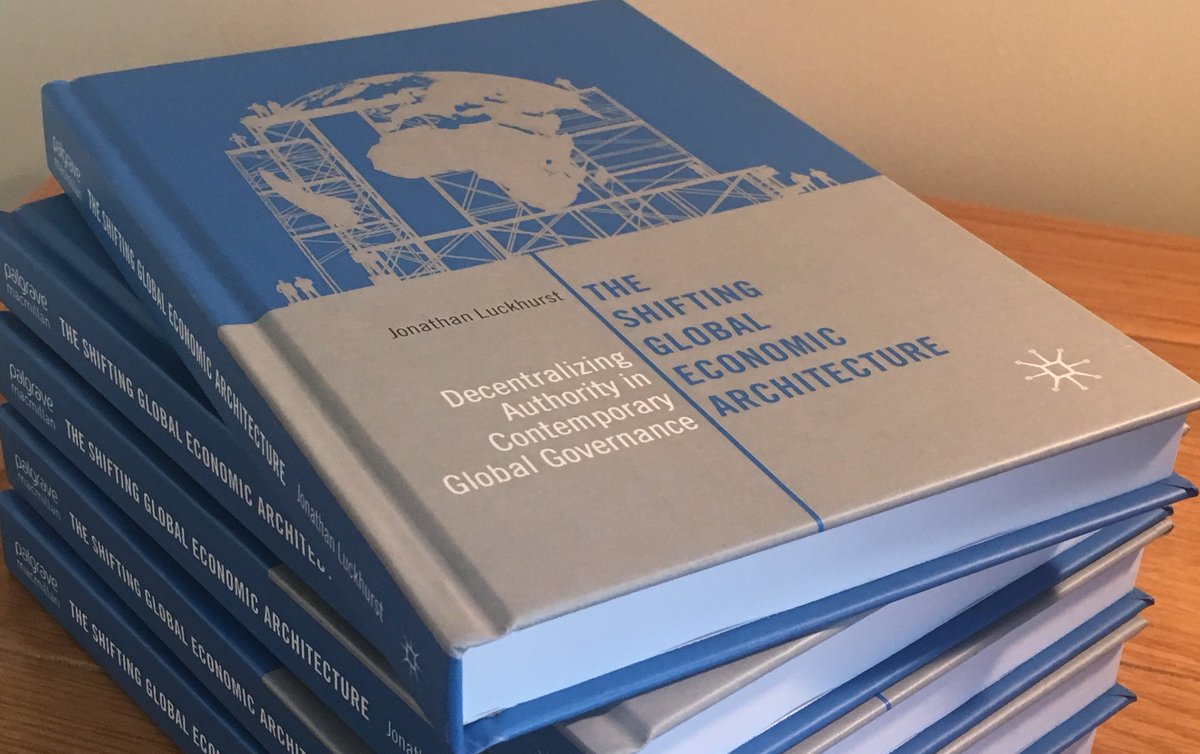
My new book, 'The Shifting Global Economic Architecture: Decentralizing Authority in Contemporary #GlobalGovernance' - published by Palgrave Macmillan https://t.co/Dd5e8dbLGt
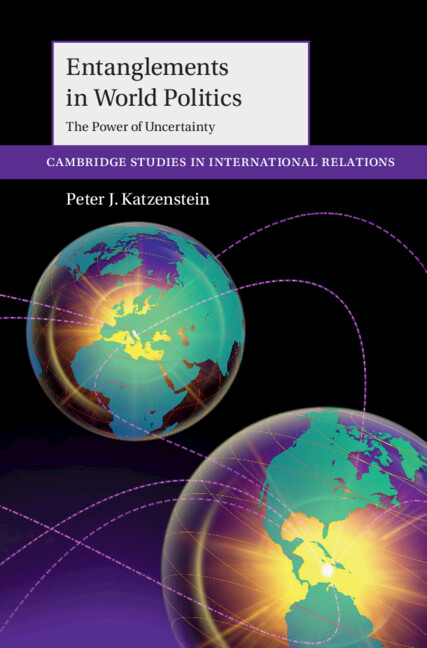
Entanglements in World Politics by Peter J. Katzenstein
Insights from 20th-century science offer new, unconventional approaches to better understand and navigate 21st-century world politics.
📚 https://t.co/RSq5ahKMIZ
🧵
80 years ago today, newspapers in Europe carried news of the unexpected death of a very important man, in a hotel miles from the nearest city.
A man who, said some, was helping the Allies win the war.
But there was a twist to the tale. The man in question wasn't actually dead
As citizen journalism and user-generated content grow, traditional gatekeepers of information lose influence.
"Education about critical thinking... can help people better understand the importance of civic engagement," writes Anthony Ilukwe.
Details: https://t.co/vSoeUwc0A6
The BRICS expansion announced today is a major shake-up.
@OliverStuenkel explains the implications for Brazil, Argentina and beyond.
https://t.co/MTyYHjAdjF
Given China’s deteriorating legal protections and stringent capital controls, the renminbi is nowhere close to challenging the dollar's status as a global reserve currency, writes @CFR_org’s @BennSteil. https://t.co/Sui1o0KPUI
1/5
For those who think that China's rapid development in the 1990s and 2000s was driven mainly by the unleashing of the private sector, and not by active government intervention, here is what Wu Jinglian has to say in this piece on Ryutaro Komiya:
https://t.co/Ub6tOcr1pc
1/15
While Adam Posen correctly recognizes the problems the Chinese economy currently faces, his explanation of what has gone wrong, and what Beijing must do to revive the economy is, in my opinion, completely off the mark.
https://t.co/CHxcqE2wqH via @ForeignAffairs
The @WorldBank and other MDBs should embrace a triple mandate by adding global public goods to their current goals of eliminating extreme poverty and boosting shared prosperity, argue @LHSummers and @NKSingh_MP. https://t.co/J1yLUj0VXY
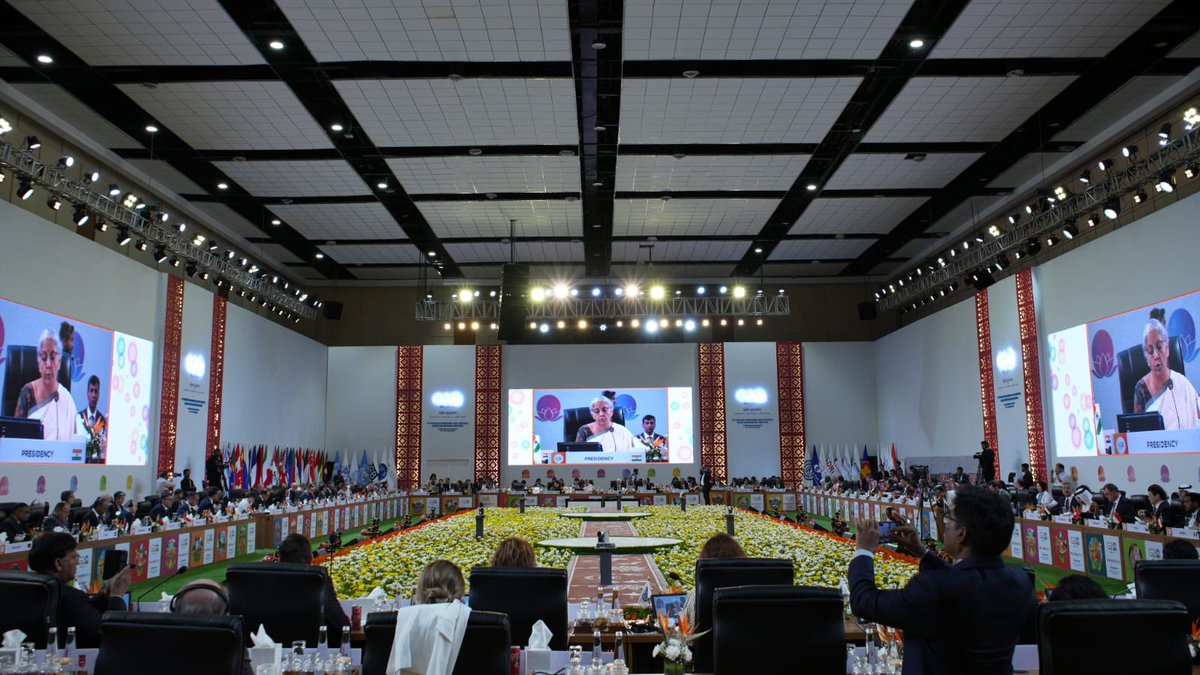
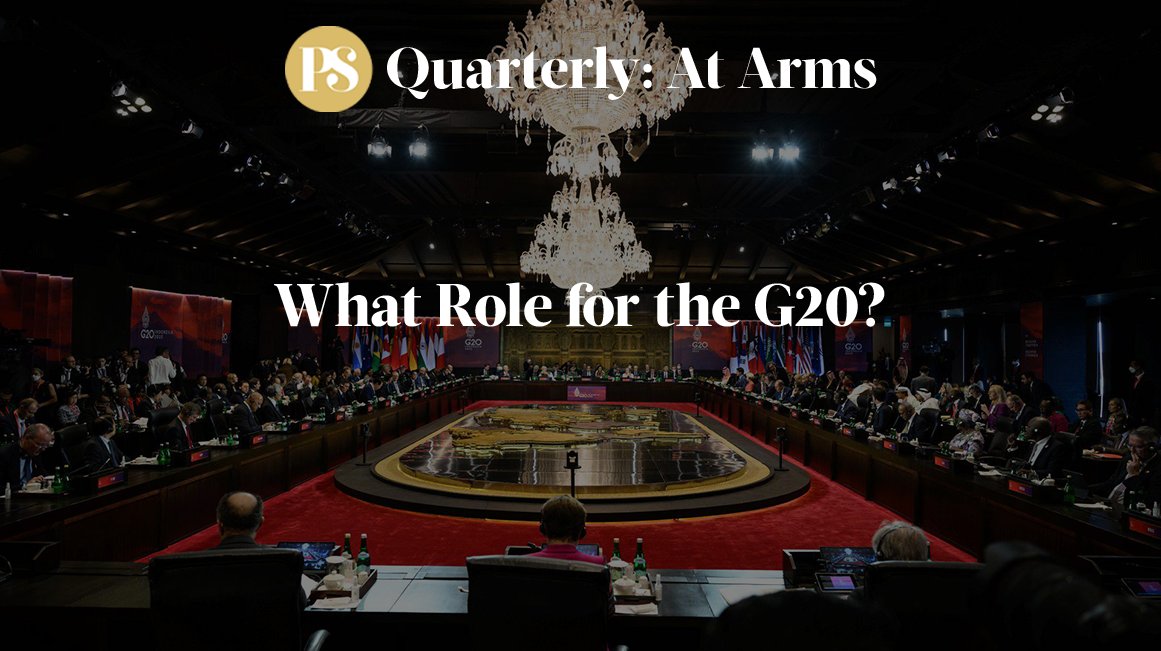
The global economy & global health are inextricably linked. This morning, I urged @g20org Finance Ministers & Central Bank Governors to:
1. prioritize the #G20 Joint Finance & Health Task Force’s work
2. invest in the Pandemic Fund
3. see health as a productive sector
Together!
For all the euphoria around India’s growth prospects, it is still a long way from matching Chinese economic and financial power, writes @arvindsubraman. https://t.co/DtygJpbkkZ
A quick thread on Blinken's visit to China -- Day 1: The readouts by both sides are fairly positive --more positive than I expected. The PRC readout says "China is committed to building a stable, predictable, and constructive China-U.S. relationship." That's important. 1/n
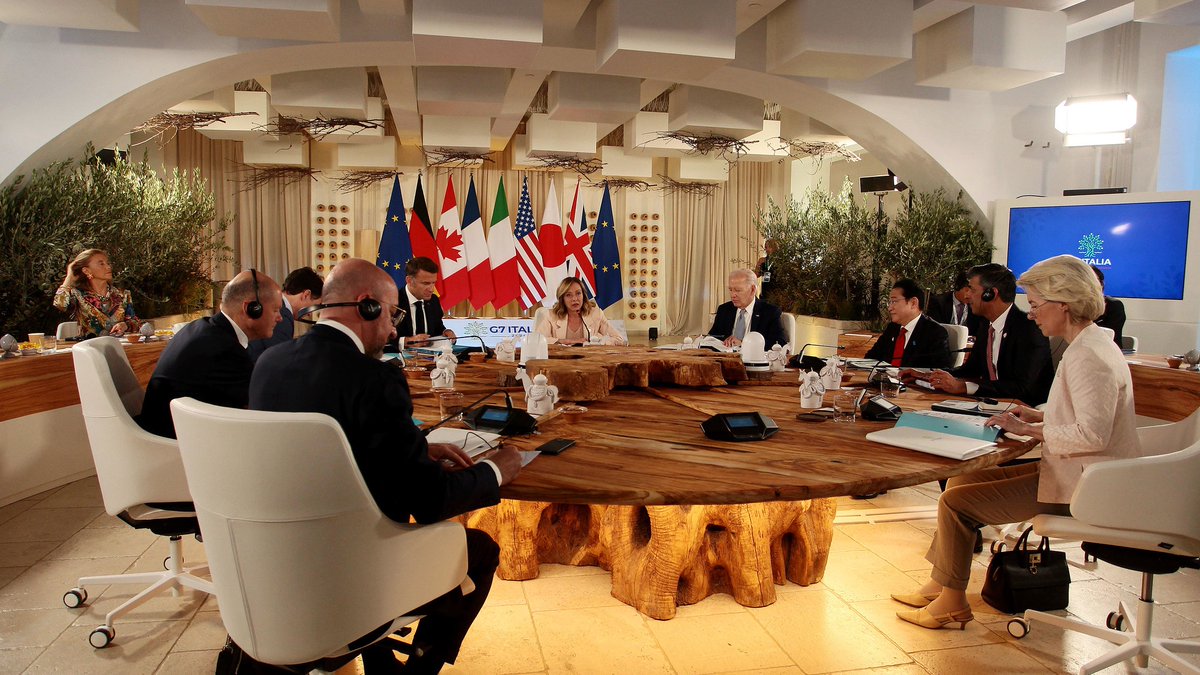
The #G7 is experiencing rejuvenation following years of uncertainty about its future, but challenges regarding the group’s engagement with the G20 and United Nations remain, says @JonLuckhurst https://t.co/LBdeHh1CBr @G7
Braverman's "Let them pick fruit" speech today will show what a strategic mess Tory economic policy is.... the fiscal credibility of Hunt/Sunak budget *depends* on high immigration... 1/🧵
#ChatGPT’s design, which has given it far greater capabilities than its creators anticipated, offers a valuable lesson for tackling the complexities of economic development, writes @ricardo_hausman. https://t.co/E1pdmyvwWT
With the 1st 🇨🇳–Central Asia summit (C+5), the G-7 & the BRICS summits approaching,
it is a good time for a closer look at Beijing’s global network of regional China+x mechanisms?
What are they?
What do they reveal about 🇨🇳’s foreign policy approach?
🧵
1/12
While I agree with much that @paulkrugman says in this article, he's wrong about this: "Even economic analysts like Michael Pettis," he says, "seem to believe that dollar dominance is the only reason America can run persistent large trade deficits."
https://t.co/FczN3BOsVX
For decades, the American foreign-policy establishment and economic policymakers were united by the shared belief that trade was good for the US. But the rise of China has triggered a significant shift in perspective, notes @Bruegel_org’s @pisaniferry. https://t.co/6QACkZjxE5