EV pickup truck sales in the U.S. in Q1 2026, according to new Cox Auto data:
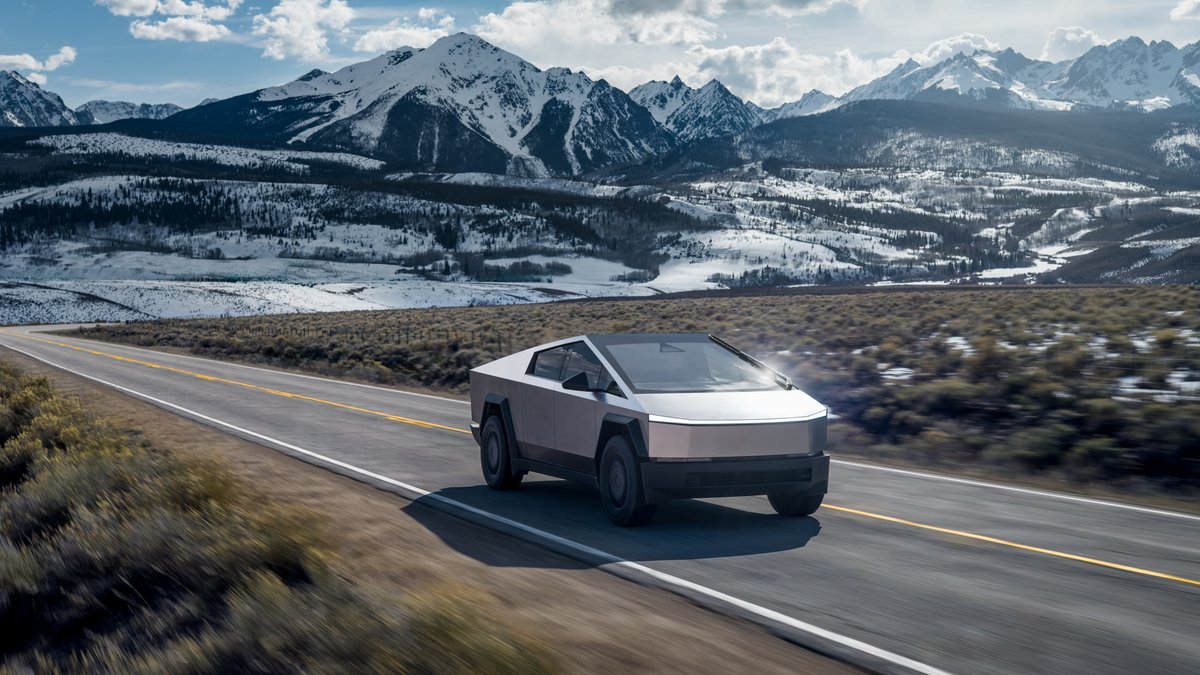
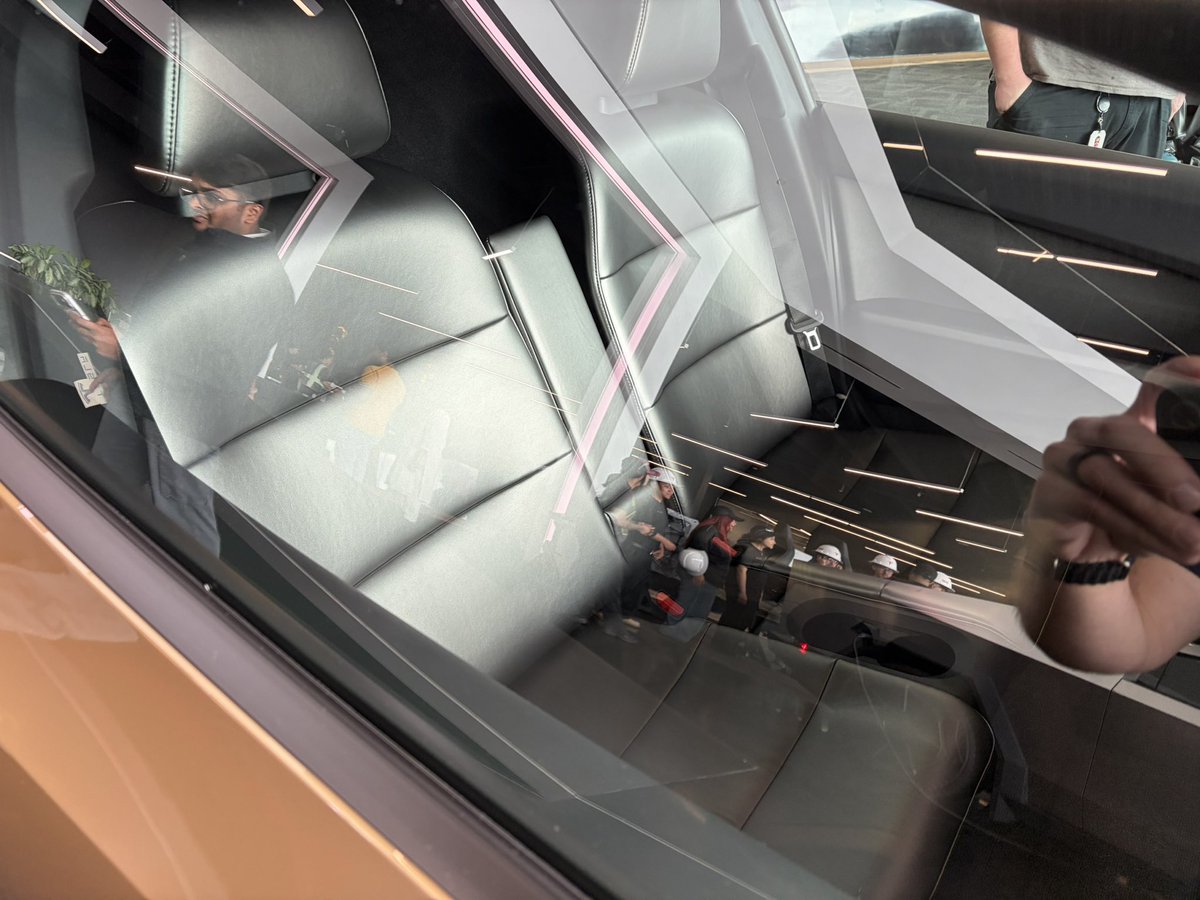
• Tesla Cybertruck: 3,519 (-45% YoY)
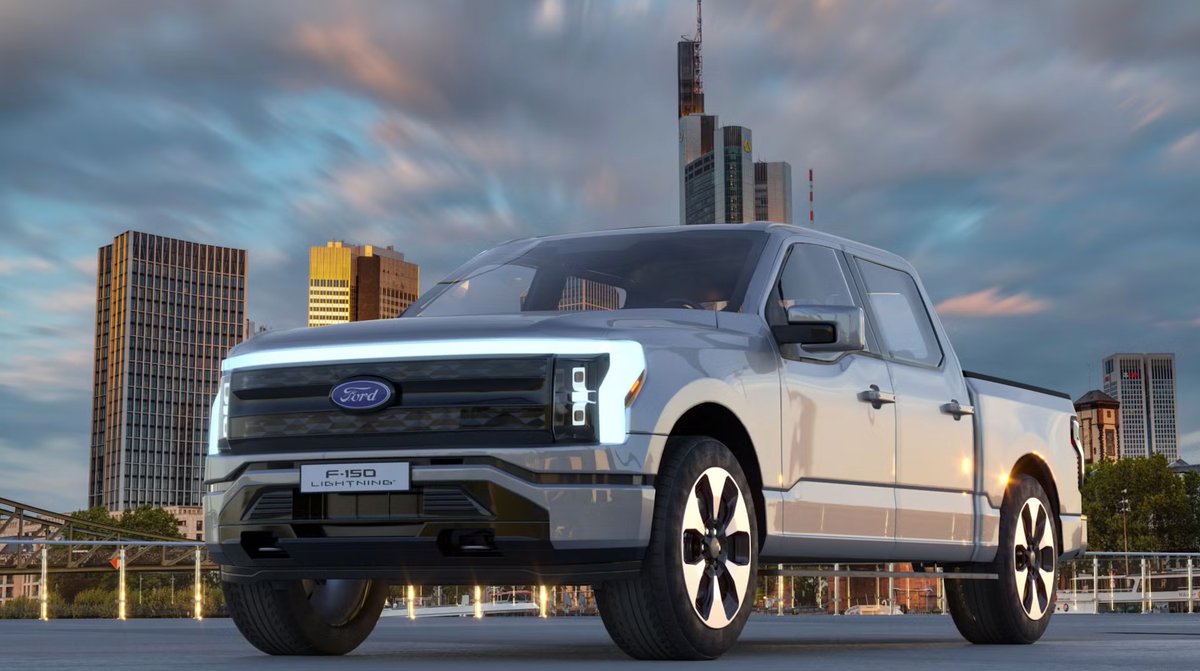
• Ford F-150 Lightning: 2,060 (discontinued)
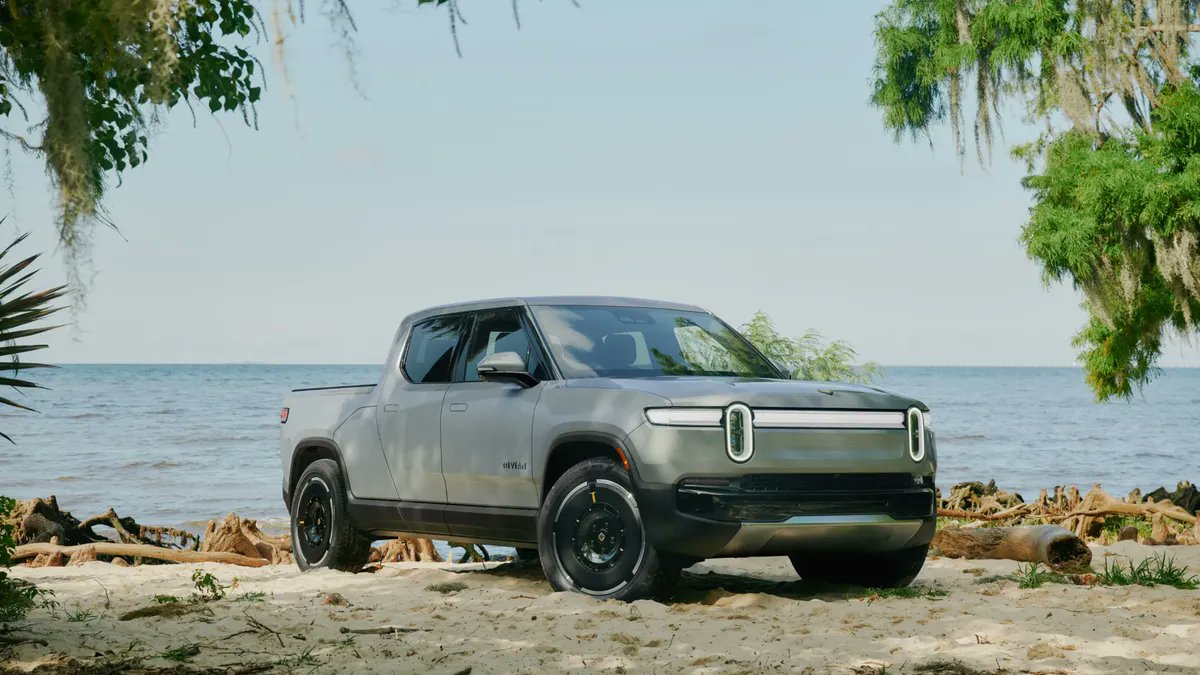
• Rivian R1T: 1,658 (-4% YoY)
• Chevy Silverado EV: 1,406 (-41% YoY)
• GMC Sierra EV: 1,288 (+3% YoY)
Despite the tough conditions and loss of the EV credit (all automakers lost this), the Cybertruck was still the #1 bestselling EV truck in Q1. Tough market for EV trucks in general though.
Sequoia's @shaunmmaguire on Why Elon's TERAFAB is Underrated:
"I’m gonna sh*t on a lot of other investors for a second."
“I’m watching people come in with what I’d call 8th grade level education on the industry, trying to make definitive statements.”
"I’ve been obsessed with semiconductors since I was a little kid. I literally bought Nvidia shares in the IPO in 1999. I was obsessed with semiconductor fab as a kid, got really deep into the chemical processes that go into making wafers."
"People are assigning way too low a probability that it will work.”
Hill & Valley Forum 2026 (@HillValleyForum) / @elonmusk
. . .
“I think it’s underrated because I think people don’t think it’s gonna work.
Like I think a lot of people view it—and again, this is a systems-level problem—and I’m gonna just go get sh*t on a lot of other investors for a second. It’s been pretty wild for me as chips became all the rage again.
To brag for a second, I’ve been obsessed with semiconductors since I was a little kid. I literally bought Nvidia shares in the IPO in 1999. I was obsessed with semiconductor fab as a kid, got really deep into the chemical processes that go into making wafers.
If you think about the silicon industry, from the mid-50s to the mid-90s, the bottleneck was actually chemical steps. It was not lithography—it was making ultrapure wafers, which require 20+ chemical steps.
Then it flipped to lithography, and EUV became probably the hardest single step in semiconductor manufacturing.
But there’s all these investors that, three years ago, had never done anything in hardware, had never thought about semiconductors, that are brand new and think that they’re experts.
I’m not trying to say I’m an expert—there’s a lot I need to learn—but I’ve at least been paying attention to this field for a very long time.
And I’m watching these people come in with what I’d call eighth-grade-level education on the industry, trying to make definitive statements around what the bottlenecks are, what’s gonna be hard.
They’re basically just parroting each other.
It reminds me a lot of when people were trying to assess the likelihood of reusable rockets working in 2014, or Starlink working in 2019–2020, where everyone would tell me to my face: it will not work.
Or when people were saying self-driving will never work. Especially with camera-only—where Elon was a contrarian doing camera-only rather than vision plus lidar.
All these things fit the same pattern of people thinking superficially when they’re brand new to a field, then having strong opinions on how things are gonna work.
And I think that on TERAFAB, people are assigning way too low a probability that it will work. I personally feel confident that it will. Timeframe—there are questions—but I’ve thought through all the different steps.
Almost everyone, when you talk about TERAFAB, they’re like, ‘but what about EUV?’ And EUV is something they first learned about in the last 18 months.
It’s comical to me."
Four years ago, I invested ~$40M and got involved helping build a small publicly listed company in Canada called Perimeter Medical.
Why?
They were trying to build an AI enabled device to help doctors do cancer surgeries better: take a tumor out from a patient, analyze it with AI while still in the surgical theater and tell with precision if all the cancer was taken out. If yes, close the patient up. If not, go back and get all the cancer.
Well, we got FDA approval today!!
Our product, Claire, became the FIRST FDA-approved AI-enabled imaging device for breast cancer surgery. We also got Breakthrough Designation.
Currently, ~20% of women face repeat surgeries because surgeons "didn't get it all". What’s even worse is that they typically don’t find out for 10 days after the surgery until pathology has reviewed the resected tumor. That is 10 days of waiting and worrying for patients.
Claire’s real-time AI + OCT tech delivers 10x the resolution of standard X-rays, identifying suspicious tissue during a surgery so surgeons can act immediately.
Claire is now a regulated tool that sits in the workflow, in real time, while a surgeon is operating. It is just the start for what this platform can do for cancer care.
We will first focus on ~300,000 breast cancer surgeries per year in the U.S., and then grow into other solid tumors over time.
From a systems perspective, it’s also what “real AI” looks like: invisible to the patient, indispensable to the clinician, and measured in fewer surgeries and better treatment experience .
Congratulations to @adrianvmendes and the @perimetermed team.
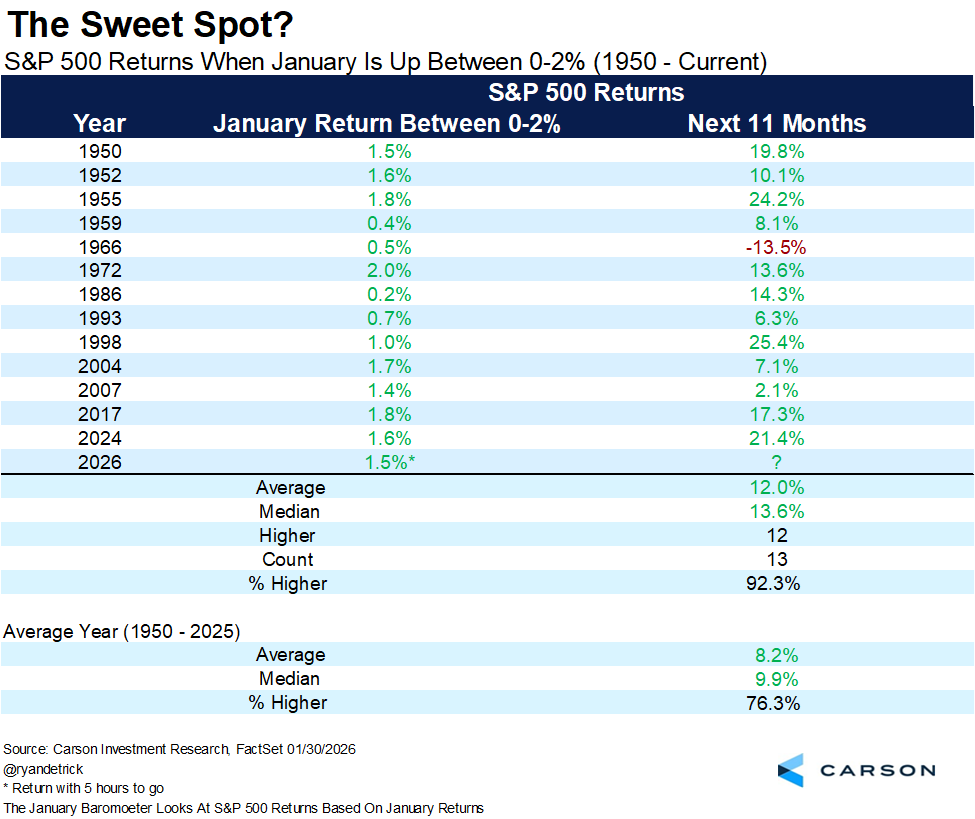
S&P 500 up 1.4% in January.
Rest of year up 87% of the time when January is higher.
But when it up between 0-2%? Lower only once. Small clues 2026 should be an above average year for investors.
The Golden Age is here: US GDP Growth surges to 4.3% in Q3, shattering expectations of 3.3%. Meanwhile, CPI is down to 2.7%, beating expectations of 3.1%. And with interest rates and taxes coming down, the table is set for an even better 2026. Thank you President Trump! 🚀🚀🚀
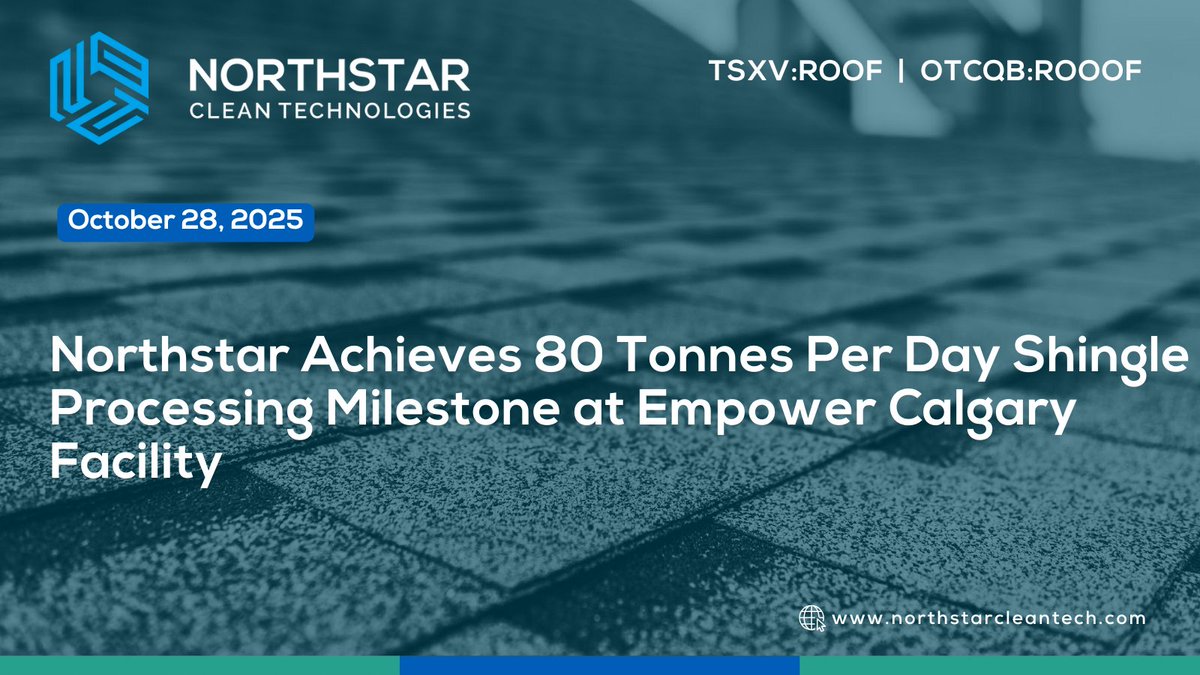
Northstar $ROOF.V | $ROOOF Achieves 80 Tonnes Per Day Shingle Processing Milestone at Empower Calgary Facility
▶️ Full Release: https://t.co/z54Br6nq9C