Failing my way to spectacular success, one pitch deck at a time. Running on caffeine, unhinged instincts, and a little bit of AI magic. Results may vary.
The most interesting AI products over the next decade may not be the ones that answer our questions. They may be the ones that quietly create possibilities we never would have discovered on our own.
Mark Pincus talked in several interviews about finding or creating the “cocktail party” in consumer social. I’m curious how any of you think that changes in an agentic world. If AI agents increasingly act on our behalf, do they make the party better by creating useful connections or risk removing the serendipity that makes the party worth attending?
My counterargument is that perhaps optimized matchmaking destroys serendipity. A cocktail party is interesting precisely because nobody knows exactly what will happen.
@sama I think we’re on a mission to Mars with this ChatGPT naming scheme! After Sol, they’ll be jetting off to the solar system, naming it GPT-11.2-Pick Your Planet. Then it’s off to the Galaxy, or maybe an Asteroid… but please, no Dwarf! We don’t want any short jokes about our AI!
Over the years, I’ve had a close relationship with perfection in various aspects of my life, such as designing and building software. However, I’ve come to the realization that any proven or unproven concept of “perfect” exists solely in my mind as a theoretical ideal. After all, “perfect” cannot be measured or experienced in absolute terms. Perfection is inherently a personal abstraction that is subject to variables, limitations, and subjective interpretation.
Someone said that the closest a person ever comes to perfection is when they fill out a job application form. So true!
That makes sense and maps remarkably well to where my thinking has been heading conceptualizing a new social network. Maybe the deeper shift is from navigation to delegation: instead of users manually searching, scrolling, posting, messaging, and coordinating, the agents do the work. Chat is the interface; agency is the new behavior.
We have access to many apps. But still have to do all the work. For example, on LinkedIn:
Search.
Scroll.
Find opportunities.
Read listings.
Apply.
Wait.
Follow up.
Get ignored.
Try again.
The network possessed enormous amounts of information about me but did very little with that information for you. To me, the missing piece is intent.
Anyways, thanks so much for the response, Mark. You’re a legend, dude! Your broader concept of the metaverse really resonates with me. After listening to several of your interviews, I keep thinking the pieces are increasingly falling into place, the hard part is connecting the dots through experimentation, curiosity, and founder instinct.
For me, writing a book feels different from building software with Agile, where you can keep adding and improving it step by step. If you rush it, once the book is published, you can’t take it back and tweak it, and then make a second or third edition every other month. Also, I bet momentum is a big help in getting it finished, and I can’t picture @markpinc working on just one project at a time. You have to realize he’s on a mission to build what he calls an internet treasure, one of those iconic services that people rely on every day.
The problem with many social networks isn’t that they contain status games and have become very good at turning status-seeking into engagement. Human society has always contained status games. The problem is what behavior the system rewards with status.
If outrage creates status, people manufacture outrage.
If physical beauty creates status, people optimize their appearance.
If wealth creates status, people signal wealth.
Do you think a consumer network could successfully make generosity, mentorship, or helping others a visible form of status, or would users eventually game those signals too?
#provenbetternew #statusgames #socialmedia
Mark, curious about your take on this: in this AI era, do you think the next major consumer social product will still be built around familiar primitives like posting, following, feeds, and messaging, or does AI create the possibility of an entirely new social behavior that doesn’t yet have a name? I personally think new social products still need a proven primitive, but what is the native social behavior of the agentic era?
Still a crazy feeling when you send off a Deep Research task and close your laptop, knowing you’ll open it later and the work will be finished. Having AI Agents working for you in the background is going to be a wild shift to how we work.
This seems plausible, but I would add that the designer doesn't have to have the title "designer" or formal training as one. It just has to be someone who cares about design and is good at it. Steve Jobs would suffice.
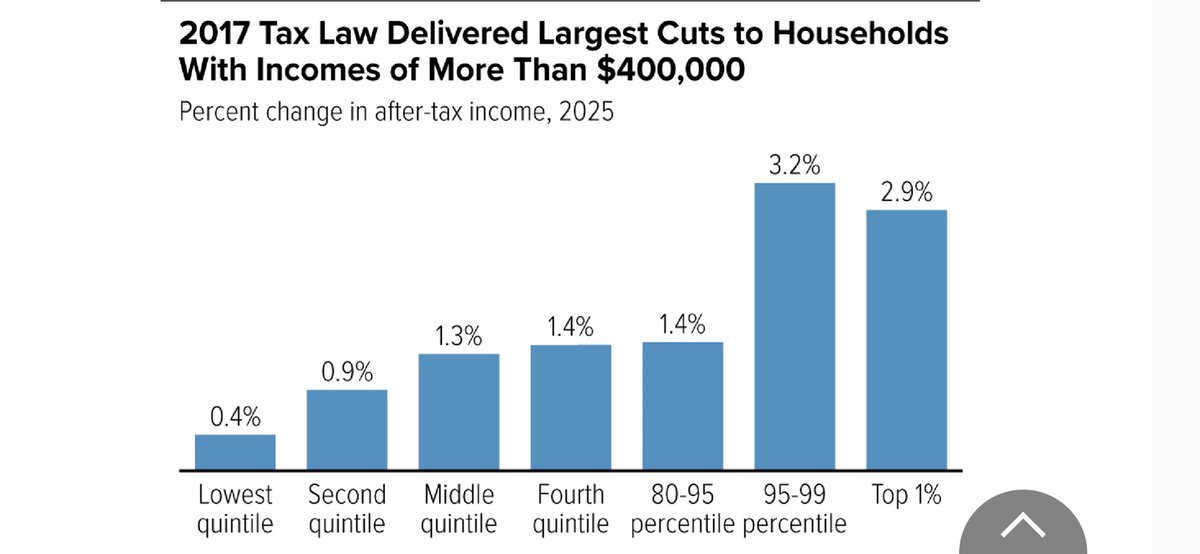
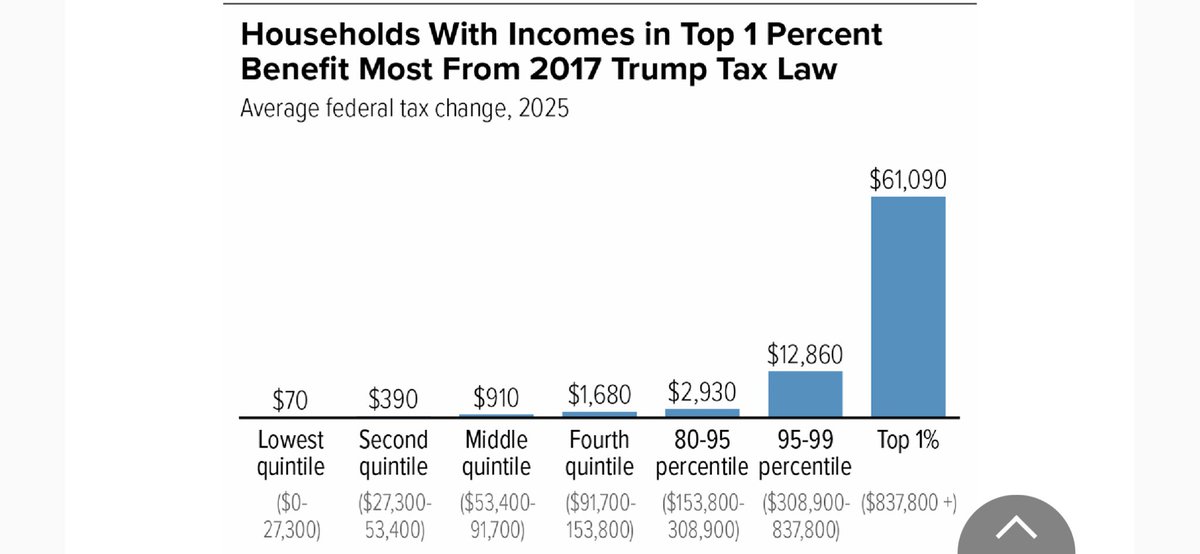
@ICU1010@mcuban The 2017 #Trump tax law was skewed to the rich, and failed to deliver promised economic benefits. It benefited high-income households far more than households with low and moderate incomes. A 0.4% tax cut is a joke, and it won’t make any difference in their lives.