Movement Disorders #Neurologist. Interested in #Neuromodulation. Proud grad of @UTAustin, @Georgetown, @UpstateNews, @UFNeuroRes & @UFMDFellowship. Views my own
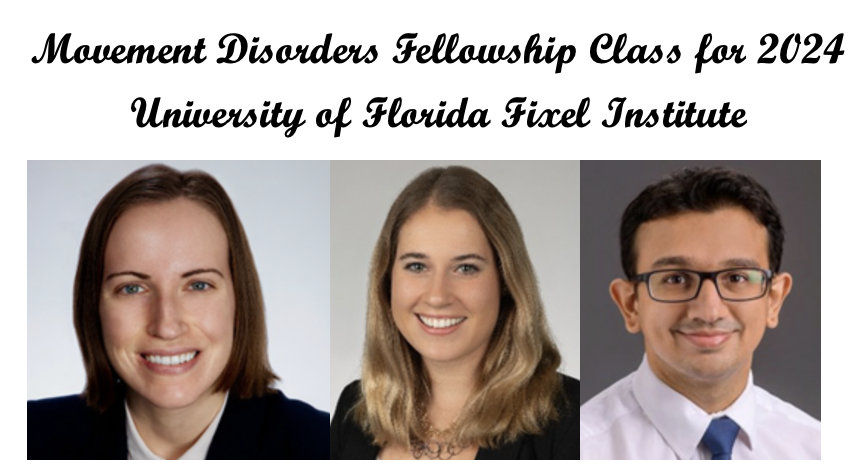
A double blind trial was conducted live this morning @fixelinstitute to determine once and for all whether American or Canadian maple syrup is superior on taste testing. Graduating movement fellows all blindly rated an American syrup (from a field of four samples) as number one (superior). You are all now ready to graduate, as you have used science to solve a critical question facing society. Note for those watching from afar, two of three fellows were Canadian. From left to right: Jason Chan headed to Vancouver, Ariane Carpentier headed to Montreal and Matt Remz heads to his new office at Fixel @UFHealth gator nation. #parkinson #ufmovement #michaelokun
News for DSI Studio users!
You can now rotate and examine 3D DSI Studio tractography within a PowerPoint file.
Simply export 3D models at [View][Save 3D model] and insert the model into a PowerPoint file.
Check out the example ppt file here:
https://t.co/JJP6TISmAO
Is there a different lesioning target for VIM vs deep brain stimulation. Anterior and superior to the DBS target. Germann and Lozano say YES and opine this may reduce complications.
Those of us who have made lesions for a long time would tell you this is true. The reason this study is important in my view is that many modern neurosurgery practices DO NOT have radiofrequency classical lesion experience.
'They used efficacy maps and showed overlap around the VIM ventral border encompassing the dentato-rubro-thalamic tract. While the MRgFUS map extends inferiorly into the posterior subthalamic area, the DBS map spreads inside the VIM antero-superiorly. Comparing the efficacy maps of DBS and MRgFUS suggests a potential alternative location for lesioning, more antero-superiorly. This may reduce complications, without sacrificing efficacy, and individualize targeting.'
https://t.co/R1FVxKxSBq
The @UFMDFellowship national match results are in and we are 'over the moon' to welcome our three newest rising stars in movement disorders: Anastasia Barnes from Harvard, Beth Israel Deaconess in Boston; Patricia Graese from Thomas Jefferson University in Philadelphia; and Tejas Mehta from the University of Missouri. Thank you to @CWHESSMD for another great match year and now let's have some fun and impact some lives. @FixelInstitute
Dopaminergic therapy in Parkinson's disease associated with increased functional connectivity between the salience network and default mode network. Treatment changes brain networks, implications for disease mechanisms and cognitive function unclear. https://t.co/kfQzgBWVIl
Gait impairment during cognitive loading in Parkinson's disease associated with decreased STN theta power. Freezing of gait at the intersection of cognitive and motor control. https://t.co/TaAvzvCalO
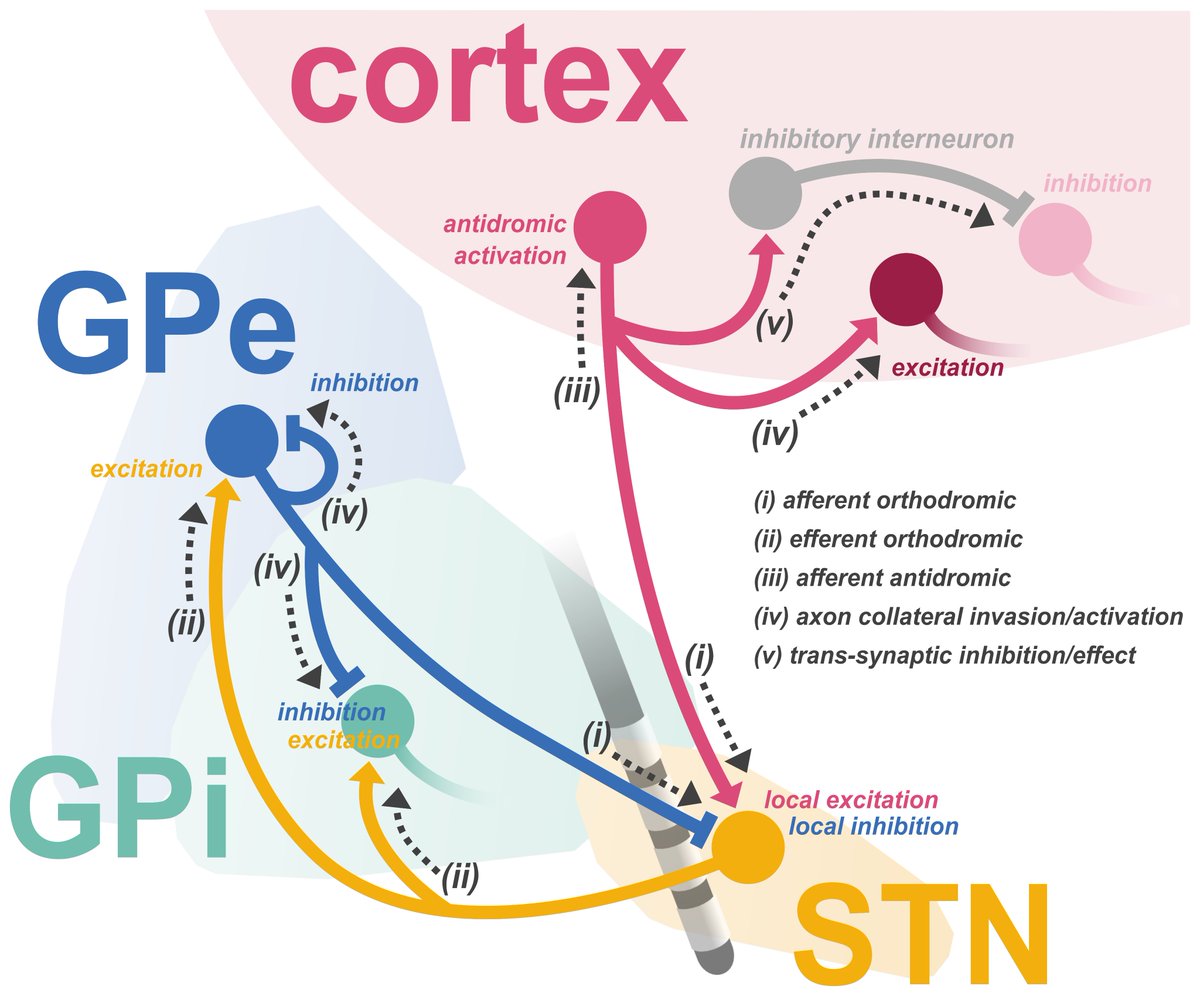
How does deep brain stimulation work? Neumann et al. provide a critical review of competing theories of the underlying mechanisms of action. https://t.co/lR5tnFRda7
The DBS Think Tank virtual registration is now live and online! Please click on the link below to sign up!
https://t.co/P66lkPem8s
The event will take places from August 9-11, 2023
The full agenda can be seen here
https://t.co/t7epPDlkJ8
Amazing speaker line up!
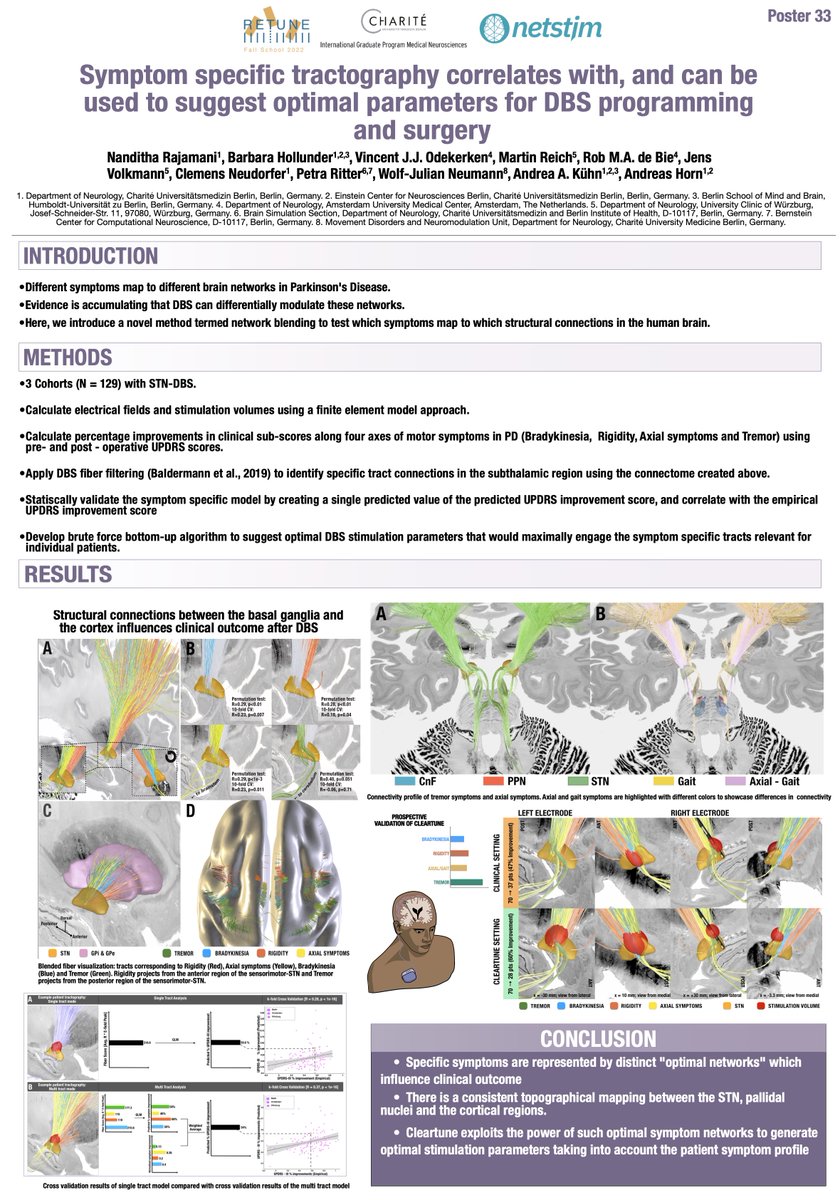
Happening NOW: See how @NaN_Value is personalizing deep brain stimulation surgery using the human connectome and patient-specific combinations of “symptom-networks” alongside a fancy optimization algorithm. Poster #410!
Feltrin et al. report a novel targeting method for magnetic resonance-guided high-intensity focused ultrasound (MRgHIFU ) thalamotomy, 4 tract tractography, improving the adverse effect profile of MRgHIFU while maintaining a sustained tremor response. https://t.co/IatLaXDx13
This is super important so agree with @andreashorn_@leaddbs we have a coming tsunami of issues with abandonment after device implantation. Let’s be proactive! @DBSThinkTank


![FangChengYeh's tweet photo. News for DSI Studio users!
You can now rotate and examine 3D DSI Studio tractography within a PowerPoint file.
Simply export 3D models at [View][Save 3D model] and insert the model into a PowerPoint file.
Check out the example ppt file here:
https://t.co/JJP6TISmAO https://t.co/GOjAYShLxV](https://pbs.twimg.com/media/GNJWCFyXwAA1qg6.jpg)