Want to make phonemic awareness more effective?
These 5 focus areas can help you take a closer look at where a few small tweaks might help.
https://t.co/8Mpbddp3tj
🎧 Our episode with Marianne Rice is out now where she talks all about this!
https://t.co/9RrssvqIH8
Handwriting skills serve as the foundation of broader writing skill development. Only once students learn to transcribe letters are they able to develop more complex writing skills. Learn more about handwriting instruction through our Literacy LIFTER eLearning module: https://t.co/kv9LX8LyOt
A new infographic from REL Southeast highlights two practical routines to help teachers teach students how to decode multisyllabic words, supporting stronger reading and comprehension.
Access the infographic: https://t.co/DzTIzFzRFc
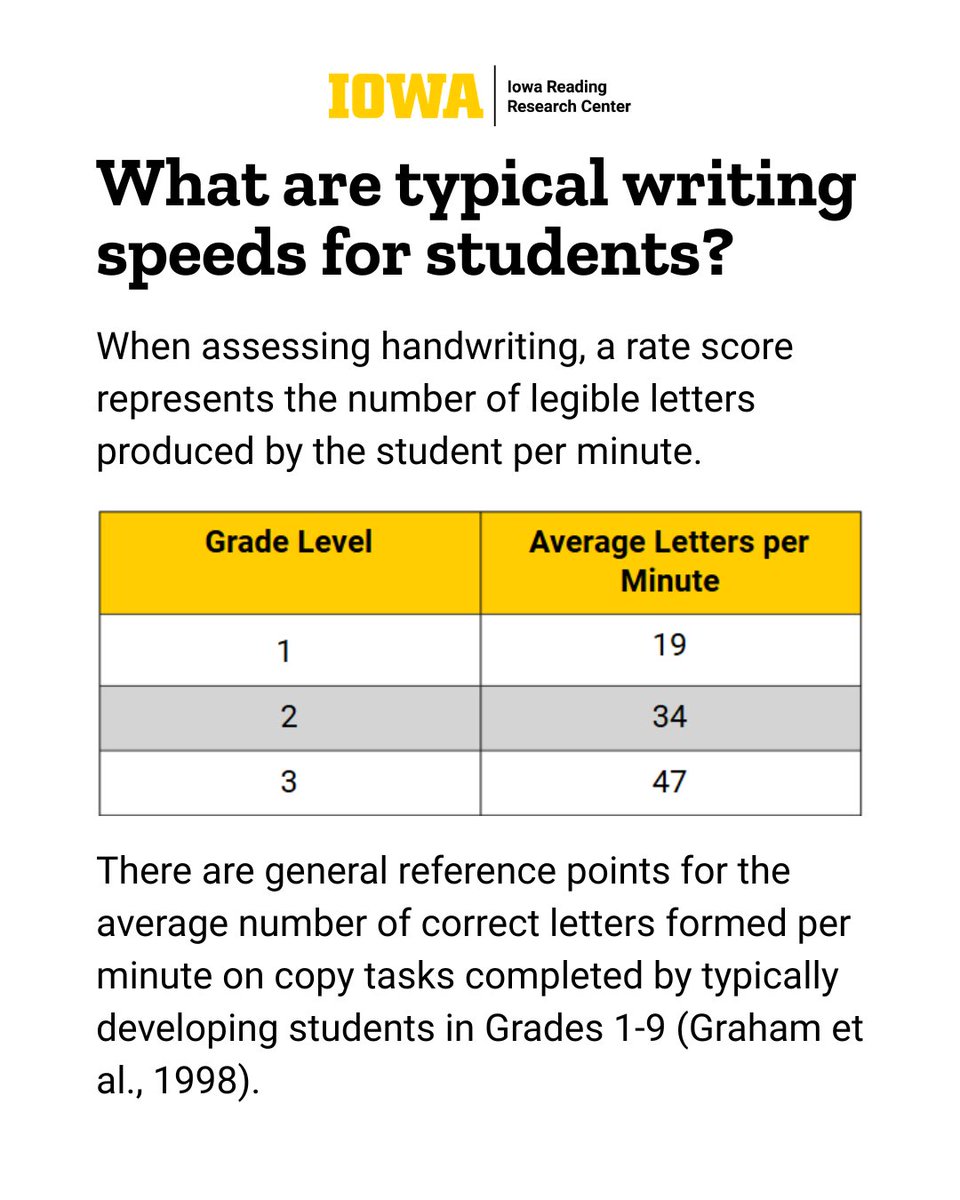
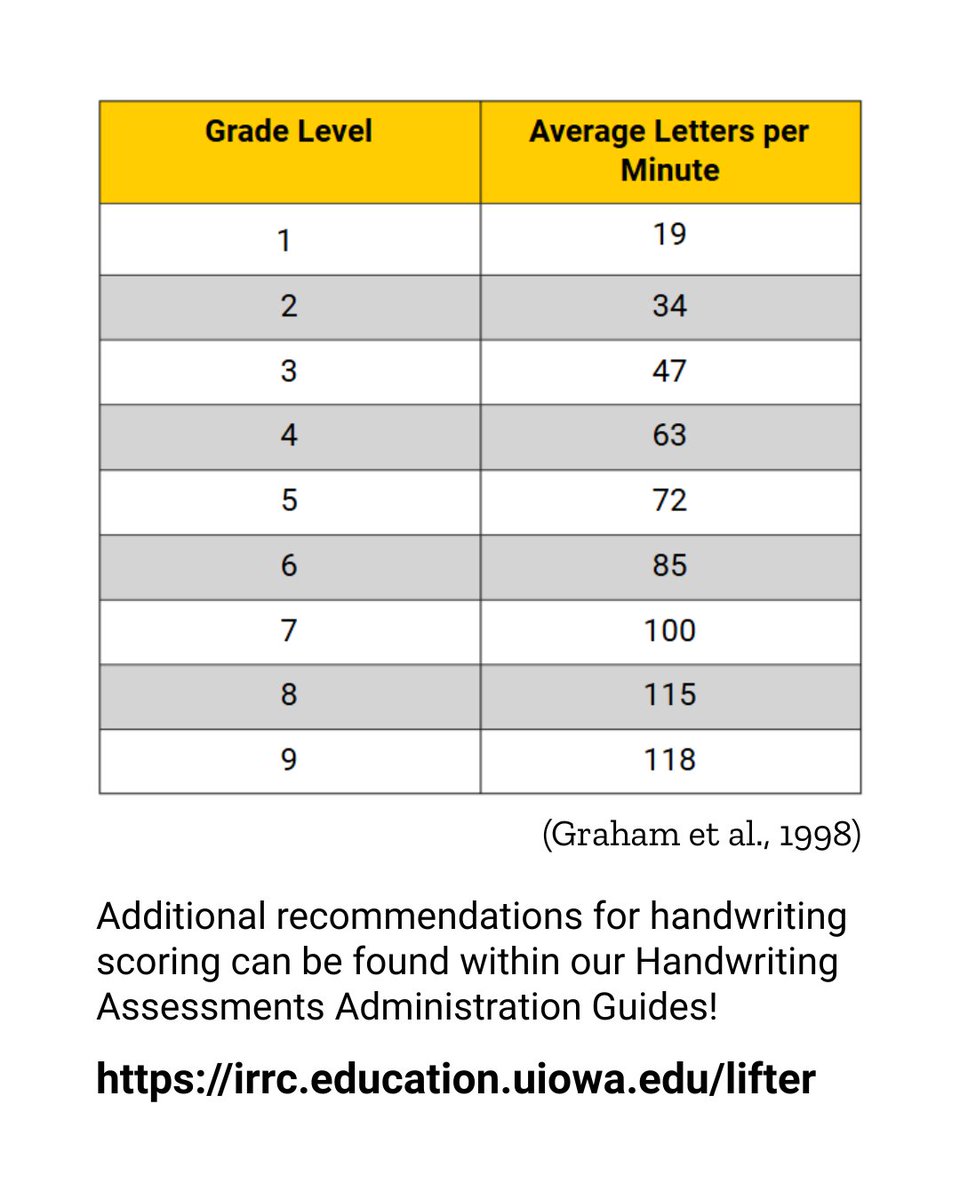
Handwriting fluency consists of legibility and rate. When assessing students’ handwriting rate, you can look toward average rates by grade level. Find free handwriting assessments and further scoring guidelines on our website: https://t.co/8XdRcqk4M3
Everyone teaching phonemic awareness READ THIS ‼️This blog skilfully explores the research as to why phonemic awareness should focused on blending and segmenting of individual sounds [rather than lots of time on rhyme, syllables]. ⏰Get up to date! https://t.co/tYbjFgCXp0
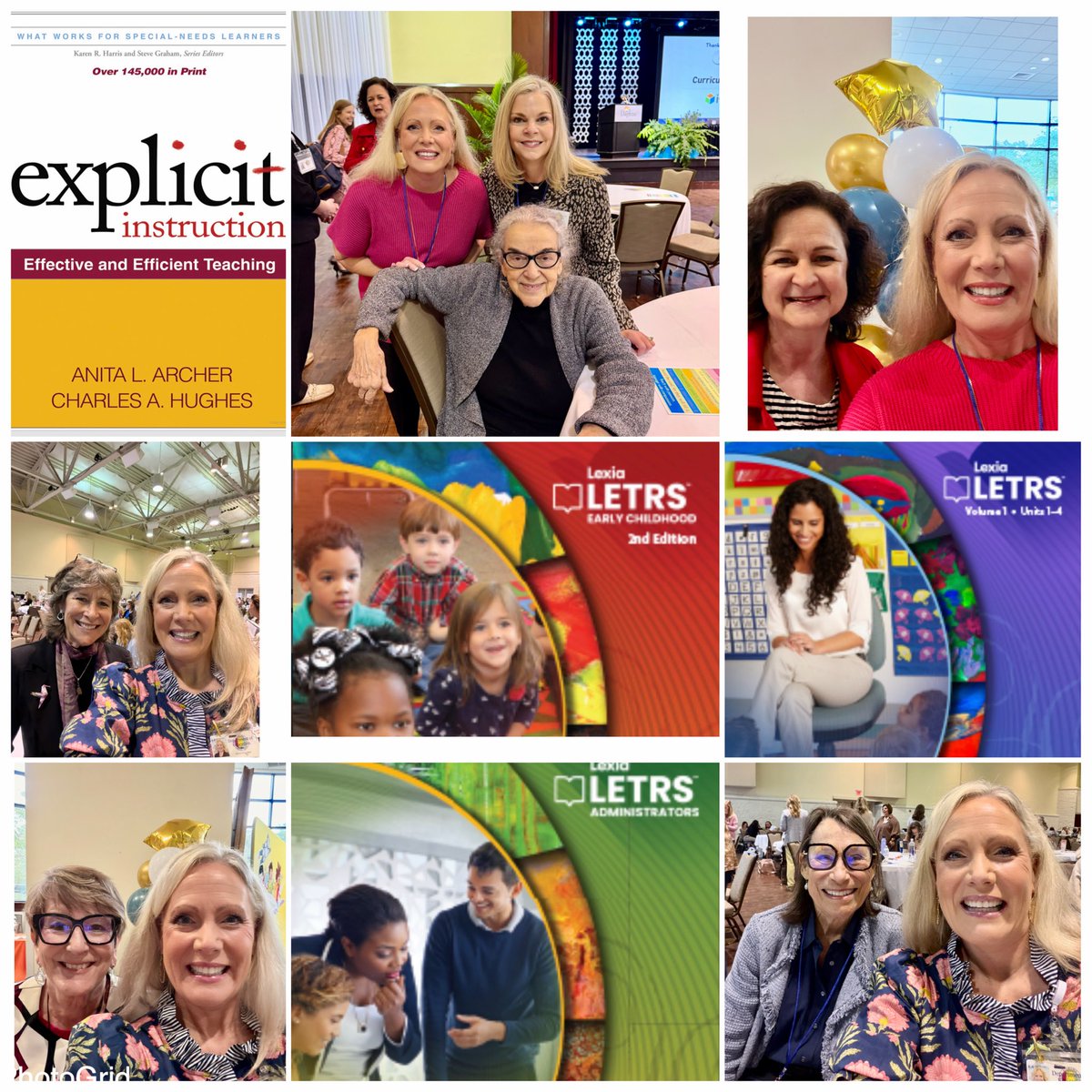
Still buzzing from The Reading League Alabama’s “Literacy Reimagined” conference! 📚
Witnessing these literacy giants in one space was a total bucket list moment. Walking away with a full notebook and a clear mission. 💫
Learn why modeling matters in elementary writing instruction and how a new free toolkit can help teachers bring evidence-based strategies to life in grades 2–4.
#InstructionalStrategies#EducationResearch#REL
🔗 https://t.co/CeIstOJjIH
Quick Writes – how they came to be, how the field shaped, studied, and refined them, and why building them into your weekly routine might be one of the highest-leverage instructional moves you can make.https://t.co/jpXJEL79Zg
We talk a lot about the threads of the Reading Rope. But as Jake Downs reminds us, the real power is in the rope. 🧵
��️ We dig into this idea in our latest podcast episode with Jake Downs and Chase Young.
🎧 Listen Now: https://t.co/O4xNpglm5B
Want to boost reading comprehension?
✏️ Have students WRITE about what they read.
Writing helps students process, organize, and deepen understanding of texts. Hear more from Lindsay Kemeny on the podcast. 🎧
Listen 🎙️ https://t.co/RarmXW4DZS
The latest issue of #TRLJournal is here!
Read our sneak peek article, “Measuring What Matters: Understanding What Reading Assessments Really Tell Us,” & strengthen your understanding of assessment to help create better reading outcomes for your students.
https://t.co/EwzRGKQHHK
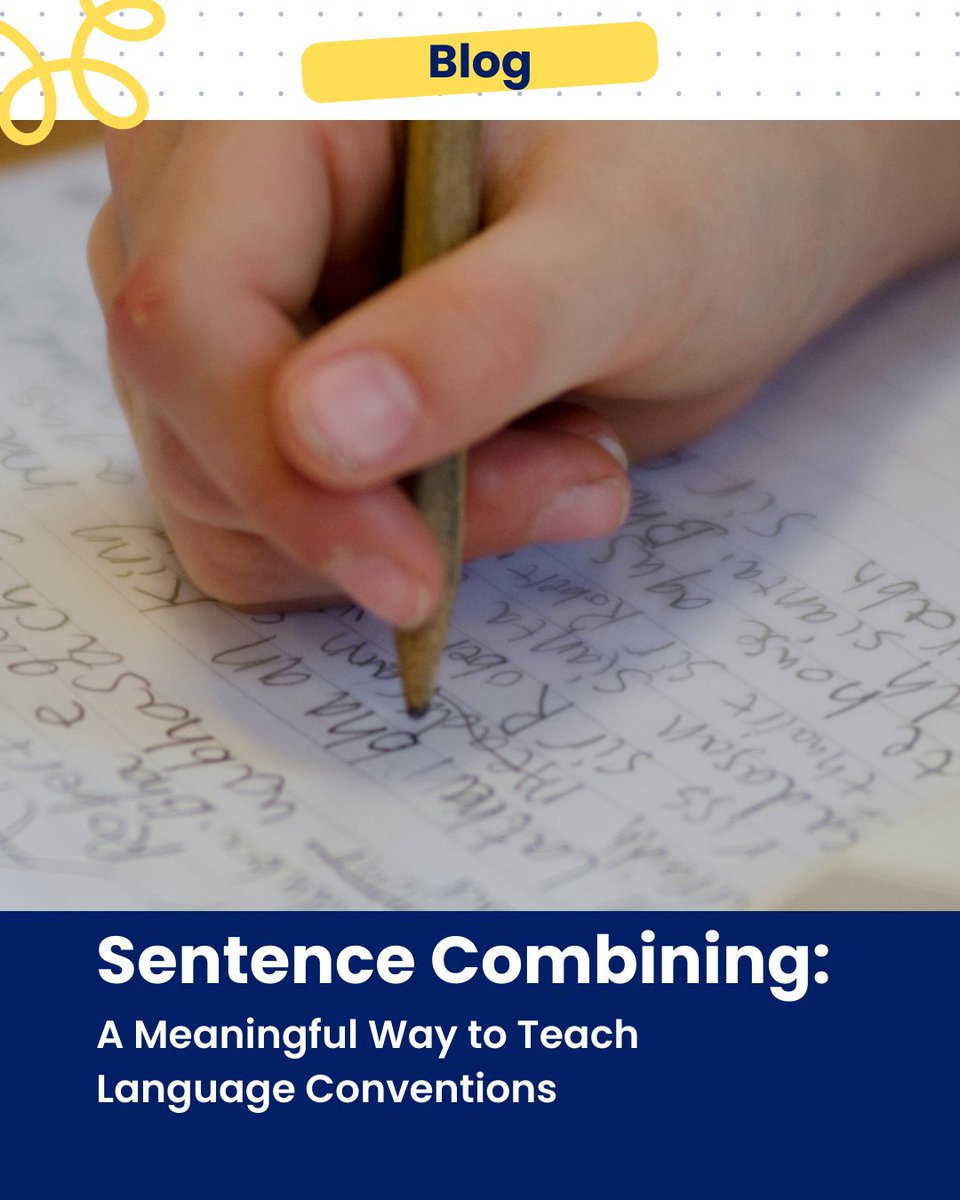
Catch up with the ONlit blog! Sentence combining helps students understand how sentences work to communicate meaning. Our December blog shows how this routine supports Ontario’s B3 language conventions within real reading, writing, and content learning. https://t.co/9AmQHzZCDO
“Encoding is not simply a step to writing; it is a vital but underappreciated route to reading. It requires a deeper and more consistent practice of identifying the individual speech sounds in words and linking those sounds to letters. It engages children from the beginning with meaningful words, not isolated skills.
The segmentation and construction of spoken words build essential neural networks and provide a meaningful route to phoneme awareness and phonics, as children learn to master the ingenious code of letters that makes spoken words visible.” ( Herron & Gillis, 2020).
Read this do-not-miss article, Encoding as a Route to Phoneme Awareness and Phonics: A Shift in Literacy Instruction, by Jeannine Herron and Margie Gillis, here:
https://t.co/mtEbLCHaFj
Join literacy expert Dr. Wiley Blevins for an edWebinar that shows how decodable texts—when used intentionally—can do far more than support phonics.
Register now: https://t.co/oZinZW5Yyd
@wbny@edwebnet
Our new eLearning module provides teachers and administrators with tools that support the implementation of explicit instruction in their schools. Read more about what the module offers and how to access it through our latest news article: https://t.co/xwzIxCP3lU
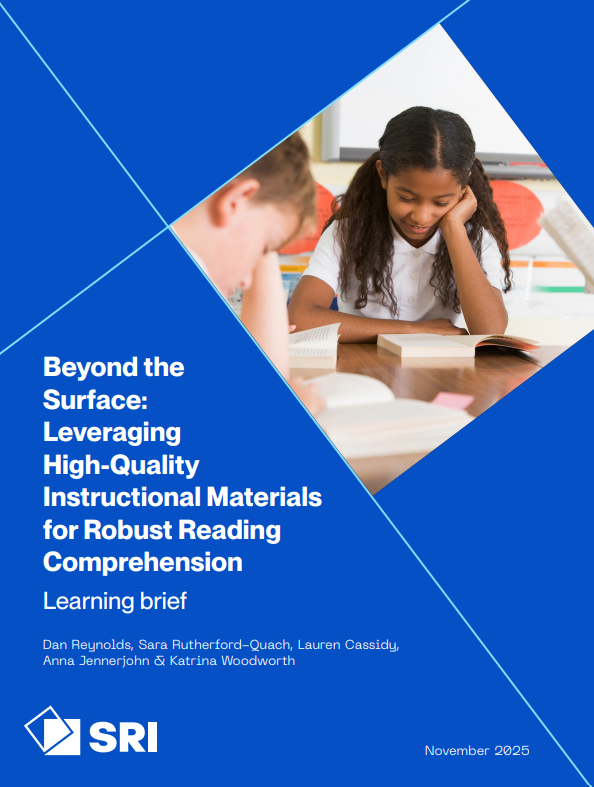
New research from SRI Education highlights a gap between the adoption of high-quality instructional materials (HQIM) and the depth of reading comprehension instruction in elementary classrooms.
Although teachers widely use comprehension-focused curricula and students are actively engaged with texts, most classroom lessons still result in surface-level understanding rather than deep, robust comprehension.
This brief explains why this distinction matters, identifies instructional practices linked to deeper learning, and offers actionable steps that school and district leaders can take to ensure students develop meaningful understanding from complex texts.
Read the brief here: https://t.co/CX82CksGth
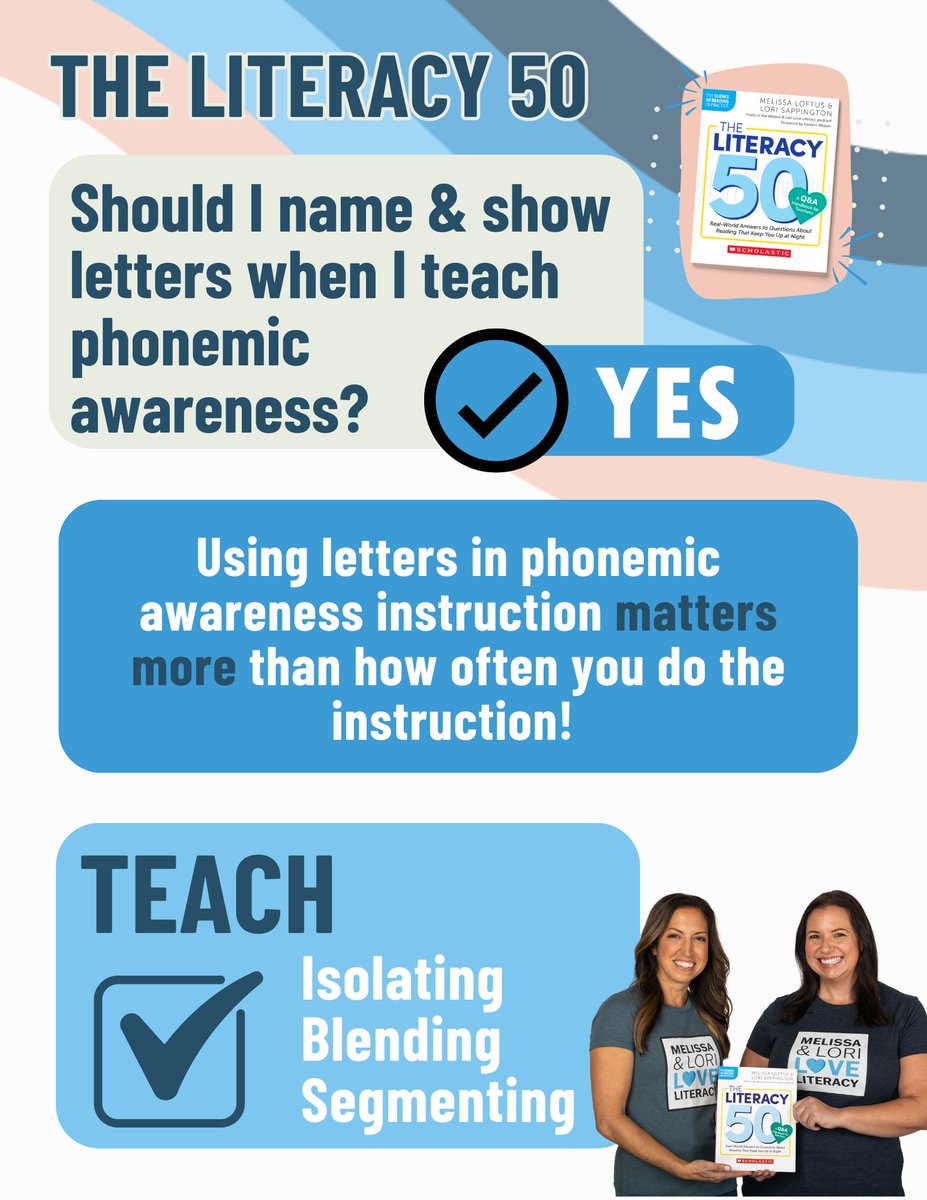
🧠 Phonemic awareness tip: YES—show and name the letters! It makes a bigger difference than how often you teach it. 🤯
Grab this resource from our book, The Literacy 50! 📚
Hot Topic Resources 🔥
https://t.co/xc7mdueaZE
Link to Book 🔗📚
https://t.co/o1irnZhvlO
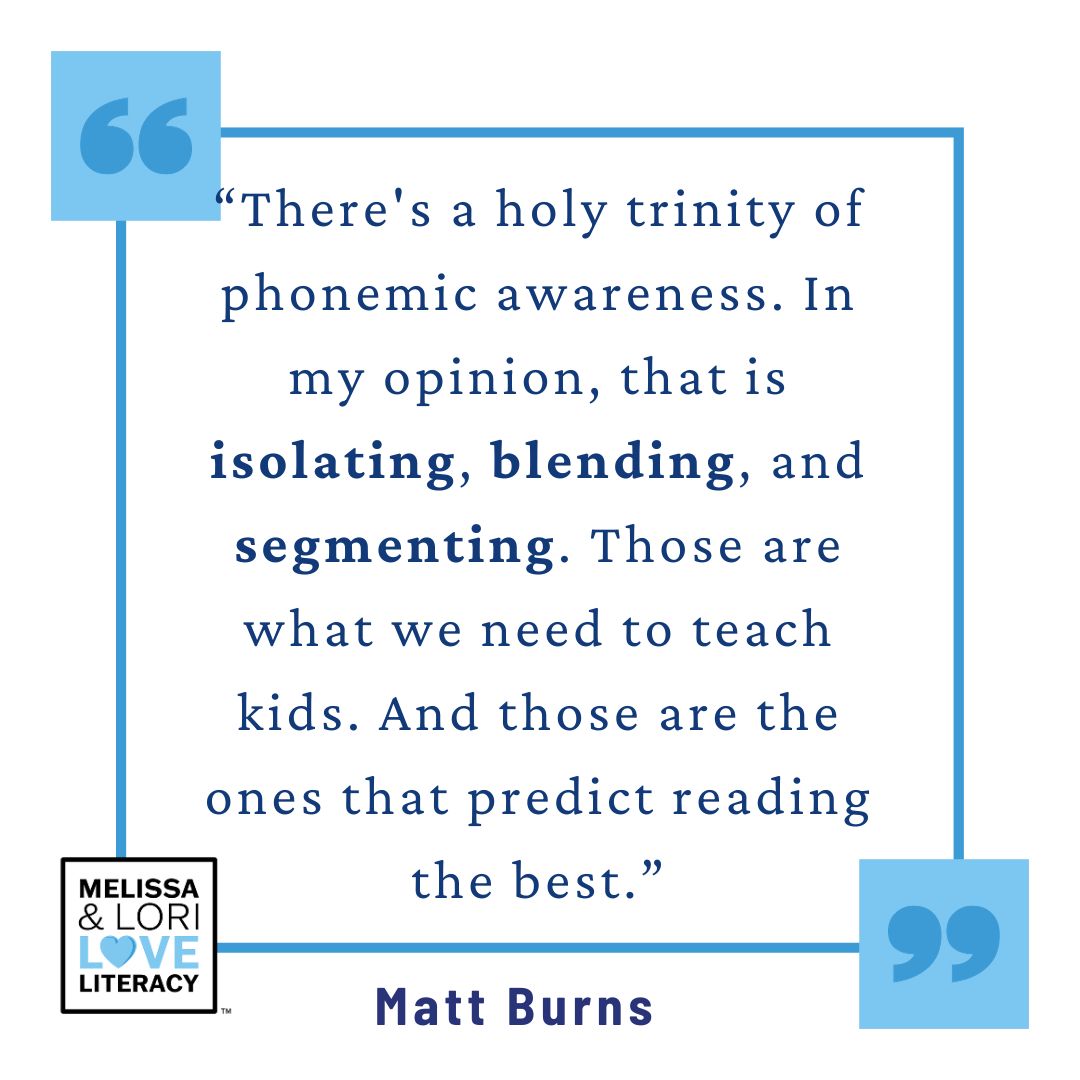
Wondering where to spend most of your time when teaching phonemic awareness? Research supports focusing on three skills: isolating sounds, blending sounds, and segmenting sounds.
🎧 Listen Now! What Research Says About Phonemic Awareness with Matt Burns
https://t.co/nE2wuYBSgi







![NathanielRSwain's tweet photo. Everyone teaching phonemic awareness READ THIS ‼️This blog skilfully explores the research as to why phonemic awareness should focused on blending and segmenting of individual sounds [rather than lots of time on rhyme, syllables]. ⏰Get up to date! https://t.co/tYbjFgCXp0 https://t.co/5cRt0fXG1z](https://pbs.twimg.com/media/HDkBPIRXoAIE2P9.jpg)