What is the ‘best’ diet to prevent disease and live a long, healthy life?
(hint: it’s not keto, or vegan, or carnivore, or Mediterranean)
Video shout-out to Kevin Hall, PhD @KevinH_PhD
The ‘best’ diet is the one that you can stick to over the long term
One that makes you feel energized, and decreases your cancer risk and heart disease risk factors
Here are the fundamentals of a great diet:
- Reduce (and ideally no) refined carbs and sugar
- Emphasis on whole foods, particularly non-starchy vegetables and fruits
- Replace fizzy drinks and juices (including fruit juice), with water
- High, lean protein intake (1.6 grams per kg of body weight)
- Replace saturated fats with unsaturated fats
- Low salt intake (watch out for sauces and pre-packaged foods)
- Early dinner, then immediately brush teeth
After careful consideration, I have renounced my membership in the Academy for Health and Lifespan Research (@ahlresearch). I find it deeply distressing that we’ve gotten to a point where dishonesty in science is normalized to an extent that nobody is shocked when a tenured @Harvard professor falsely proclaims in a press release that a product he is selling to pet owners has “reversed aging in dogs”. To me, this is the textbook definition of snake oil salesman.
Perhaps I’m being naïve in expecting that scientists should be held to a higher standard. I went into a career in scientific research as an idealistic young man who wanted to make discoveries to improve the world and help people. That idealism still fuels me today, although much has been lost along the way and replaced by realism, which I strive to keep from becoming cynicism. I do believe we can and should demand, at a minimum, honesty and integrity from our scientific leaders.
I have renounced my membership in the Academy due to ongoing behavior by Academy President Dr. David Sinclair that I find both personally and professionally unacceptable. While I can’t control how others will behave, I choose not to associate with individuals or organizations that do not align with my core values.
True story… (today👨🏻⚕️)
I was going on a hike/walk (arboretum) today 🥾and was casually discussing some facets of the biology of aging with a friendly intellectual stranger (seemed to naturally come up).
He asks me out-of-the-blue “is @DogAgingProject going to get funded?”
Maybe he was polite and didn’t want to tell me he knew I was @agingdoc1 👨🏻⚕️or maybe he had no idea and just read about it and saw the connection…
…but to me, it’s a another sign not only that Cambridge has a disproportionate number of highly educated folks 🤓but moreover is representative of, glancing at the headlines these days, a growing public awareness of geroscience and the tremendous value of supporting this work 👩🏾🔬🧬🧪🔬
@DPromislow@mkaeberlein@AFARorg @ahlresearch @NathanShockCtrs@americanaging@BuckInstitute
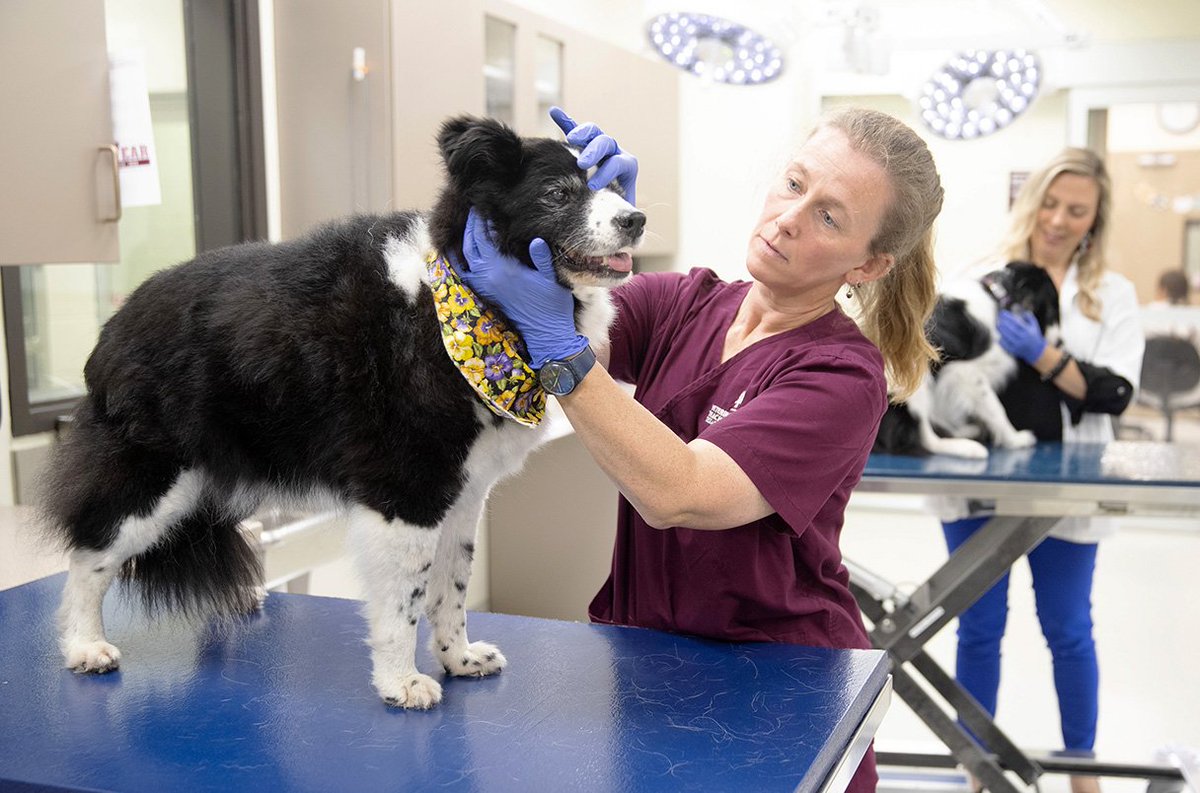
Just learned of someone who’s getting married soon and instead of wedding gifts is requesting donations be made to the Dog Aging Project. So grateful, thankful and overwhelmed. Dog people are the best people 🐾 @DogAgingProject
Update on efforts to save the @DogAgingProject :
I know many have been wondering, and I’ve been relatively quiet recently, so here’s where things stand:
The petition to NIH Director has more than 13,000 signatures! This is amazing support, and I'm so grateful to everyone who signed 🐶❤️! It’s not too late to lend your voice: https://t.co/4XofMe1WE9
I sent a letter to @NIHDirector more than a week ago requesting a meeting with her. So far, I have not gotten a response ☹️
The National Advisory Council on Aging (NACA) met this week to recommend grants for funding by @NIHAging. It is my understanding that Council was not allowed to consider the Dog Aging Project 😡
A non-profit entity has been formed to enable philanthropic support for the project. More on the Dog Aging Institute soon. The institute is accepting donations here: https://t.co/tA399HLVmc
We are working with several organizations and individuals in hopes of securing sufficient funding to keep the project running. Hopefully we’ll have some key partnerships to announce soon and wins to put on the board
Very pleased to see coverage of the @DogAgingProject in today's New York Times, noting our impact (>50 papers) and tremendous potential going forward, and our exciting efforts of overcoming challenges with the launch of the Dog Aging Institute (https://t.co/yw1oUwe16f).
“It’s almost an emergency,” said Stephanie Lederman, the executive director of the nonprofit @AFARorg . “It’s one of the most important projects in the field right now.” @NIHAging @NIHDirector
https://t.co/pvotzV2MpL
Massive study of dog aging likely to lose funding
Organizers hope to save long-running project on canine aging and longevity
https://t.co/JCJFq29lRS
[The title does not need to become reality. Support @DPromislow & @mkaeberlein's @DogAgingProject 👇🔗https://t.co/LmkwGcNn3O]🧑⚕️
#1 I know folks are curious, but not getting into the process at @NIHAging for now in hopes of avoiding backing folks into a corner and enabling @NIHDirector to do the right thing
#2 Short list of DAP accomplishments
In only 5 years of @NIH funding and *despite a global pandemic* that shut down many research programs, the @DogAgingProject:
- engaged ~50000 Americans to participate in geroscience research and inspired millions to believe in science at a time when public trust in science and @NIH is at an all time low
- created an open access data repository of 36 million + data points on biological aging that is spurring research around the world
- built the largest longitudinal study of aging in the world
- created one of the largest open-access veterinary biobanks in the world
- built the template and initiated the first ever randomized clinical trial for lifespan and healthspan extension in a normative aging population; this has directly enabled biotechnology companies to seek new life extending drugs for FDA approval (e.g. @loyalfordogs)
- published dozens of peer-reviewed papers in top scientific journals (https://t.co/O9q4FxO3QC) and dozens more in the works
There are obviously many more specific scientific accomplishments I could list, but these are more than enough. I challenge anyone to find an @NIH-funded project that dollar-for-dollar can match the impact of the Dog Aging Project. There is simply no reasonable explanation for not continuing to support this work