Altera @10xGenomics (Xenium Whole Transcriptome) is arriving👹
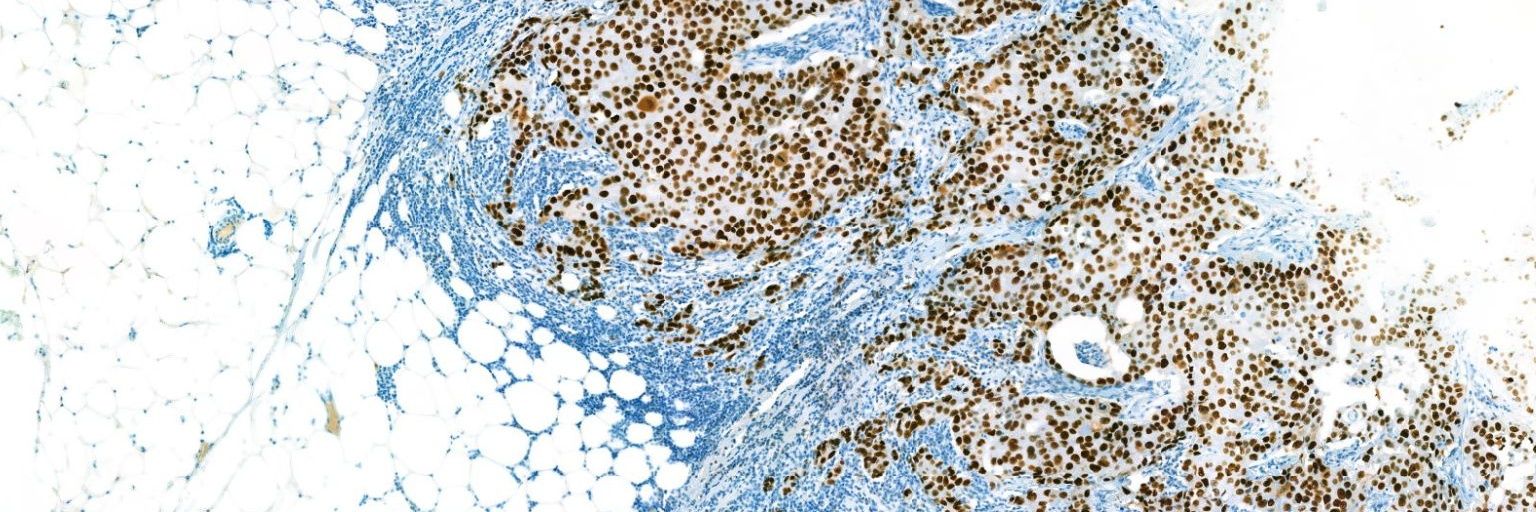
On #DuctalCarcinomaInSitu DCIS
vs Xenium 280 Xenium 5K
Resolving most myeloid states
Inferring #CopyNumberVariation➡️
Spatial clonal tracing
Any clone-specific immune/vascular niches?😆
@MagdaMatusiak bioRxiv 2026
https://t.co/Po4FGBiXJX
@nu_karaiskos, @N_Rajewsky, and I have been building this for a few years at @MDC_Berlin.
We are very excited about it and hope it becomes useful to lots of you. Please share your feedback so we can keep improving the platform for everyone! 🤗
A 🆕 30-page review in Cell maps the state of ADCs (antibody-drug conjugates) - the “magic bullet” cancer therapy first imagined in 1907.
19 approved. 260 in development. SCLC: zero.
Non small cell #lungcancer has genuine options now. But the review is direct about the gaps: patient selection, toxicity management, and tumours that are simply hard to reach.
https://t.co/tIH7uQbFrC #LCSM
Big paper coming out soon.
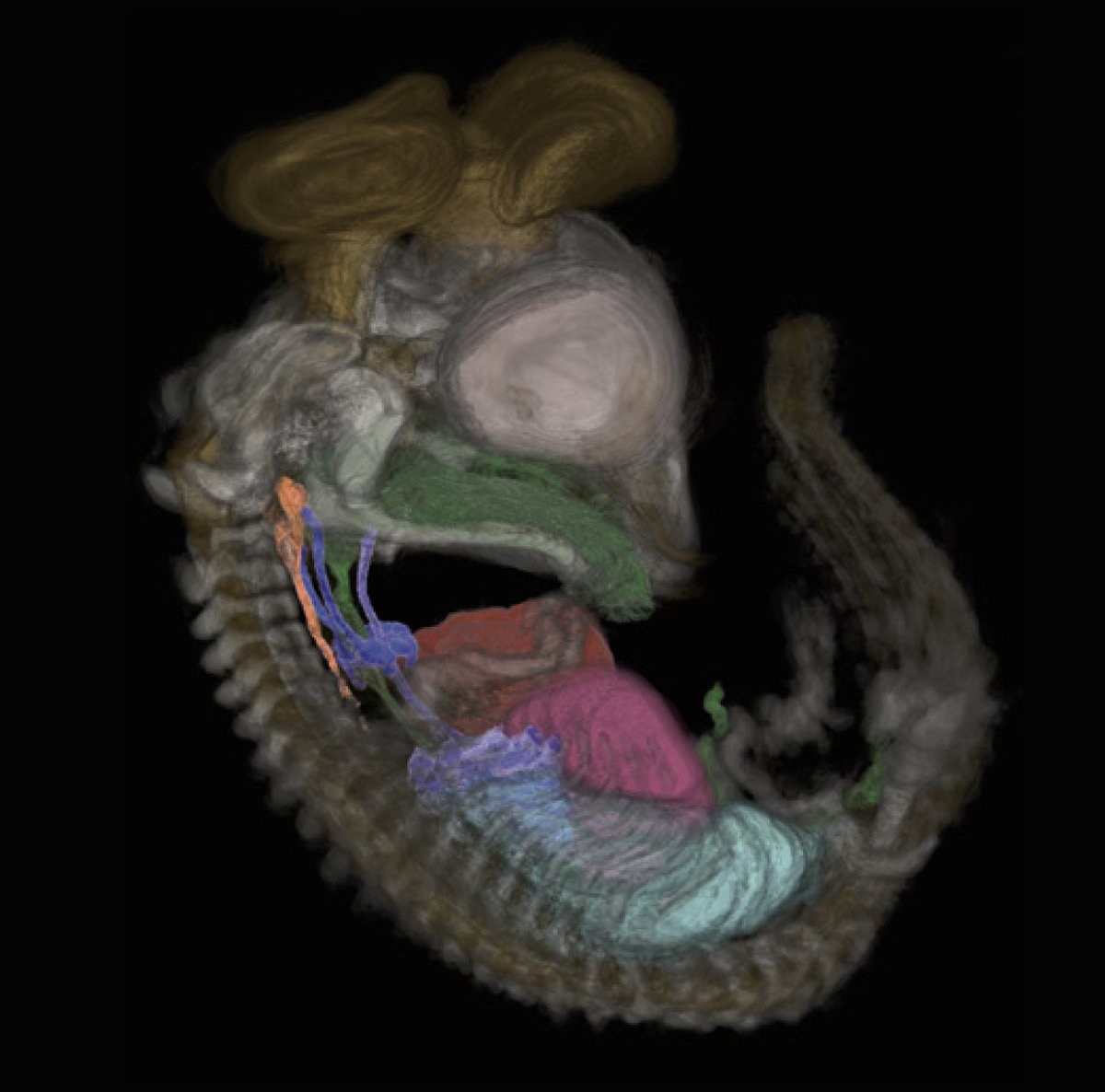
Using AI, we mapped embryos of mice, alligators, turtles, rhesus macaques, and chickens in 3D and at single-cell resolution.
We discovered something truly remarkable...stay tuned!
People often ask how breakthroughs occur in cancer biology-often the story is more complex - the survival plot for myeloma outcomes is extraordinary - improvements come about in incremental steps - in my lifetime treatment of Myeloma has almost transformed into a curable disease
When New England Journal publishes a phase I trial...you know its something interesting
TP53 Y220C Reactivator: Rezatapopt
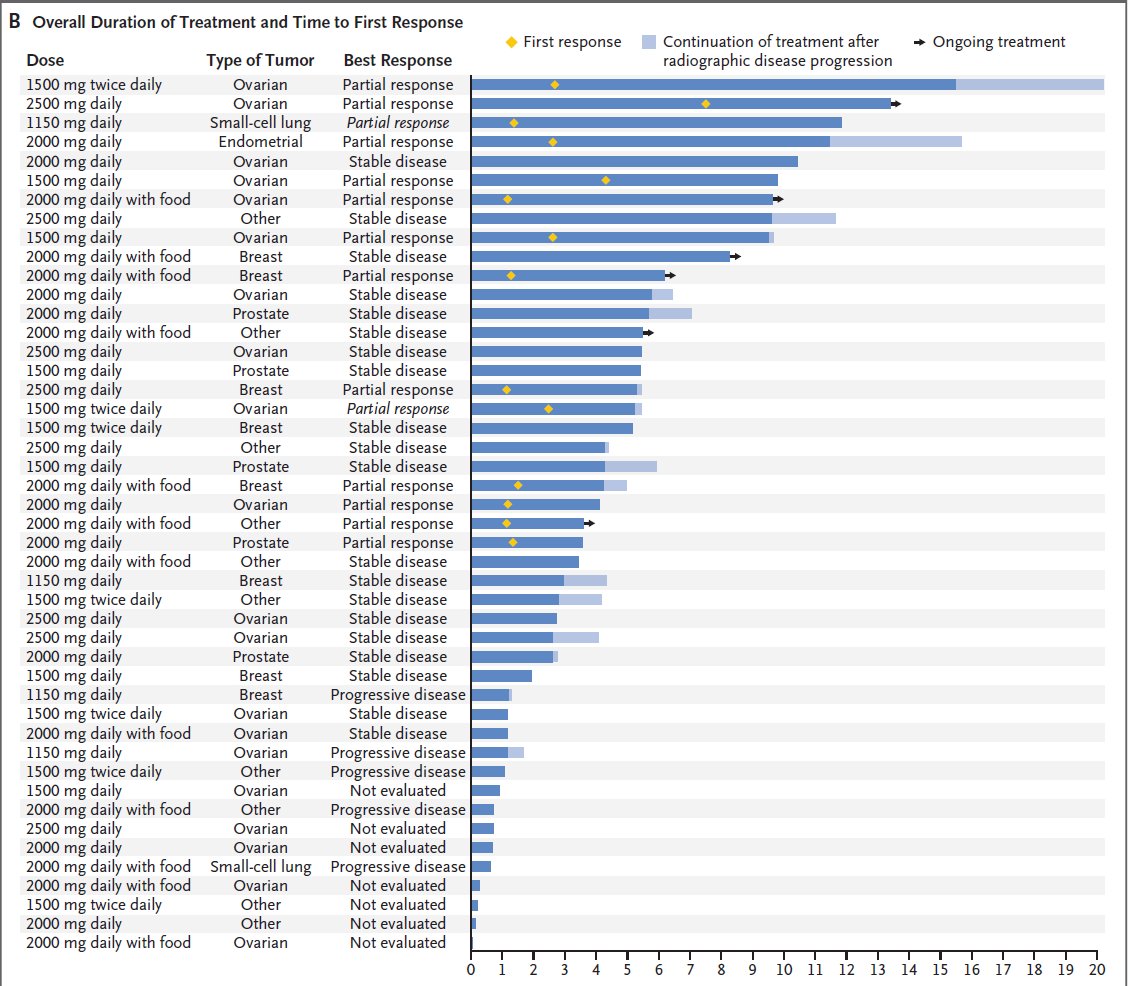
> 7 out of 15 evaluable patients with ovarian cancer had responses and prolonged ones at that (see below)
> The most common AEs: nausea, vomiting, anemia
> Serious AEs with this novel strategy included pneumonitis, pyrexia, ALT/AST elevation and AKI -> clearly a lot to learn
One interesting point was 4 patients underwent biopsies on progression and one of the 4 had two new TP53 variants – this is early data and hard to draw any conclusions but with any novel therapies have to make sure we aren’t breeding more resistant clones with our treatments – time will tell
#Gynonc @OncLive
When a phase 1 trial is published in @NEJM, you can bet it will be impactful. Here, the p53 reactivator rezatapopt showed an ORR 20% among 77 pts with TP53 mutant (Y220C) advanced tumors. Are we getting closer to drug the most undruggable of all mutations? https://t.co/lpkvWiNNmu
Still my favorite 3D reconstruction of a pancreatic tissue.
Using the CODA workflow, we mapped a billion individual cells in 3D.
Red: pre-cancer lesions
Navy blue: ducts
Light blue: islets of Langerhans
Purple: acini
Green: blood vessels
More here: https://t.co/RsB0RYoPIy
We have developed a new workflow to map in 3D at single-cell resolution whole human organs.
Prof. Rong Fan (Yale) mapped out immune cell populations in the vicinity of ovarian precancerous lesions in healthy women and found no enrichment.
More here: https://t.co/UoTgbRKGT0
Polish science runs on trash money whoever rules the country. As the below graph by top Polish AI researcher @piotrsankowski shows the decline of science funding in relation to GDP is steady for decades. The science community has to intervene yet again. #TakDlaNauki
Legend David Baltimore died yesterday. He understood the way things should work: "the real contribution of @MIT is that it doesn't take itself too seriously. It takes ideas seriously, but the people are relatively informal. They are not self-aggrandizing the way academics can be.
I love how trippy spatial transcriptomics is! it’s art 😵💫
Here is @KamiLisek (@N_Rajewsky lab) at the MDC Afternoon for Immunology event presenting his work on spatiotemporal dynamics of tumor microenvironment remodeling in triple negative breast cancer.
https://t.co/WwkJF69YfM
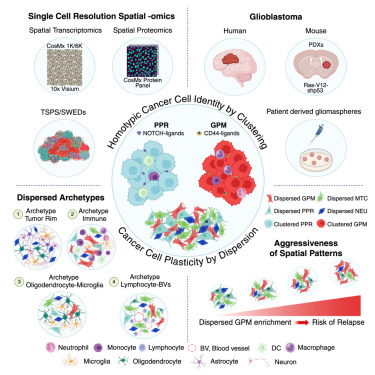
We uncover a key role for myofibroblastic CAFs (myCAFs) in steering tumor cells toward invasive EMT phenotype. Functionally validated in co-transplants and conserved in human PDX models.