Mums ir idejas un tehnoloģijas, kā virzīties uz igltspēju, - mums nav ne konceptuāla, ne arī tehnoloģisku problēmu, taču viss slēpjas morāles jautājumā, un mēs atsakāmies to risināt, jo dominējošam ekonomiskajam viedoklim trūkst ētiskās dimensijas.
/Fritjofs Kapra
Attempts to ban fossil fuels often lead to more income for the worst parties (e.g. Putin) while doing little to reduce demand.
Forcing people to give up luxury and comfort hasn't been effective either.
Our most effective intervention is accelerating clean technologies.
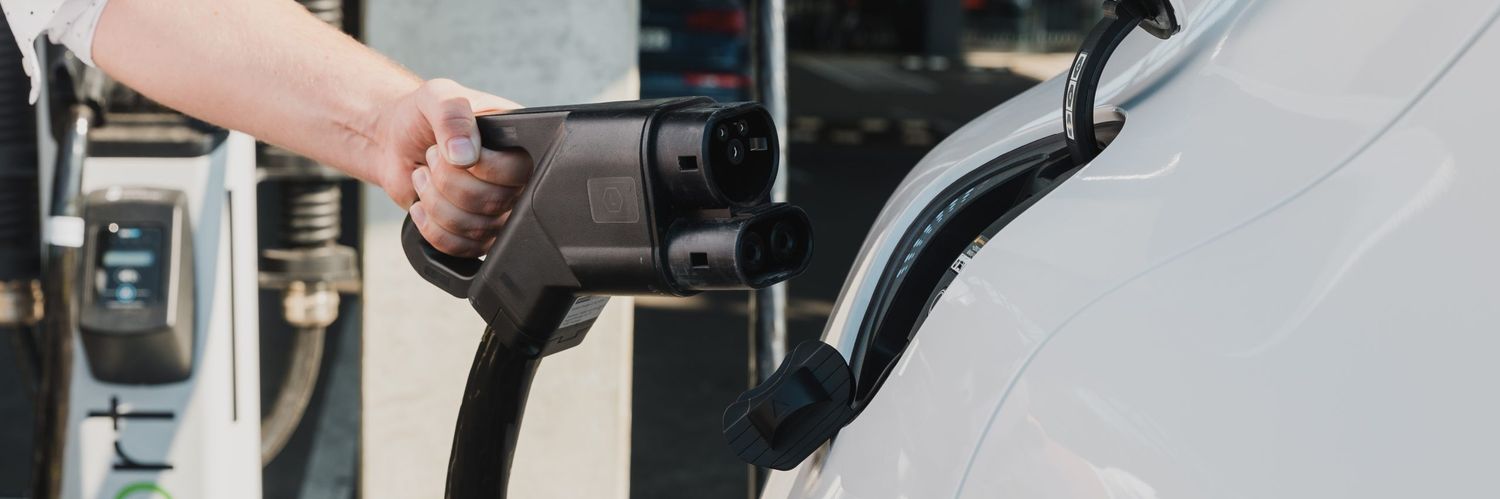
Ja kādu interesē, kamdēļ Latvijā 2/3 no uzlādes punktiem ir ātrās uzlādes, iesaku izlasīt šo. Otrā daļa gan man vēl liekas patālāka nākotne, bet es saprotu domu gājienu
Typ 2-Laden wird teurer als CCS-Laden und daher mittelfristig aussterben
Was auf den ersten Blick nach Fiktion klingt, wird auf den zweiten Blick immer realistischer. Und das, obwohl man meinen müsste, Typ‑2-Laden sei günstiger, denn auf ihren Umsatz, bei gleicher Auslastung gerechnet, ist es teurer als CCS-Infrastruktur.
Wenn man es sich genau ansieht, stellt man fest, dass wir bereits mitten in diesem Wandel sind.
Denken wir über 10 Jahre zurück, dann stehen wir vor einer Renault Zoe, welche an Typ 2 mit 43 kW laden kann. So braucht es keine aufwändigen Ladestationen und man kann praktisch an jeder Starkstromdose schnellladen. Das war die Idee hinter ihr und auch der Grund, was sie in ihrem Peak zum meistverkauften Auto in Europa machte.
Langsam setzte sich aber die Feststellung durch, dass es teuer und aufwändig ist, wenn jeder sein Schnellladegerät im Auto haben und mitbringen muss. Entsprechend war Renault ein paar Jahre später gezwungen, das Ladegerät neu zu entwickeln und auf 22 kW zu limitieren.
Nun gibt es immer mehr Elektroautos und so lohnt es sich immer mehr für Betreiber, in Schnellladeinfrastruktur zu investieren. Ihr Vorteil besteht darin, dass die teure Elektronik, um das Auto zu laden, aus dem Auto raus in die Ladestation wandert und so deutlich besser ausgelastet ist. Außer etwas Kommunikation zwischen Fahrzeug und Ladesäule braucht es dann nichts mehr im Auto. Entsprechend müssen die Kunden nicht mehr das Ladegerät im Auto haben, die Autos werden günstiger und der Kunde ist auch nicht mehr für die Wartung des "großen" Schnellladegeräts verantwortlich.
Aufgrund dessen, dass Elektroautos heute an Typ 2 nur mit 11 kW bis 22 kW laden können, sind die Abnahmemengen an Typ 2-Ladestationen relativ gering. Zwar ist die Typ 2-Infrastruktur günstiger als CCS-Infrastruktur, aber nicht so viel günstiger, wie sie aufgrund der geringen Leistungen weniger Strom verkaufen können.
Auf dem Gebrauchtmarkt beispielsweise ist eine Typ 2-Ladestation mit 2x 22 kW etwa bei 5.000 € und damit kaum günstiger als eine CCS 50 kW Ladestation. Diese sind mit gleichem Alter bei 6.000 €
Dafür kann die 50 kW Station aber 3-5x mehr Strom verkaufen, da sie nicht von den Autos auf 11-22 kW limitiert wird.
Wenn man dann noch eine 175 kW Station anguckt, wird es noch deutlicher. Diese kostet mit 22.000 € nur 4x so viel und kann bei gleicher Auslastung 8-16x so viel Strom verkaufen.
Heute sind 11 kW CCS-Wallboxen für daheim zwar noch relativ teuer. Letztendlich wird es aber dazu kommen, dass Auto-Hersteller und Drittanbieter CCS-Boxen zu einem guten Preis anbieten können und, obwohl sie teurer als Typ 2-Boxen bleiben werden, es sich auch für den Endkunden.
Statt bei jedem neuen Auto ein neues Ladegerät im Auto kaufen zu müssen, muss er einmal die CCS-Box kaufen und kann diese dann mit jedem zukünftigen Auto nutzen. Er spart also bei jedem weiteren Autokauf das Geld für ein Typ 2-Ladegerät im Auto.
Dieser Wandel läuft außerdem auch dem entgegen, dass für bidirektionales Laden zunehmend auf CCS-Boxen gesetzt wird.
Auf den ersten Blick gruselt einen der Gedanke daran, irgendwann kein Typ 2-Ladegerät mehr im Auto zu haben. Auf den zweiten Blick wird es aber immer realistischer, da alle damit bares Geld sparen, wenn sie die CCS-Infrastruktur möglichst effizient nutzen, anstatt zig Ladegeräte herumzufahren und diese nur alle paar Tage zu nutzen. Ob ich den 11 kW Lader nun mit jedem Auto erneut kaufen muss oder ihn einmal kaufe und dann in der Garage an die Wand schraube, ist nüchtern betrachtet gar nicht eine so schwere Entscheidung.
Bei vollelektrischen LKWs ist es übrigens bereits heute eher die Ausnahme, dass diese noch ein Typ 2-Ladegerät haben. Dort passiert bereits, was bei den PKWs auch kommen wird: Ein Typ 2-Ladegerät im Fahrzeug kostet Aufpreis. Nio in China macht das übrigens auch heute schon so.
All meine langen Threads findet ihr übrigens auch auf meiner Webseite unter "Kommentar" @smartEMOTION :
https://t.co/fkfLdjvX9A
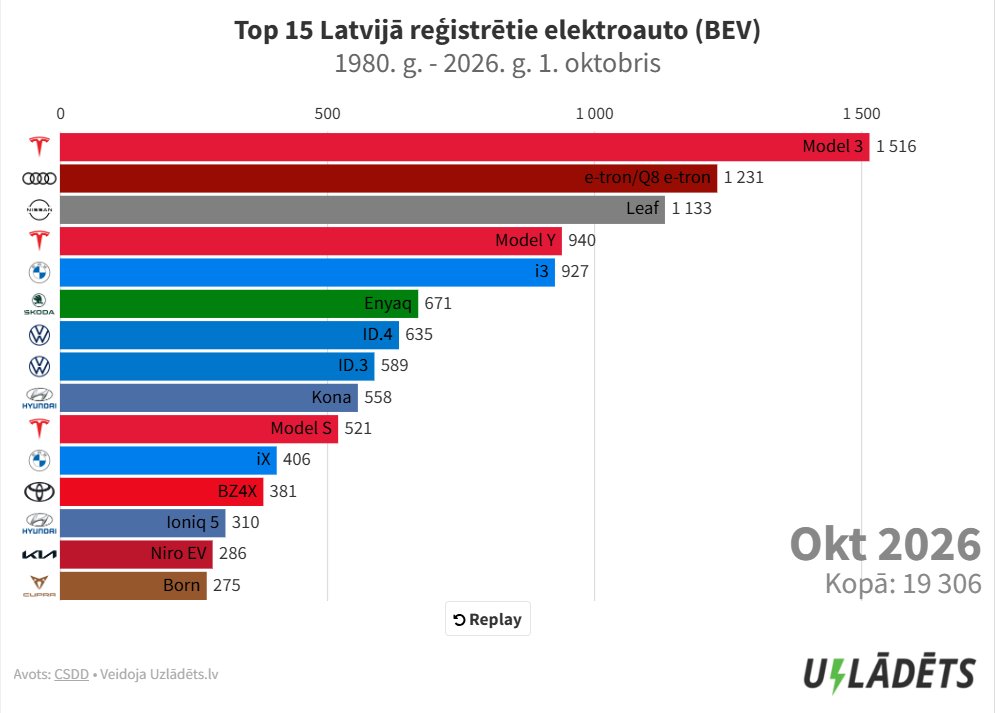
Latvijā reģistrēto elektroauto Top 15:
1) Tesla Model 3
2) Audi Q8 e-tron
3) Nissan Leaf
4) Tesla Model Y
5) BMW i3
6) Škoda Enyaq iV
7) VW ID.4
8) VW ID.3
9) Hyundai Kona
10) Tesla Model S
11) BMW iX
12) Toyota bZ4X
13) Hyundai Ioniq 5
14) Kia Niro EV
15) Cupra Born
Volkswagen elektriskais ID. Polo GTI Clubsport ir gatavs trasei — vismaz uz papīra: Svinot GTI 50. jubileju, Volkswagen prezentējis ID. Polo GTI Clubsport konceptauto. Šis pilnībā elektriskais divdurvju trases spēkrats attīsta 367 ZS jaudu… #Elektroauto#GTI#GTIClubsport
Vieglo automašīnu (M1) jauno reģistrāciju sadalījums Latvijā pēc izmantotās enerģijas 2026. gada 3. ceturksnī:
1) Benzīns 54% tirgus
2) Dīzelis 9.5%
3) Elektrība ir 15.9% (33.7% kopā ar lādējamiem iekšdedzīšiem)
4) Gāze ir 0% (2.8% kopā ar benzīna hibrīdu)
I’m in a drive-through right now. The new birds-eye view helps you better see the edge of the curb.
Also, looks how it picks up all the filled-in cracks on the road to the right.
Oh, holy shit, so now, according to Putin, the strategic road and railway bridge connecting occupied Crimea, with its military bases and Russian forces in southern Ukraine, to mainland Russia is apparently an exclusively "civilian facility" that Ukraine "had no right to destroy"!
Just like oil refineries, oil ports, data centers, and logistics hubs are all "peaceful civilian facilities," and destroying them is, apparently, "terrorism."
Well, thank God that bridges across the Dnipro in Kyiv are perfectly legitimate military targets for Russian missiles -- especially during rush hour, when they're packed with thousands of cars and buses full of people on their way to work, and Russia strikes them without the slightest regard for civilian casualties.
That's apparently "different." That's all perfectly legal.
And I suppose the apartment buildings in Ukrainian cities that the Russian military brings crashing down night after night, with sleeping families inside, are also "military targets."
So are power plants, heating systems in the middle of a record-breaking cold winter, water supplies, and sewage systems.
And the central squares of Chernihiv, Sumy, and Kharkiv, where people burned alive in their cars after Russian missile strikes.
And the children's cancer hospital in central Kyiv.
And the school serving as a humanitarian aid center in Komyshuvakha, where more than 70 people were recently killed when Russian bombs struck the shelter.
And the maternity hospital in central Mariupol.
And the passenger platform at Kramatorsk railway station, where 61 people were killed, where children had their heads blown off by a Russian missile bearing the inscription "For the Children!"
And the village of Hroza near Kharkiv, where a Russian missile strike on a cafe hosting a funeral gathering killed almost a third of the village's entire population.
Seriously -- if anyone in 2026 is still willing to swallow Putin's revolting bullshit about "peaceful civilian facilities," let alone spread it themselves, that tells you everything you need to know about their level of intelligence, conscience, and self-respect.
"The entire western automotive industry has been caught off guard by the dramatic pace of the transition to electric vehicles in China, which has crushed the sales of brands ranging from Volkswagen to Toyota and Mercedes-Benz, whose line-ups are still dominated by petrol cars."
Michael Weiss is spot on. A free and secure Europe needs a free and secure Ukraine.
This is from The Bullwark’s excellent new show, Reporter & the Spy, which has just dropped.
As they discuss, the US has long told Europe to step up, rightly so. The unreliability of US supplies, such as with patriot missiles and Starlink/Starshield, means we urgently need to for our own sake.
Meanwhile though, Ukraine is demonstrating it can develop viable alternatives that are integrated into European supply chains and will be exported across Europe.
We hear a lot about Russia’s imperial ambitions (as its so-called “security concerns”). Its attempt to erase Ukrainian sovereignty is front and centre of that attempt to restore its empire.
Conversely though, Europe has real security needs, which require helping strengthen Ukrainian sovereignty. The Ukrainians are an essential partner among all other European nations. The moral case for supporting Ukraine is clear, but we should talk even more about the strategic case.
We need them, perhaps soon more than they need us.
Follow @BulwarkOnline and hosts @michaeldweiss and @Mpolymer. Listen to the full debut episode here: https://t.co/zkFpR52Ax6
Batteries dont work they say. I would rather my taxes subsidise home battery installations to provide energy independence for Australians, and a more resilient grid, and reduce reliance on fossil fuels. yet opponents happy to keep subsidising fossil fuels, and pay more.
Renault entlässt zwar 1000 Büro-Menschen, stellt aber auch 2000 für die Produktion von Elektroautos ein. Strukturierte Elektrifizierung seit vielen Jahren, breite Modellpalette zu guten Preisen und generell schlanke Strukturen machen den Unterschied!
https://t.co/TEecJbHHh0
UKRAINE 🇺🇦 just crippled both Russian and Iranian ballistic missile supply chains with a single strike.
Ukraine struck ANOZIT in Siberia, russia’s ONLY producer of solid rocket fuel oxidizer. They are also believed to supply the Iranian ballistic missile production.