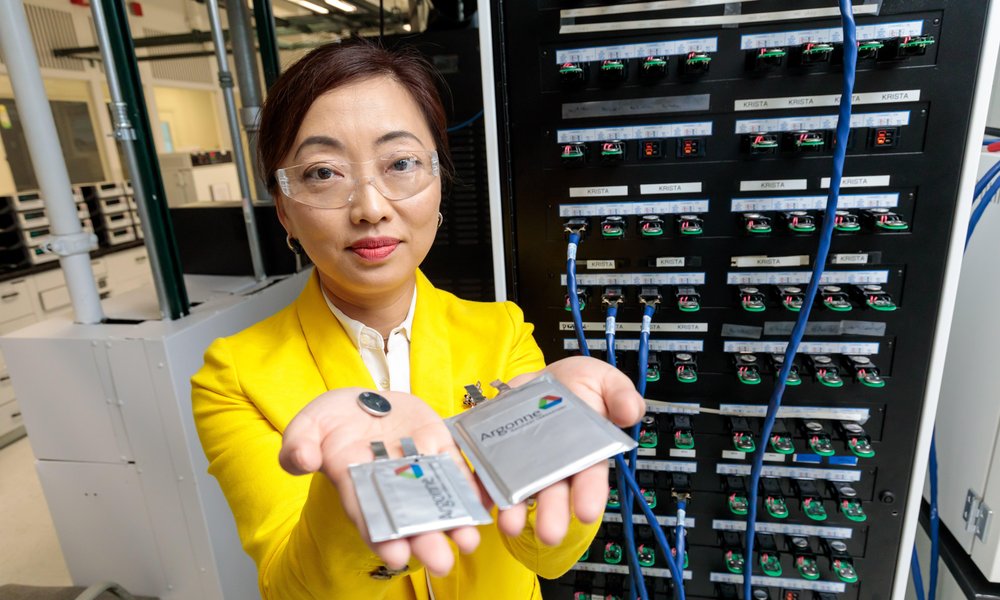
"The biggest obstacle in making a green battery isn’t technological. It's changing the mindsets of companies and consumers, who largely treat batteries as disposable commodities that can be thrown in the dustbin," @YingShirleyMeng.
https://t.co/0IIlfyJFFm
I enjoyed this conversation with Katherine Wright about workforce development supporting new and growing #electrochemistry industries.
We're looking forward to graduating our 100th MS electrochemist by the end of 2025!
7 astrophysical tau neutrinos found with @uw_icecube.
“We can’t say with absolute certainty that we have found tau neutrinos,” says Doug Cowen, @penn_state. “But the 7 signals have all the characteristics we expect for these particles.”
https://t.co/gw5RUBckp6
This year marks the 5th anniversary of the release of the first image of a black hole (M87*). The team that produced the image @ehtelescope recently released a 2nd image of M78*. The collaboration now expects to issue increasingly frequent updates.
https://t.co/tfzEGNFvxR
What do you think it was coming from?
A truck.
As in, a hyperspeed alien truck?
No, it was an ordinary truck, like a normal truck driving past a seismometer... all they did was find a truck.
No holding back on the punches here.
https://t.co/zMM7GRjhNl
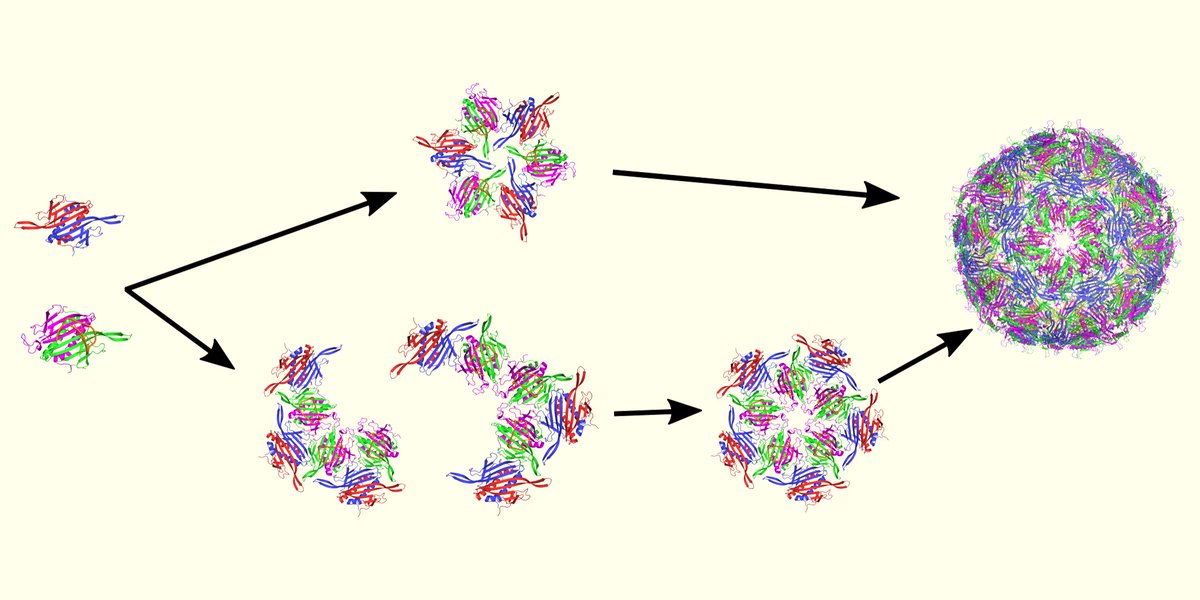
A newly uncovered mechanism for the assembly of viral protein shells could help scientists develop antiviral treatments and drug-delivery systems https://t.co/GmT28Wtfp1
A @PhysicsMagazine editor has been seen in the wild (@KatRWright visiting @PPPLab for the opening of the Quantum Diamond Lab). Credit: Michael Livingston, PPPL.
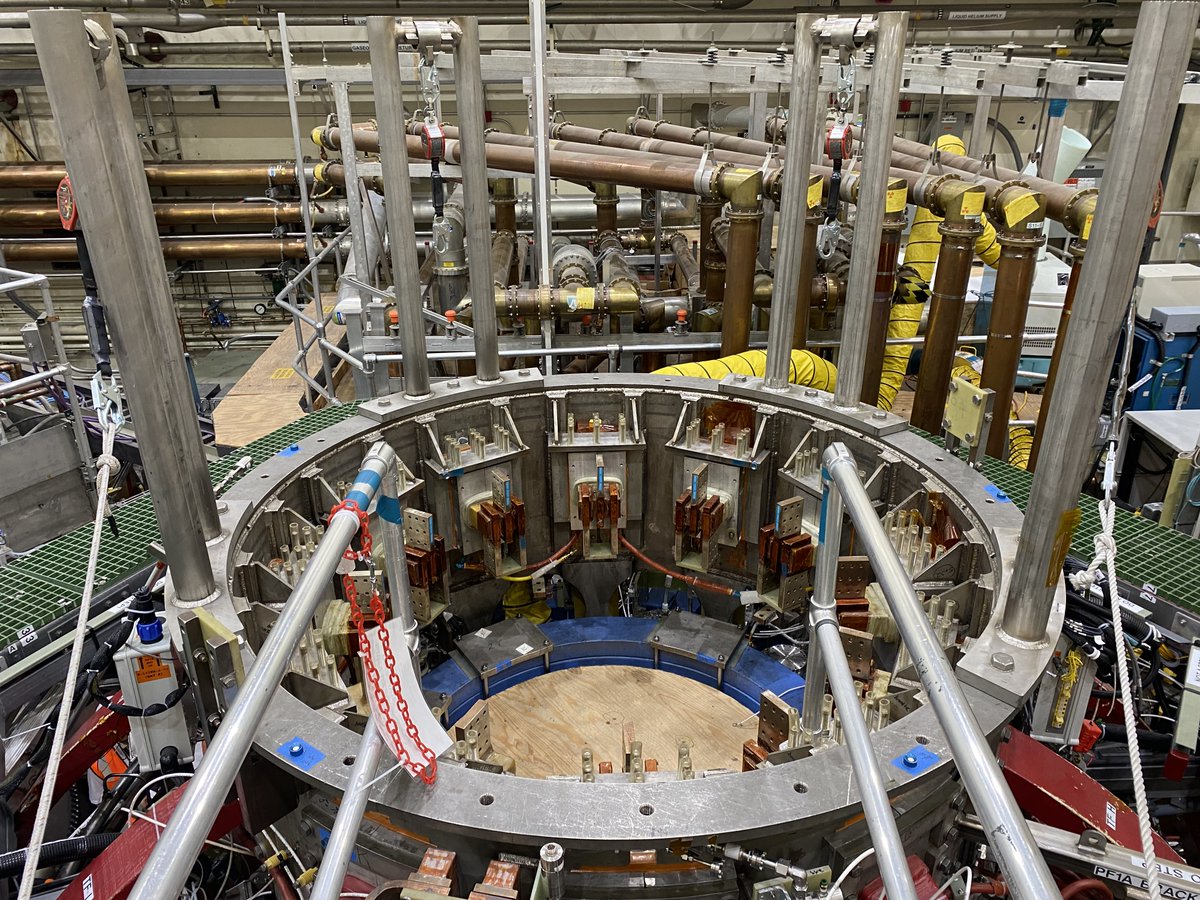
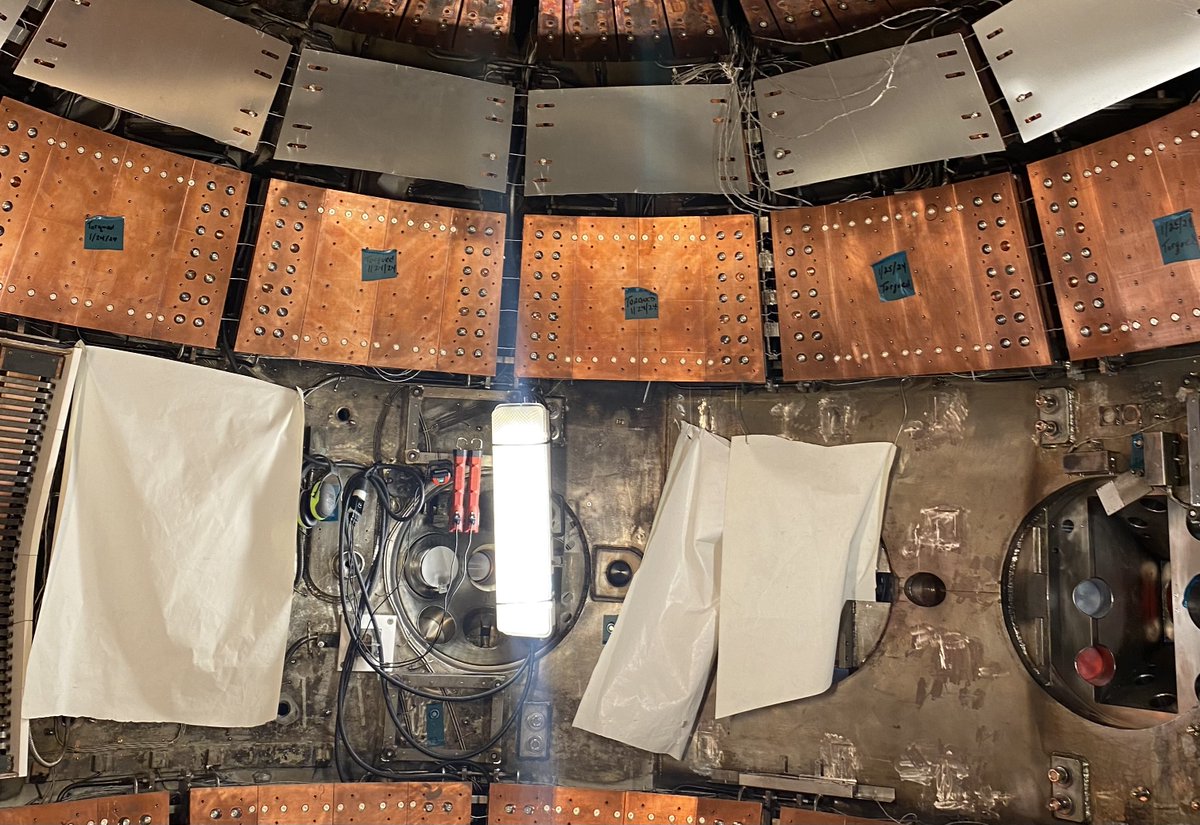
A rare lab visit 4 me. I attended the opening of @PPPLab's new Quantum Diamond Lab, where researchers will grow diamonds for quantum applications. I also toured the magnetic confinement fusion reactor. Reactor smaller than I expected, equipment need to operate it, much bigger.
One year ago today, Ranga Dias published an extraordinary claim: a room temperature superconductor at moderate pressure. The paper was retracted, amid allegations of scientific misconduct.
For Nature’s news team, I investigated how it all transpired. https://t.co/6JXKvWqZea
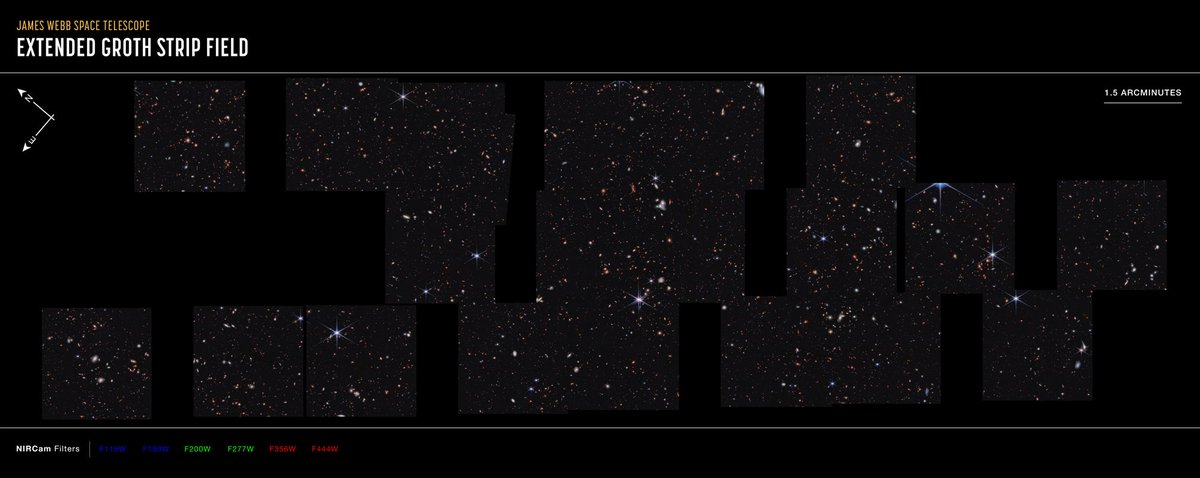
JWST images reveal startling numbers of bright galaxies in the very early universe. They were lighting up like corn popping -- pop pop, galaxies popping into view.
How did that happen? Cosmologists are puzzling over it.
https://t.co/hPMlbLmwEN
My first book review and a first story for @PhysicsWorld. It was fun to be able to put my opinion in for a change. (No idea if it will be in the print version, but if it is and you get a copy, please could I have it when you are done--asking for my Mum!)
https://t.co/CUZe6vC8PS
While undergraduate physics students that identify as neurodivergent report little outright discrimination or violence, they do say that structural ableism has negatively impacted their time as students. Study from researchers @RutgersU@OhioState. https://t.co/qeu6AHLsDZ
March Meeting is fast approaching and I will be there all week looking for exciting physics stories *and* I will have the privilege of speaking on a panel about science communication and journalism. Please find me to say hi, offer a tip, or ask a question https://t.co/6fzY0QDnd1
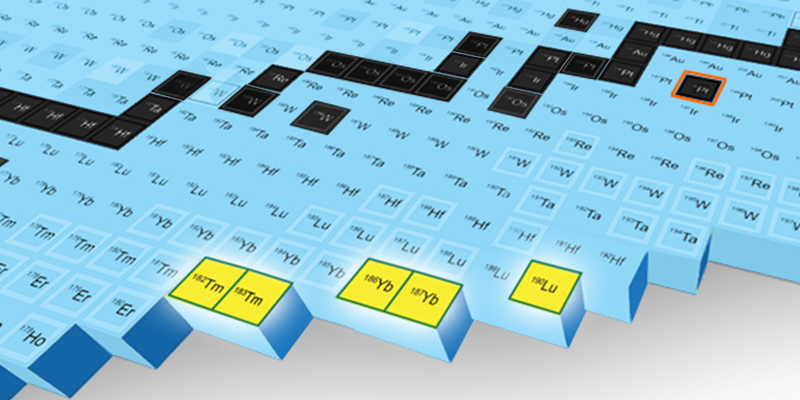
Less than a year after its opening, the Facility for Rare Isotope Beams @FRIBlab@doescience@michiganstateu produced five never-before-seen isotopes, a success that researchers say highlights the discovery potential of the facility. Story by @KatRWright.
https://t.co/r2CaPpEEMJ
Researchers keep finding bright galaxies in early-Universe data from @NASAWebb @JWSTObservations. Explaining this puzzle will likely revolutionize understanding of the first galaxies. Story by @KatRWright.
https://t.co/scXfMCUeVN