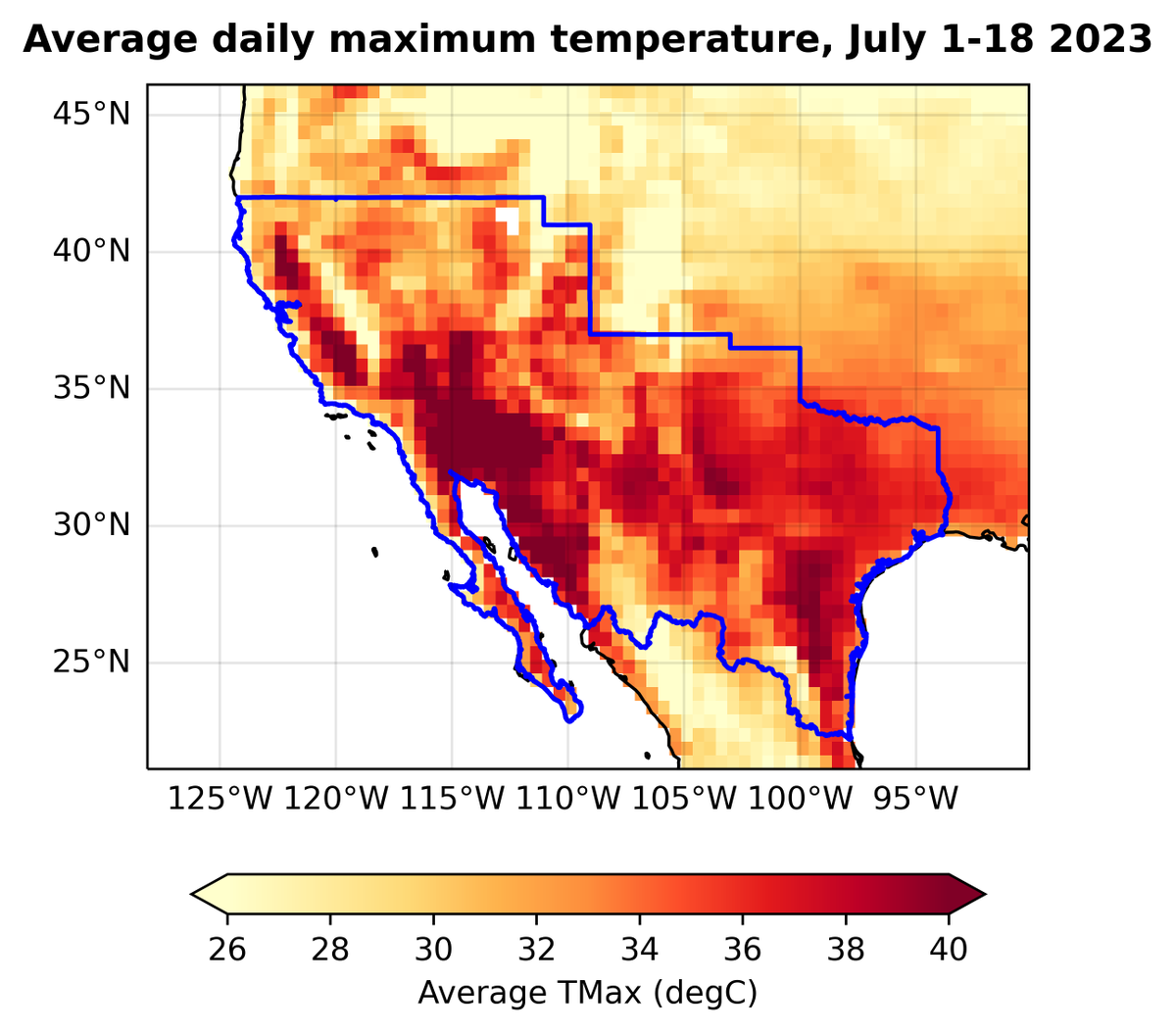
It's going to be incredibly hot this week, and everyone's been talking a lot about the risks of extreme heat - but one thing that I haven't heard discussed so much is my ✨️specialist subject✨️ of wildfire 🔥🔥🔥
A huge #wildfire is burning near #Athens, #Greece🔥
As @KeepingTheo of @centrewildfires explains, persistent heat driven by #ClimateChange dries out plants, creating tinderbox conditions "where a single ignition, regardless of its source, can lead to a huge wildfire.”
Doesn't then help that the usual suspects have then used this as evidence of some kind of conspiracy. Dont think Brown is a shill, reckon he made a good point and made some mistakes in his comms when things got spicy
.. are simply more interesting. Surely a robust accounting of changing risk over time with human land-use and behaviour change would also be a huge publication - it's just even harder to do well!
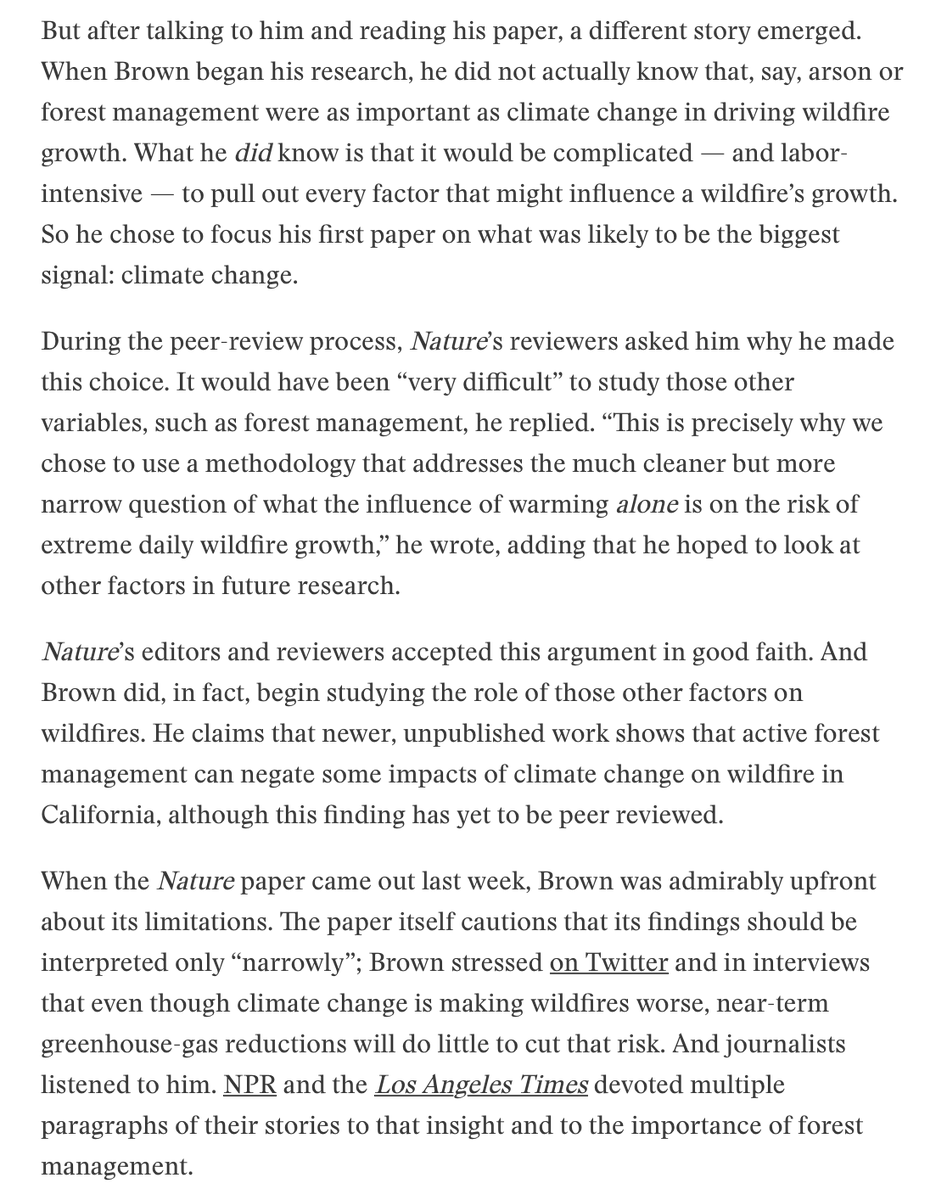
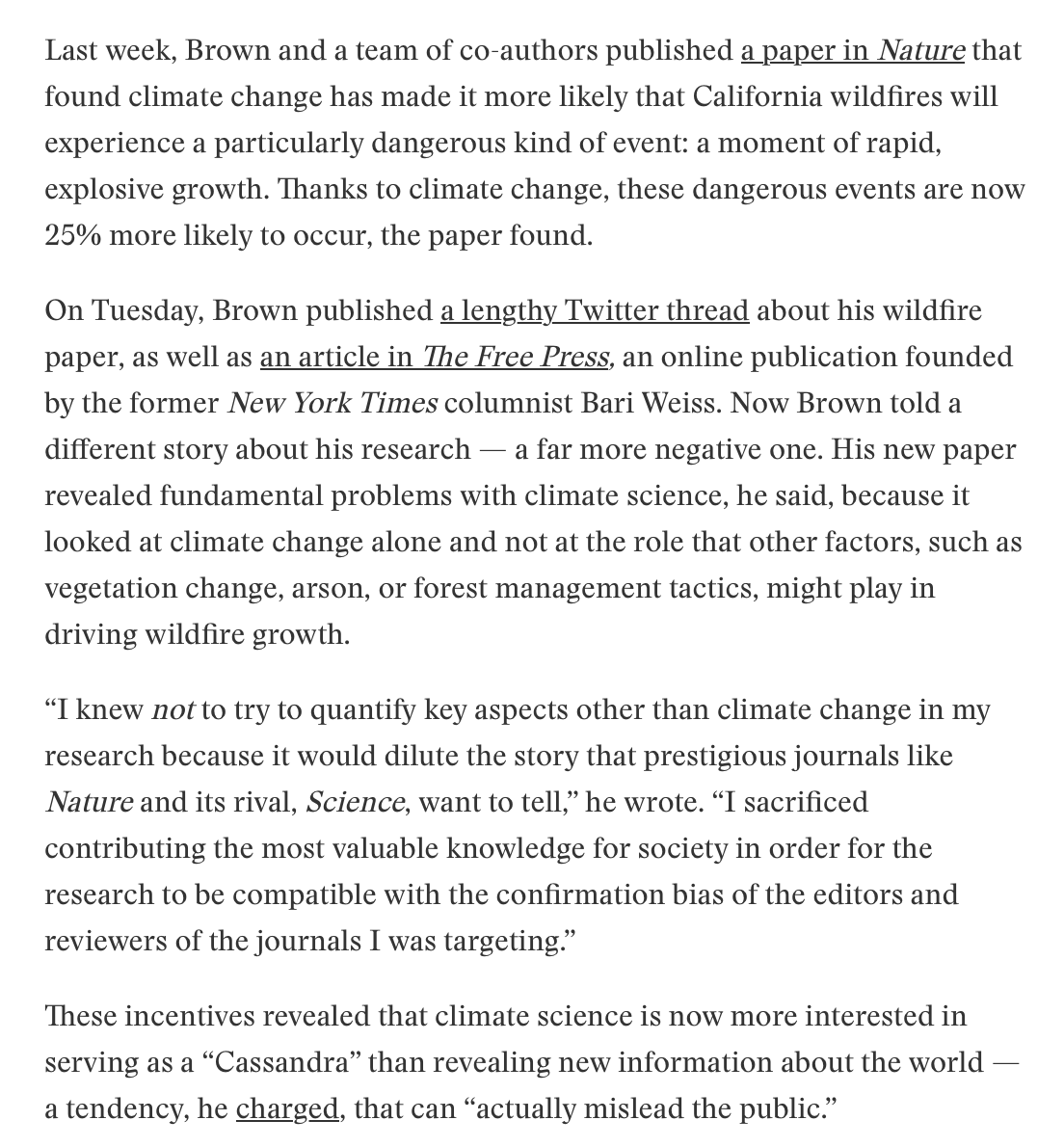
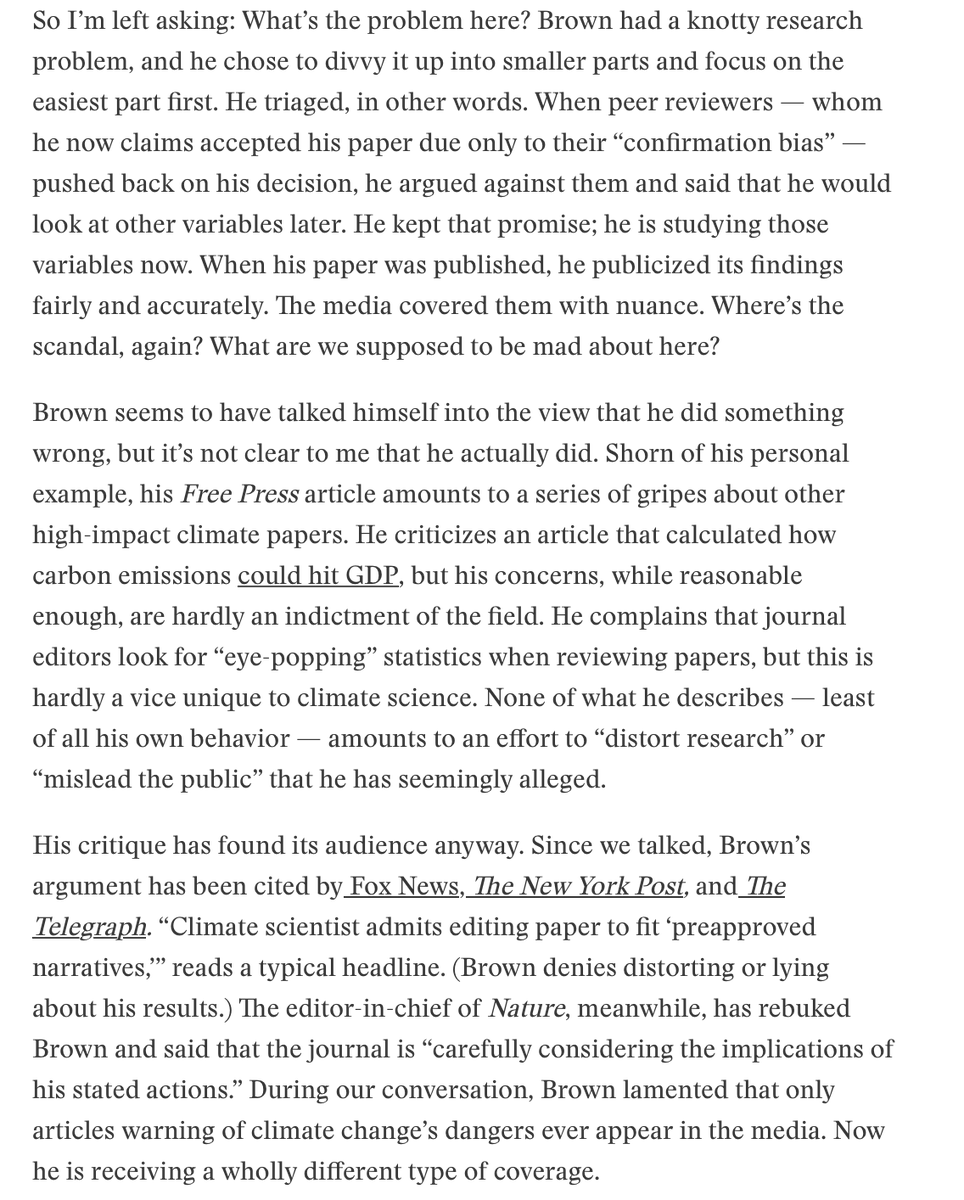
I spent a long time interviewing @PatrickTBrown31, the climate scientist who claims that he “left out the full truth” to get published in Nature.
He did not actually do this, though. The real story is one of the most dumbfounding series of events I have ever seen in science.
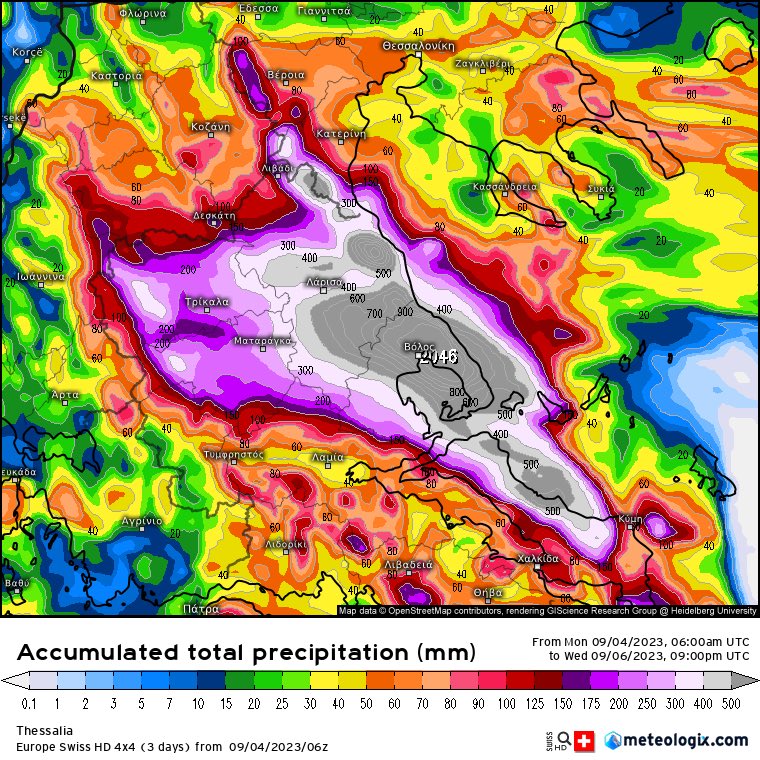
Absolutely unreal. Latest ECMWF based Swiss 4x4 km HD model run remains off the charts with forecast rainfall across Thessaly, Greece over the next 48 hours. +2,000 mm in 48 hours is highly unlikely to occur but it shows the extreme rainfall potential of this event.
I can't recall seeing rainfall forecasts this extreme in Europe.
Worked on this rapid attribution study for the wildfires we saw in East Canada this June. Give it a read - link to the study is at the bottom of this thread!
Climate change made the hot, dry and windy conditions that drove the wildfires in Québec, Canada between May and July at least two times more likely.
Our study also found that climate change made the weather conditions about 20-50% more intense.
📷Genevieve Pirier, @SOPFEU
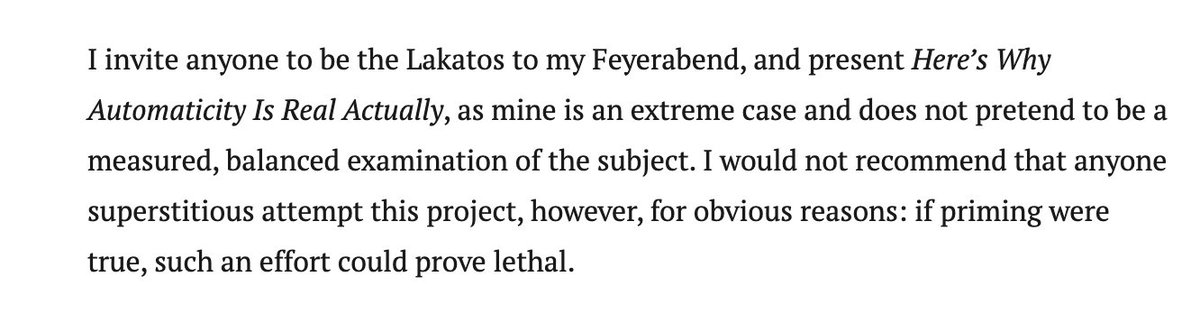
I wrote a (for me) brief explanation of why I think the placebo effect, priming, nudge, ego depletion, social contagion, most "cognitive biases," and "behavioral" anything are fake https://t.co/Dgr4wpDiWz
@HelenJackson0 There's this cool counterfactual study by a colleague on CO2 fertilisation and wildfire, but don't know of any attribution studies explicitly for the present day: https://t.co/SpjK1fd7D1
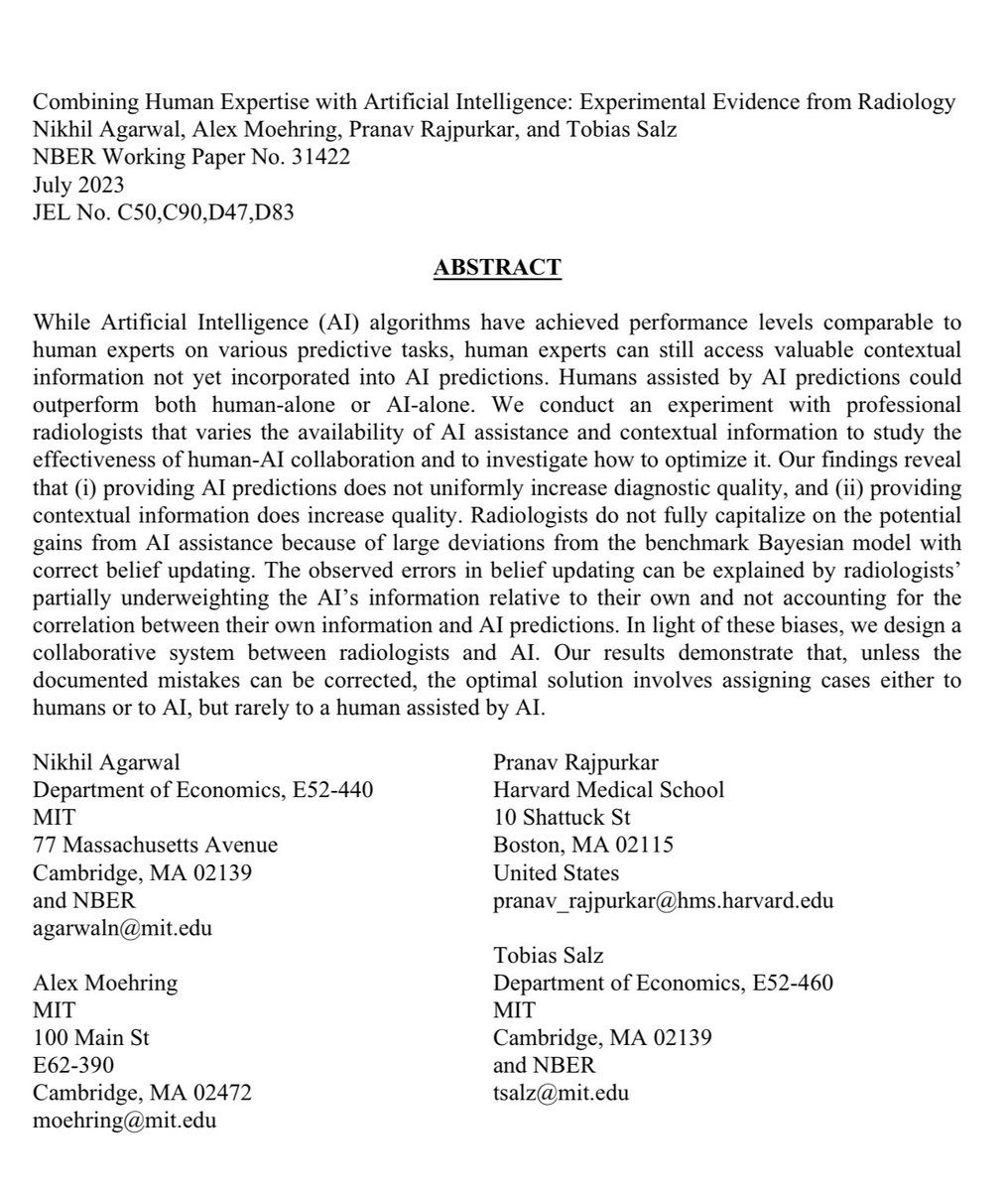
Obviously cool that AI is better than 60-70% of radiologists at this, but I'm not sure that this is bad...
Like who would really change their mind if someone who's credentials were being a bit better than average gave their prediction and then likely didn't explain any further?
In this study, AI was more accurate than two thirds of radiologists, yet when radiologists had AI help their diagnoses did not improve. Why?
Humans ignored the AI’s advice when it conflicted with their views. A big barrier to future human-AI collaboration https://t.co/W0aiowkvjg
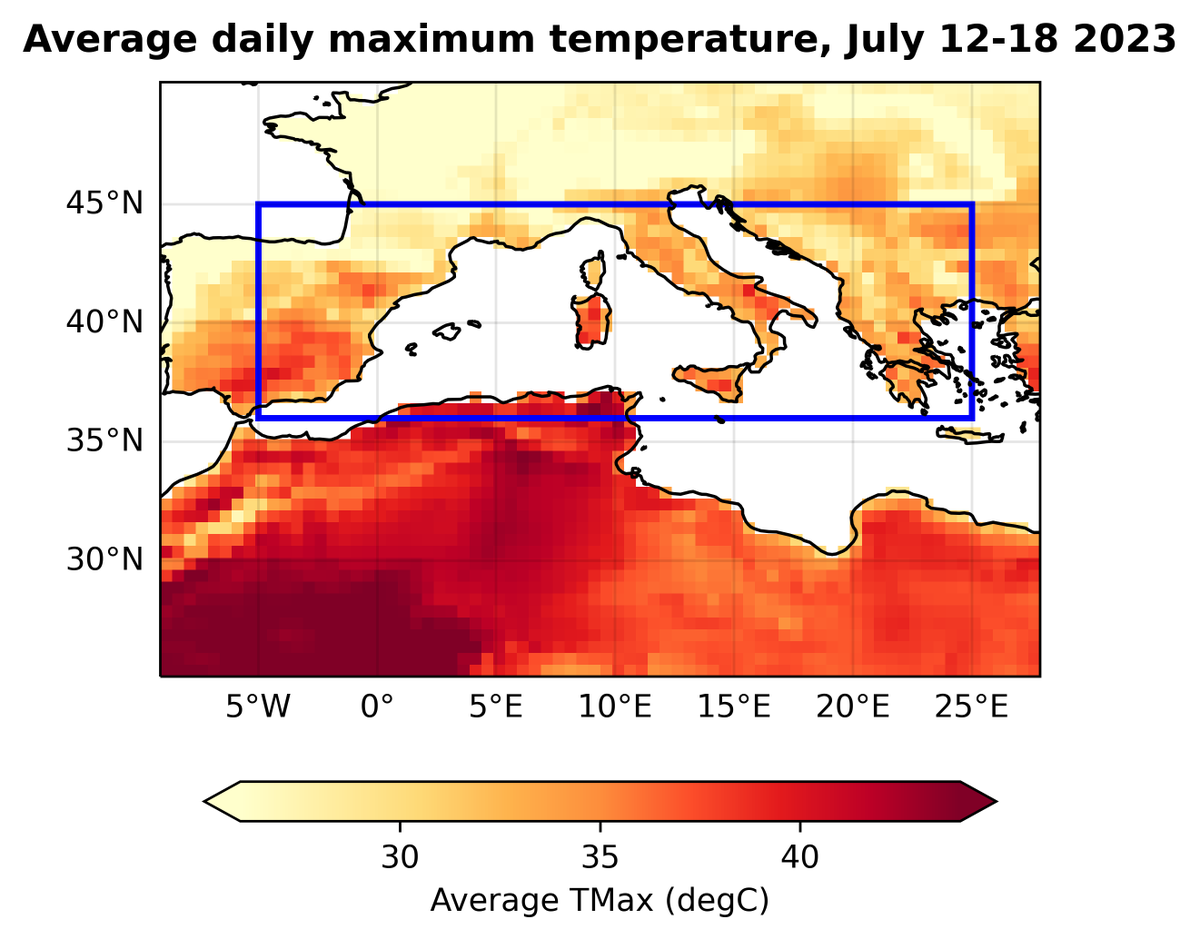
This month’s heatwaves in regions of southern Europe and North America would have been virtually impossible in a world without human-caused climate change.
Our study found that climate change made the European heatwave 2.5°C hotter, and the North American heatwave 2°C hotter.🧵
Today might have seen the biggest physics discovery of my lifetime. I don't think people fully grasp the implications of an ambient temperature / pressure superconductor. Here's how it could totally change our lives.
Global #wildfires in 2022 generated around 1,455 Mt of carbon emissions. Europe and S America saw the highest emissions in the last 20 years and France & Spain were the worst affected European countries.
#CopernicusAtmosphere wildfire monitoring page: https://t.co/oP8i2F0HmQ
Exceptional warmth is surging into Europe to end 2022. What a year of extremes it has been and it is going out with a bang.
Likely hitting +20°C in Southern Germany with overnight lows in the widely in the mid-teens. Bonkers for this time of the year.