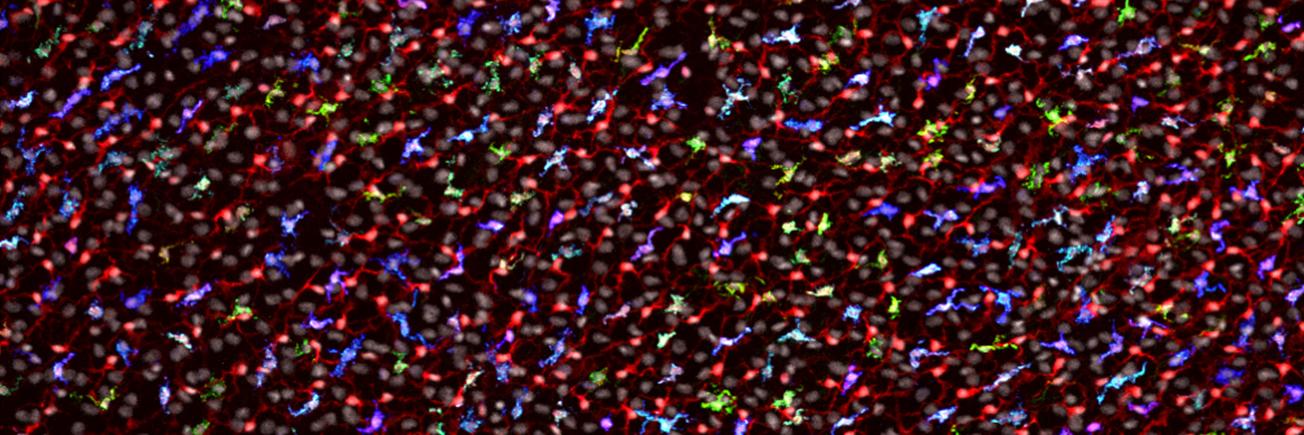
We are excited to share our new publication in the @JExpMed . Dr. Jiseon Kim, who has been conducting over the past four years, led this study in collaboration with @jkyeom. I would like to sincerely thank Jiseon and co-authors for their contributions.
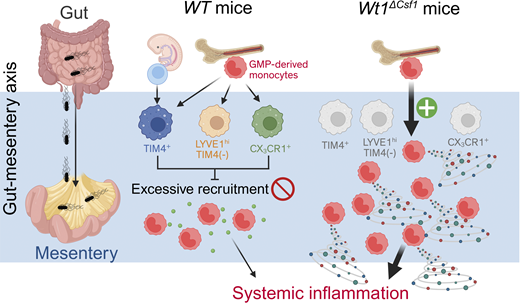
New study from Jiseon Kim, Jinki Yeom, Ki-Wook Kim et al. found that mesenteric #macrophage-#monocyte interactions control the magnitude of gut-mesentery #inflammation and its progression to systemic infection following enteric pathogen infection. https://t.co/DYzDAfzAqB
We are excited to share our new publication in the @JExpMed . Dr. Jiseon Kim, who has been conducting over the past four years, led this study in collaboration with @jkyeom. I would like to sincerely thank Jiseon and co-authors for their contributions.
New study from Jiseon Kim, Jinki Yeom, Ki-Wook Kim et al. found that mesenteric #macrophage-#monocyte interactions control the magnitude of gut-mesentery #inflammation and its progression to systemic infection following enteric pathogen infection. https://t.co/DYzDAfzAqB
6. Il1r1 ko and anti-IL-1R Ab treatment improve survival following STm infection, indicating the dysregulated IL-1b signaling from activated monocytes drives increased mortality.
5. Depletion of mesentery-resident macrophages accelerates mortality and exacebates systemic STm infection, accompanied by excessive recruitment of activated monocytes with hightened expression of inflammatory cytokines.
4. During STm infection, activated monocytes are sustantially recruited to mesentery. Although monocytes serve as major cellular sources of inflammatory cytokines, they are not involved in neutrohil efferocytosis.
3. During STm infection, mesentery-resident macrophages become activated, and monocyte-derived MFs (Mo-MFs) and neutrophils are recruited to mesentery prior to systemic dissemination of STm. Excessively recruited neutrophils are cleared by CX3CR1+ MFs, but not by other MFs.
2. Using Ccr2ko, Cx3cr1- and Ms4a3-mediated fate mapping models, we demonstrated LYVE1hi TIM4(-) and LYVE1lo/- CX3CR1+ MFs are replenished by GMP-derived monocytes, whereas LYVE1hi TIM4(+) MFs originate from CX3CR1+ embryonic precursors.
1. We indentified three distinct mesentery-resident MFs: LYVE1hi TIM4(+), LYVE1hi TIM4(-), and LYVE1lo/- CX3CR1+ populations. Notably, MHC II epxression in CX3CR1+ and LYVE1hi TIM4(-) MFs was reduced under GF condition, implying they are influenced by commensal-derived signals.
During enteric bacterial infection, mesentery-resident macrophages act as a regulatory hub that controls the recruitment of inflammatory monocytes with elevated pro-inflammatory cytokine expression @JExpMed@KiwookKimLab@uiccom 🇺🇸🇰🇷
https://t.co/aPQ4edOWWS
NF-κB-activated fibroblasts orchestrate inflammaging and emergence of pro-inflammatory granzyme K+ T cells: Immunity https://t.co/ZAqaPnHWMr
Excited to present Nancy's postoctoral work @ucsfaging@immunox defining the role of aging fibroblasts in driving inflammaging.
Excited to share- Building on our work defining TRMacs heterogeneity, we show that distinct chemokine+ IM subsets and recruited TAM niches shape pro- and anti-tumor immunity within to the TME, while Ag+ moDCs trafficking to LNs dampen DC-based neoAg vac
https://t.co/iYpHv6O1S4
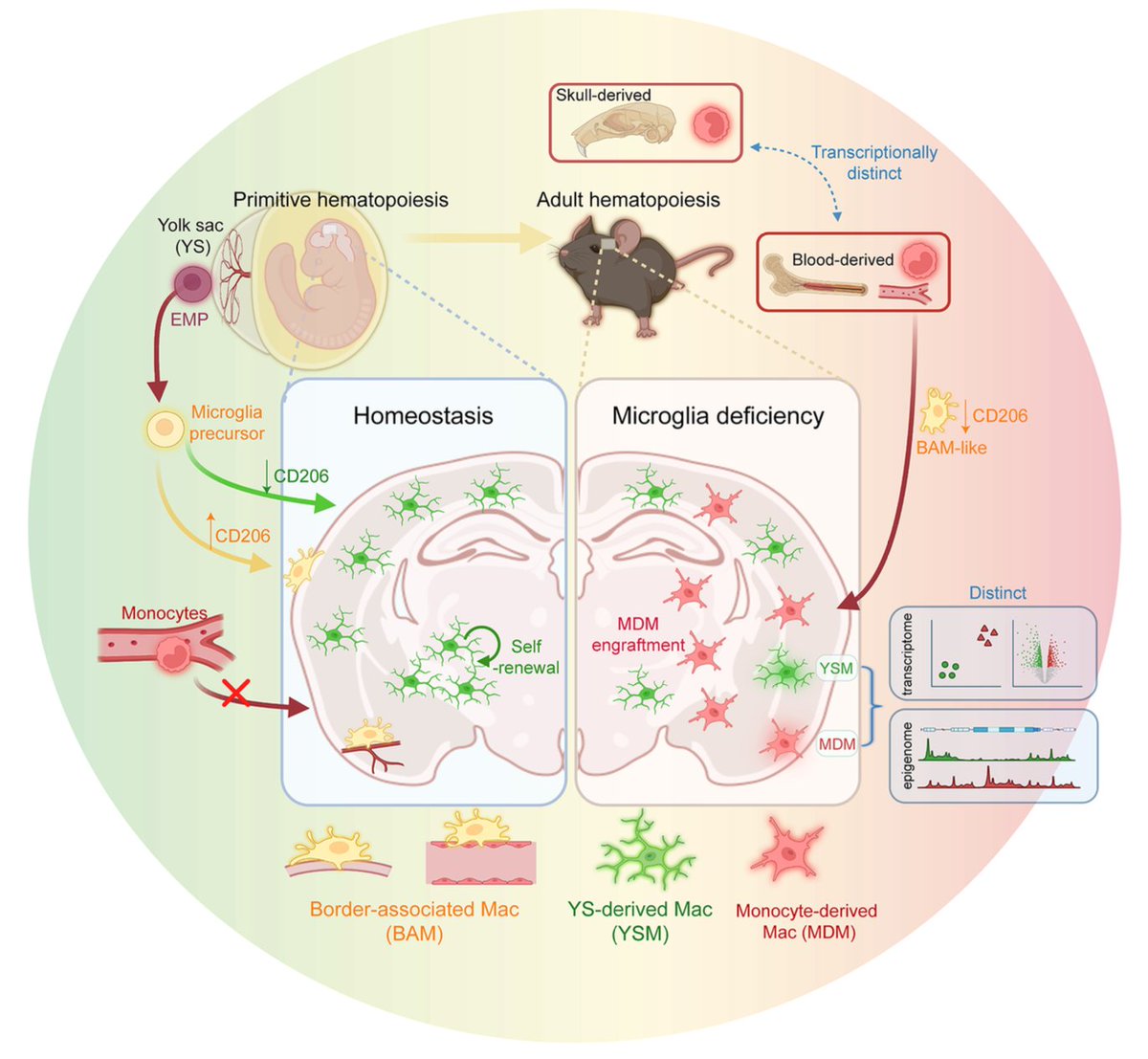
🧵Excited to share my thesis work out today in @NeuroCellPress from @kipnislab and @TheColonnaLab: "Brain-Engrafted Monocyte-derived Macrophages from Blood and Skull-Bone Marrow Exhibit Distinct Properties." 🧠🦴
https://t.co/fNSgDgn6i8
It was my first time @AAAAI_org , which was fantastic meeting in learning microbiome-allergen axis. Thank you, Igor Broadsky and Beatriz Leon, for your wonderful monocyte and macrophage talks!