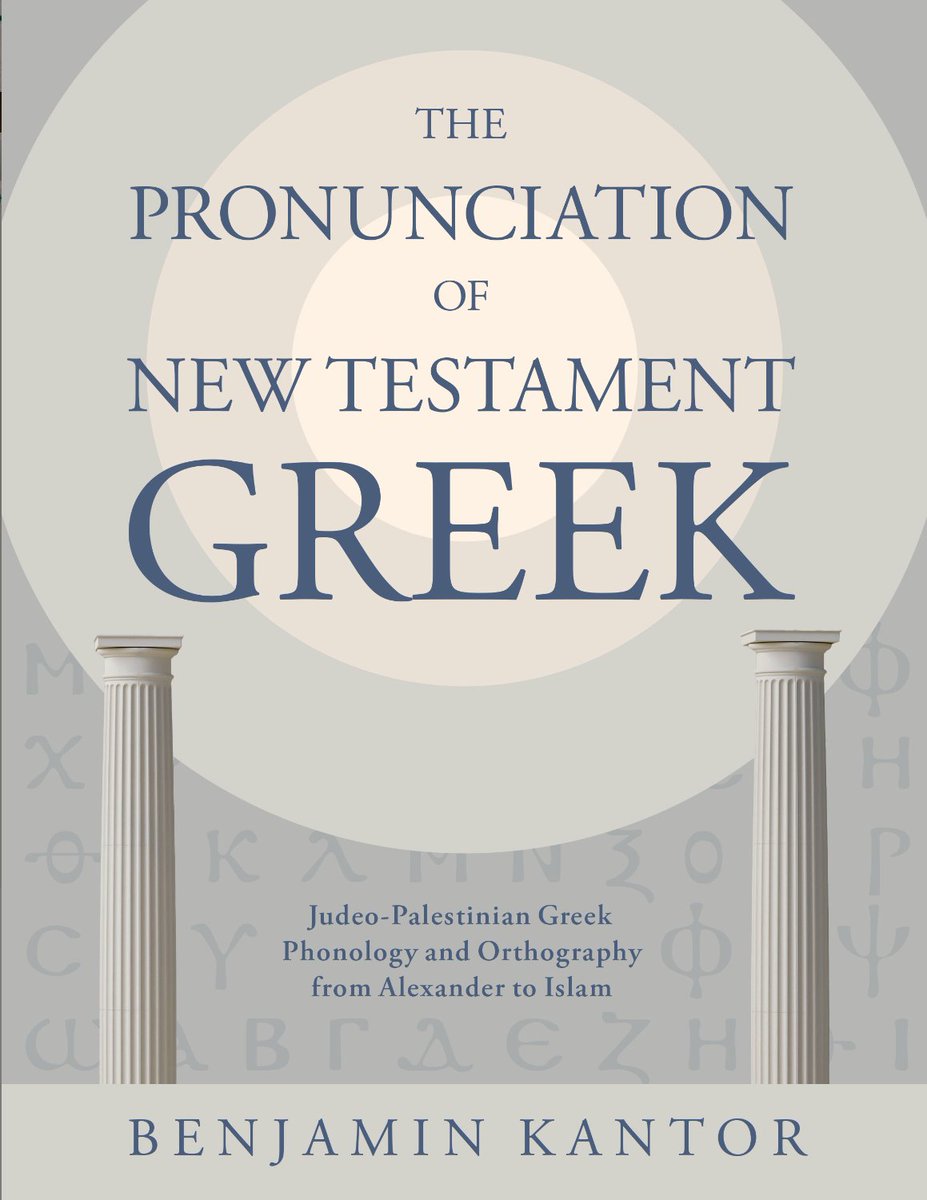
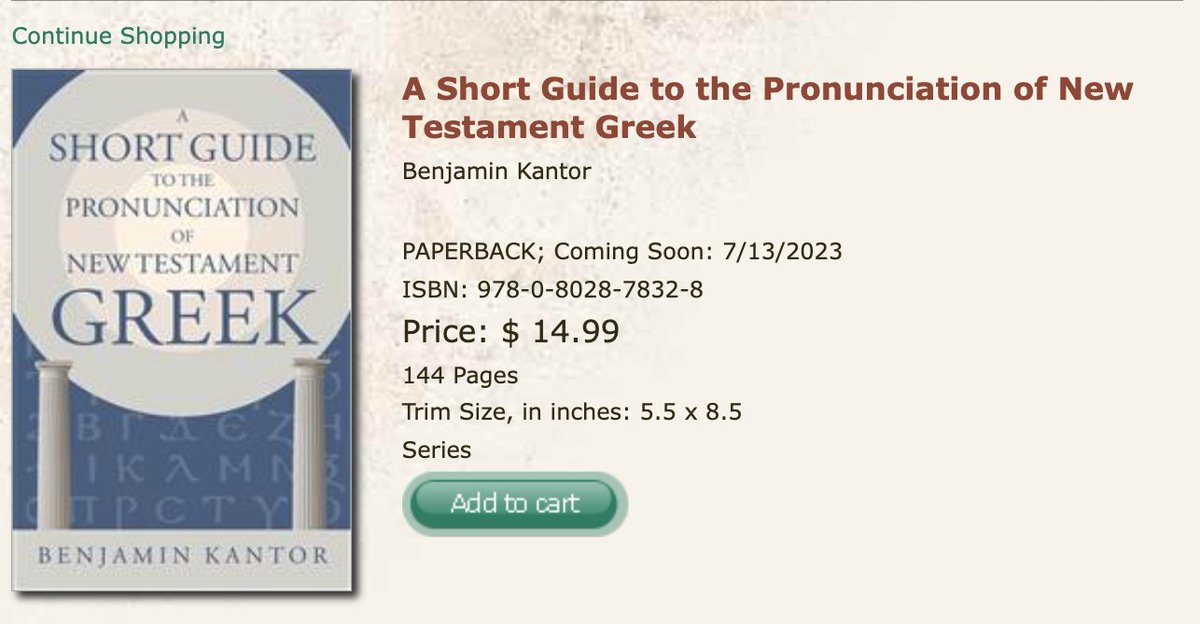
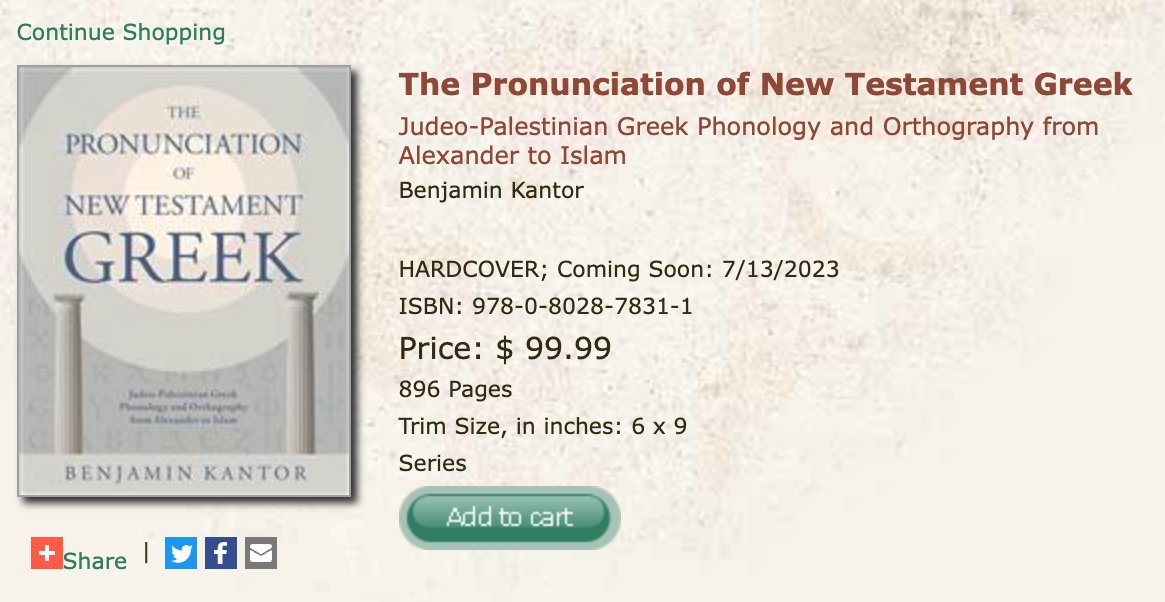
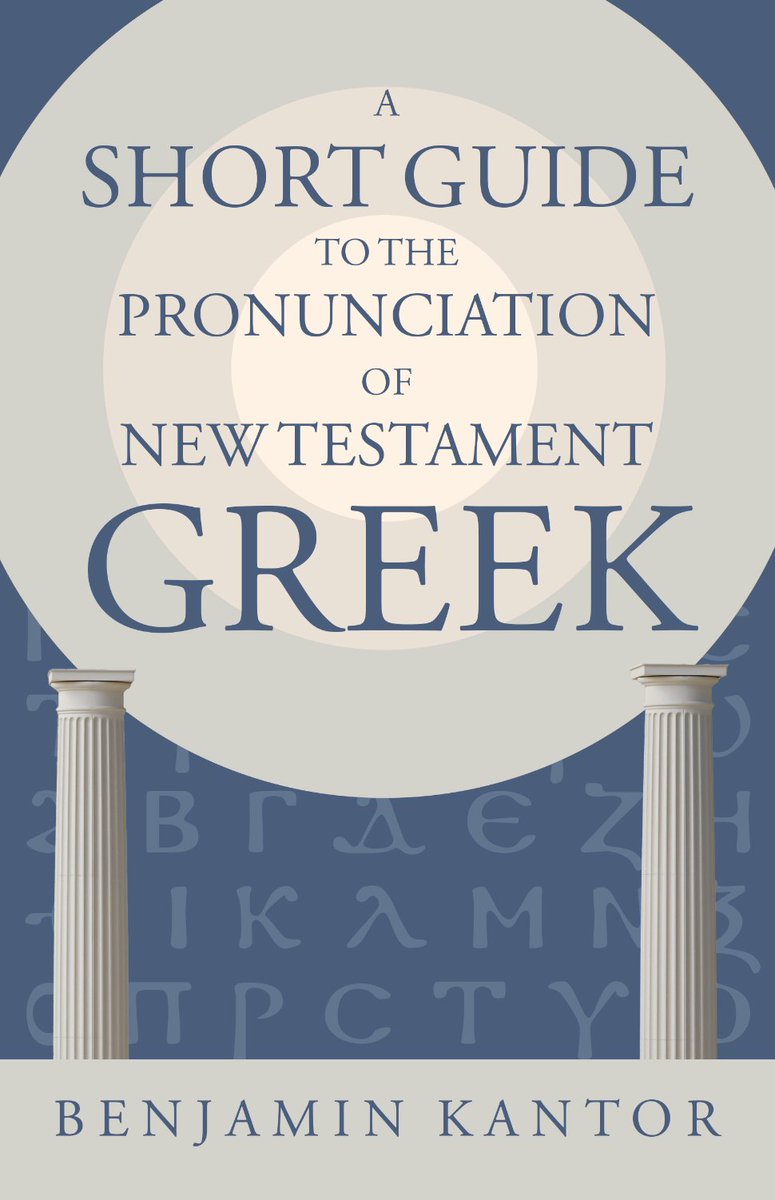
After years of research and work, documenting spelling variants in ≈4500 inscriptions & papyri, I'm excited to see these two books coming!
https://t.co/xE5KDbKpu2
Big one is about 900 pages so you get ALL data & analysis
Short one is 144 pages for a concise pedagogical guide
AUDIO of Chapters 6 and 7 of the Acts of the Apostles (according to the Byzantine Textform) in a historical Koine Greek pronunciation is now uploaded to https://t.co/roGNvkzYuM
AUDIO of Chapter 5 of the Acts of the Apostles (according to the Byzantine Textform) in a historical Koine Greek pronunciation is now uploaded to https://t.co/roGNvkAwkk
AUDIO of Chapters 3 and 4 of the Acts of the Apostles (according to the Byzantine Textform) in a historical Koine Greek pronunciation are now uploaded to https://t.co/roGNvkzYuM
“The Forerunners and Heirs of Origen’s Hexapla” has been published! It is available in Open Access.
I’m grateful to collaborate with brilliant contributors in this cross disciplinary endeavor.
I have more to say about this volume at a later date.
https://t.co/xaV0nmWjO4
My NEW BOOK on the language ideology of the medieval Hebrew and Arabic grammarians is out!
It is open-access so you can DOWNLOAD FREE here:
https://t.co/WWn06fplhV
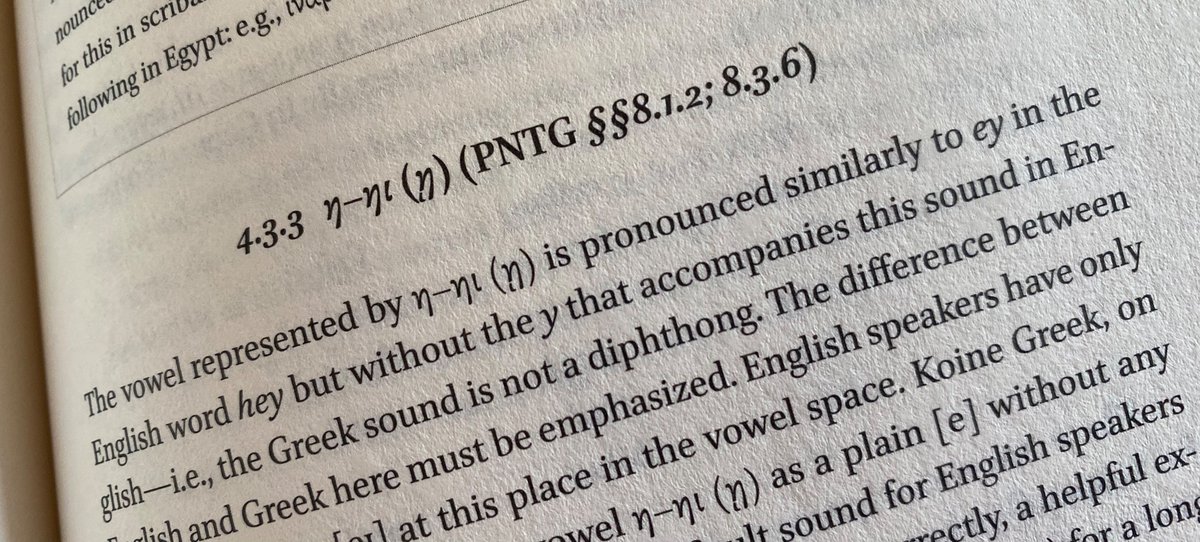
@levihmoore @nemessmer @biblingoapp No worries at all :) In any case, this whole discussion does touch on an interesting point in terms of describing sounds without audio examples and how much we can expect of beginning language learners. There are definitely pros and cons to every approach.
@levihmoore @nemessmer @biblingoapp I did do my best, alongside the IPA transcriptions, to use more "colloquial" non-IPA explanations of each sound in the Short Guide (comparing it to English or even Spanish sounds) to the degree that you can do so without being inaccurate.
for example:
Sometimes you *can* judge a book by its cover.
If you look closely, the broad findings and conclusions of my new book (https://t.co/D2nEG30lhn) are actually all visible on the graphic of the cover:
Fun fact: It isn't just "Forthcoming" any more. It's in print! You can read it.
The pronunciation of New Testament Greek https://t.co/WzT2Y4wJWR via @KGLinguistics
My new open access book on the relationship between the various reading traditions of Biblical Hebrew is now out ...
DOWNLOAD FREE HERE:
https://t.co/D2nEG30lhn
@cjfresch Also quite cool here is the note in LXX manuscript(s), possibly from a patristic source:
το κατεφιλησεν αυτον οπερ εστιν εβραιστι ουεσσακη εν παντι εβραικω βιβλιω περιεστικται
'he kissed him', which in Hebrew is uessakē, in every Hebrew book/scroll is dotted-all-around
New podcast: Pronunciation of New Testament Greek with Ben Kantor (@KoineGreekcom & @BibHebrew)
🔊 Listen on your favorite podcast app!
👀 Watch here: https://t.co/TGAzMl0FqC