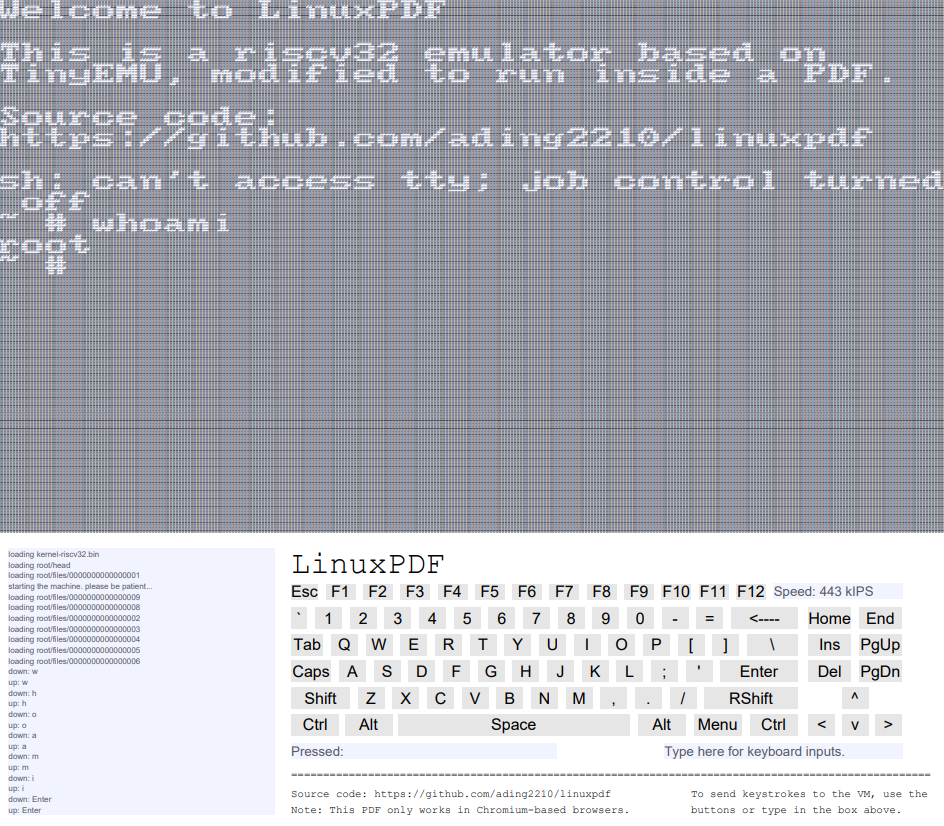
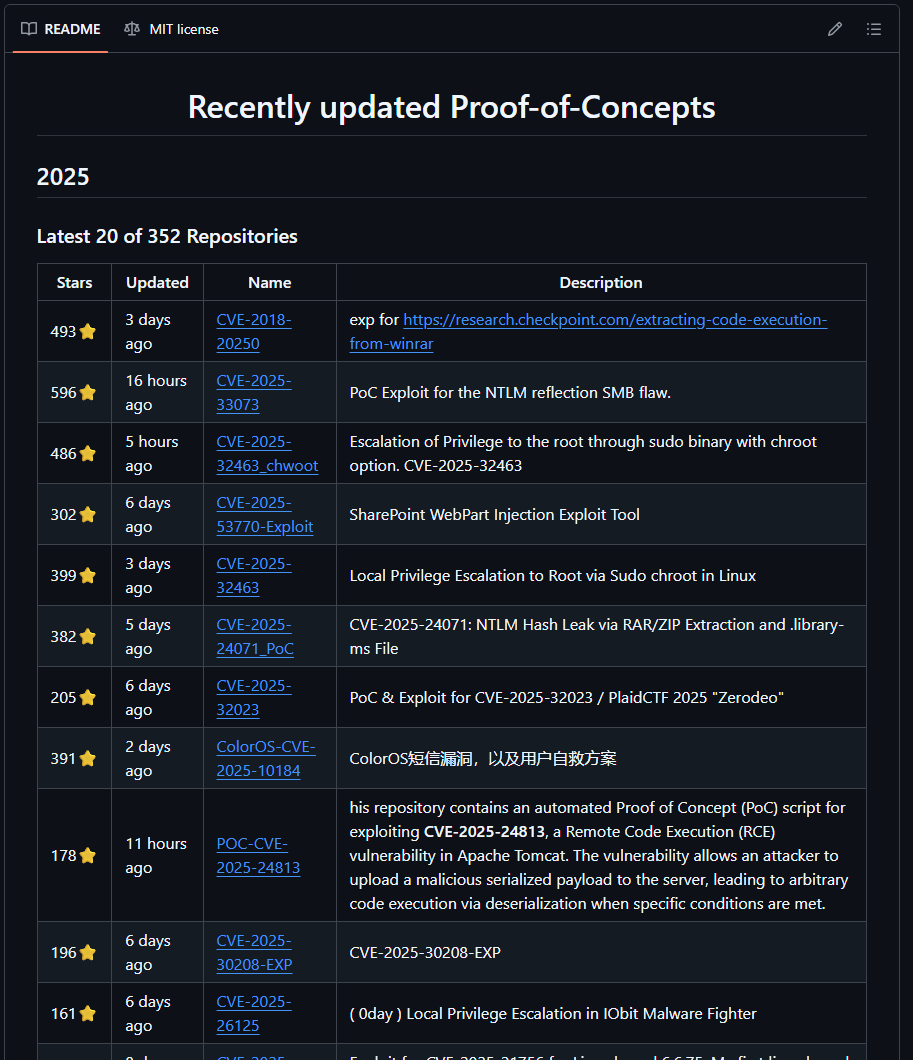
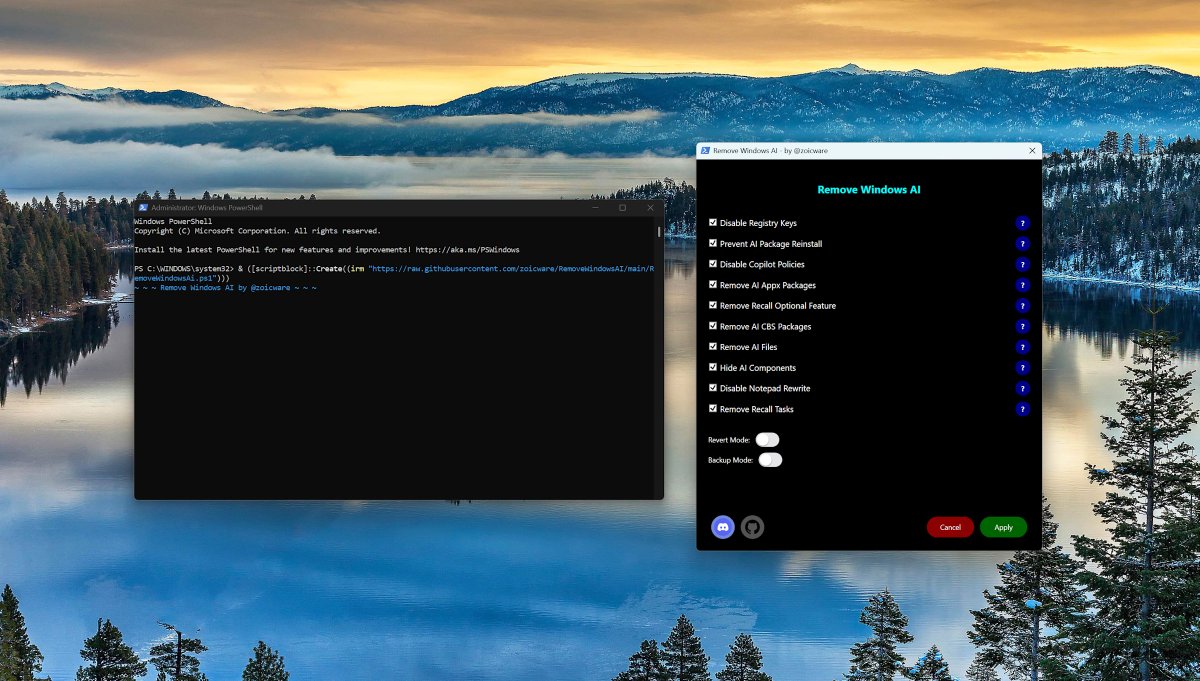
💥 Introducing "Dirty Frag"
A universal Linux LPE chaining two vulns in xfrm-ESP and RxRPC. A successor class to Dirty Pipe & Copy Fail.
No race, no panic on failure, fully deterministic. ~9 years latent.
Ubuntu / RHEL / Fedora / openSUSE / CentOS / AlmaLinux, and more.
Even if you've applied the "Copy Fail" mitigation, your Linux is still vulnerable to "Dirty Frag". Apply the Dirty Frag mitigation.
Details:
https://t.co/9nqku4svkY
One guy. One Navy ship. One file. 1 trillion databases.
He built it alone in 2000. And gave it away forever. 🤯
Meet D. Richard Hipp 🇺🇸
> American developer. Born 1961 in North Carolina.
> In 2000, working as a contractor on a US Navy destroyer.
> Got frustrated with bulky databases that needed servers and setup.
> Built SQLite in his spare time ~ a single-file database engine.
> No server. No installation. No configuration. Just one file.
> 25 years later, every iPhone, Android, Mac, and Windows PC runs SQLite.
> Powers Chrome, Firefox, Safari, WhatsApp, iMessage, Skype.
> Runs inside Tesla cars and commercial airplanes. 🚀
> Over 1 trillion SQLite databases active worldwide today.
> Put the entire codebase in the public domain. Zero royalties forever.
> Trillion-dollar companies use his code. He's never charged a cent.
> Still maintains it full-time with a tiny team of 3.
> Pledged free support and updates until at least 2050.
> No VC money. No acquisitions. No spotlight. Just code.
Every app on your phone runs his invisible masterpiece.
Most engineers build for fame. He built for forever.
Database GOAT. 🐐
Your brain has a circuit that doesn't know you live in a city. Its only job is to monitor whether birds are still singing. Right now, in this room, it is on.
The circuit predates primates. Mammals have been using ambient soundscape continuity as a predator-detection system for roughly 200 million years. Birds stop singing when something larger moves through their territory. For most of mammalian history, a forest full of song meant no large predator was nearby, and the cessation of sound was the warning. Your nervous system never updated this software.
The Max Planck Institute tested the inverse in 2022 with 295 participants. Six minutes of birdsong dropped anxiety with a medium effect size. Six minutes of traffic noise raised depression with the same. The effect worked on subjects who lived in dense urban environments and had no regular contact with nature. The brain still ran the check.
Birdsong sits in the 1,000 to 8,000 Hz range. Your brainstem reads continuous patterns in that band as a signal that nothing dangerous is currently moving through the environment. EEG data shows birdsong at 45 to 50 decibels boosts alpha wave activity by 14.1% relative to silence. Alpha is the brainwave signature of relaxed alertness. Push the same birdsong above 60 decibels and the response flips. Stress markers rise 29%. The circuit only trusts the signal at the volume of quiet conversation, which is exactly the volume birds sing at from a typical distance.
Three things happen simultaneously when the brain registers ambient safety. The amygdala downregulates. The parasympathetic nervous system takes over from the sympathetic. Heart rate variability rises, cortisol drops. The posterior cingulate cortex, which sits at the center of the rumination circuit, quiets down. King's College London tracked this through a smartphone study with over 1,200 participants and found the mood lift lasted hours after the sound stopped. People diagnosed with depression got the same response as healthy controls.
Most of what gets labeled mental fatigue is hypervigilance running in the background. Birdsong tells the circuit it can stand down, and the brain reallocates the freed compute everywhere else.
A quiet park feels different from a quiet office because the parks have sentinels.
If you use GitHub (especially if you pay for it!!) consider doing this *immediately*
Settings -> Privacy -> Disallow GitHub to train their models on your code.
GitHub opted *everyone* into training. No matter if you pay for the service (like I do). WTH
https://t.co/vcSkhM5yLV
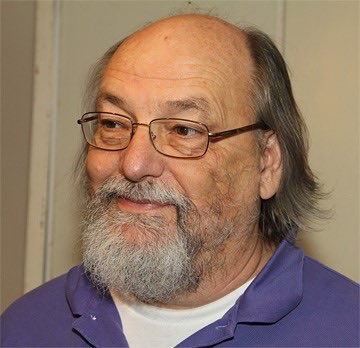
No disrespect to Linus Torvalds, But Ken Thompson might be the biggest geek who ever lived. 🫡
And almost nobody knows his name.
At 28, he created Unix.
> The OS that inspired every modern operating system on the planet.
At 66, the age when most engineers retire, he co-created Go.
> A language millions of developers love, and used to build most of modern Devops tools like Kubernetes, Terraform, Prometheus, Grafana, etc.
But that is still not the full story.
- Dennis Ritchie built on Thompson’s B to create C.
- Linus built Linux inspired by Thompson’s Unix.
- He co-invented UTF-8, the encoding behind every website you visit.
- He built grep, a tool developers still use daily in 2024.
The internet you are scrolling right now exists because of him. And he did everything without Claude, cursor, ChatGPT.
Ken Thompson. Remember the name.
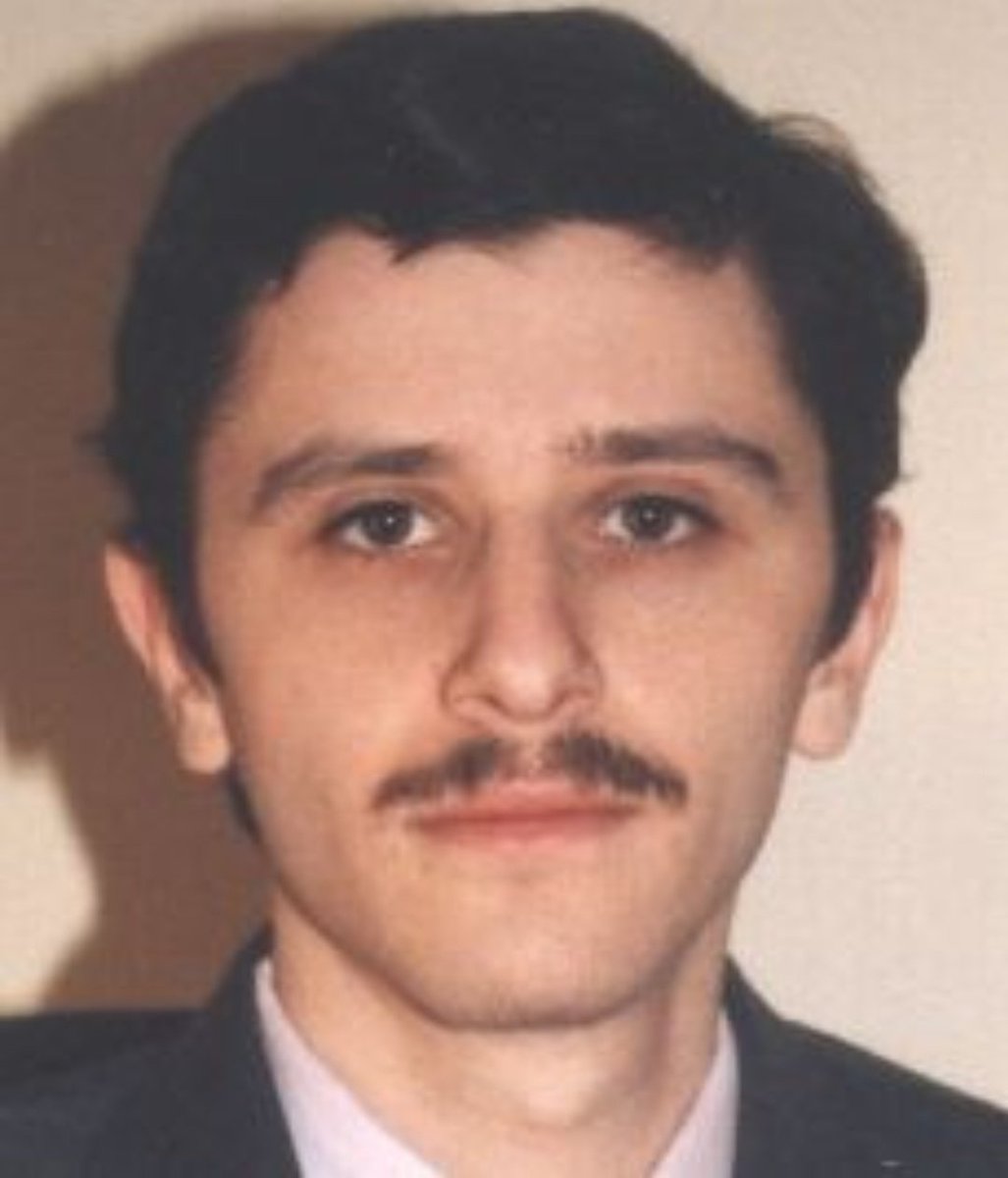
- Meet Eugene Roshal
- Creator of WinRAR
- RAR literally stands for Roshal Archive
- Avoided Silicon Valley
- Avoids media attention
- Keeps his personal life extremely private
- said software will expire After 40 days of trial but it never actually expired 😭
- It became one of the most installed software tools on Earth
- Estimated Net Worth: $100 million – $250 million
- In a world of loud tech founders
- He chose silence and still won
While the world was just getting used to personal computers..
He was building one of the most powerful compression algorithms ever made
Legend 🗿
Cyber AI Profile - https://t.co/1vq3N4BAh3 by @NIST
NIST’s preliminary draft Cyber AI Profile can help organizations strategically adopt AI while addressing and prioritizing cybersecurity risks stemming from its advancements.
The Cyber AI Profile addresses the following Focus Areas:
- Securing AI System Components (Secure)
- Conducting AI-Enabled Cyber Defense (Defend)
- Thwarting AI-enabled Cyber Attacks (Thwart)
Authors:
@KonnectedKat, Barbara Cuthill, Marissa Dotter, Michael Garris, Ishika Khemani, Bronwyn Patrick, Noah Schiro, Julie Nethery Snyder, Mohammad Zarei – @NIST, @NISTcyber, @MITREcorp
I think magic mushrooms are a longevity therapy.
After seeing the data from two doses, psilocybin offers unique longevity effects that complement the best performing therapies I’ve done to date including sauna, hyperbaric oxygen therapy, sleep, nutrition and exercise.
This was the most quantified psychedelic experiment ever done.
It's noteworthy that even though many of my biomarkers are already in the 99th percentile optimal, psilocybin still showed multi-system improvements. Something other therapies have not been able to accomplish.
Of course, my data will need to be replicated and the magnitude and duration of benefits needs further assessment.
Here is what we learned:
0. We observed broad benefits across mental, hormonal, metabolic, and anti-inflammatory systems. Since these are the primary drivers of biological aging, this multi-system signal offers a compelling case for longevity potential.
1. Psilocybin may be a metabolic reset button for the brain. We expected brain changes, but not a potential metabolic breakthrough. My blood sugar control improved from the top 2% of the population to 0.2%, better than 99.75% of 18-25 year olds.
2. Psilocybin reduced my inflammation (hsCRP) to below detectable levels one week post dose.
3. Psilocybin calmed my body and mind. Lower cortisol, and an inhibited HPA-axis in the days following the dose. Both my cortisol and DHEA (another product of the adrenal cortex) dropped 42% and 45% respectively, indicating an overall adrenal reset associated with rest and recovery.
4. Psilocybin increased brain plasticity, desynchronized default networks, resulting in enhanced creativity, playfulness, and openness, with reduced mental rigidity.
5. A second psilocybin dose built on the first and pushed sensory integration even further, increasing primary sensory-motor integration beyond the peak of the first dose.
6. Psilocybin induced an intense blend of joy, deep insight, and a subtle hint of melancholy, also detectable by thermal biometrics.
We had two significant firsts in this experiment:
0. First documented human CGM-based observation of improved post-psilocybin glucose control.
1. First-ever thermal profile of an intense psilocybin dose.
Pending data:
+ Telomere length and relative telomerase activity (telomere regeneration capacity).
+ Epigenetic measurements
+ Microbiome
Experiment details
Here are more details about my two magic mushrooms trips, doses, and the results of my measurements up to date.
I had two doses of dried and powdered Psilocybe Cubensis (Variety B+) mushrooms, three weeks apart.
First dose Nov 9th: 4.67g (24.98 mg psilocybin and 3.5 mg psilocin). Setting: relatively private, only with @_katetolo and the accompanying guide.
Second dose Nov 30th: 5.35 g (28 mg psilocybin and 4 mg psilocin). Setting: relatively open, with friends and family joining virtually, and live streaming.
I dissolved the first dose in orange juice but used lemon juice for the second, for the following reasons:
+ Lemon is more sour, which delays the conversion to psilocin and breakdown in solution, thus preserving more total psilocybin to be activated to psilocin after ingestion.
+ Lemon juice has, on average, 70% less sugar and 45% less calories, making it less disruptive to my otherwise faster state throughout the journey, and leading to a much lower glucose peak.
Rewired brain connectivity
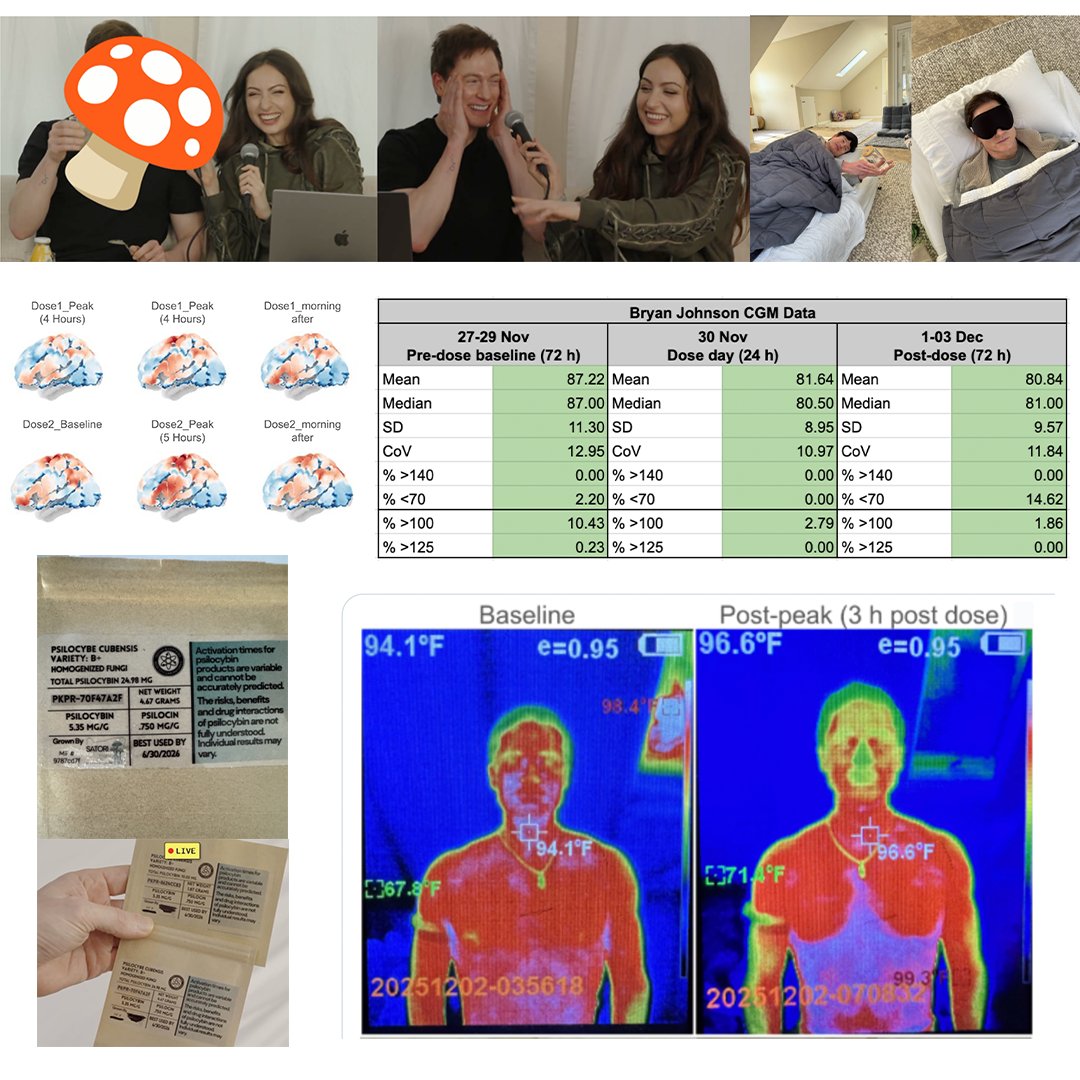
Kernel Flow measurements after the first dose showed shifts in my brain connectivity mirroring my subjective experience, and the mapping of 5-HT2A receptors.
These included the inhibition of my default networks and command centers including prefrontal context and a shift towards increased functional connectivity and hyperintegration between primary motor, sensory, auditory, and speech integration. This coincided with an entropic brain pattern, more open, flexible, exploratory, and creative, indicating a shift from aged and rigid to open youthful brain state.
The baseline measurement before the 2nd dose indicated a strong lasting effect from the first dose 3 weeks earlier, post-peak measurement after the 2nd dose indicated an additive effect of the 2nd dose, with a brain entropic and increased primary sensory-motor integration beyond the peak of the first dose. Most notable was the increased intensity of integration and activation of the auditory, speech, and language networks, coinciding with the second dose being joined by family, friends, where I enjoyed expressing and describing my feelings.
Face and body thermal biometrics
We produced the first ever face and upper body thermal map of a magic mushroom journey.
A core temperature increase of 1.5–2°F suggests an intense psychedelic experience, likely due to a large psilocybin dose (28 mg psilocybin, 32 mg combined psychoactive content).
Heat was redistributed to the core, consistent with 5HT2A–mediated autonomic activation, which can include increased sympathetic tone, lasting through the peak and early post-peak of the experience.
Facial and body thermal shifts indicate a potential blend of intense joy, insight, and subtle sadness or melancholy.
First documented human CGM-based observation of improved post-psilocybin glucose control
Psilocybin appears to have triggered a previously unknown metabolic reset in my brain, an unexpected breakthrough. Comparing the 3-day periods before and after the psilocybin dose:
My blood glucose control dramatically improved, moving from the top 2% to the top 0.2% of the entire population, including healthy 18-25 year olds.
+ 8% reduction in mean blood glucose, reaching 80.84 mg/dL, a new personal best.
+ 11% reduction in fluctuation, indicating smoother glucose peaks and improved control.
+ This single session reduced my estimated HbA1c 0.3 6.8% from 4.7% to 4.4%, (a relative reduction of 6.8%).
+ Durability: The positive effect was still as strong on Day 3 post-dose as it was on Day 1.
Note: A long trip to China on Day 4 interrupted this streak. We plan to explore the full durability of this effect with the next dose.
This matters because we treat diabetes and metabolic dysfunction with chronic daily medication (Metformin, Insulin, GLP-1s). This data suggests that a neuroplastic event might have downstream effects on the liver and pancreas that mimic or exceed these drugs.
Systemic inflammation was below detectable levels
Five days after the first dose, my hsCRP dropped to an undetectable level (below 0.15 mg/dL), representing a 35-100% decrease from the pre-dose level of 0.23 mg/dL.
Three days post-second dose, hsCRP was barely detectable at 0.18 mg/dL, which is still a 22% drop from the initial baseline.
Tumor necrosis factor-alpha (TNF-alpha) remained unchanged between baseline and post-second dose. It was not measured after the first dose.
For the next dose, we will measure a wider panel of inflammatory markers, including IL-6 and IL-10, and cover several time points post-dose.
High cortisol at Peak, low cortisol and stress the following week
Cortisol spiked at the peak of the acute phase, followed by a decline in morning cortisol levels and HPA-axis inhibition, consistent with a relaxed "after-glow" phase in the week following the trip.
My cortisol spiked to 3x morning spike levels four hours after taking the mushroom dose. Levels returned to normal nightly baseline before bedtime.
Five days post-dose, my morning cortisol levels had dropped by 42%, and DHEA-S (a marker of adrenal activity) also dropped by 45%, aligning with inhibited HPA-axis and adrenal activity.
Estradiol levels increased by 200%, consistent with preliminary published evidence that peripheral 5HT2A activation increases cortisol by driving aromatase expression.
A participant in UT Austin’s ibogaine trial for special operators with TBI shares their experience.
⚠️ Ibogaine is a Schedule I substance in the U.S. and not approved for medical use. Educational only — not medical advice or an endorsement of illegal activity.