🛠️ Want a simple way to reflect on Tier 1 instruction in #MTSS?
Check out our free Tier 1 Assessment of Use of High Leverage Practices tool to reflect how often these strategies show up in instruction:
https://t.co/u93TJTVS3X
It’s easy to focus on what was done…
📌 Objective posted
📝 Lesson followed
🙋♀️ Students engaged
But what were students thinking?
This is the shift instructional coaches are leading. From compliance to cognition.
The editors of Assessment in Education: Principles, Policy and Practice are producing a special issue honoring the work of Paul Black. I was asked to write about our 1998 paper on formative assessment and our follow-up work; you can read it here: https://t.co/UpBLjXyjKn
This is a hugely important piece by @PamelaSnow2. A very insightful application of cognitive load theory to neurodivergence and trauma-informed classroom practice. To the best of my knowledge there is no research on this topic and this has really illuminated my understanding on the topic both as a researcher but more importantly as a SEN parent. I do hope Pam explores this area further. https://t.co/O7YD4EDFbA
The US @IESResearch releases a toolkit of resources for teaching mathematics to young children: https://t.co/9Je2bWVOg1. Haven't worked through it carefully, but at a first glance, it looks good.
We've built plenty of knowledge-building programs for teachers (LETRS, most famously). Turns out knowledge alone doesn't make an expert. Expertise requires deliberate practice, and much of the profession finds deliberate practice condescending. For me, that's a culture problem.
A report about Phonological Awareness Screener Test (PAST) had mean correlation between PAST and spelling r = .46, PA segmenting r = .20, and PA blending r =.45 (r = .80 is acceptable criterion validity). PAST is not a good measure @reading_league@ILAToday@nasponline
In honor and memory of the one and only William Van Cleave, an extraordinary human and gifted teacher, on the anniversary of his passing, I am sharing the Wakelet I created to curate just a small part of the countless contributions he made to our literacy community and to his friends far and wide.
Access here:
https://t.co/OzynpEAm7g
Teachers who know more about pedagogy tend to be less stressed and make better use of class time.
See what the latest data reveal about teachers’ knowledge around the world: https://t.co/I8qYkg8XW5
Students learn more when they explain ideas out loud.
Try this:
1️⃣ Prompt: explain it simply
2️⃣ Give 3–4 minutes to draft
3️⃣ Students practice their “elevator pitch”
Speaking clarifies thinking.
Works in any subject.
More strategies ↓
https://t.co/hODSmcU1as
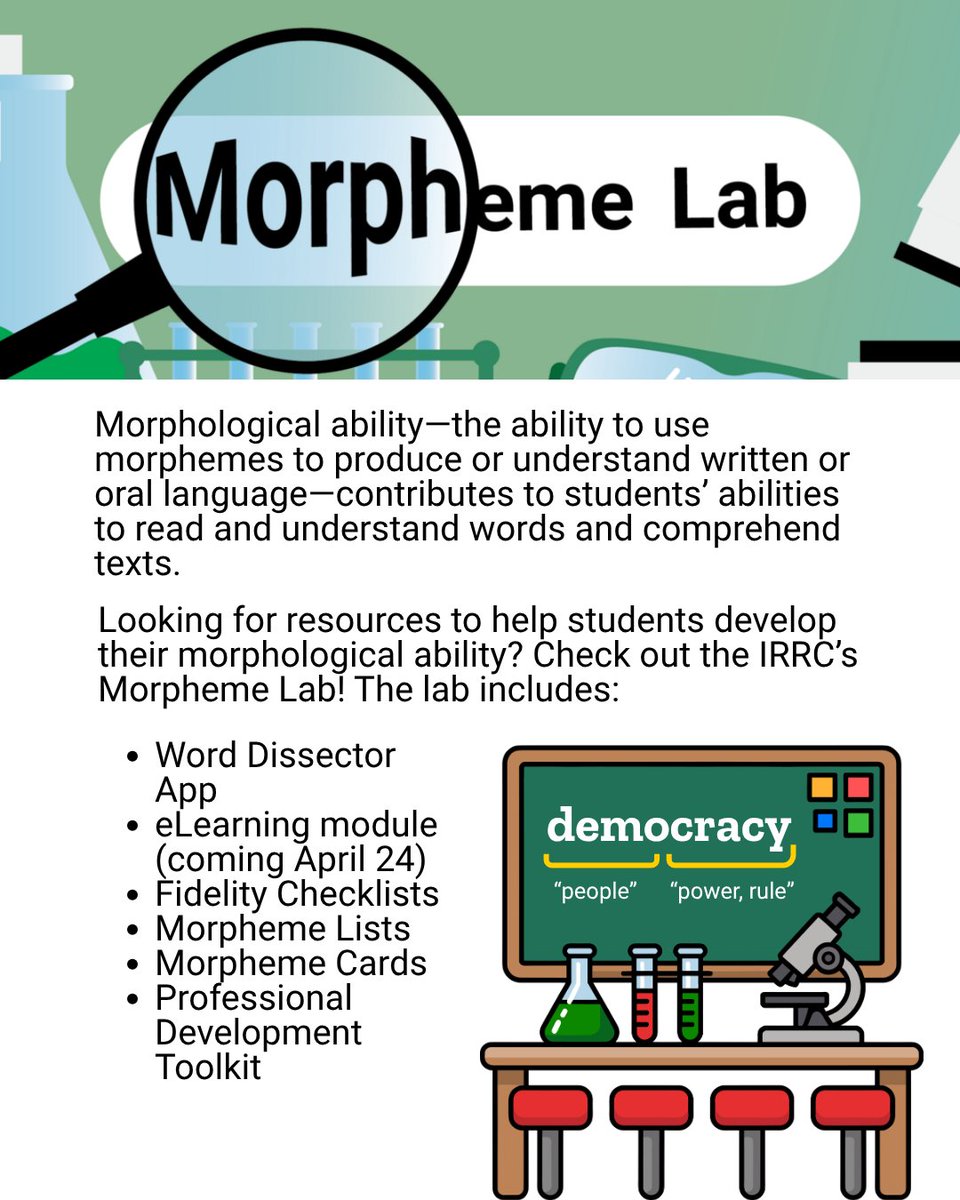
Morphemes are the smallest units of meaning in words, and learning morphemes can help students break down the meaning of unfamiliar words! Check out our new resources designed to help educators implement morphology instruction: https://t.co/huSvyYFpBu
"Cognitive science has found that distributed practice is effective" because "each time an item is successfully retrieved from memory, it becomes resistant to being forgotten." - Young, Paige, & Rasinski
#literacy
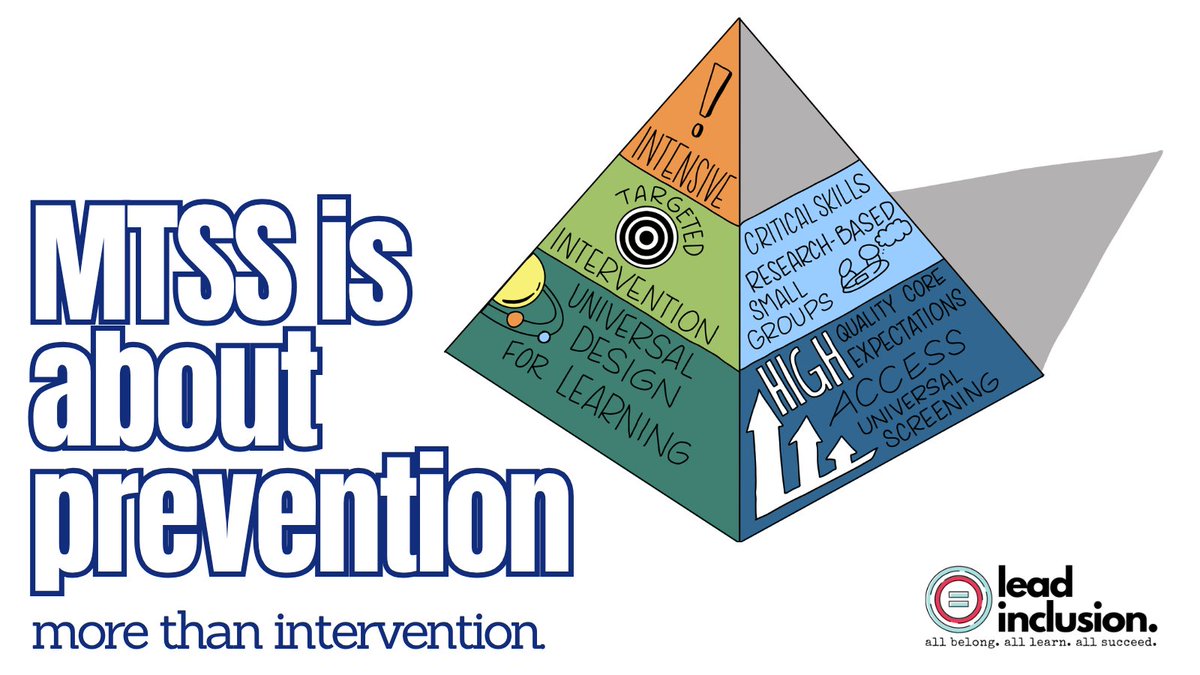
🔍 #MTSS/#RTI is more about prevention in ALL classrooms than it is intervention. Tier One is about creating warm, inclusive, universally designed environments that deliver the best instruction and respond with intervention at the first sign of need. #LeadInclusion#UDL #EdLeaders #TeacherTwitter