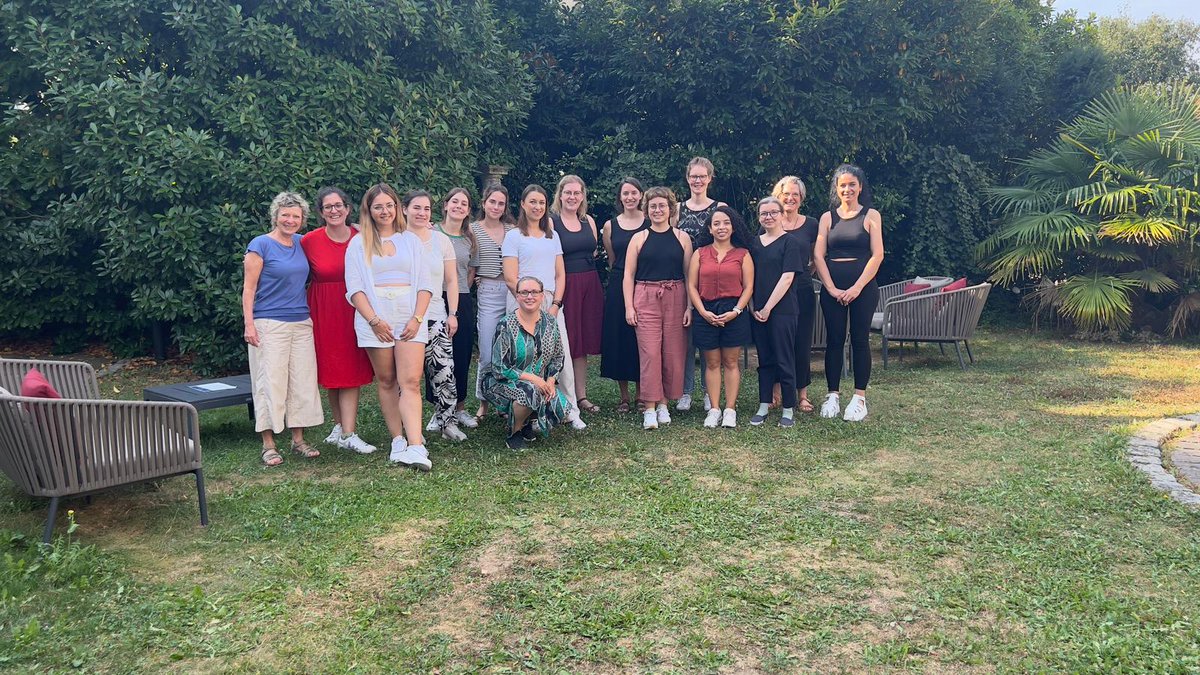
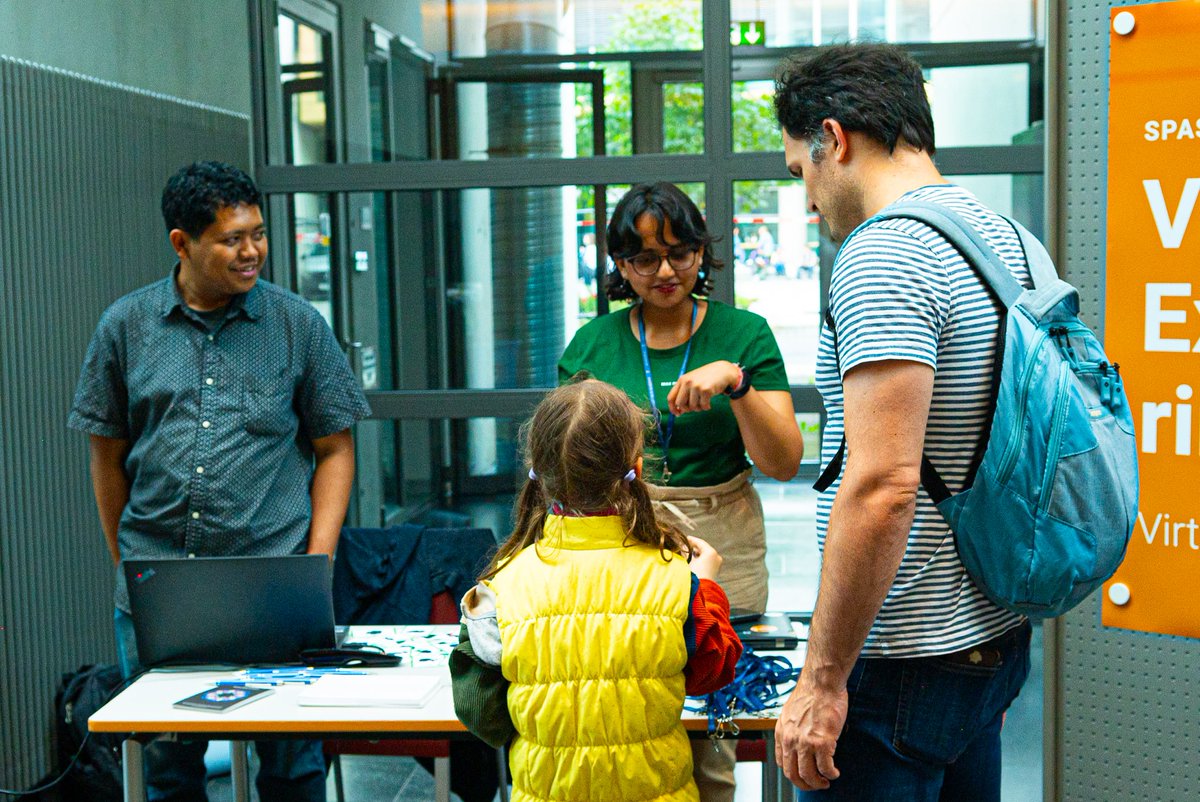
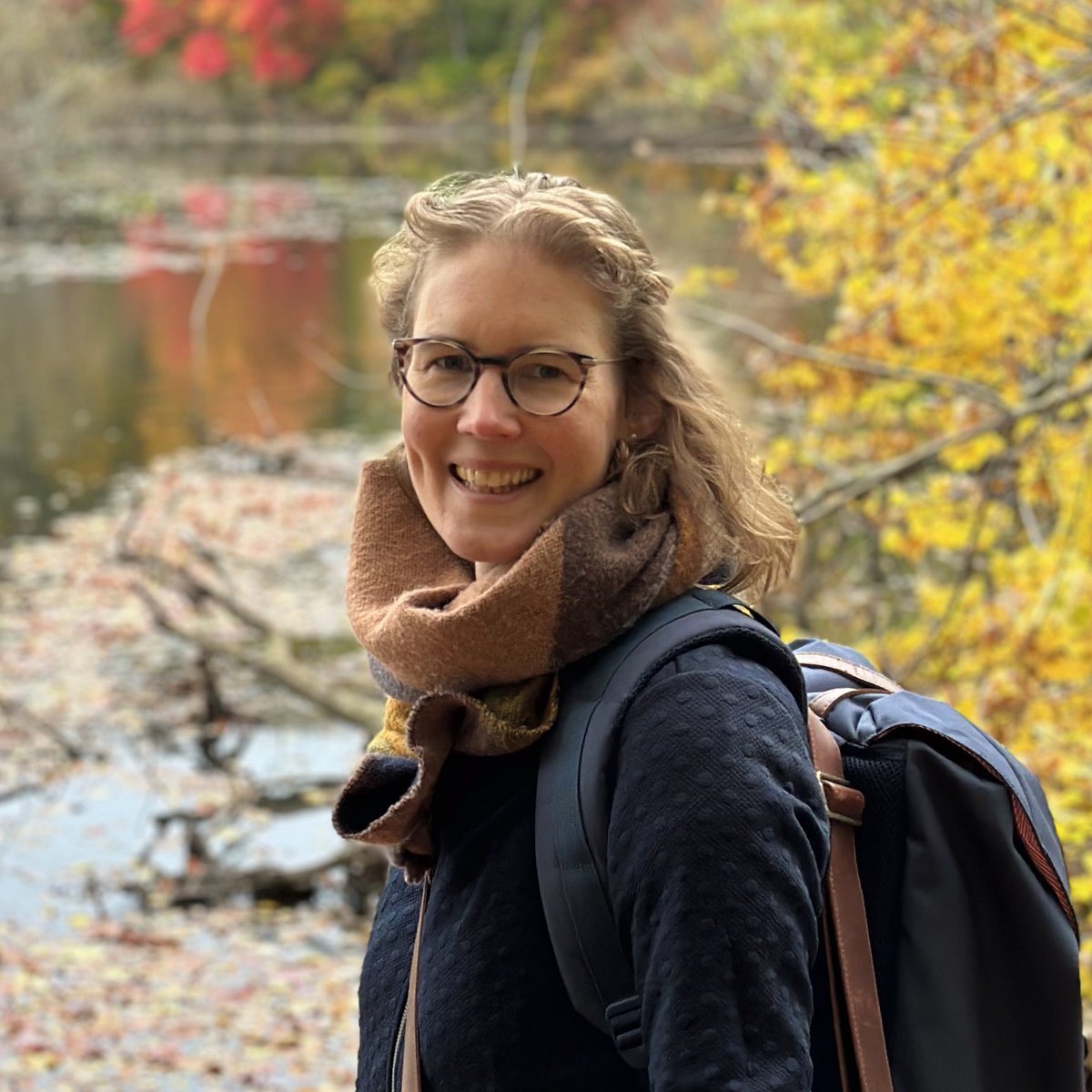
Incredibly grateful to be part of @EMBOFellows which enabled me to attend the Self-leadership for Women course. The insights, empowerment, and connections gained are invaluable! We're ready to contribute to a stronger, more inclusive scientific community. #WomenInScience
In the upcoming weeks, we will have a workshop in the fields of nuclear pore complex, protein quality control, and intrinsically disordered proteins. We have an awesome list of confirmed speakers and we still have a few registration spots left!
Looking forward 🤓🇳🇱
https://t.co/2QtOo5W4Ke
This is the video I made for the "Science in Shorts" competition organized by @NaturePortfolio. I had to explain my research in a creative way under 1 minute.
I didn't make it to the Top10, but my video was selected to be in their YouTube library 😁
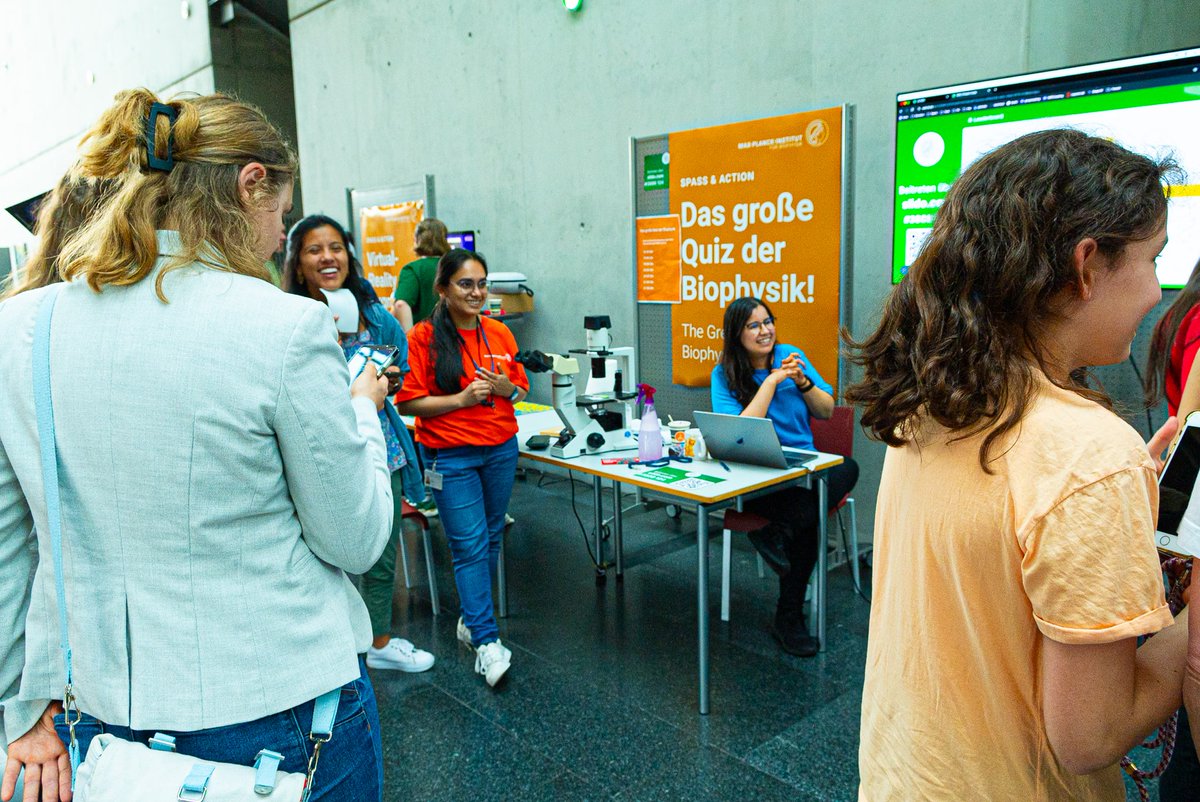
It was great to contribute to the Night of Science! 🧪 We opened the doors of our institute @MPIbp for an evening and it was really amazing to see so many people interested in science, and to share a small peek into our research @WilflingLab
Science for all!🔬🧬 At the Frankfurt #NightofScience, we showcased our Institute and research with hands-on experiments 🌋, guided tours of our electron microscopy facility, and talks 🎙️ on our methods 🧪 and latest projects!✨#NightofScience#ScienceComms#ScienceIsFun
This Friday from 17-22h: Night of Science!
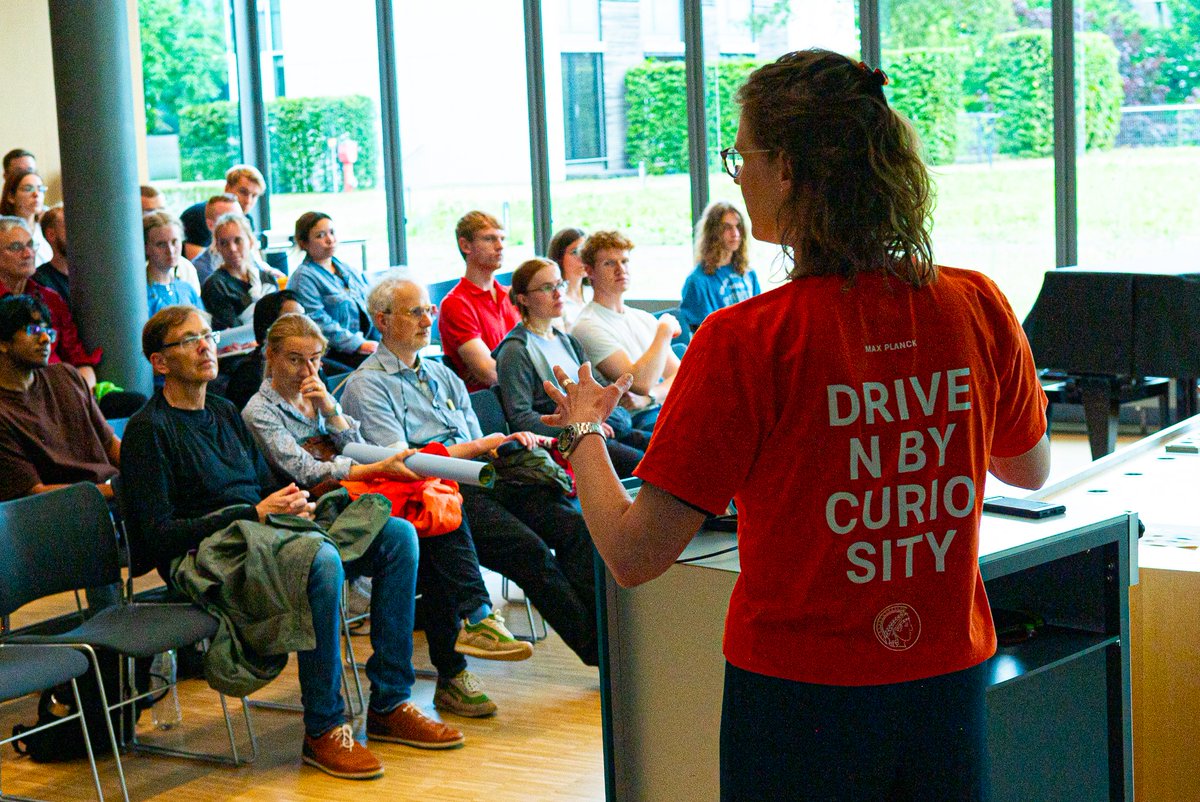
@MPIbp two of us will give a talk: Fabian on how cells get rid of their waste, and @KuiperEls on how our cells stay healthy with age. More of us will be there to make ice cream and do small experiments 🧪🍦 don't miss it!
Started from the 1st of October in the @WilflingLab@MPIbp where I will continue my research on nuclear pore complexes and their quality control 🔬🧫 exciting things to come!
We are very happy that our newest postdoc colleague, Els, has recently started in the lab! She will be joining our team investigating degradation of nuclear pore complexes by autophagy, using expertise gained during her postdoc time with @Schliekerlab. Welcome Els 🎉🎉🎉
It's out! Read here our perspective in @FEBS_Letters on the recent findings in the field of nucleoporin condensation and nuclear pore complex assembly and how this might link to neurological disorders
https://t.co/ByORv24Sd0
In our latest perspective article, we discuss NPC assembly in the context of human disorders: Coordinating nucleoporin condensation and nuclear pore complex assembly - Kuiper - FEBS Letters - Wiley Online Library https://t.co/ApTNXm0TSJ
Our article (with Dirk Görlich, @SimoneReber@bis_was_here ) is just online:
https://t.co/ALvkxk6Bja
we systematically engineered and tested a wide range of phase-separating FG repeat domains in nuclear pores for years, now we report this interesting story #biocondensate
Two weeks ago I heard I got awarded the #Rubicon postdoctoral #fellowship from @NWOFunding!
In December I also received the #EMBO postdoc fellowship @EMBOFellows. It took quite some effort to write the proposals and I feel proud it paid off. Now let's do some cool research!🔬🧬🧫
15 recently obtained #PhD#researchers will soon leave NL for max. 2 years to conduct research with a Rubicon grant. The U.S. is popular, others travel to Germany, France, Belgium, Switzerland, the U.K. and Japan. Read about the projects in the news item: https://t.co/LJUBIr6Nbs
Happy to share our last article in @NatureComms
We determined the #CryoEM structure of full-length hnRNPDL-2 fibrils, a human functional #amyloid associated with a rare muscular dystrophy, with @stericagno & M. Bolognesi
Key findings below (1/5)
https://t.co/7zlg1kCJ47
ChatGPT for biology? Excited to share our work on LLMs for protein design out today @NatureBiotech
https://t.co/j6lYXYGWxP
+ Proud to publicly announce @ProfluentBio with a $9M seed round to tackle meaningful challenges in biology with AI. Join us!
@TrumanLab InDesign is of course a layout program (for books, magazines, flyers, etc) so it's intuitive for this sort of things. Therefore also for layout of figures. And immediately replacing Word too, no more jumping text😄
@TrumanLab Nobody using InDesign?! I'm surprised. The data themselves you get of course from Graphpad, ImageJ, or Illustrator (for making an illustration!) but for arranging the panels, and adding all the small textual elements to panels, InDesign the programme to use (no PI here btw)
@TrumanLab So many advantages! Arranging the panels and their settings, you can "crop" an image by shrinking the binding box but the image itself doesn't crop, there's a list of links to the images so you can always easily find the original, you can export to different file types (incl.EPS)
So excited to share our work out in @NatureCellBio !!! We found that small heat shock proteins can translocate to the mitochondrial intermembrane space, where they operate as molecular chaperones. Major findings 👇
https://t.co/fIfRXVQiLs
With immense pride I post here that my paper is published in @NatureCellBio! https://t.co/nBNO9mcuGN
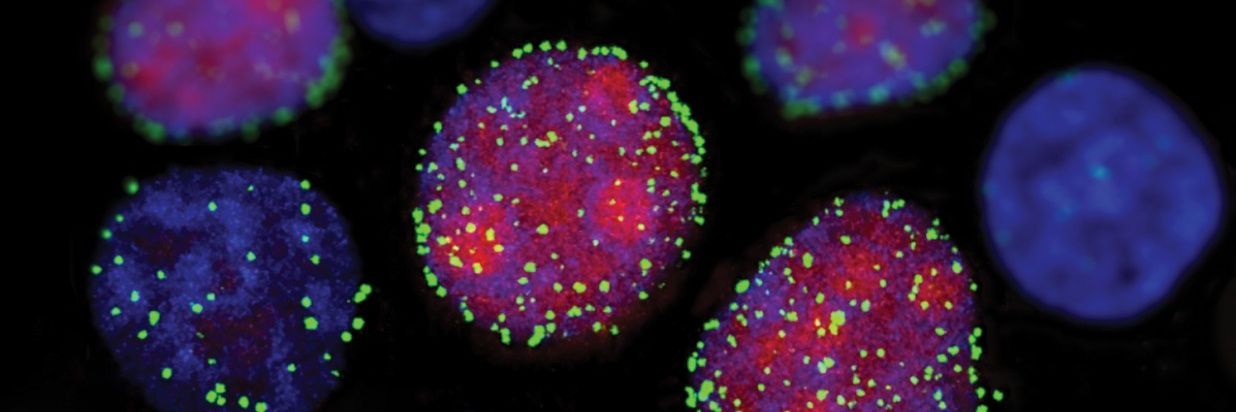
We show that the chaperone DNAJB6 is involved in the biogenesis of nuclear pore complexes, and the maintenance of the disordered proteins that make up the transport barrier
Shoutout to anyone that moves to another country to follow their dreams. Adapting to lang/env/cultural differences whilst studying/researching is mind blowing. It can be difficult for those who have never done this to appreciate just how big that is, it's incredibly impressive.