A 10-year French experiment just showed that farming without pesticides is actually possible.
INRAE (France’s national agriculture research institute) ran nine different pesticide-free cropping systems across real farms — mixing long rotations, cover crops, biodiversity, and smart soil management. The results? In many cases, yields were close to (or even matched) conventional systems, and some were economically viable with the right marketing and crop diversity.
It wasn’t perfect — weeds were a challenge in some spots — but it proves pesticide-free isn’t just a dream. It’s technically and economically doable under the right conditions.
This is encouraging. We keep hearing that we have to choose between food production and protecting the environment, but studies like this show there might be smarter paths forward.
If we can grow food with far fewer chemicals while keeping farms profitable, it could be a game-changer for soil health, biodiversity, water quality, and long-term food security.
What do you think — could we realistically move toward much lower-pesticide farming at scale, or are there too many obstacles?
Today I stumbled across a 'wild' corner of bushes in Regent's Park. It's home to Blackcaps, Blackbirds, Robins, Song Thrushes and much more.
We need more of these 'messy' corners, enhancing ecosystems' resilience and reconnecting us with urban wildlife (and they look nice too!).
"Don't Kill the Krill". I've just been the Guest Lecturer on an Antarctic - South Georgia cruise. It resulted in this song with some wonderful passengers calling to STOP krill fishing. (The WWF has called for a moratorium on krill fishing https://t.co/5OSJo5n2x5) Creative credit: Mark and Anne O'Reilly.
@Aurexpeditions@wwf@natgeo
@donnarainey4 Well done Donna. It’s such a shame it’s needed, but it’s always such a good feeling to rid a place of litter and return a place to how it should be.
Forgive us our trespasses…
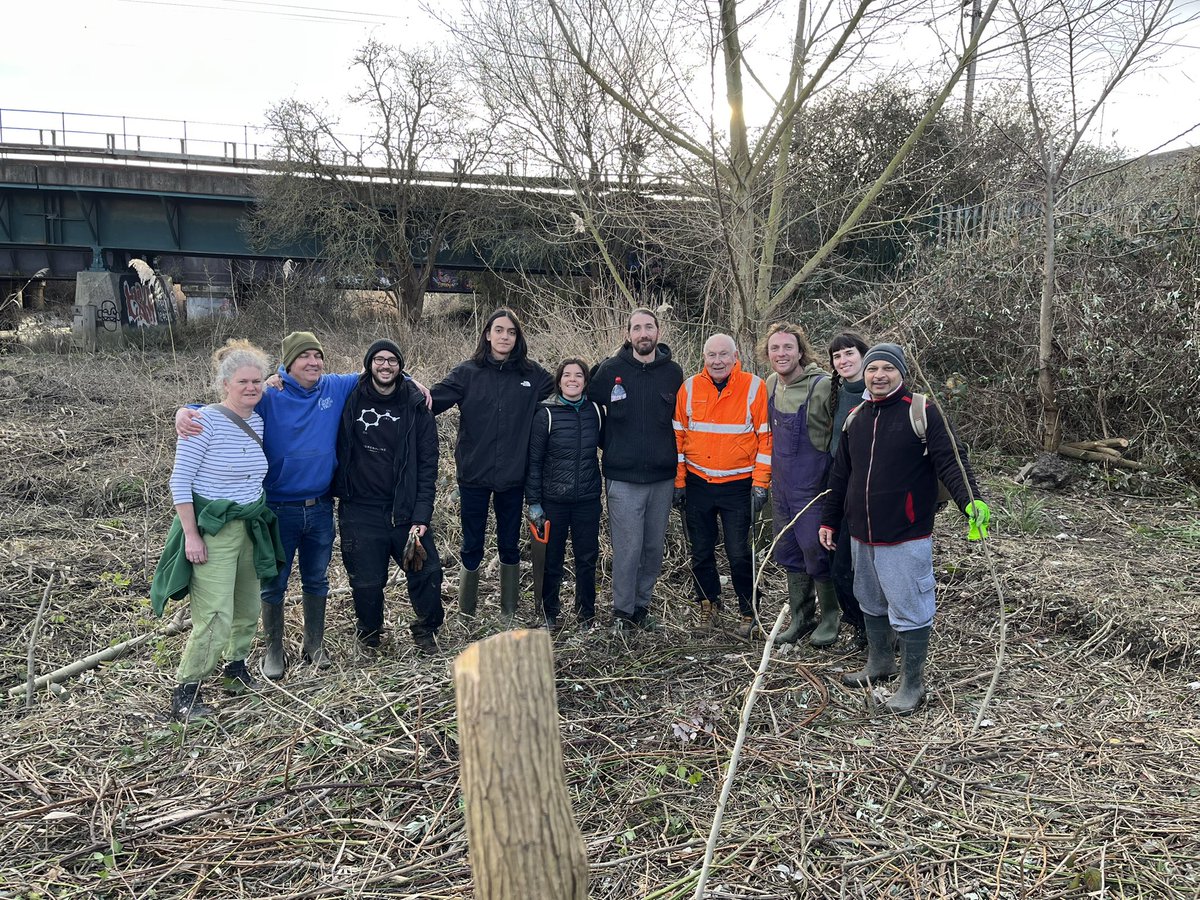
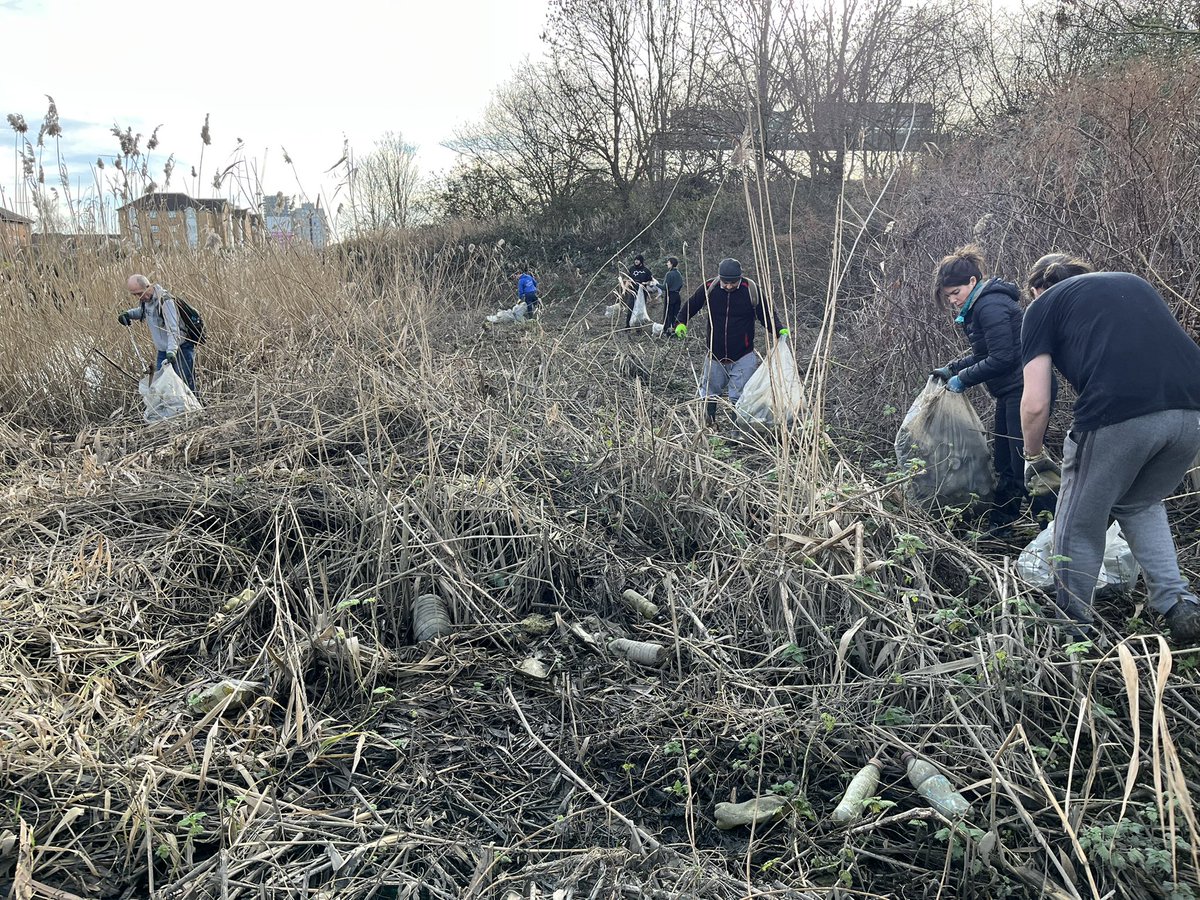
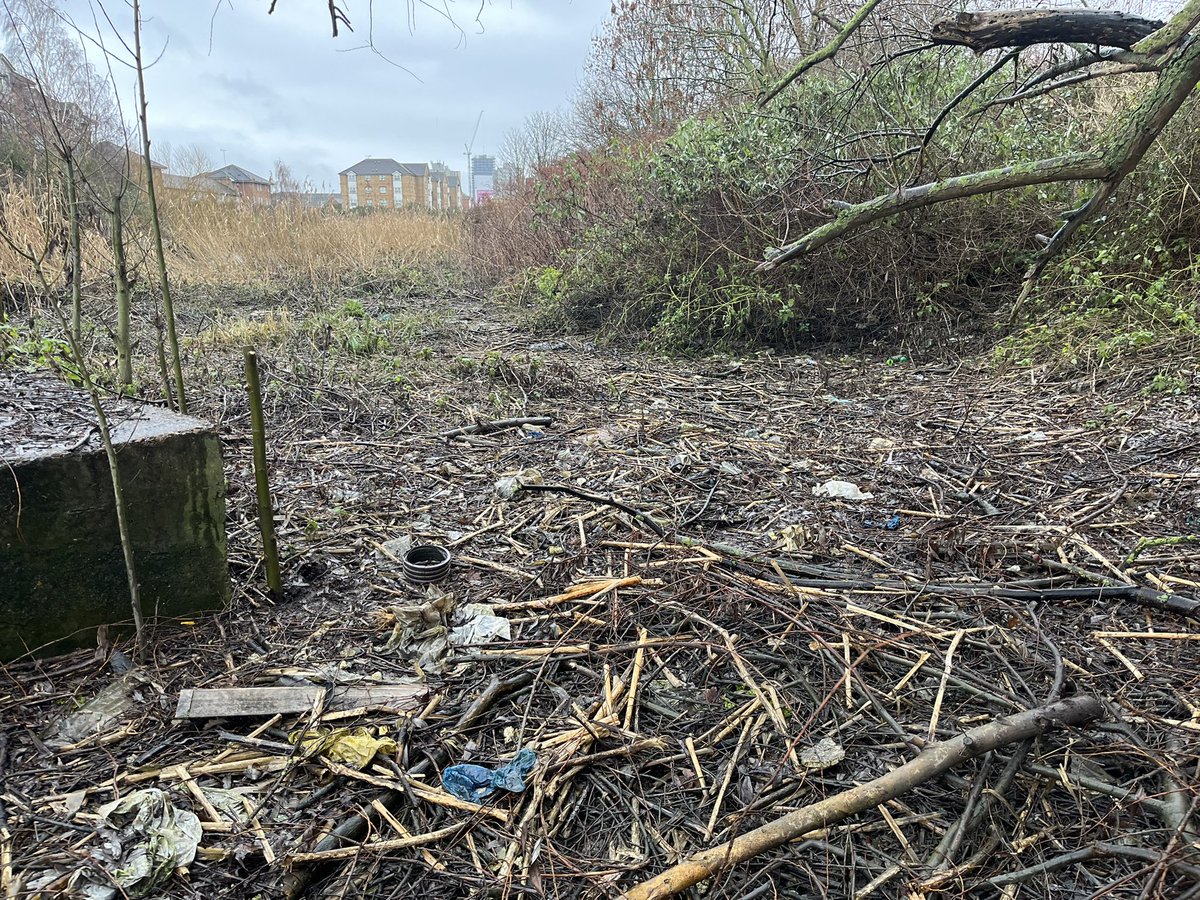
Sandwiched between the North Circular & the housing estates of Ilford lies a rare & precious jewel: the largest tidal reedbeds in London. However, they are in a bad way: smothered in plastic & rubbish swept in by the tide & with invasive species encroaching further every year. They are owned by public authorities (mainly @TfL) who have done absolutely nothing to care for them in decades & wont even let our volunteer run charity, the River Roding Trust, take responsibility for them & provide public access, at no cost to TFL.
Local river guardians have decided that we will not allow this precious natural place to die through neglect, & so this weekend we hopped the river wall & trespassed onto this land, to care, protect & restore it in the face of the failure of the landowning public authority to do so themselves.
We combed through the reeds & removed dozens of bags of rubbish coating the area, cut back invasive species & replaced them with native trees, & removed old tree guards from saplings that had been planted long ago & forgotten about. Whilst we managed to care for a few hundred metres of the reedbeds, there remains much to do over the remaining months of winter. There is something powerful about local communities acting, without permission or official sanction or funding, to care for nature when the government bodies that are supposed to do so have failed.
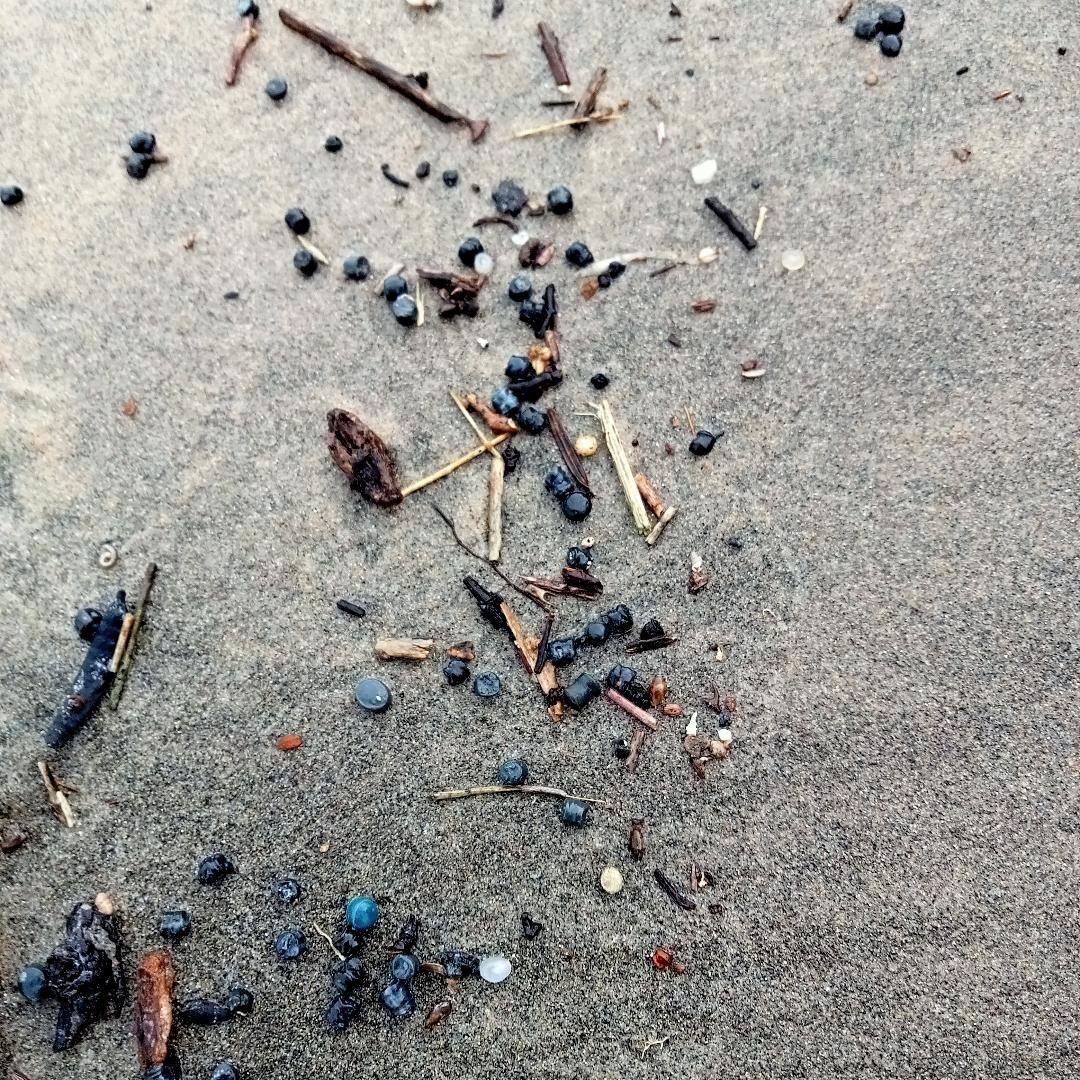
So Southern Water’s toxic plastic beads have now made it all the way across the English Channel.
Can someone explain to me, exactly what the hell does a water company have to do to loose their operating licence?
Southern Water haven't just polluted English beaches, their toxic beads have made it across the Channel to Northern France, I am told. This from a beach at Wissant
My report from last night's meeting in Rye about the catastrophic biobead spill
- Thought to be 650 million toxic beads littering the coast
- They have spread to many beaches & a nature reserve
- EA looking at upgrading to a category 1 pollution event
https://t.co/bVmUZR1xDx
@donnarainey4 I found Ballerina Waxcaps and a few other grassland fungi in the grounds of a local church as well on Saturday. Definitely good places to check out for them. First time seeing the Ballerinas.
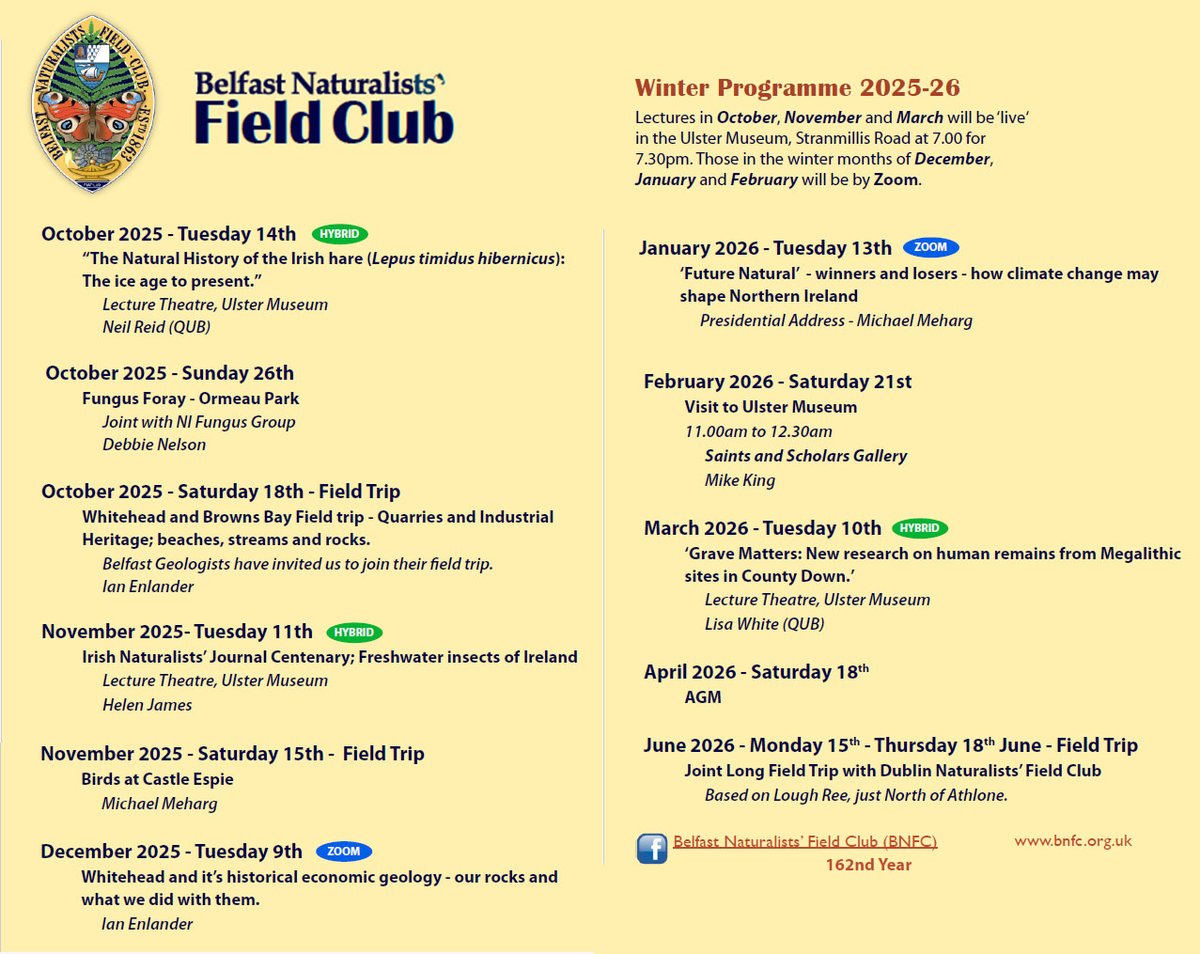
Tuesday 14th October 7.30 to 9pm Ulster Museum; also zoom ([email protected] if not a BNFC member)
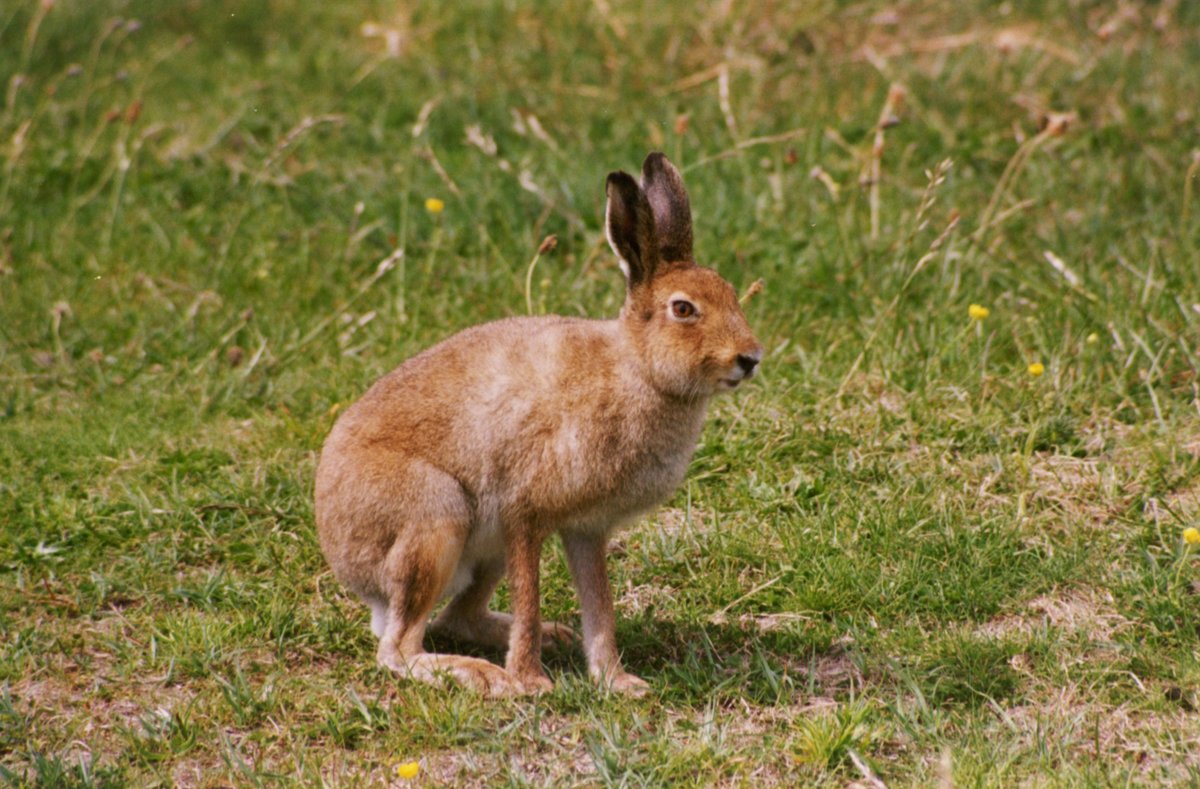
Neil Reid, QUB, speaks on "The Natural History of the Irish Hare: The Ice Age to present"
(Photo: Alan Wolfe)
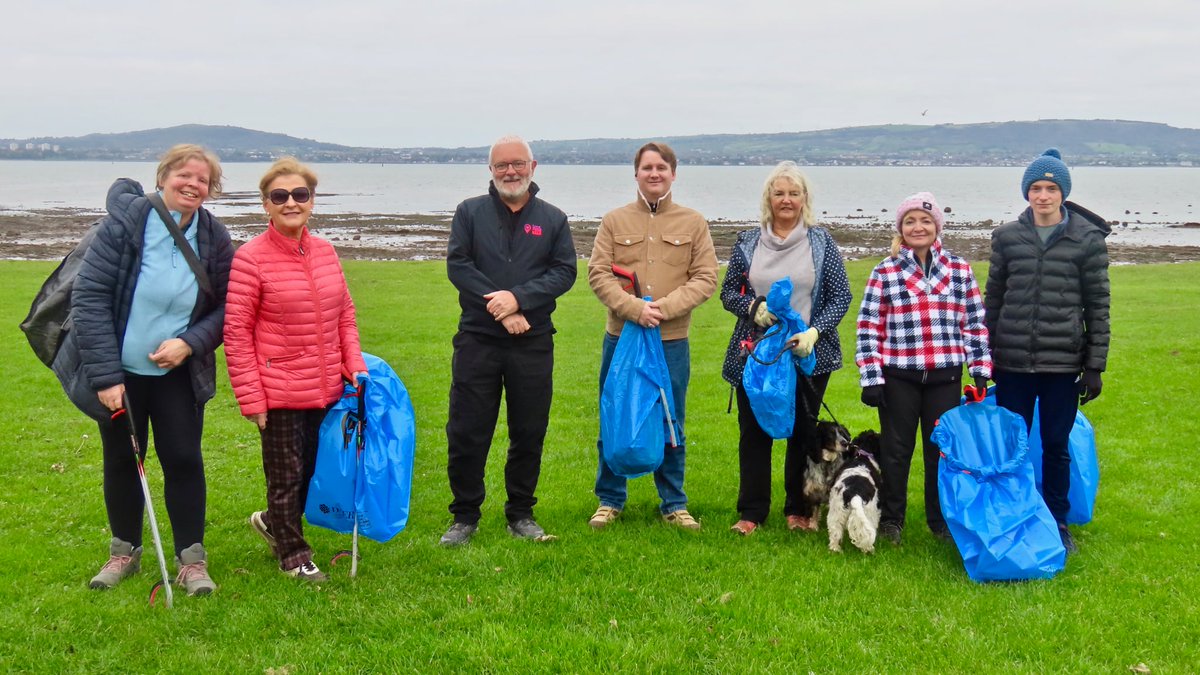
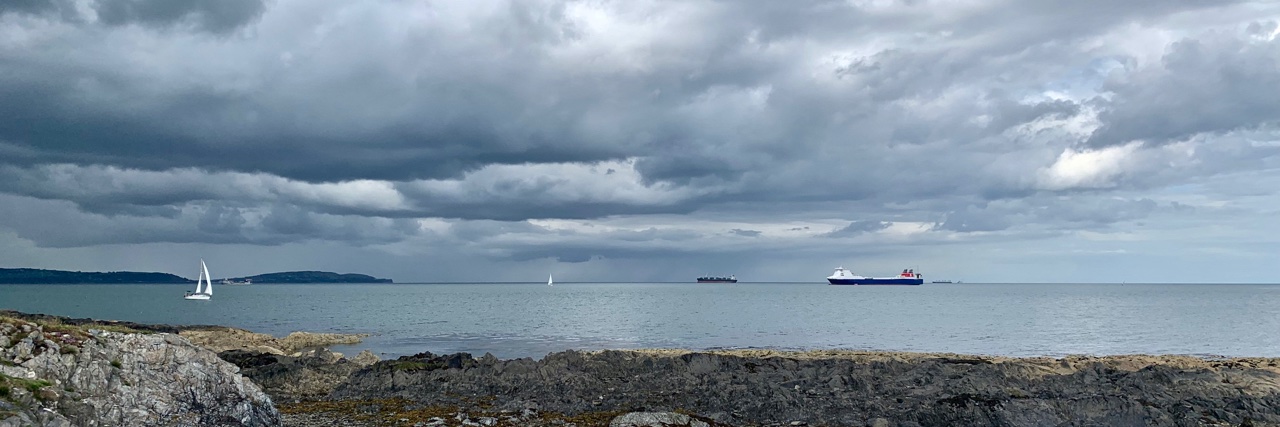
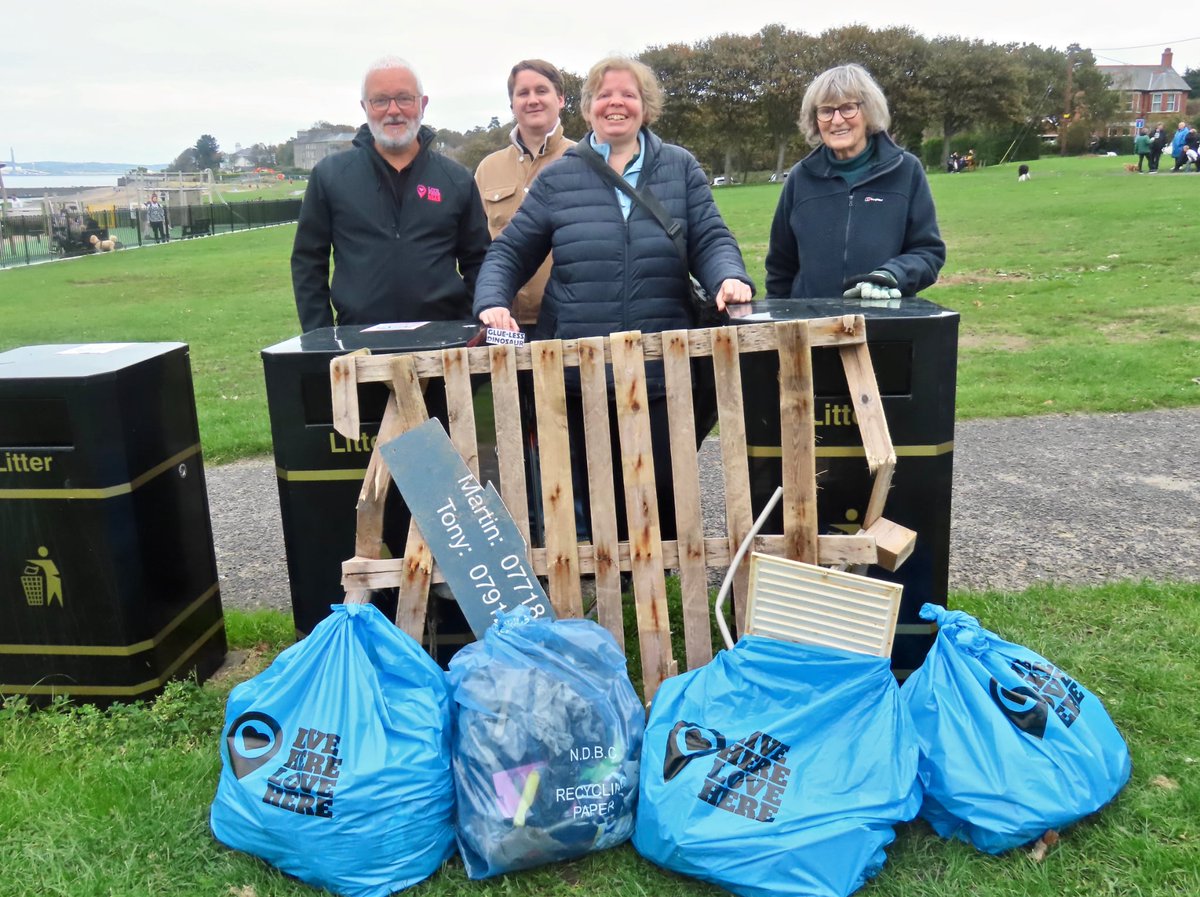
Photos from this morning's Seapark 2nd Sunday Beach Clean where 9 of us collected 24.6kgs of litter and waste in 4 consolidated bags (plus some larger items). Thanks to all who attended on a fine, mild and dry morning.
#LiveHereLoveHere#leavenotrace#dontbeatosser