We use structural and mechanistic biology to study neurotrophic receptors, Rho-effector kinases, and a few other things too @TheCrick.
-- run by lab members --
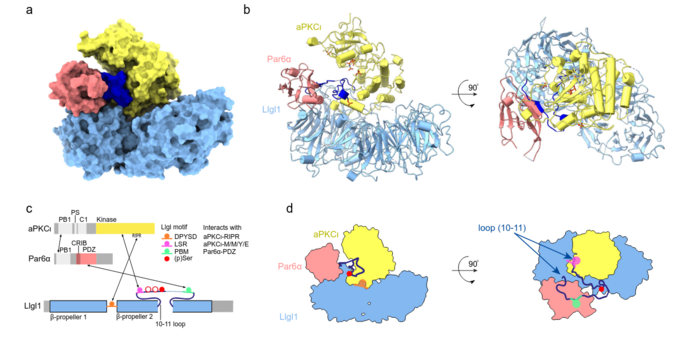
Cell polarity is frequently disrupted in cancers, and aPKC iota is a potential therapeutic target, so the more we know about how it works, the better we can target those cancers.
These proteins all form part of a cell polarity network, which allows cells to determine "which way is up" - so (for example) the cells lining your gut know which side the food is.
Sandwich student applications are open until 9 October!
We’re looking for motivated undergraduates studying biology, physics, chemistry, engineering, maths or computer science to join a Crick research group or facility for their placement year 🧪📊🔬
https://t.co/spT6ZQ8H3I
Crick PhD recruitment for fall 2025 is officially open! Please apply to our lab through the Crick application portal if interested. 👇
https://t.co/fVnzOTFmey
@JemimaHarrison Hi Jemima, I'm contacting you on behalf of a Lab at the Francis Crick Institute in London - we work on GDNF and are looking into getting access to the fantastic Parkinson's drug trial documentary you produced & directed. Can you help?
DM me! thank you! (Dave)
Hot off the press in @Biochem_Journal where we discuss new insights into aPKC membrane targeting.
These PKCs do not bind DAG to get recruited, instead they fold up their regulatory elements exposing a single membrane binding platform!
read on here👇https://t.co/ovpZSMJeqh
(If you wish to engage with us about our work, you might consider looking up the authors on Linkedin or other social media platforms - may we suggest the one run by proboscideans belonging to the genus Mammut 🦣🦣🦣 - xtaldave_dot_net)
The soluble neurotrophic factor GDNF is able to drive trans-synaptic adhesion through its co-receptor GFRa1. Here we describe the structural basis for GDNF-GFRa1 adhesion and reconstitute assemblies bridging membranes. D5 Symmetry! A 10:10 complex!
Fancy doing a PhD with us @TheCrick?
We have a studentship available studying Receptor Tyrosine Kinase function and modulation, to start in Autumn 2023.
#StructuralBiology#CryoEM#MX Application deadline noon (GMT) 10th November.
For details see: https://t.co/nuCHVOhfQY
Structural Biology rant - structures are ‘determined’ not ‘solved’. It is problems e.g. phase or molecular replacement that are solved along the route to determining a structure. There the old man is feeling better now
Interested in how cancers control the immune system? We have a PhD studentship open at the Francis Crick Institute in London to study KRAS oncogene mutant lung cancer and immunotherapy. Apply to join our team by 10 November. #Downwardlab@TheCrick https://t.co/GUVZAhPIMu
We've spent the last few days interviewing some MRes Structural and Molecular Biology students from Imperial College.
Impressive bunch! No matter which student is allocated to our (exciting XChem) project, we're sure they'll do well!
Fancy doing a PhD with us @TheCrick?
We have a studentship available studying Receptor Tyrosine Kinase function and modulation, to start in Autumn 2023.
#StructuralBiology#CryoEM#MX Application deadline noon (GMT) 10th November.
For details see: https://t.co/nuCHVOhfQY
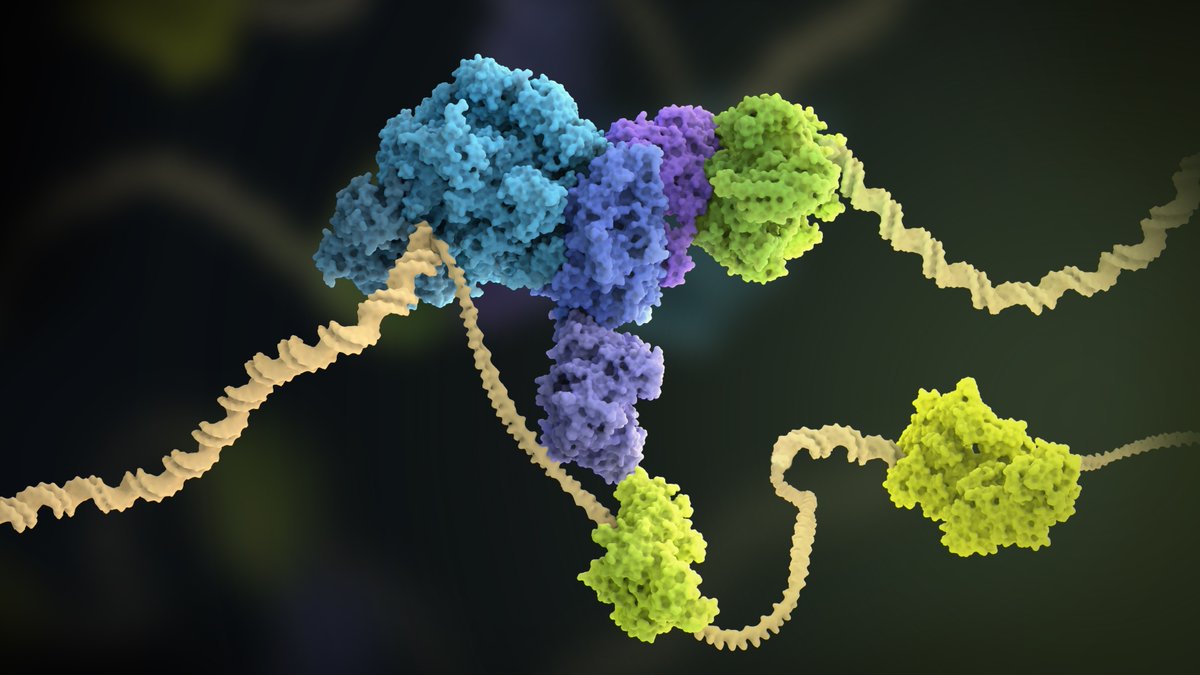
Scientists at @MRC_LMB have for the first time recreated a functional human replisome - the protein machinery that normally replicates human DNA within a cell - that successfully replicated DNA in the lab at the same speed as inside our cells.
➡️ https://t.co/DgOBEHYPR6
Well... It looks like we have our first ever draw in #SynchrotronMugMadness.
Now I have a choice to make. Run the poll again or go for a 3 way final between @desy, @esrfsynchrotron, and @ausynchrotron.
Suggestions welcome.
Stay tuned to find out!