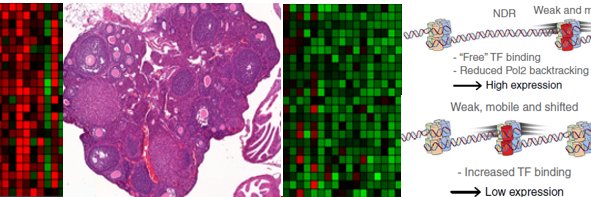
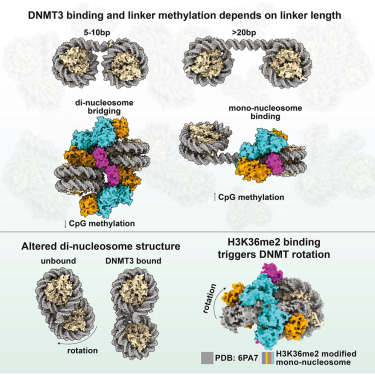
Our latest - great work by Dor @dor_shalev1 with help from @GilGolan73@YaelmgLAB and others - showing a role for Acvr1c in downregulation of Mkrn3 expression.
https://t.co/TFDx4fT4XC
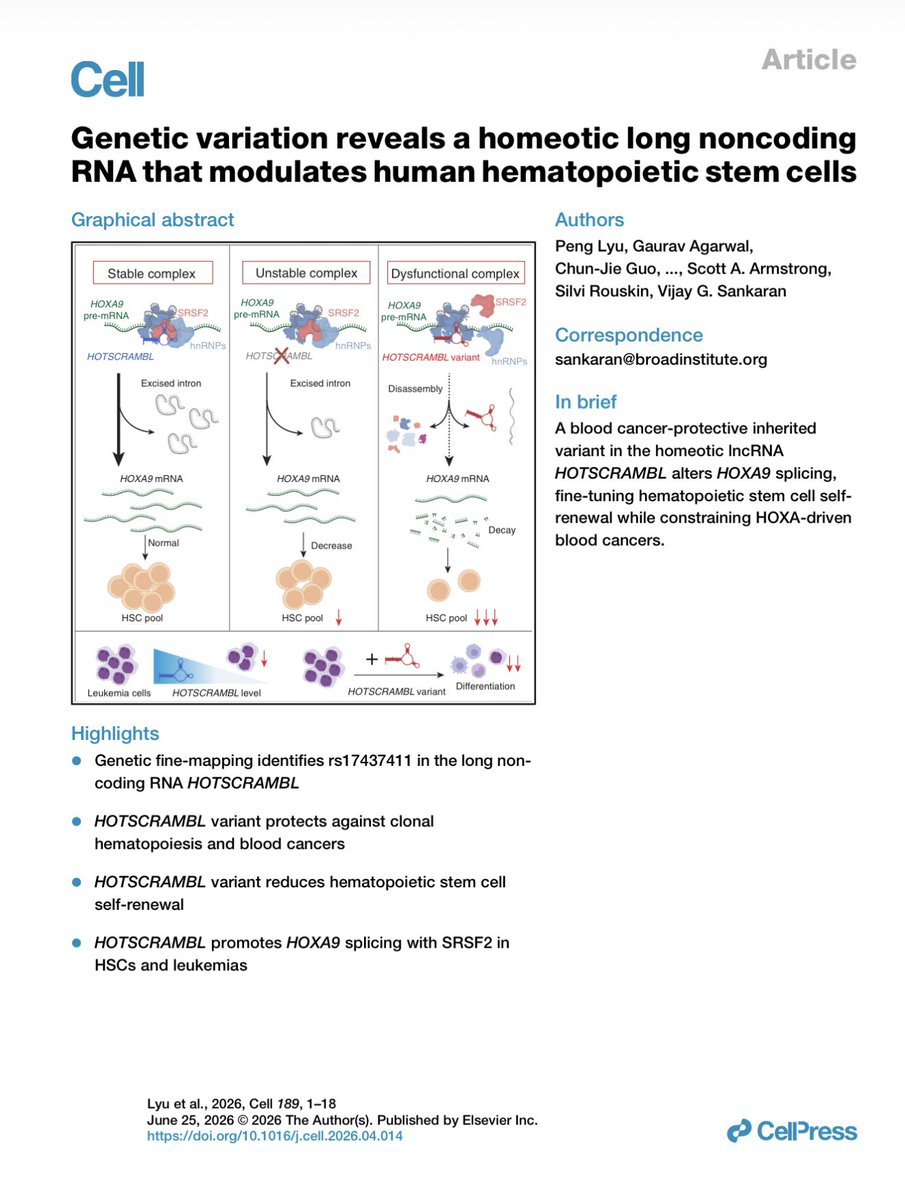
Check out super cool new paper we contributed to , I’m calling it “"One SNP refolds a lncRNA and rewrites the rules of stem cell self-renewal.” A new lncRNA called HOTSCRAMBL sits in the HOXA cluster and works as a splicing chaperone — it recruits SRSF2 to help HOXA9 get properly spliced in blood stem cells. A common variant (rs17437411) doesn't destroy the RNA, it refolds it, hiding the SRSF2 binding sites. The result: a dysfunctional decoy that can't scaffold splicing, HOXA9 levels drop, stem cells lose self-renewal, and leukemia growth gets constrained. The variant hits harder than a full knockout because the misfolded RNA actively interferes. It's essentially a built-in genetic brake on blood cancer. Read more: https://t.co/cnmeg0r015
Amazing letter by @Cornell President rejecting the resolution. Should be read by all:
Dear Zora,
Thank you for conveying SA Resolution 61: Calling for the Termination of Cornell University’s Partnership with the Technion – Israel Institute of Technology While Preserving Cornell Tech. I reject this resolution, which fundamentally conflicts with Cornell’s principles of academic collaboration and our core commitment to academic freedom.
Cornell Tech is not a political entity. It is an academic partnership, created through shared investment by Cornell University, the Technion, and the City of New York for the benefit of the city and the state, according to a negotiated set of conditions that govern its development and the terms of its 99-year ground lease on Roosevelt Island. As one of Cornell University’s many international partnerships and collaborations, Cornell Tech deepens, enriches, and strengthens the ability of our students, faculty, and staff to pursue knowledge and advance the university’s academic mission. The Joan and Irwin Jacobs Technion-Cornell Institute, the core international partnership upon which Cornell Tech is based, is an extraordinarily valuable collaboration focusing on education and research in health tech, media tech, and urban tech, and supporting the development of new startup companies.
Severing our relationship with the Technion—or with any entity affiliated with governments, institutions, or enterprises with which some of our community members disagree—as a statement of political protest, would not only hinder our research, teaching, and public engagement; it would imperil our academic principles.
Our university, like all of our peer institutions, regularly faces pressure—from across the political spectrum, from within and beyond our own community—to make academic decisions according to political priorities. The phenomenon is not a new one: universities have grappled with such pressures from governments and societies for as long as the institution of the university has existed. When we yield to these pressures and proscribe specific collaborations or collaborators on grounds other than merit, we compromise our principles of academic freedom, undermine our own institutional excellence, and damage public trust in our work.
Moreover, this resolution inaccurately asserts that “the continued operation of Cornell Tech as a Cornell University campus does not require an ongoing partnership with the Technion-Israel Institute of Technology.” Cornell Tech, while part of Cornell, is a joint effort of the university, the Technion, and the City of New York. It is no more possible for Cornell to unilaterally terminate that effort and claim full control of the campus than it would be for the Technion or the City of New York to do the same.
Finally, I am deeply troubled by the selective manner in which this resolution singles out the Technion, alone of Cornell’s many international partners, for censure. Cornell currently maintains 159 active agreements with institutions in 59 nations and regions; all of these institutions have some government affiliation, and many conduct research with military and security applications. Cornell itself has military research contracts, conducts research with potential military applications, and has relationships with companies whose products are used in military contexts. Cornell also has relationships with institutions in countries whose governments have been accused of human rights violations—as our own has been.
None of these publicly available facts are mentioned in the resolution; only our partnership with an Israeli institution is targeted for erasure. The political bias evident in this selective approach is deeply disturbing, and the resolution is incompatible with both the Student Assembly’s purpose and Cornell University’s core values. I reject it fully and forcefully.
Sincerely,
Michael Kotlikoff
President and Professor of Molecular Physiology
Cornell University
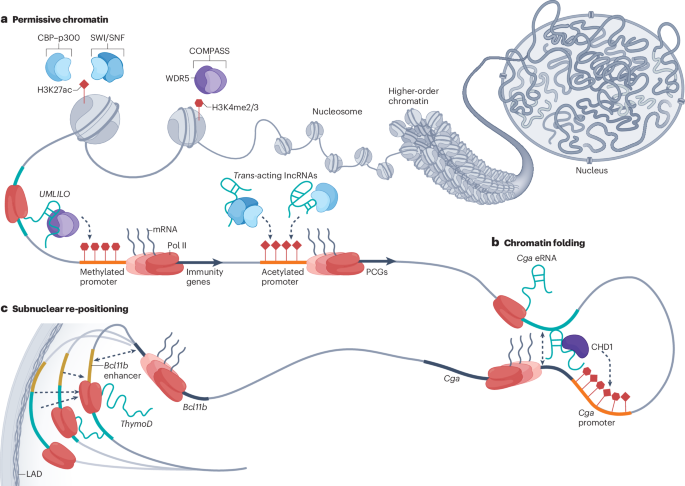
Why m⁶A? An RNA surveillance model. @SchragaSchwartz and colleagues review recent findings about the interplay between RNA methylation and the RNA processing machinery to propose a surveillance model for m6A. https://t.co/TQhFEYbPNU
AlphaGenome is out in @nature today along with model weights! 🧬
📄 Paper: https://t.co/1fHzSPiY1x
💻 Weights: https://t.co/z6JWLT4Mpv
Getting here wasn’t a straight path. We sat down @googledeepmind to discuss the story behind the model, paper & API: https://t.co/cT8CiXfnxQ
🔬 New from Technion: Dr. Dvir Aran’s team introduces CellMentor, a machine-learning tool that integrates single-cell RNA sequencing data for earlier, more accurate disease diagnosis. Now in Nature
Communications.
https://t.co/7GIkTjY2Mq
https://t.co/U5lnpuZivc
#SingleCell #scRNAseq #MachineLearning #Bioinformatics #PrecisionMedicine #DiseaseDiagnosis #ComputationalBiology #ResearchInnovation #NatureCommunications
Tenured and promoted to Associate Professor 🥂 🎉
Big thanks to all those who supported and helped me along the way.
In the picture - me during my PhD years when I learned about Publish or Perish
How do transcription factors find the right spot on DNA? 🧬
Technion researchers reveal that disordered protein regions guide the search—letting factors slide along DNA with both efficiency and precision.
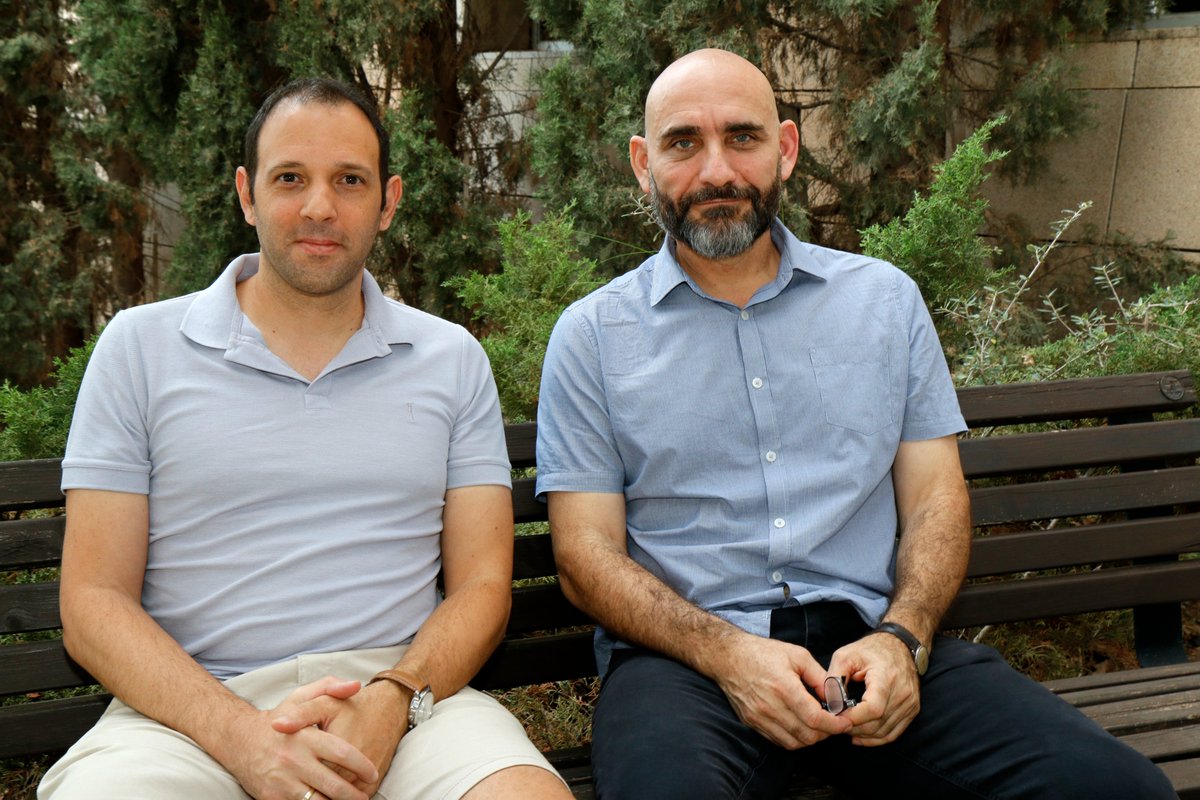
Published in Nature Communications by Dr. Nir Strugo & Prof. Ariel Kaplan.
#Biology #GeneRegulation #TranscriptionFactors #ProteinScience #MolecularBiology #NatureCommunications #ResearchInnovation #DNA #ScientificDiscovery
https://t.co/nIQPQG6MVD
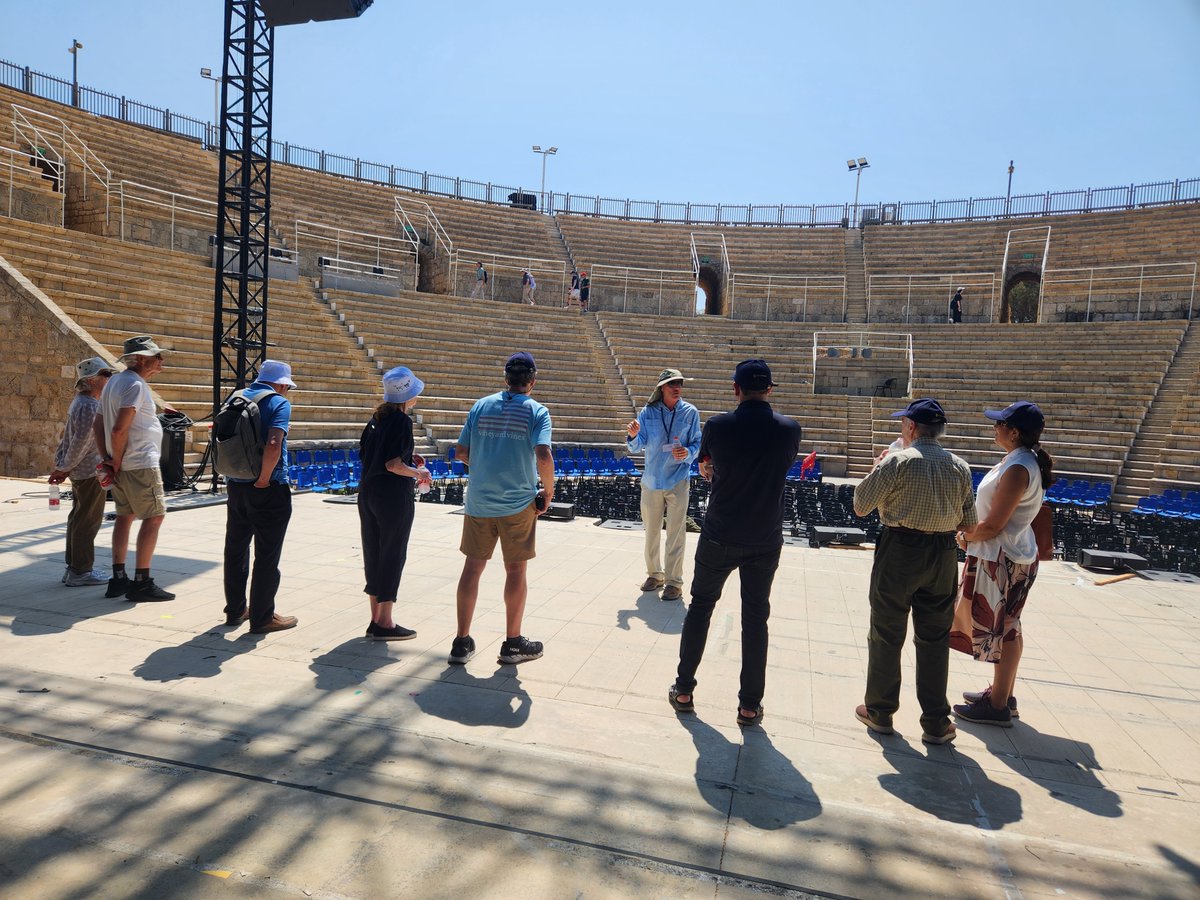
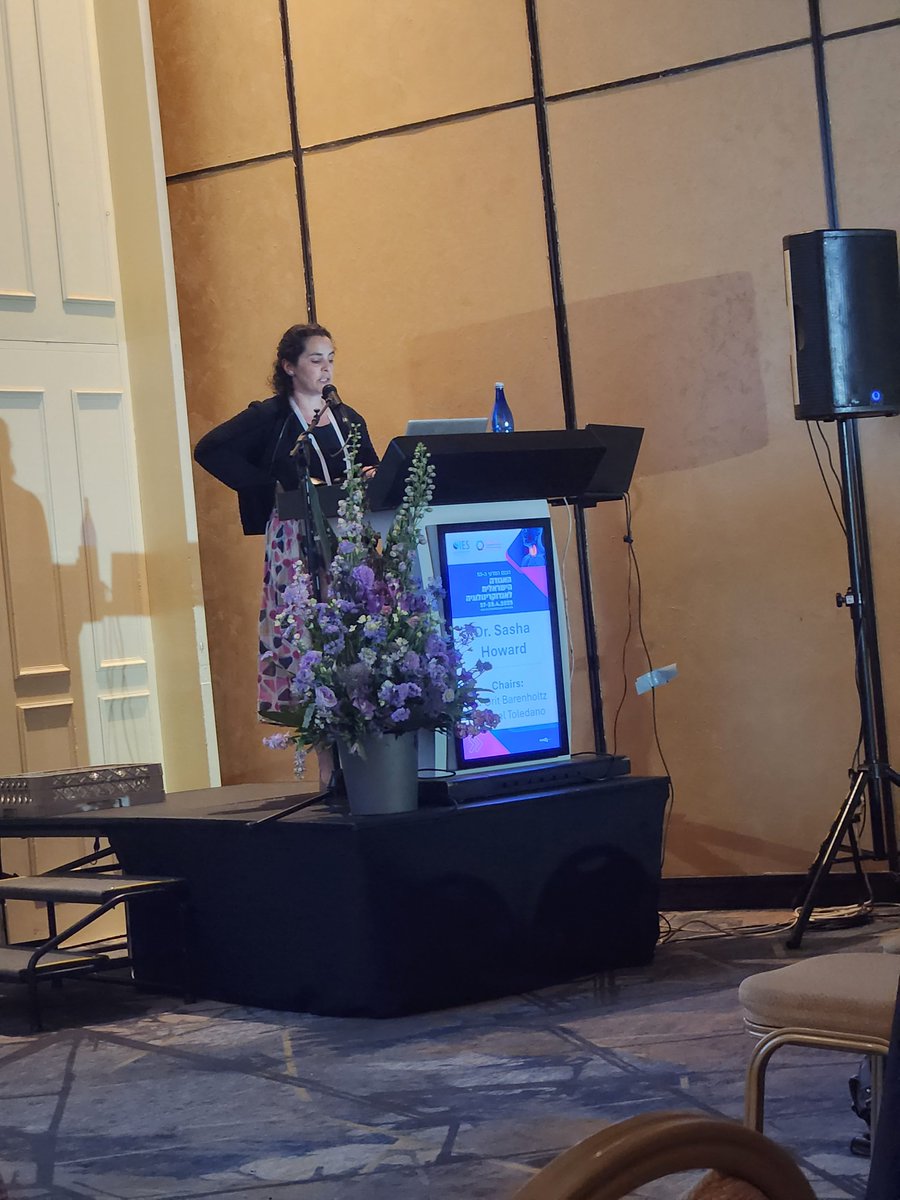
Two wonderfull talks on the genetics of pubertal timing and minipubery by Sasha @drsashahoward at our annual meeting @IsrEndoSociety. And a great meeting organized by @DannyBenZvi