Alex Puissant, Ph.D., is a Principal Investigator in the Hematology-Oncology Department at the Saint Louis Research Institute & Hospital, Paris, France.
New #GeneEditing systems named PRINCE and Little Prince employ small molecules to control both nuclease and guide RNAs—achieving precise control over the duration of gene editing and reducing off-target edits in mouse models. @Shenzhensuat_sz https://t.co/TCVzWlnhQM
Excited to share a publication from my PhD work in Nature Communications. Grateful to Dr. Frederic Bost for his mentorship and to the Ligue contre le cancer for supporting this research.
#NatureCommunications#ProstateCancer#c3m https://t.co/GTfllbcbEE
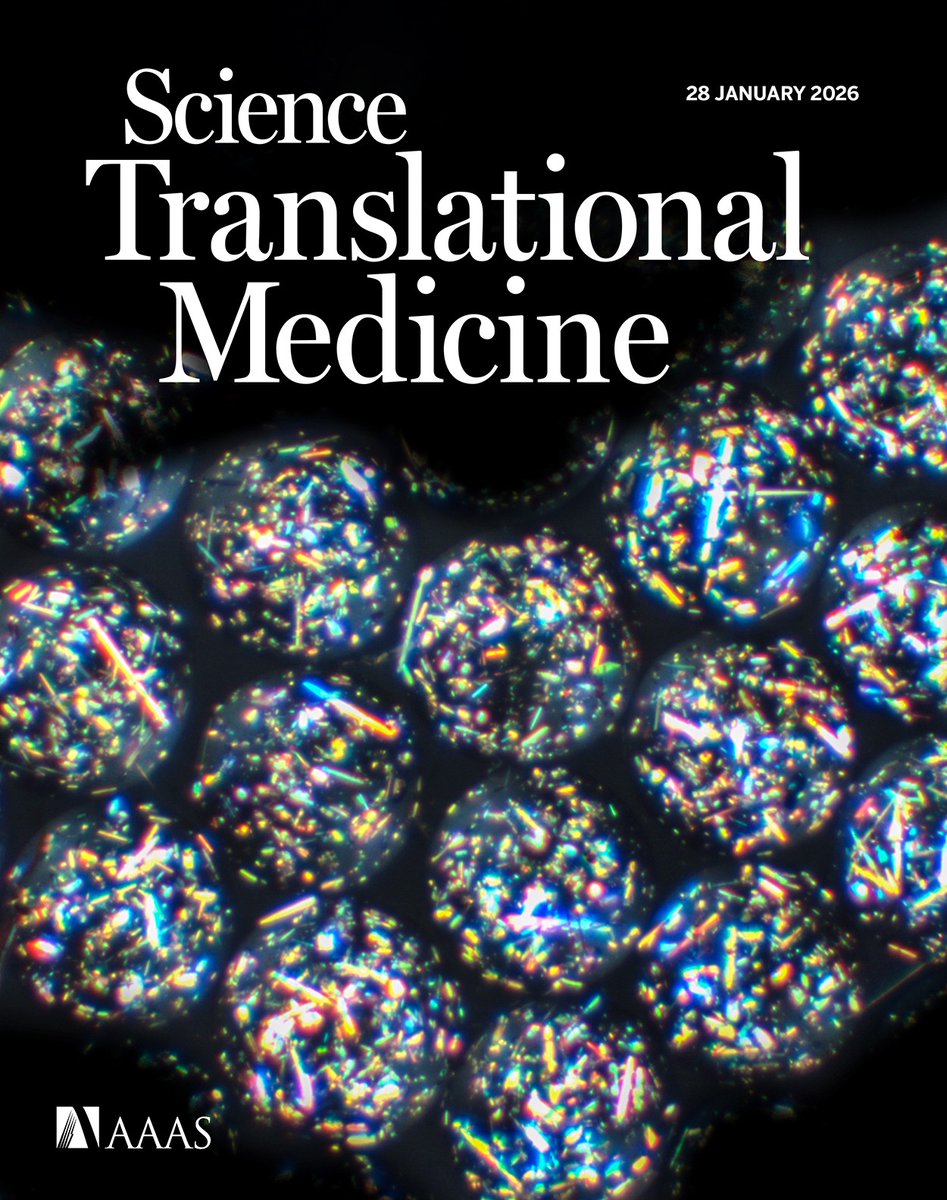
The new issue of #ScienceTranslationalMedicine is out!
A marker of poor outcomes during invasive candidiasis could inform personalized therapies, a skin temperature study in patients helps answer a longstanding question in narcolepsy research, and more. https://t.co/u3oDwRFF4H
A screening study that leverages SPOKE knowledge graphing examines over 1500 known drugs, and reveals that the drug candidate #bavisant has remyelinating and neuroprotective properties in models of #MultipleSclerosis. @InstitutCerveau https://t.co/24AtPtQHEG
RESEARCH | AE Stewart, DK Zachman, A Puissant, KC Wood, @matthewhirschey et al (@Inserm)
A #MachineLearning based approach probing pathway coessentiality reveals that #ComplexII of the ETC regulates de novo #purine synthesis, and can be targeted for AML
https://t.co/LT9SARYZje
Monitoring markers of #tau protein in the blood can predict functional outcomes in patients recovering from ischemic #stroke better than MRI, according to a comprehensive study of more than 1200 patients. @ISD_Research https://t.co/1WYuJk8eeT
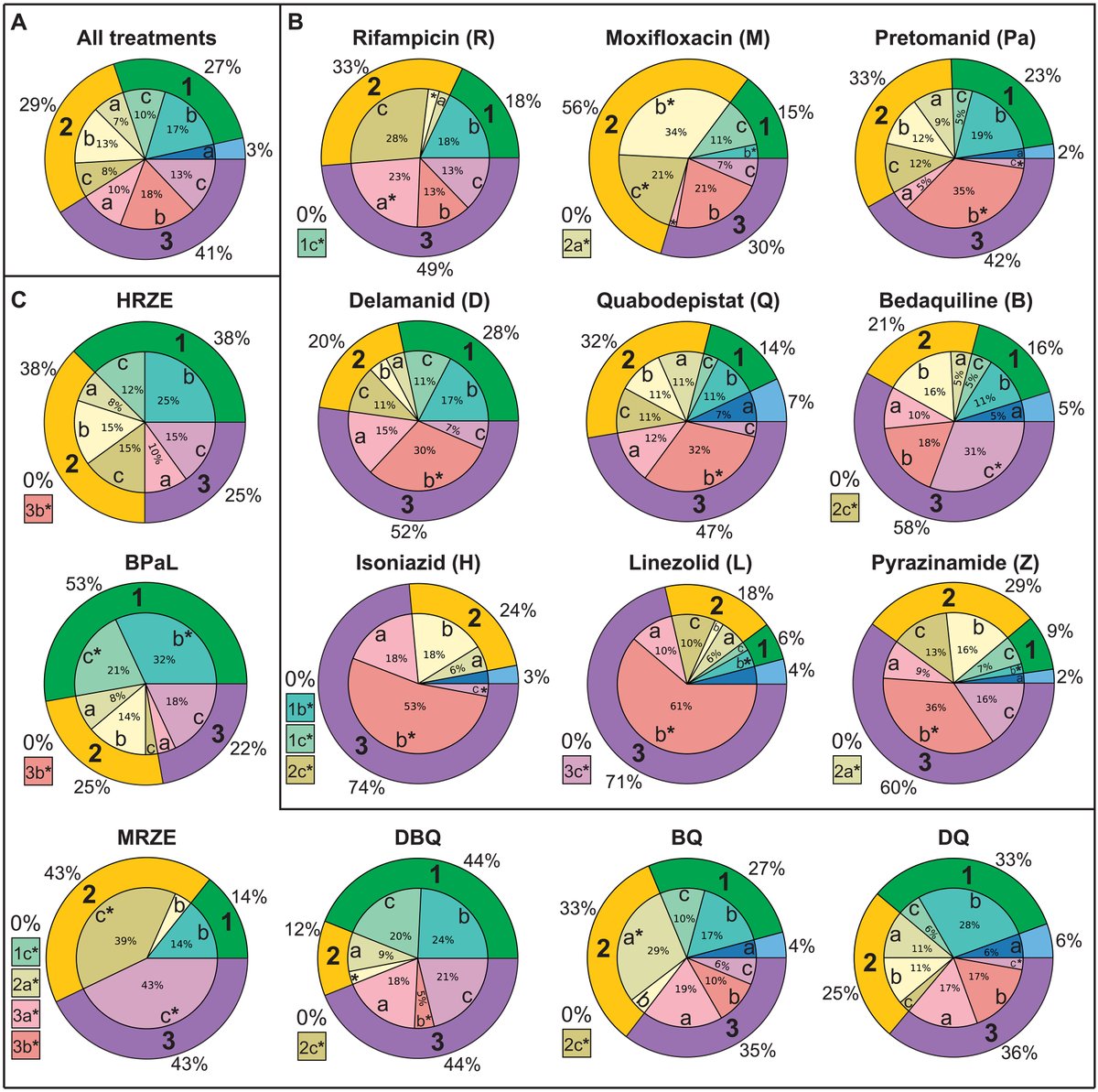
A team applies CT/PET imaging in #tuberculosis lung lesions in marmosets receiving 22 different treatment protocols, and shows imaging can predict known clinical outcomes from shortened and standard regimens. @AldridgeLab@taliagreenstein@TuftsMedSchool https://t.co/OLb5AZ1HsP
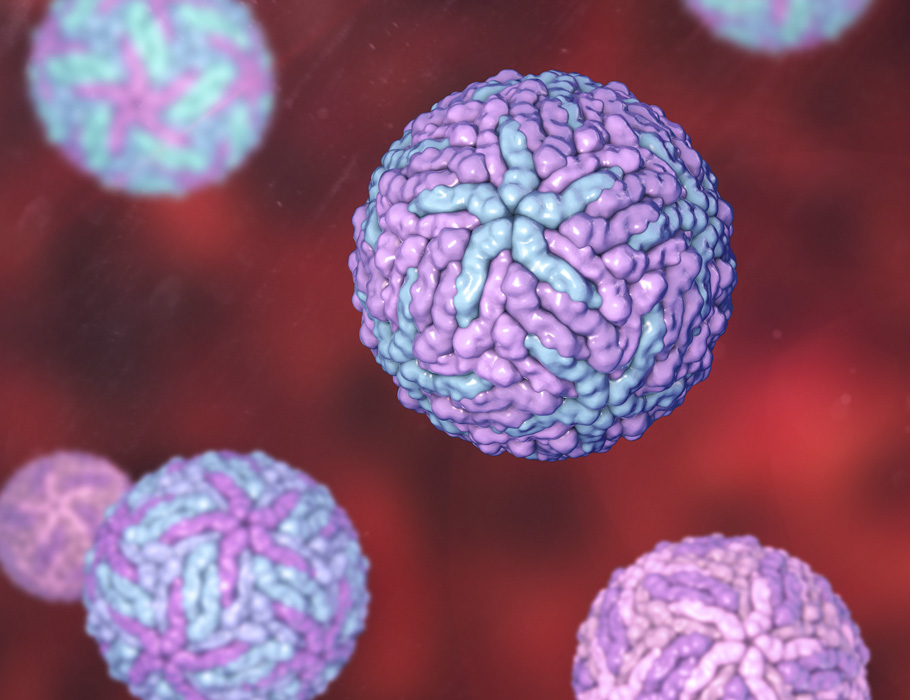
Gene expression profiling of #dengue infections finds that peripheral blood mononuclear cells #PBMC drawn from symptomatic and symptomatic individuals have distinct immune profiles. @sangerinstitute@MahidolU https://t.co/y5eypd49Ru