Educator, planetary scientist and musician. Forever a #Martian.
Tweets about planetary science, space, geology, education and more. Views are my own. She/Her.
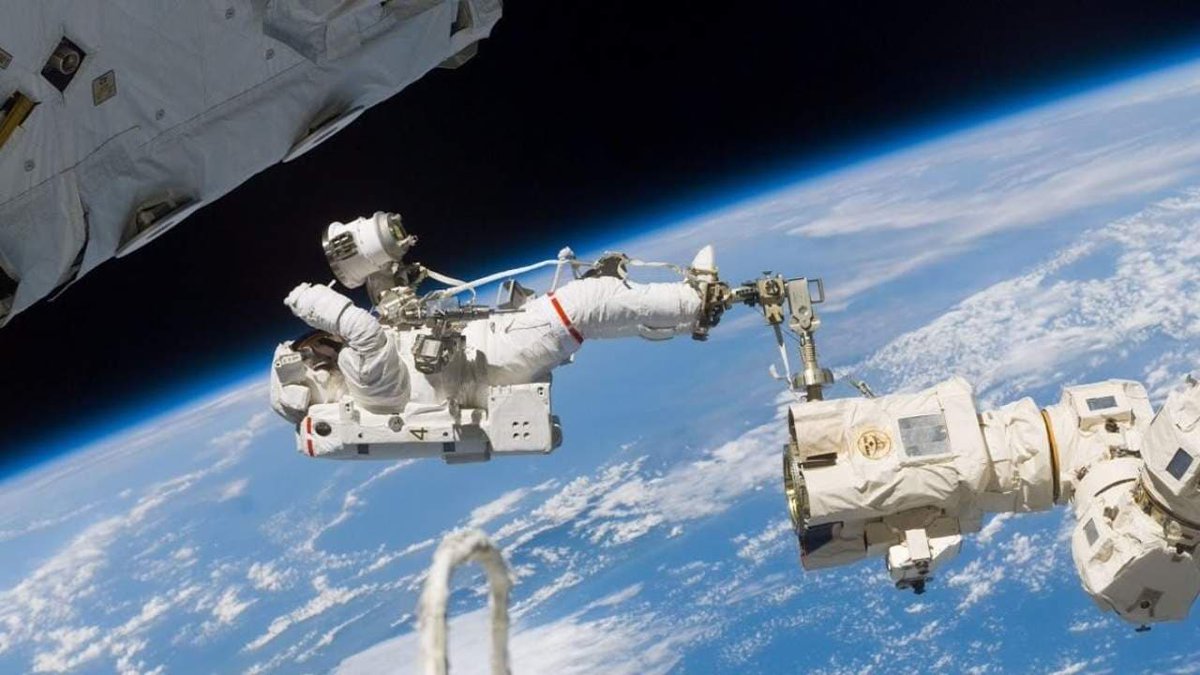
#ICYMI: For almost 20 years, astronauts have continuously lived and worked on the @Space_Station. During this time, there have been more than 3,000 research investigations from researchers in 108 countries and areas. Check out some of them in this infographic from @NASA.
Observing our universe in different kinds of light 🌌
Each of these images combines data from our @ChandraXray observatory with data from other missions. How this "multiwavelength" approach helps astronomers understand objects in space: https://t.co/XLQjmbQxdv
📸 This is Messier 106, also known as NGC 4258, is a relatively nearby spiral galaxy, seen by the NASA/ESA @HUBBLE_space Telescope. This image processed in 2018 shows the galaxy in ultraviolet light 👉 https://t.co/UoLgl02SzF
#ICYMI - The first Flight Support Booster (FSB-1) test for future flights of NASA's SLS rocket is slated for Wednesday, Sept. 2. Members of the media will have the opportunity to participate in a teleconference following the test broadcast. DETAILS >> https://t.co/mey0lnKeY1
Since it's @Cmdr_Hadfield's birthday today - here are some pics of glorious #Canada 🇨🇦: #Vancouver in the sunshine, #Calgary in the snow and an icy James Bay. Happy birthday Chris!
#OTD in 1964, @NASA launched Nimbus-1, the first in the Nimbus series of meteorological satellites. This series allowed us to conduct in-depth, constant observation of everything from natural disasters to global climate indicators to the movement of plankton in the ocean!
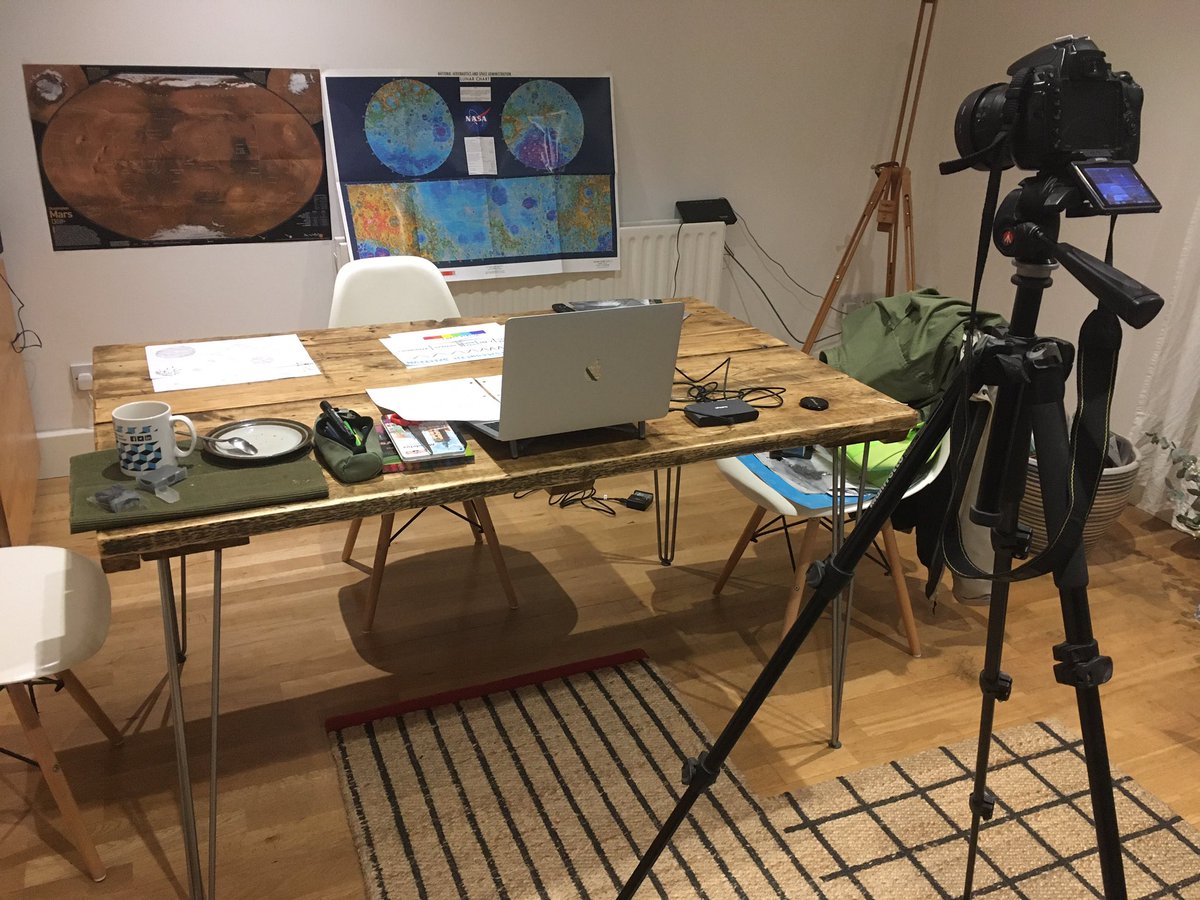
I’m preparing my video contribution to @SoapboxScience London, which will be an online event this year. I’ll be talking about photographing the surface of planetary bodies and the use we can make of it, a.k.a. planetary geomorphology #scicomm#WomenInSTEM#phd
An important panel -- with openings for windows -- has been completed for the @NASA_Orion spacecraft for the third #Artemis mission. As the first woman and the next man approach the Moon, they'll peer out the windows of the panel. TAKE A PEEK >> https://t.co/H8mTU3ttPQ
Recreate @NASAKennedy's iconic Vehicle Assembly Building, where #NASASLS and @NASA_Orion will be assembled before their #Artemis Moon missions, in our latest step-by-step #drawARTEMIS guide >> https://t.co/Uka1jbfO04
@UKPlanetary#Chicxulub forever! Dating of the event indicates it's probably the impact that lead to the Cretaceous–Paleogene extinction event, so certainly had quite a #impact.
To mark this year's International #ObserveTheMoon Night on September 26, NASA is inviting the public to create and share their lunar-inspired artwork. Whether its poetry or a drawing, you can submit your creations to the official Flickr page HERE >> https://t.co/bxXTmn7MT0
📸 This image from ESA/Roscosmos @ESA_ExoMars@ESA_TGO shows Ariadne Colles, taken on 2 September 2018. This unusual 'chaotic block' terrain has a large number of dark streaks, possibly produced during dust storm: 'dust devils' stirring up surface dust 👉 https://t.co/1veJM8KzRL
Lunar caves, as large as entire towns, could provide shelter for human exploration. Caverns on the Moon and Mars can offer enough space, protection against cosmic radiation and stable temperatures for astronaut bases, a recent study suggests 👉https://t.co/u8k1gyvtTb
Calling UK amateur astronomers! @CA_AstroComm, @astrosnat and @tyseren are looking at barriers to entry to astronomy, and why people stay/leave astronomy. If you have a few minutes to complete their survey they'd be very grateful https://t.co/1MxYTDbLzv