En este vídeo expongo a grandes rasgos mi proyecto de investigación de Maestría. Con mis directores @ElolassoG y Emilio Realpe esperamos que los resultados contribuyan a la toma de decisiones en pro de la conservación de los páramos en Colombia.
Felicitamos a @Laura_Manrique2, Bióloga egresada de nuestro Dpto. de @CienBiolAndes y estudiante de nuestra Maestría en Ciencias Biológicas, ganadora de la Beca Colombia Biodiversa II-2021 otorgada por la @FAAEColombia a su proyecto “Red de polinización del #Páramo#Matarredonda”
🦇 Fascinating study on pollination interactions: bats feeding on flower pollen for its amino acid content! 🌸
Spoiler: these bats aren't main pollinators.
A cool example of unexpected trophic links in floral ecology.
👉 https://t.co/IKUwAyXq7u
🔍 Increíble estudio sobre interacciones de polinización: ¡murciélagos que consumen polen por su contenido de aminoácidos! 🦇🌸
Spoiler: la mayoría de estos murciélagos no son polinizadores.
Un vistazo fascinante a la ecología trófica floral.
👉 https://t.co/IKUwAyXq7u
ENG 👇
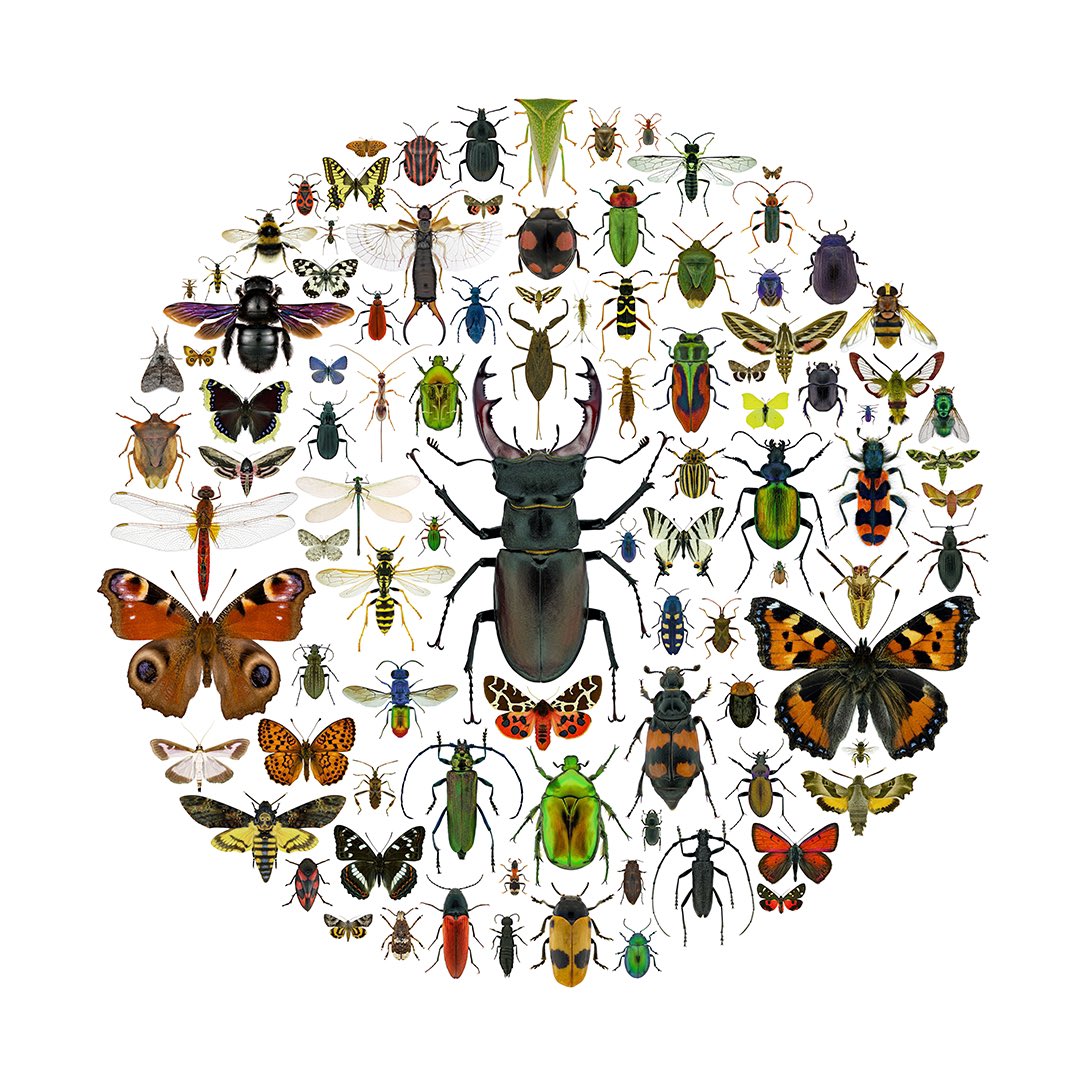
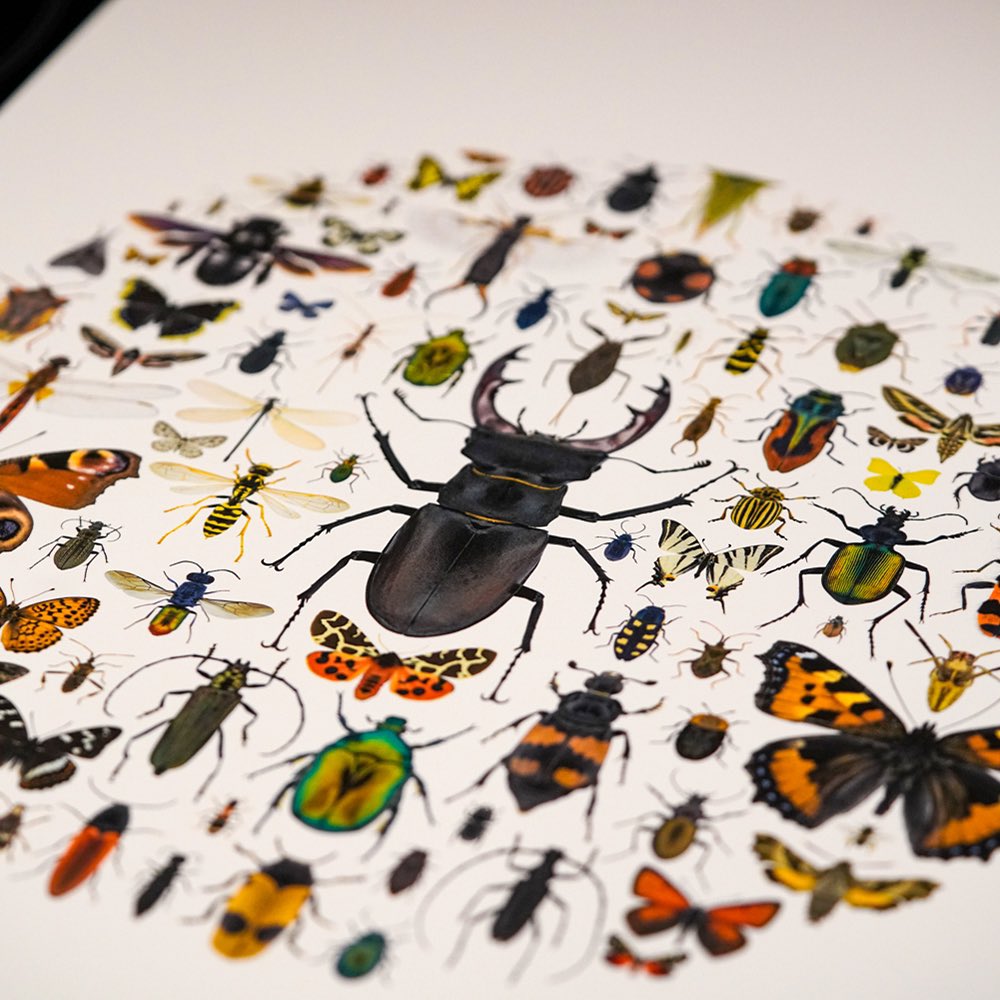
🇬🇧 Insects - Artwork of evolution
This project cost me many hours and nerves. In order to make the insects fit together more harmoniously, they are not on the same scale. This way, even the smallest ones have the chance to present their beauty to our eyes.
🇩🇪 Insekten - Kunstwerke der Evolution
Diese College kostete mich viele Stunden und Nerven. Um die Insekten harmonischer ineinander zu puzzeln sind sie nicht im selben Maßstab. So haben auch die ganz kleinen unter ihnen die Chance ihre Schönheit für unser Auge zu präsentieren.
#macrophotography #insects #evolution #entomology
Hoy, después de 13 años de empezar este experimento como Fellow de STRI, de mucho trabajo creando clones y siguiendo su destino en el tiempo podemos con orgullo mostrar este trabajo de 12 años de datos y de pura fuerza femenina latina 💪. @stri_panama@AcademicStri @SNI_Panama
Nos enorgullece anunciar la publicación de nuestro artículo sobre redes de 🌿 planta-polinizador 🌸🐝 en el páramo colombiano ⛰️ (https://t.co/ADw4vtgSNE 🧵 1/5
Move over mitochondria, a new organelle called the nitroplast is here.
In a Science study from earlier this year, researchers report that a nitrogen-fixing organelle has been identified in a marine alga. Learn more in this #SciencePerspective: https://t.co/N2XWT32koR
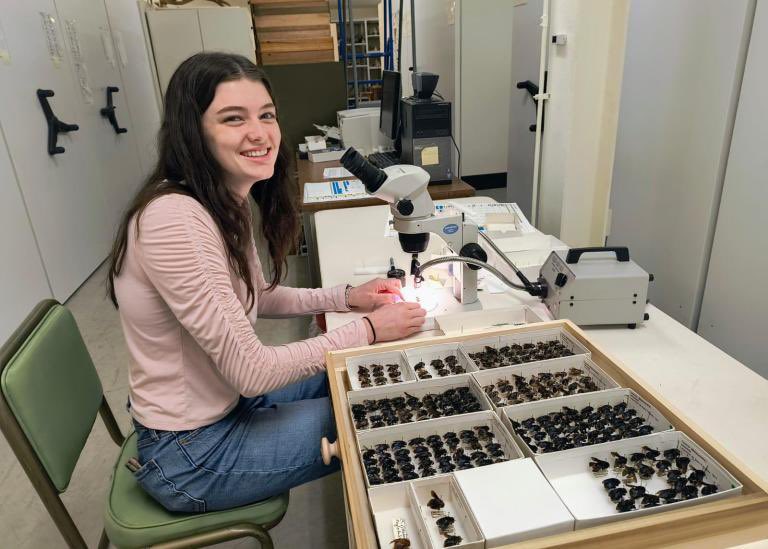
An exciting summer research opportunity for undergraduate U.S. students! Join us to explore how climate and landscape changes affect plant-pollinator interactions in one of the world’s most biodiverse regions. #Bees#NSF#Tropics 🐝✈️🇨🇴 Apply now! https://t.co/3HLPGYxgjQ
Help students attend the 2026 IUSSI conference in Freiburg, Germany! 🐝 Our goal is to support at least 4 students. Let's raise more than $10,000 and show our support for students in our community! 🐝 PLEASE donate if you can! Scan this QR code, or click the link in the thread 🐝
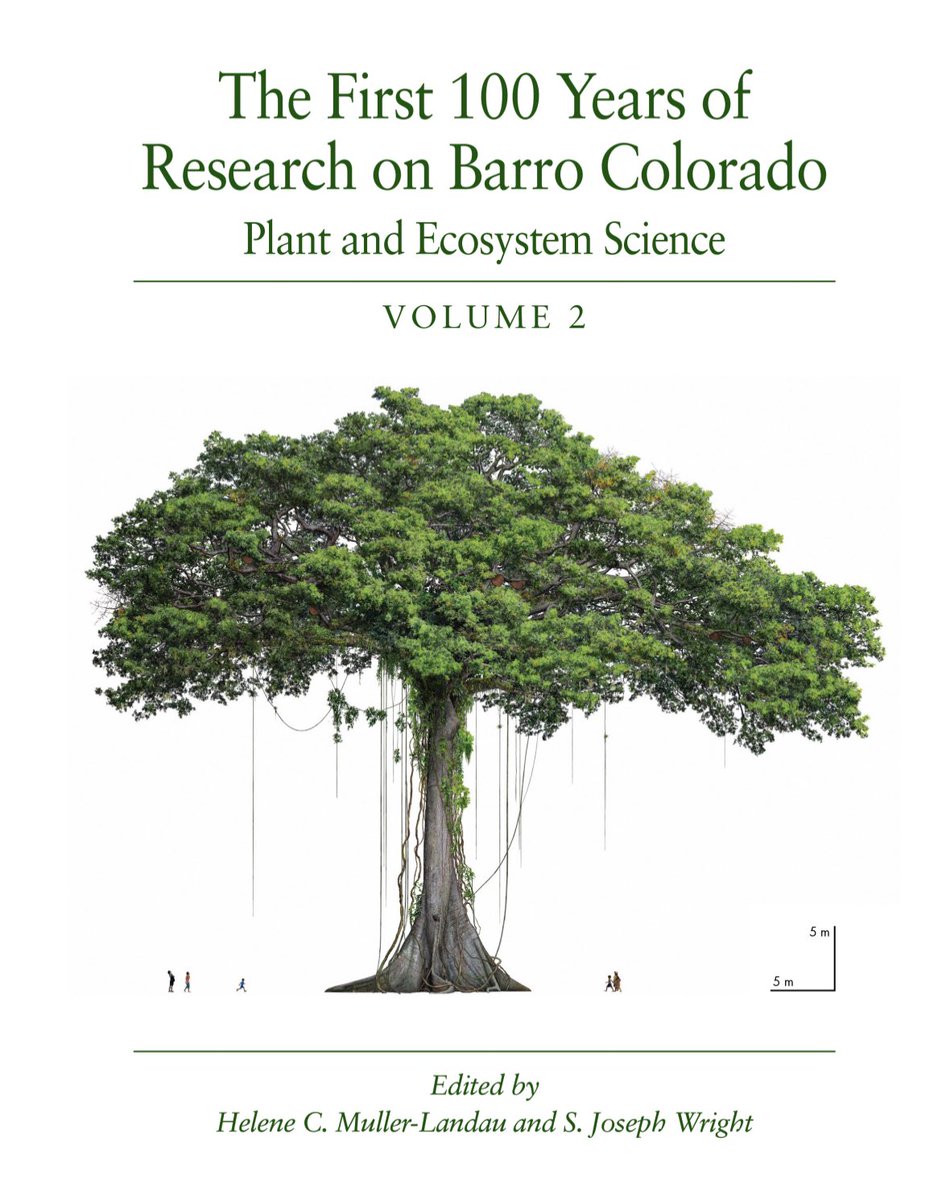
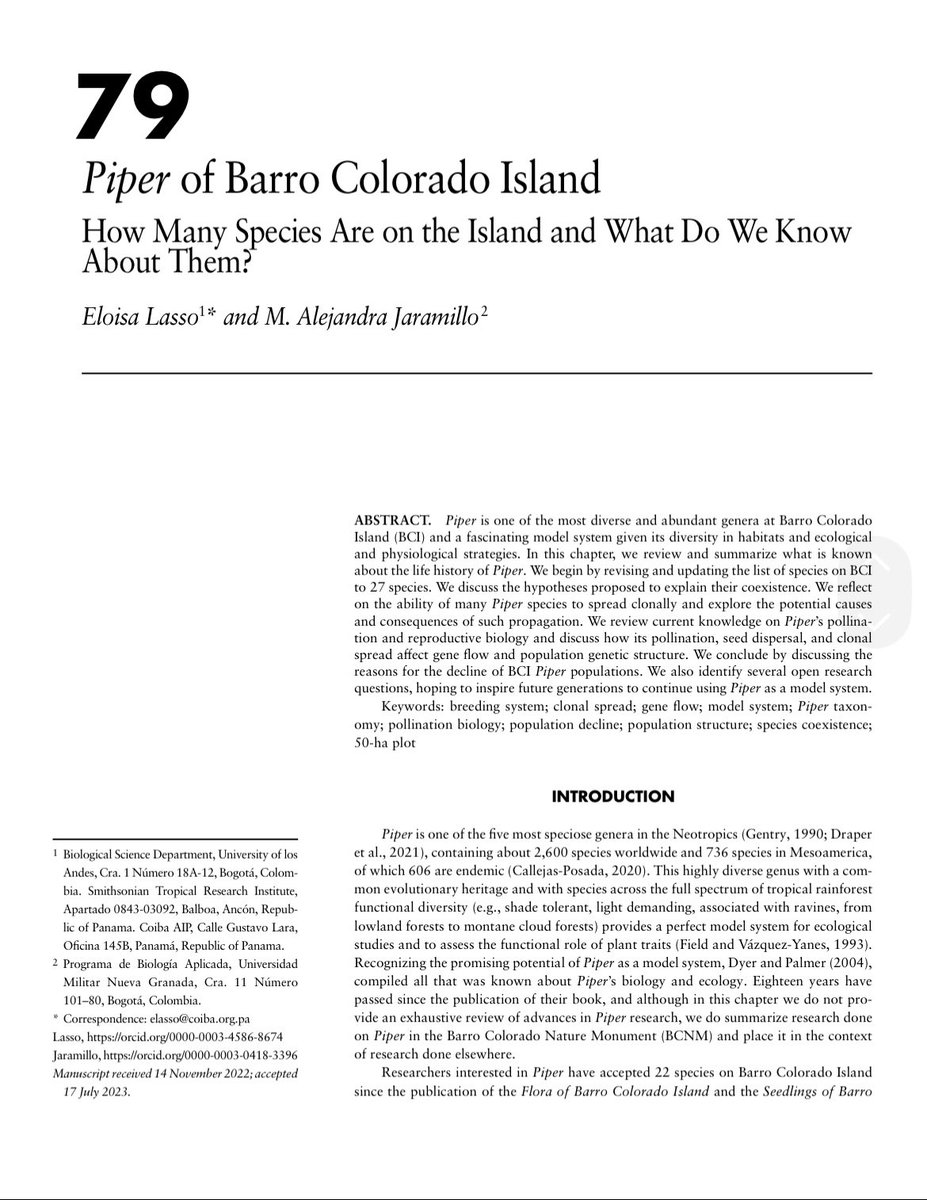
Hoy fue publicado el hermoso libro de los 100 años de investigación en BCI. La hermosa portada muestra la Ceiba gigante de BCI con una copa de 60m de ancho! Y en el, nuestra contribución con un capítulo sobre Piper. Se puede ver todo acá https://t.co/wy3w8rQnLj
Our paper on how biting helps during buzz pollination is free to read. Thanks to @UU_University for providing open access fees. Buzz-pollinating bees deliver thoracic vibrations to flowers through periodic biting: Current Biology https://t.co/pKZ202CG5J
la ciencia colombiana está desfinanciada y la situación es cada vez peor. carta abierta de la asociación colombiana de facultades de ciencias, a la que pertenecemos en @CienciasUAndes, para el presidente @petrogustavo
And it's out! Take a look at our paper, we show how we installed an automated radio telemetry stystem to track hummingbirds in high-mountain ecosystems in Colombia: https://t.co/9RyXMtD2Cs
🇬🇧Sunflower pollen on the wing scales of a hummingbird hawk moth (Macroglossum stellatarum). If you look closely, you can see that the scales are even slightly transparent. Sunflower pollen has a diameter of approx. 30µm (0.03mm), human hair approx. 60-80µm.
🇩🇪Sonnenblumenpollen auf den Flügelschuppen eines Taubenschwänzchens (Macroglossum stellatarum). Sieht man genau hin, kann man erkennen, dass die Schuppen sogar etwas durchsichtig sind. Sonnenblumenpollen haben einen Durchmesser von ca. 30µm (0,03mm) Menschenhaar ca. 60-80µm.
#macroglossumstellatarum #hummingbird #hummingbirdhawkmoth #schwärmer #hawkmoth #lepidoptera #sun #sunflower #pollen #entomology
La corbícula (flecha amarilla) permite a los abejorros almacenar polen proveniente de diferentes plantas. El polen lo utilizan para alimentar sus larvas.
En las imágenes de 🔬 confocal se puede ver la corbícula, la variedad de polen en ella e incluso polen enredado en sus patas!
Excited to share this hot-off-the-press work in New Phytologist! With @azuluagat & @JMHbiologistico, we used experiments to address the adaptive significance of a trait common among bat-pollinated flowers...
Full article here:
https://t.co/5a1ZzseUuJ
(1/5)
🚨New Paper🚨
🌻Planting flowers in urban areas significantly boosts pollinator numbers across Cornwall!🌻
@OliverPoole_ from @UniExeCornwall lead this study showing that by planting flowers in towns led to a TWO-FOLD increase in pollinators!
Full paper: https://t.co/bOVSKUY6yn
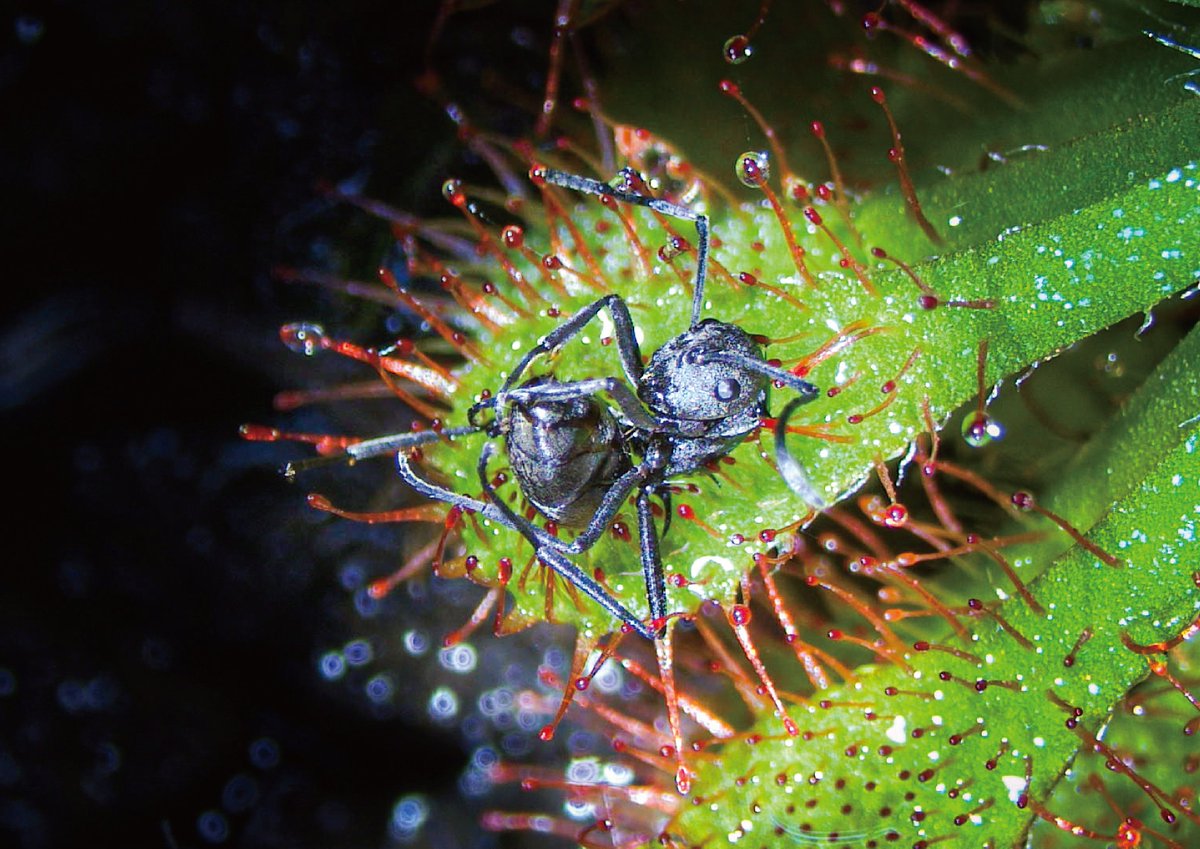
I am super excited that one of the most interesting finding in my lab was published in @NatureMicrobiol !!
Have you heard about the fungus that helps carnivorous plants digest insects? 🐜🍃
No hay una sola convocatoria en @MincienciasCo para ciencias. Las convocatorias son energías limpias, soberanía alimentaria, convergencia regional y ordenamiento territorial, paz, y servicios ecosistemicos. Los saberes locales, territoriales y ancestrales 🧵