🚨 Today we report cryo-EM structures of Bxb1 integrase complexed with its attB/attP DNA substrates before, during and after recombination.
We engineer Bxb1 mutants with improved recombination and altered sequence recognition properties.
Out today @MolecularCell ⬇️
(1/6): How can we better test therapeutics without using animals or risking lives? Lab-grown human mini-organs, called “organoids”, provide an answer! Despite their progress, organoids and related methods lack realistic flow through blood vessels, the “plumbing” of our bodies.
(1/7): New preprint from the lab! We generate physiological vascular flow in vitro to vascularize organoids, interrogate the effects of hemodynamic forces on vascular architecture, and model the disease Hereditary Hemorrhagic Telangiectasia.
My earlier work helped me appreciate how allelic diversity quietly limits therapeutic genome editing. Co-leading this project to begin tackling that challenge has been a major highlight of my postdoc!
Really excited to share this synthetic phosphorylation piece out @ScienceMagazine. We present design rules for engineering synthetic phosphorylation circuits and its application in engineering cell therapy.
https://t.co/QZLNqELc4e
Excited to share our new paper, "Glutamine missense suppressor transfer RNAs inhibit polyglutamine aggregation," published in @MolTherapy_NA! Grateful to be included in this work — a great way to close out 2024 and the first semester of my PhD! https://t.co/Xsh5B5ALYp
Excited to share our new work on causal sensitivity analysis for fairness metrics at #NeurIPS2024! We've developed a causal sensitivity analysis framework to understand how underlying measurement biases (encoded by DAGs) impact machine learning fairness evaluations. 1 / 5
Explore our tagging tools from the @Pelletierlab! They feature cassettes with mStayGold for bright and photostable endogenous fusions.
Now available on @Addgene: https://t.co/gxIlil1ZHK.
Check out the paper in @embojournal: https://t.co/1f0ZQCI2J0
#FluorescenceFriday
I don't see what makes the GFP design "chain of thought". It's a multi-step process that involves Gibbs sampling, many selection filters, human decisions, and heuristics to see works best. It's classic computational protein design with a very powerful generative model. 5/
Preprint alert! The force-sensitive protein, FHL2, promotes atherosclerotic endothelial phenotypes (junction discontinuity, hypercontractility, and high tissue permeability) through actin-microtubule crosstalk!! Check out the whole story on bioRxiv: https://t.co/Ijm9kKR0gT
😍Cool preprint from @laurpelletier and @hdmwyatt
qTAG: An adaptable CRISPR-based endogenous tagging protocol using optimized repair cassettes 🧬✂️
https://t.co/5dqaFsK32B
Check out the latest preprint from Johnson Lab @LIMSLTU@SABE_latrobe and Piper Lab @MonashSci – a fully synthetic diet that supports #Drosophila development! We demo an application in fly models of human metabolic disorders. #nutrigenomics 🍔🪰🧬https://t.co/5bp84cMFnv
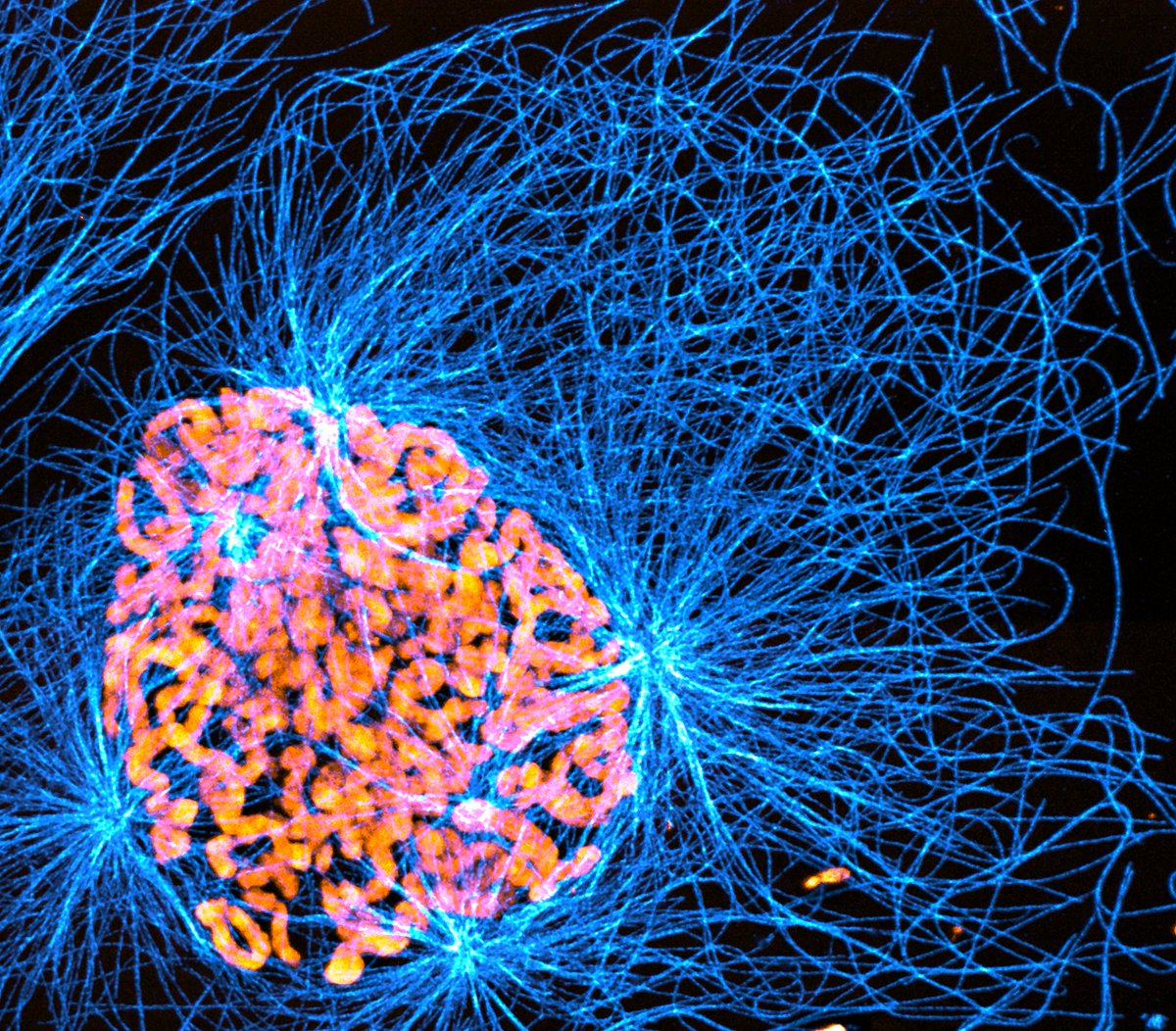
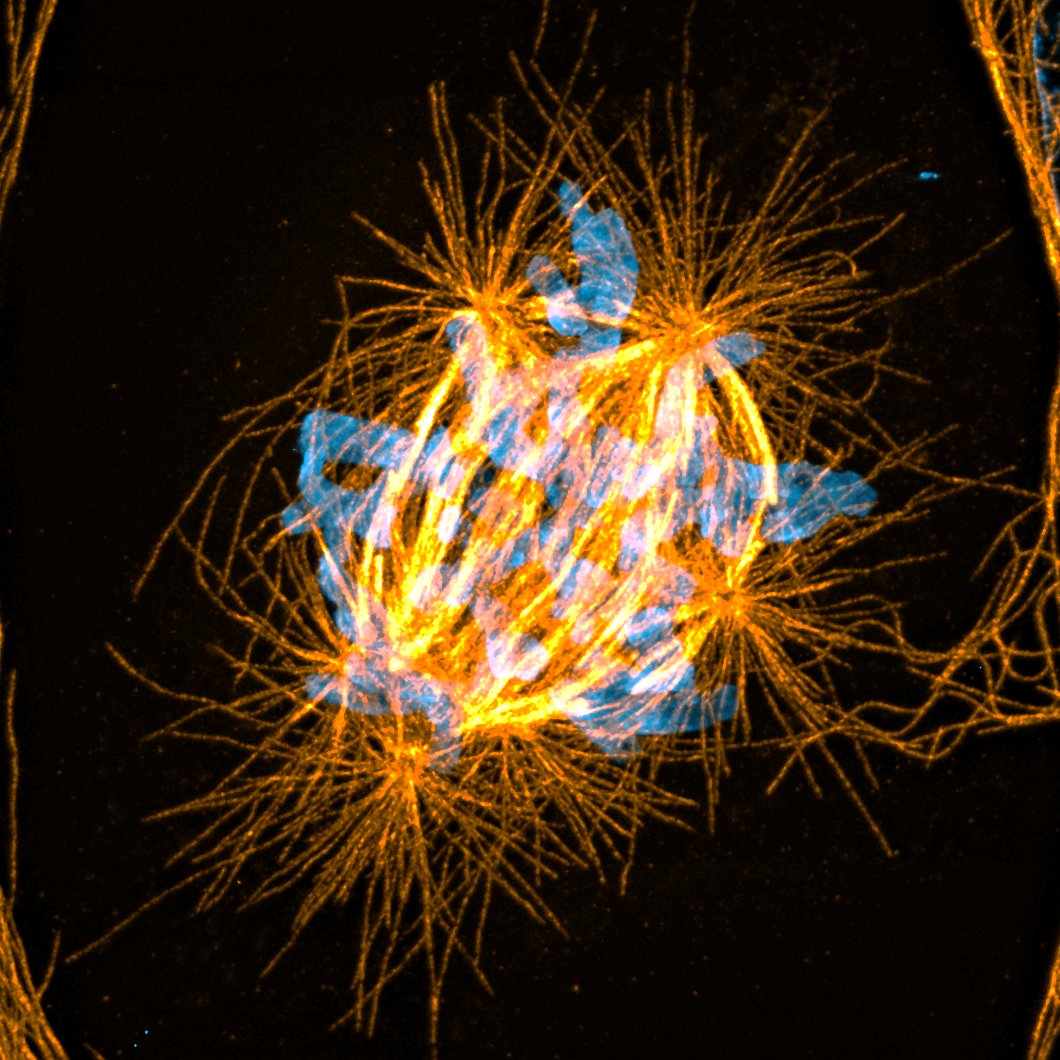
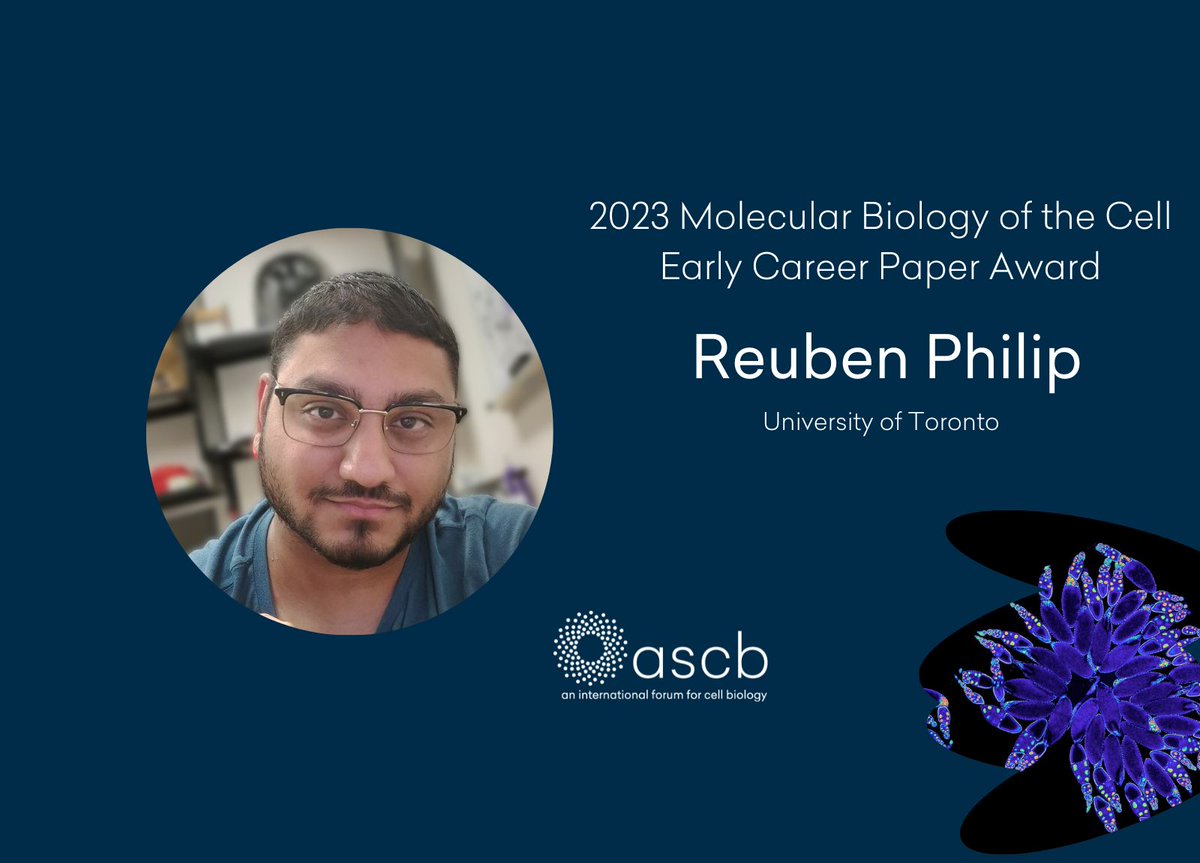
Reuben Philip, @UofT has won @MBoCjournal Early Career Paper Award for
“Terminally differentiated osteoclasts organize centrosomes into large clusters for microtubule nucleation and bone resorption.”
https://t.co/SJbvAk2HAm
@reuben_phi
We extend our studies in understanding the role of PAX6 in neurodevelopment using human cerebral organoids!
Similar to mice, PAX6 loss results in ectopic inhibitory neurons but data indicates possible species-specific differences.
Short report⬇️
https://t.co/1ouAO4DI8W
New preprint! When we interact with the real world, we have an endless array of possible actions we can take. But we know that we don’t get overwhelmed by all those possible actions. We’re pretty good at picking the right actions for the situation. 1/5
I'm thrilled to announce that I've been granted another fellowship this yr! A huge shoutout to @laurpelletier, @SivaramMVS, n @SamMathew_RCB fr their outstanding recommendation letters. I'm immensely grateful to @laurpelletier support throughout this journey.#Grateful#Fellowship