🚨New paper alert led by @imperial_pigeon !!🚨
We find that establishment of safeguards reduced forest loss in only 45% of the protected areas analyzed across Southeast Asia! Can carbon markets improve protected areas?
Check out our paper here: https://t.co/Q43f5lZ0K7
Our letter calling for adequate protection of Asian Dowitcher, >200k #waterbirds, and coastal #wetlands in Lianyungang was published today in @ScienceMagazine. See threat for more details (some not included in the letter). 1/9
Full letter at https://t.co/kiGKoy2hli
JOB ALERT: Recruiting a technician for new project I'm excited about sleuthing butterfly evolutionary responses to climate change. Tentatively named WARP (WA resurvey of Pierids) and involving farms and a ghost town! Open now until filled: https://t.co/gYOgPCcWwN @UWBiology
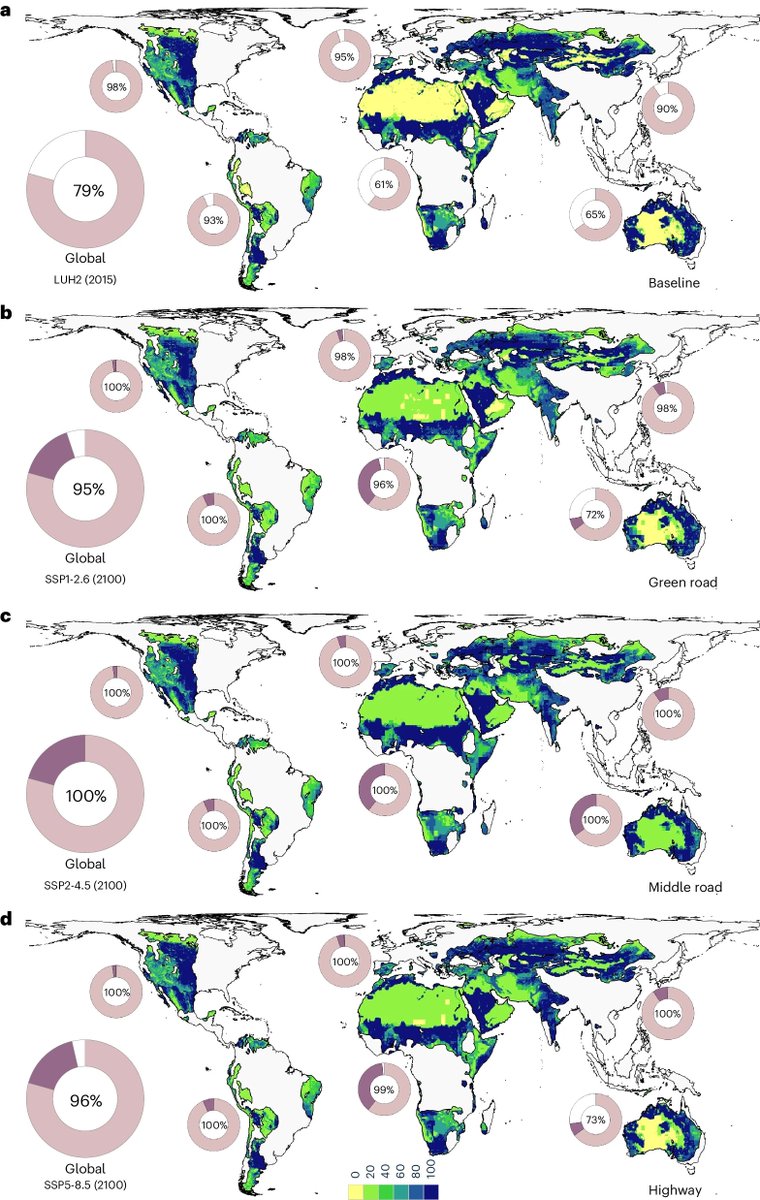
A star-studded cast, including past and current Drongos @LiangMa1990, @_chrisLcrawford, and @RebeccaASenior show that the world's deserts are far from deserted in their new paper just out in @NatureComms—an enlightening and worthwhile read!
Glad to know that our paper entitled “Global patterns of climate change impacts on desert bird communities” was featured on Editors’ Highlights webpage. https://t.co/u8Fc8rMMuA
*New Paper Alert!* https://t.co/ogjAU0Rvvb
As my friend & former labmate @LiangMa1990 says: "Deserts may lack water, but they do not lack life!" 🌵 These ecosystems are unique & diverse, yet also expected to be hit especially hard by climate change now & in decades to come. 1/8
Seen me on Instagram lately & swear it’s for “research”? Finally, some proof in @NaturePortfolio's @naturesustainab, where we used IG posts & aerial maps in Hawaii to show how coral reefs & coastal tourism can be intimately interconnected but also at odds. https://t.co/lyLwk3HHyx
A lifetime ago, began an excellent collaboration with @666brunno999 @BrettScheffers@jamesdale68@UF. Now at @CEGDurham@DurBiol & our paper is finally out in @CurrentBiology.
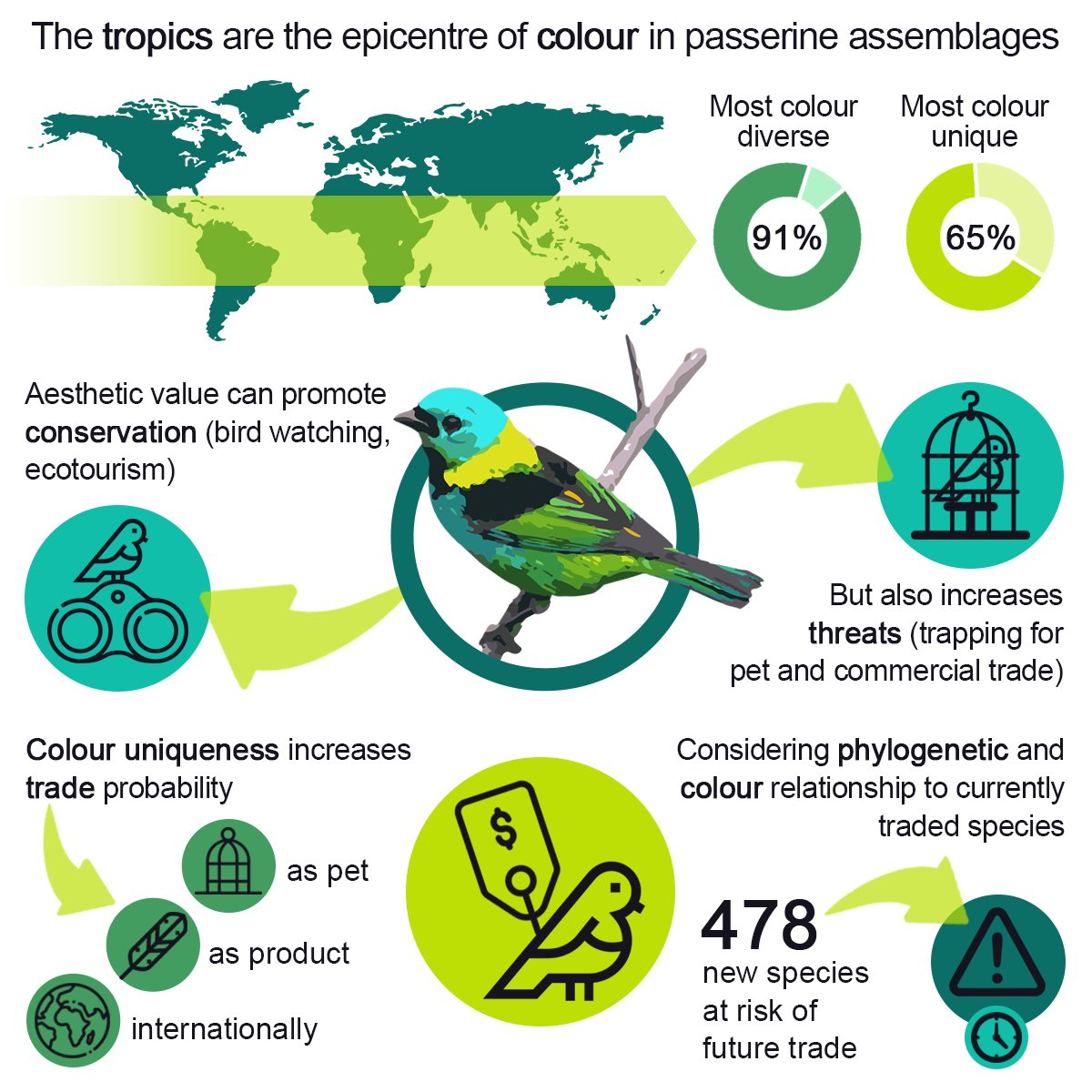
Distribution of songbird plumage colour & its association w wildlife trade:
https://t.co/ScnLx8HQVg
Variable impacts on reproductive energetics may render oviparous squamates more vulnerable to climate warming than viviparous species
https://t.co/dzCMaCOxmp #climatechange#reptiles#lizards#GlobalWarming
Oviparous species may be more vulnerable to climate warming than viviparous ones at sympatric zones because of higher flexibility of reproductive frequency --- check our latest publication on Ecography:
https://t.co/pJhMpS3vxk
Predicting range shifts of pikas (Mammalia, Ochotonidae) in China under scenarios incorporating land use change, climate change and dispersal limitations https://t.co/iroiF3e2XD
My first sole author publication just out in @SpringerEcology's Coral Reefs! From the POV of a #Divemaster & #marine scientist, this Perspective piece addresses the woefully underrated problem of "reef contacts" in #scuba diving & what to do about it. https://t.co/4pedkKAkTg
Very excited to share my new paper with coauthors @ldemaz, @TSearchinger, & my advisor David Wilcove in @ESAApplications! How does the way we measure biodiversity affect which spaces we choose to farm, & which we choose to protect? I’ll tell you below! 1/ https://t.co/7pFHzCxtlD