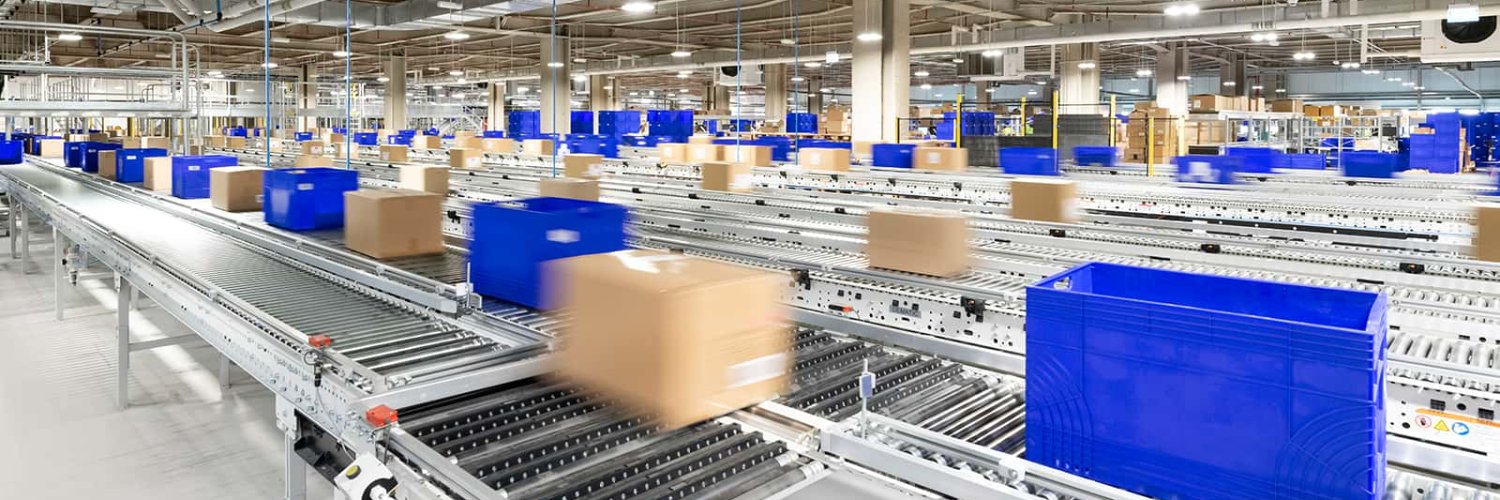
@magonmetal@noxmetals The thing that decides whether "at scale" happens is the boring iron between the machines. Plenty of shops buy great machines and choke on how material moves between them. Capacity is a flow problem as much as a machine problem. Good to see more billet staying here.
@sendcutsend This never gets old. The cut's the easy part to love. The skill nobody films is the nesting and keeping that slat bed flat so parts don't tip into the kerf. Clean run.
This is the whole game. The OEM's lead time quietly becomes your downtime, and it always lands when the line's already stopped. We build our conveyors so wear parts are standard stock you can reach and swap fast, not a six-week factory order. Anything that touches the work should be quick to get.
@titangilroy We build conveyor frames out of heavy steel and call it a good day if the weld holds and the thing's square. You guys engineering elegant fixes for chips in the coolant is a different sport entirely. Respect to the machinists, we'll stick to the welder.
@photoncmndr The shop version is breathing welding smoke and arguing over who took the good grinder for 12 hours. Different damage, same Friday voice. Rest the pipes, you earned it.
@WasteAdvantage And the sorter is only as good as what reaches it. Surge it, bury it, or feed it unevenly and even a great optical line throws money into the residue. Half the margin is decided upstream on the conveyors nobody photographs, before the material ever hits the sorter.
7 questions that separate a real conveyor builder from a box-shifter. The one that flushes out resellers: "How do I reach the bearings and idlers to service them?" Make them show you. A real builder walks you through it. A reseller gets uncomfortable right about there.
@SkinnyfatTony Pour one out for the old iron. Every shop has the machine everyone swore was dying ten years ago that still nails the part. The good ones don't retire, they just get grumpier and harder to kill.
@engineers_feed In a fab shop it's not an oil, it's a faith. If it squeaks, soak it. If it's seized, soak it. If you're not sure what's wrong, soak it and walk away. Comes back working out of spite.
@prac_machinist We see this on the plant floor too. A recycling line will buy the robot and the optical sorter, then watch it choke because the conveyor feeding it was never tuned for the surge. Automate a process that isn't dialed in and you just make the jam happen faster.
@MachinaLabs_@nTopology Custom fab lives or dies on this. We build every conveyor around one plant's layout, so "the factory keeps up" means re-fixturing for a job that didn't exist last month. The machine's the easy part. Staying fast through the changeover is the whole game.
@SWANA This is the half of the job nobody photographs. A grapple truck and a transfer station don't care it's storm week, they just have to keep moving wet, heavy, unpredictable debris all day. Six counties of that on one crew is no small thing. Good on them.
@sendcutsend@reindsummit@jimbelosic "Hire good dudes" is the whole game and the hardest thing to buy. Two software guys, we bought a conveyor fab shop. Capital you can find. The welder who lays a clean bead on a 40-ft frame at 6am decides whether it ships. Patient investors matter, patient hiring matters more.
"We'll spec stainless, it holds up better in recycling." But stainless resists corrosion, not abrasion, and in recycling the enemy is usually abrasion, not rust. What lasts in a wear zone is mass: thicker standard plate and bolt-out wear surfaces. Spec for the actual enemy.
@pitandquarry Site selection quietly decides the next thirty years, made before anyone buys a single bolt. Respect for quizzing the part nobody studies.