5 key takeaways from our most recent engineering video on anodizing:
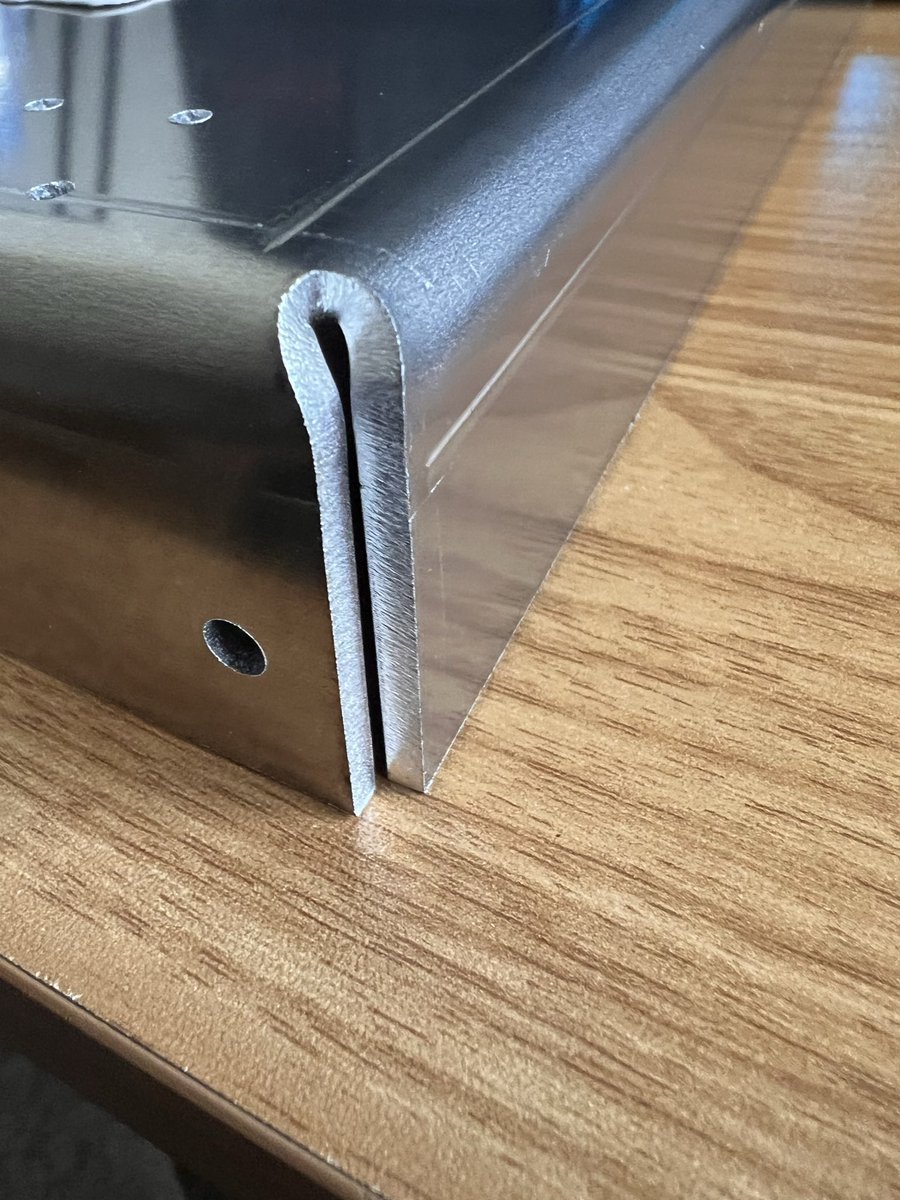
Anodizing isn't a coating. It's an electrochemical process that changes the surface of aluminum by growing a thicker oxide layer.
Aluminum naturally oxidizes. When exposed to oxygen, aluminum immediately forms a thin protective oxide layer that helps prevent further corrosion.
Electricity drives the anodizing process. By placing aluminum in an electrolyte bath and applying electrical current, we can grow a much thicker, more controlled oxide layer.
The oxide layer allows for color. Anodizing creates a porous surface that can absorb dyes. A sealing process then helps lock in the color.
Anodizing improves aluminum's performance. The thicker oxide layer provides better corrosion resistance, wear resistance, and electrical insulation while also allowing for cosmetic finishes.
the kids are gonna be alright
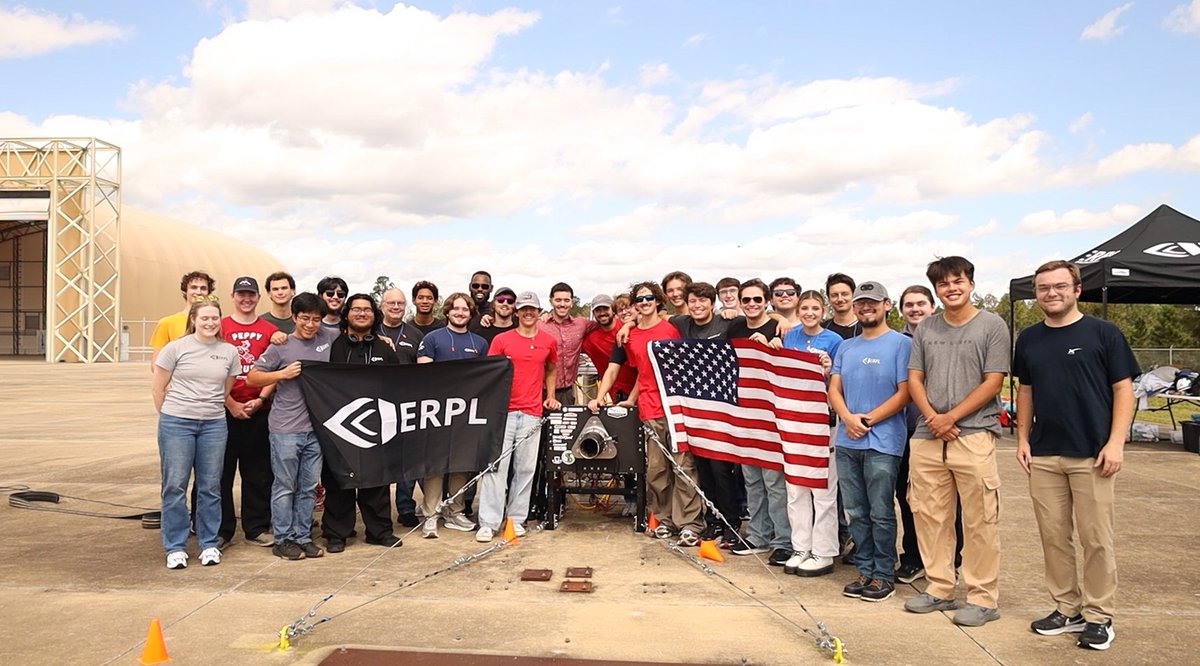
“🔥 15 tests. 15 successful lights. 🔥
Our new methane/oxygen spark igniter for the Lyra engine successfully lit on its very first attempt and has now completed 15 successful tests.
Lyra will power Vertigo, our next competition rocket for the 2026-2027 FAR-OUT season.
One step closer to flight.”
tomorrow, 9am at @FabtechExpo catch @jimbelosic, Bryce (Director of sales) and Devin (Sr. Manufacturing Engineer) for SendCutSend talking about Modernizing Legacy Shops. Room: N223-224 🚀
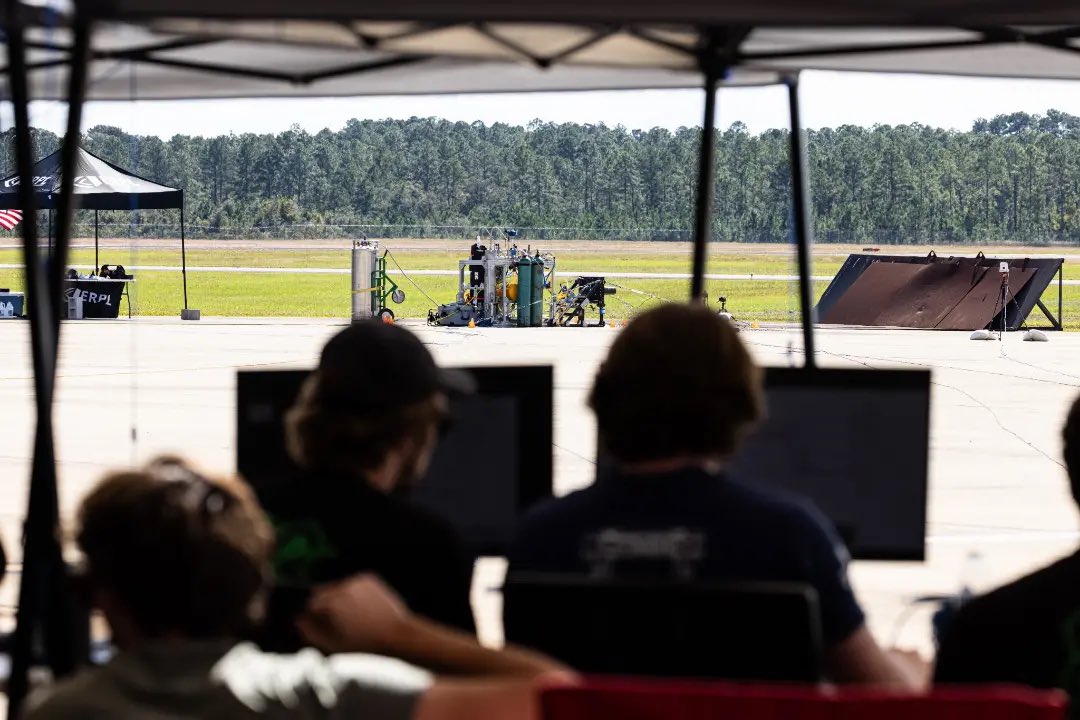
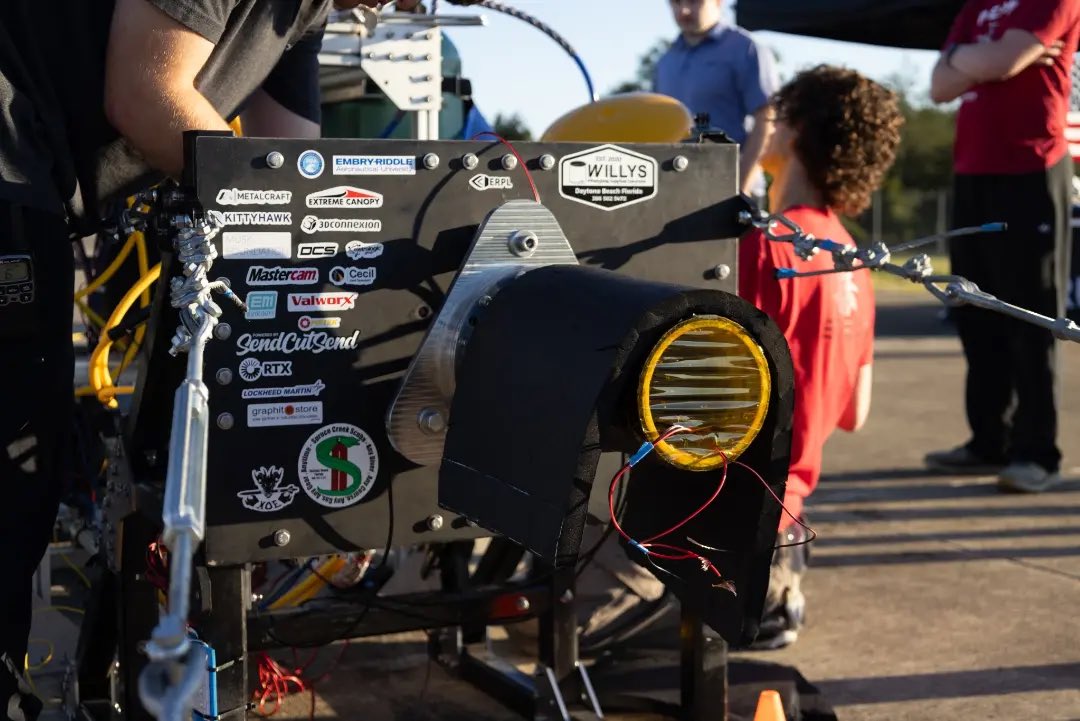
After 2 previous attempts, our team was able to successfully hotfire a composite MOE engine, reaching 1950 lbf thrust. This keeps us on track for a December launch.
Thank you to our sponsors and partners who make this possible.
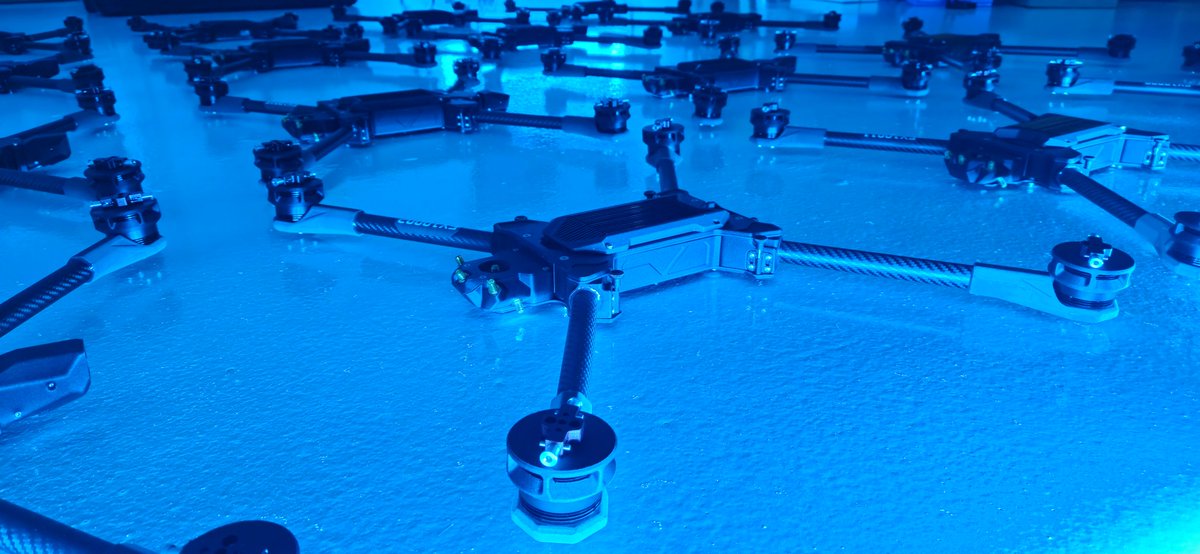
The @USArmy has awarded K9 with a prime contract for the Exodus-L Tactical sUAS.
The contract has been fulfilled under budget, on schedule. Exodus is now operationally fielded supporting Army infantry missionsets & training.
Total Warfare Paradigm Shift ➡️