1/ Thrilled to share our DNA-Diffusion paper, co-led by @bioinfolucas & @srsenan , is now out in @NatureGenet! New experimental results: STARR-Seq validation across 3 cell types (episomal) and EXTRA-Seq for endogenous activation of AXIN2, a leukemia protective gene!
1/6 🍍🍕🧬 What do a photo of Italians savoring pineapple pizza and a synthetic DNA sequence have in common? Both can be intricately crafted by generative AI! Introducing DNA-Diffusion, our AI model set to advance #SyntheticBiology and #GeneRegulation: https://t.co/rK4MzRnvw7
Weekend project with my son, Hot Dog Hero 🌭
A game where a hero runs around collecting hot dogs.
@claudeai wrote the code; we were the creative director, playtester, and relentless QA team :) It's silly and colorful, have fun!🕹️ Play here: https://t.co/nJ1a7XhjxC no install!
Could the folding of synthetic gene circuits in 3D shape how genes are expressed? Today @ScienceMagazine we report on the role of gene syntax in shaping feedback between transcriptional activity and genome folding for advanced circuit design🧵 (1/n)
A history of viral encephalitis is one of the strongest risk factors for developing dementia. With @JacobJacobog02, Yifan Chen, @RNA_Life, and @RyanDhindsa, we refine this link by describing a neuronal cell type that can reactivate HSV-1 in humans 1/n
https://t.co/y8D2orzUur
Scaling laws are powering AI. It’s time to scale biology.
Today we’re launching the Virtual Biology Initiative to generate the data to unlock scaling laws in biology and build accurate predictive models of the cell.
Digital representations of proteins are already expanding our understanding of life at the molecular level, and accelerating the design of molecules and medicines. Accurate digital representations of the cell could reveal the mechanisms that are responsible for disease, and show how to reverse them.
The protein data bank, and worldwide repositories of protein sequence biodiversity were created through decades of work by the scientific community. The advances in artificial intelligence for proteins would not have been possible without them.
The cell is orders of magnitude more complex, and we will need to create the data in just a few years rather than decades.
This will require a coordinated global effort. We're partnering with Broad, Wellcome Sanger, Arc, Allen, Human Cell Atlas, Human Protein Atlas, NVIDIA, and Renaissance Philanthropy.
Biohub is contributing to this effort as both a funder and a builder. We are developing microscopy to observe millions of cells in living organisms, and cryo-ET to resolve the cell in atomic detail. We're building instruments that expand the range of modalities and parameters that can be simultaneously measured. We’re developing molecular, cellular, and tissue engineering to create models of disease and design interventions.
The data we generate will be available to the worldwide scientific community.
We’re also committing $100M over the next five years to support work beyond Biohub.
We invite other scientific teams and funders to join.
Link: https://t.co/93Nw1QT5iZ
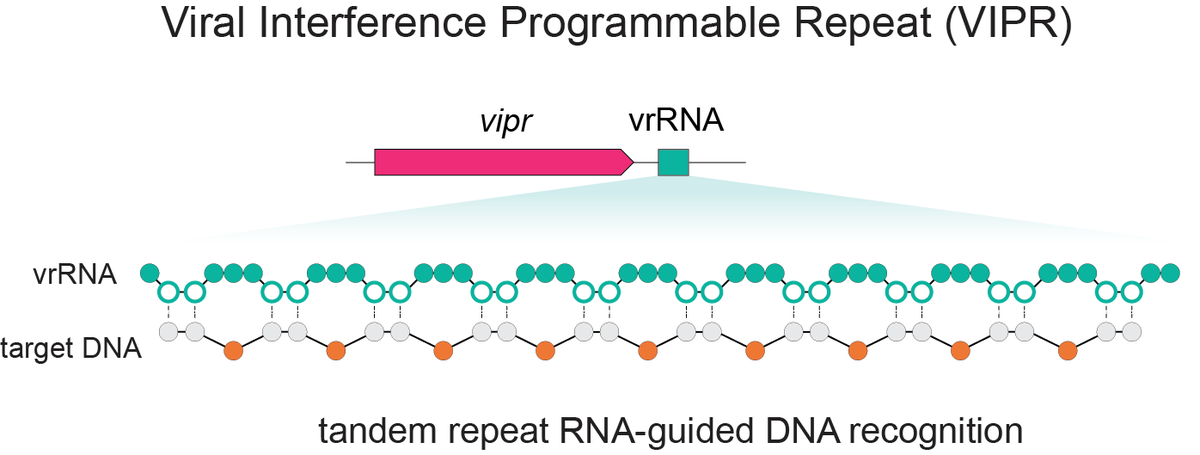
Excited to share our discovery of a new programmable RNA-guided DNA-targeting system hiding inside bacteriophages that predates CRISPR.
We call it VIPR (Viral Interference Programmable Repeat), and it uses an entirely new logic to find its targets.
Thread + link below.
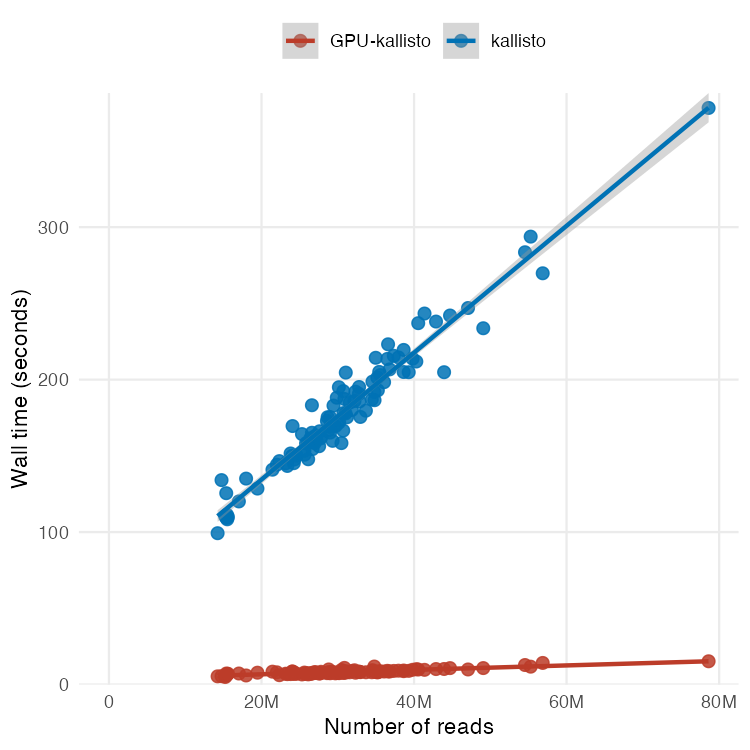
Excited to share this preprint that describes my latest work on using GPUs to accelerate processing of RNA-seq data.
The title says it all: "RNA-seq analysis in seconds using GPUs" now on biorxiv https://t.co/2JrOfsxNFV
Figure 1 shows they key result
Now published in @NatureComms! See my thread from the preprint for the full breakdown. Stay tuned for more work in this direction! 📄 https://t.co/o5JoWzably
1/9 Thrilled to share our latest work on CRISPR-CLEAR with @DSeruggia and @danielevanbauer labs. Over the past years we've been improving CRISPR tiling screen resolution and we have something to show you! Check also out David's excellent tweetorial!
@Trae_1992@NatureComms Yes this is real (we see expected mutations in the activity window), but only critical if you have enzymes with a permissive PAM like SpRY.
Excited to share new finetuning scripts for AlphaGenome in JAX! This was in collaboration with @anshulkundaje group.
As part of the initial release, we provide lightweight wrapper to finetune AlphaGenome on functional genomics (i.e. bigwig) tracks.
Check out this latest proof-of-concept regulatory DNA LM (called ARSENAL #GGMU) by @amanpatel100 that is pretty much the opposite of the current trends in DNALM literature. (Beware: Long thread) 1/
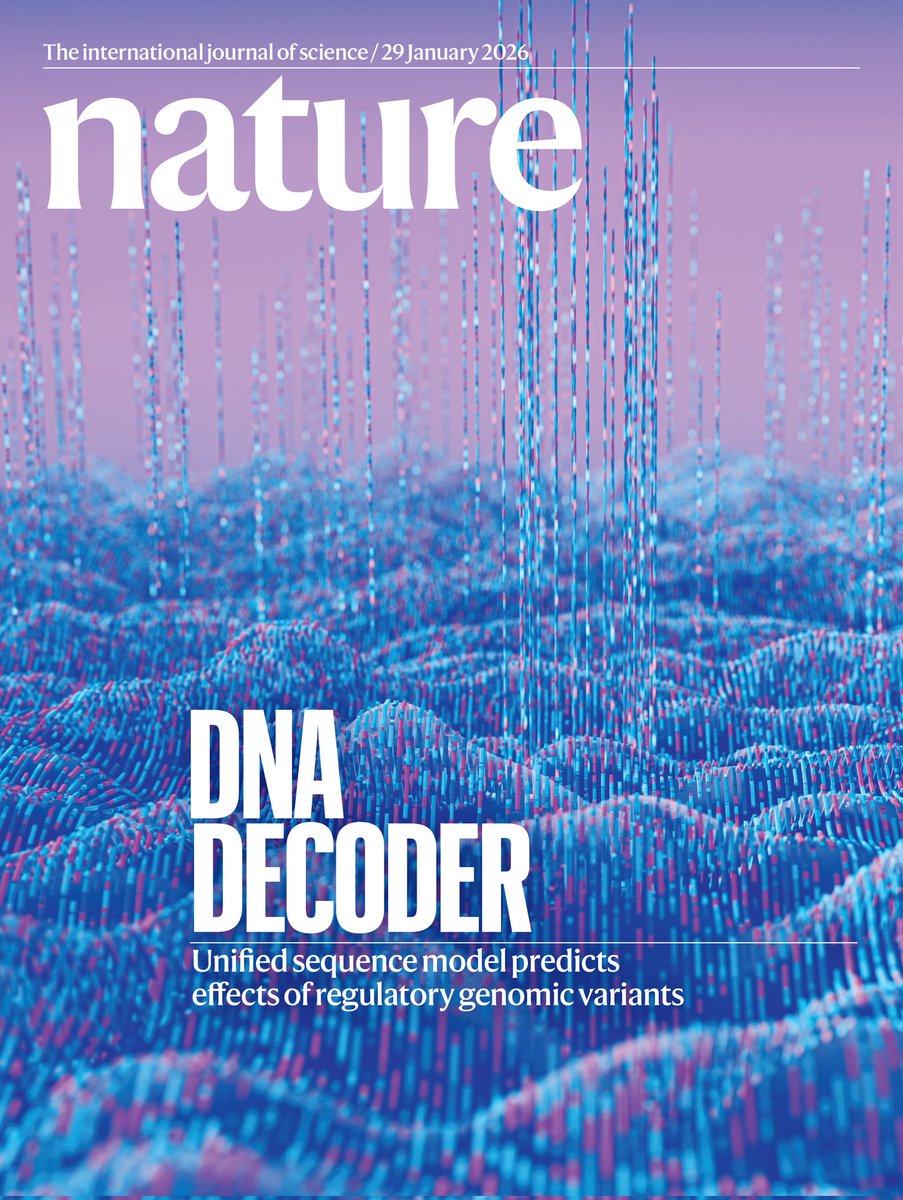
AlphaGenome is out in @nature today along with model weights! 🧬
📄 Paper: https://t.co/1fHzSPiY1x
💻 Weights: https://t.co/z6JWLT4Mpv
Getting here wasn’t a straight path. We sat down @googledeepmind to discuss the story behind the model, paper & API: https://t.co/cT8CiXfnxQ
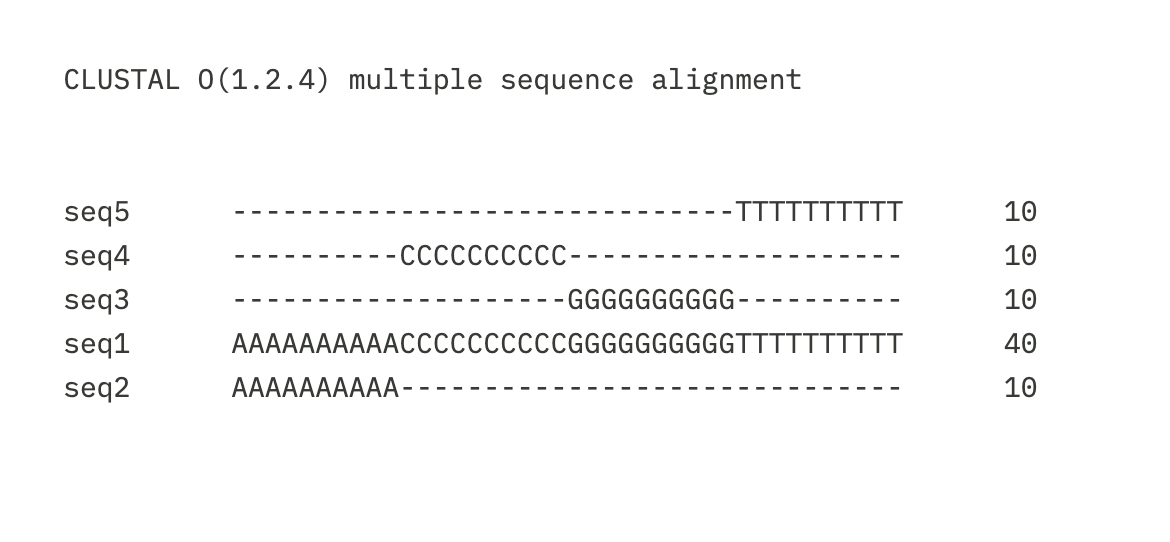
@btnaughton Alignism looks nice and I'm a big fan of @RobAboukhalil's work! It depends on the approach though. Clustal Omega gives you something more expected here, maybe worth adding as an option? 🙂
1/ Thrilled to share our DNA-Diffusion paper, co-led by @bioinfolucas & @srsenan , is now out in @NatureGenet! New experimental results: STARR-Seq validation across 3 cell types (episomal) and EXTRA-Seq for endogenous activation of AXIN2, a leukemia protective gene!
1/6 🍍🍕🧬 What do a photo of Italians savoring pineapple pizza and a synthetic DNA sequence have in common? Both can be intricately crafted by generative AI! Introducing DNA-Diffusion, our AI model set to advance #SyntheticBiology and #GeneRegulation: https://t.co/rK4MzRnvw7
I just updated the scDiffEq Python API (v1.1.0) to include animated visualizations of simulations.
You can generate GIFs (or still images) showing:
- Temporal gene expression dynamics
- UMAP projections of simulated trajectories
During my PhD, I found animations like these useful in presentations.
Available now in the latest release: https://t.co/Wkl0My7xT8