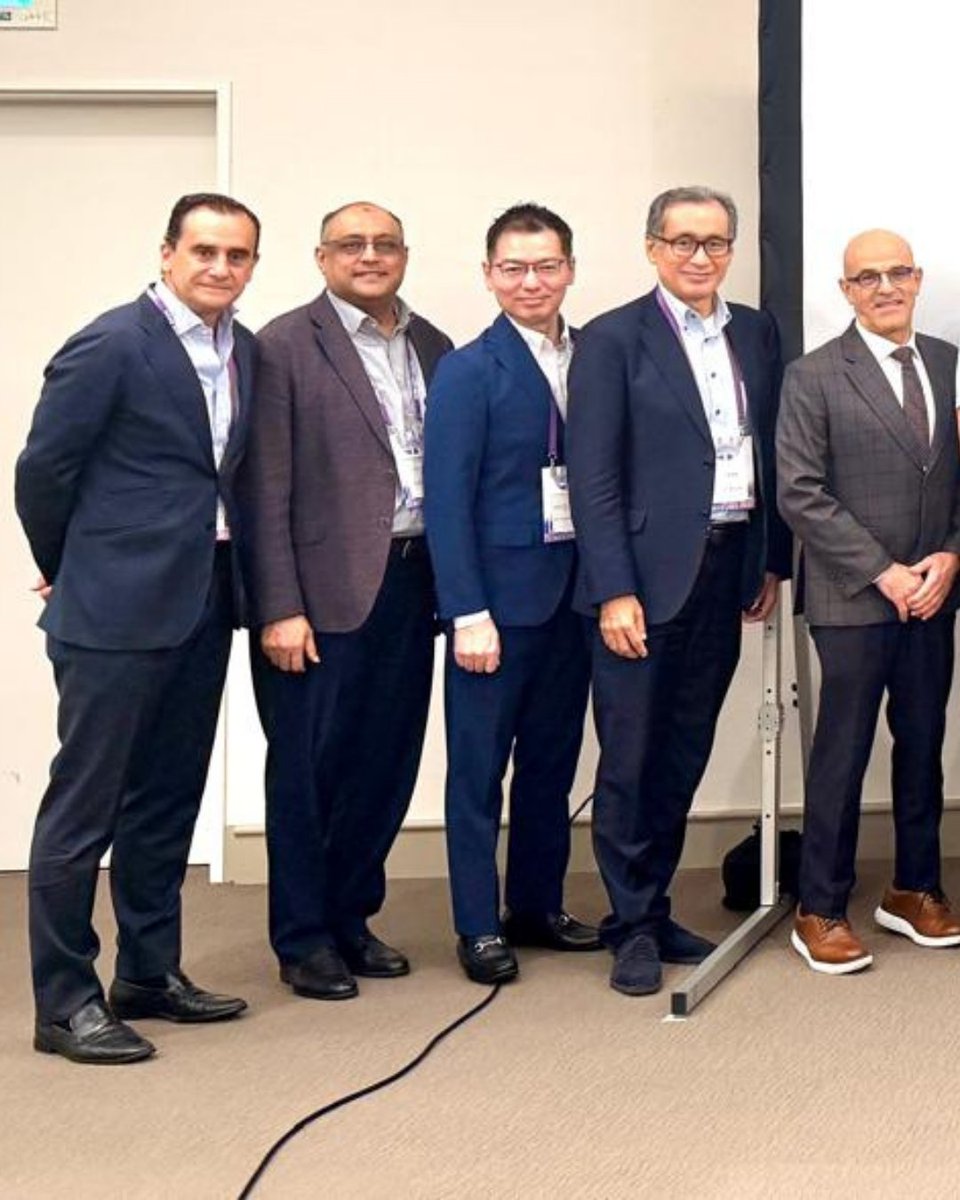
EAES takes over from JSES to organise #WCES2028 in Torino! 🏛️🌍 Yesterday, Nicole Bouvy, Alberto Arezzo & Arjan Appel updated the IFSES board on the latest preparations. Exciting times ahead! 👉 https://t.co/gnK2d10Ena #EAES#EAESFamily#EndoscopicSurgery
🌍 The International Society for Medical Innovation and Technology (iSMIT) is a global multidisciplinary community founded in 1989. 🤝
💡 Inspired by our visionary founder, John Wickham—inventor of the PROBOT 🤖 and pioneer of the term "minimally invasive therapy" 🩺—we are dedicated to the continuous advancement of these vital treatments. 🚀
🎯 Our mission is to unite medical practitioners 👨⚕️👩⚕️, engineers ⚙️, and researchers 🔬 to significantly reduce patient trauma after traditional surgical or radiological interventions. ❤️🩹
📖 We are also the proud official home of the MITAT Journal! 📰✨ @MITATJournal
Discover more: https://t.co/N7vwI7Tx44
Comparative analysis of subcutaneous emphysema and port site damage between robotic platforms in gastrectomy: Minimally Invasive Therapy & Allied Technologies: Vol 35 , No 2 - Get Access https://t.co/qkEdwMmhGK
Giorgio Gaber
È stato un cantautore, drammaturgo, attore, cabarettista, chitarrista e regista teatrale.
È considerato uno dei padri del genere "Teatro Canzone", un formato di spettacolo in cui canzoni e monologhi si fondono per affrontare temi sociali, politici ed esistenziali con acutezza e ironia.
Abbandonò la televisione all'apice della popolarità nei primi anni '70 per dedicarsi esclusivamente al teatro, creando il personaggio del Signor G, che usava come alter ego per mettere in scena le sue riflessioni, i suoi dubbi e le sue contraddizioni.
Where Hippocrates meets the operating theatre of tomorrow. 🏛️🤖 Lead the AI & robotic revolution at #EAES2026 Athens (23-26 June).
Register: https://t.co/6wBti5P9mp
#Surgery#MedEd
🔔 Survey Alert! 📢 EAES members, your voice shapes the future of surgical innovation. Haven’t responded? Have your say here: https://t.co/I6D064OjmY #EAES#Surgery
In an August 2025 🇪🇺 @classicaproject publication in npj Digital Medicine, '𝑬𝒏𝒂𝒃𝒍𝒊𝒏𝒈 𝒔𝒆𝒄𝒖𝒓𝒆 𝒂𝒏𝒅 𝒔𝒆𝒍𝒇 𝒅𝒆𝒕𝒆𝒓𝒎𝒊𝒏𝒆𝒅 𝒉𝒆𝒂𝒍𝒕𝒉 𝒅𝒂𝒕𝒂 𝒔𝒉𝒂𝒓𝒊𝒏𝒈 𝒂𝒏𝒅 𝒄𝒐𝒏𝒔𝒆𝒏𝒕 𝒎𝒂𝒏𝒂𝒈𝒆𝒎𝒆𝒏𝒕,' CLASSICA PI @TiMinCeBIL, @CeBIL_Center, @UCPH_Research, with co-authors Cindy Welzel, TU Dresden, Max Ostermann, Technische Universität Dresden, Hannah Louise Smith, University of Copenhagen (Københavns Universitet), @toralf_kirsten, Leipzig University, and Stephen Gilbert, Technische Universität Dresden, presented a conceptual framework for secure and self-determined health data sharing, discussing how emerging digital technologies can support trustworthy consent management. This research aims to explore how people can gain meaningful control over how their health data, which can be generated by apps and wearable devices, is shared and used for healthcare and research.
Why is this research important? Check out our easy-to-digest, “Knowledge Unwrapped” summary 👉🏽 https://t.co/6EHMD8K62x
🦾 Il 19 e 20 febbraio 2026 la Clinica Urologica dell’Ospedale #Molinette ospiterà il 2° Single Port Working Group Meeting, dedicato alla #chirurgia con il sistema da Vinci Single Port (SP).
🔗 Link alla notizia: https://t.co/Dza5M2Z9lB
📣 Publication news! @CLASSICAproject explores how AI analysis of fluorescence perfusion can support in-situ classification of significant rectal polyps.
📄 "𝑨𝒓𝒕𝒊𝒇𝒊𝒄𝒊𝒂𝒍 𝒊𝒏𝒕𝒆𝒍𝒍𝒊𝒈𝒆𝒏𝒄𝒆 𝒄𝒍𝒂𝒔𝒔𝒊𝒇𝒊𝒄𝒂𝒕𝒊𝒐𝒏 𝒐𝒇 𝒓𝒆𝒄𝒕𝒂𝒍 𝒏𝒆𝒐𝒑𝒍𝒂𝒔𝒊𝒂 𝒃𝒚 𝒆𝒏𝒅𝒐𝒔𝒄𝒐𝒑𝒊𝒄 𝒇𝒍𝒖𝒐𝒓𝒆𝒔𝒄𝒆𝒏𝒄𝒆 𝒑𝒆𝒓𝒇𝒖𝒔𝒊𝒐𝒏 𝒂𝒏𝒂𝒍𝒚𝒔𝒊𝒔" by @PtrckBlnd et al. in @SciReports https://t.co/LQc4fs20Fg
#HorizonEU #AI #colorectalcancer
How does the EU AI Act address dataset quality and bias in AI systems, and what are the practical and legal implications of these provisions—particularly regarding data governance, the "debiasing exception" for sensitive data, and enforcement mechanisms? ⚖️
Authors of the Journal of Law and the Biosciences article, "𝑾𝒊𝒍𝒍 𝒕𝒉𝒆 𝑬𝑼 𝑨𝑰 𝑨𝒄𝒕 𝒉𝒆𝒍𝒑 𝒕𝒐 𝒎𝒊𝒕𝒊𝒈𝒂𝒕𝒆 𝒅𝒂𝒕𝒂𝒔𝒆𝒕 𝒃𝒊𝒂𝒔 𝒊𝒏 𝒎𝒆𝒅𝒊𝒄𝒂𝒍 𝑨𝑰?", @classicaproject researcher Emilia Niemiec, @CeBIL_Center, University of Copenhagen, Peter Davis, CeBIL, U of Copenhagen, and Mathias K. Hauglid, Wikborg Rein Advokatfirma AS, examine how Europe's new AI law tries to make AI systems fairer by setting rules about the data used to train them, requiring representative datasets and even allowing use of highly-protected sensitive data specifically to fix bias problems. The authors analysed whether these rules will work in practice, especially in medical AI, given the tension between accessing data to check for bias and protecting patient privacy.
Read on 👉https://t.co/hdPt0M8wLP
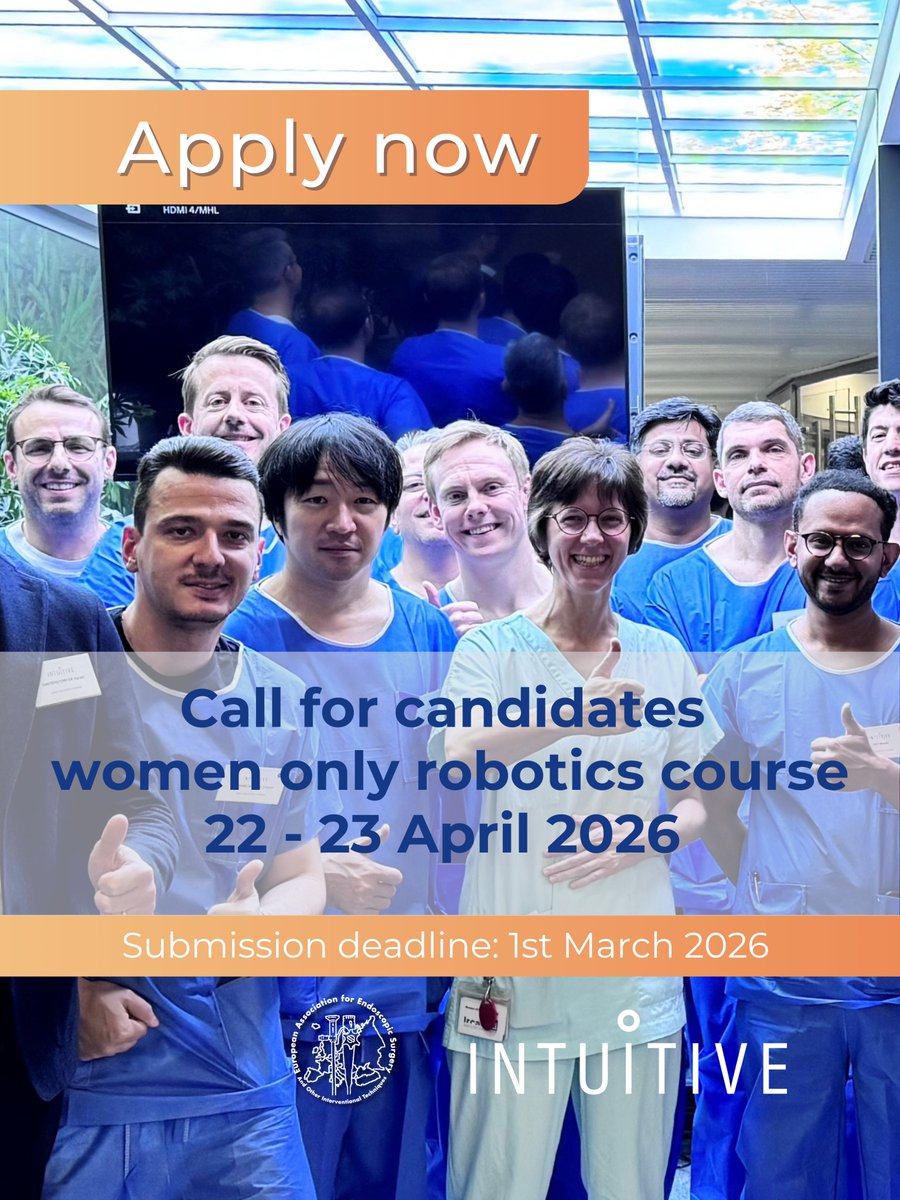
Calling all female surgeons! 👩⚕️ Apply for the WIDVS Robotics Course in Freiburg.
✅ Fully sponsored ✅ Hands-on training 📅 Deadline: 1 March
Apply now! 🦾
#AI is transforming healthcare, but who's liable when it gets a diagnosis wrong?
Professor @gerke_sara's @classicaproject research on "nutrition labels" for AI medical devices is sparking crucial conversations in @MedEconomics and beyond about transparency, accountability, and the future of medical malpractice.
Read a recap of the recent media flurry ❄️ here: https://t.co/hIeQWvfNsK
⏳ 1 week left to apply for UEMS FEBS Certification (MIS/RAS). Deadline: 15 Jan 2026. Practical exam: 23 Jun 2026 • Athens. Validate your expertise with pan-European recognition. Apply (MIS): https://t.co/59FmqvjzAM
#UEMS#FEBS#EAES
What if AI medical devices came with labels as clear as the nutrition facts on your food? That's the vision behind groundbreaking research from @classicaproject Principal Investigator @SaraGerke, Associate Professor of Law at the @UofIllinois Urbana-Champaign. In her new article published in the Emory Law Journal (Volume 74, Issue 5), Gerke addresses a critical gap. There are currently no labeling requirements tailored to AI/ML-based medical devices in the U.S. This leaves healthcare providers and patients without essential information about how these AI systems work, what data they're trained on, and how to use them responsibly.
Here is our latest "Knowledge Unwrapped" article, where we break down Professor Gerke's comprehensive labeling framework in an easy-to-understand format. https://t.co/zJLsS942m4
Who bears responsibility and potential tort liability when AI-powered ambient clinical documentation scribes generate inaccurate patient information that causes patient injury, particularly in high-stakes contexts, like cancer care?
In the latest @classicaproject publication, 𝑳𝒊𝒂𝒃𝒊𝒍𝒊𝒕𝒚 𝑹𝒊𝒔𝒌𝒔 𝒐𝒇 𝑨𝒎𝒃𝒊𝒆𝒏𝒕 𝑪𝒍𝒊𝒏𝒊𝒄𝒂𝒍 𝑾𝒐𝒓𝒌𝒇𝒍𝒐𝒘𝒔 𝑾𝒊𝒕𝒉 𝑨𝒓𝒕𝒊𝒇𝒊𝒄𝒊𝒂𝒍 𝑰𝒏𝒕𝒆𝒍𝒍𝒊𝒈𝒆𝒏𝒄𝒆 𝒇𝒐𝒓 𝑪𝒍𝒊𝒏𝒊𝒄𝒊𝒂𝒏𝒔, 𝑯𝒐𝒔𝒑𝒊𝒕𝒂𝒍𝒔, 𝒂𝒏𝒅 𝑴𝒂𝒏𝒖𝒇𝒂𝒄𝒕𝒖𝒓𝒆𝒓𝒔, in the Journal of Clinical Oncology: Oncology Practice, authors Associate Professor @SaraGerke, Dipl Jur-Univ, MA of the University of @UofIllinois Urbana-Champaign, Associate Professor @david__simon, PhD, JD, LLM of @Northeastern University and Benjamin R. Roman, MD, MBA, MSHP of @MSKCancerCenter, New York examine the liability and governance challenges posed by AI ambient clinical documentation tools that automatically transcribe and summarize patient-clinician conversations, which are increasingly being adopted by major health systems despite not being regulated as medical devices by the FDA.
https://t.co/lQM9wZDbzX
Ready to benchmark your surgical skills on a European level? 🇪🇺
Prof. Tan Arulampalam discusses the UEMS Board Exam in MIS with Dr. Marek Soltys & Prof. Georg Bischoff. Discover why this is the gold standard for surgical excellence. 🎖️
🎧 Listen here: https://t.co/MCG4wLYuo8