This was challenging to implement but delightful to see working!
We used 1-bit raw voltage recording to detect Pulsars by forming multiple simultaneous offline beams with the Gauribidanur Pulsar System.
https://t.co/FHCWCZ1PlO
#radioastronomy#radiotelescope#pulsars
InPTA members at #IPTAScienceWeek2024
1. with Prof. Jocelyn Bell ✨
2. Dr. Prerna Rana @PrernaR62337441 presenting the upcoming DR2 results
3. Dr. Jaikhomba Singha @MJaikhombaS presenting the new scatter broadening estimation technique.
(1) @BurgerKing a friend of mine in Hyderabad, India ordered veg burger, and your team gave her chicken burger mixed with some other burger, wrongly labeled and wrapped. She doubted looking at the patty, so she went back to the BK team and the team said it was vegetarian.
It wouldn't be too much of a stretch to say that our efforts at @InPTA_GW and those of the @IPTA_GW members have all been worth it just for the existence of this rap.
Wonderful!
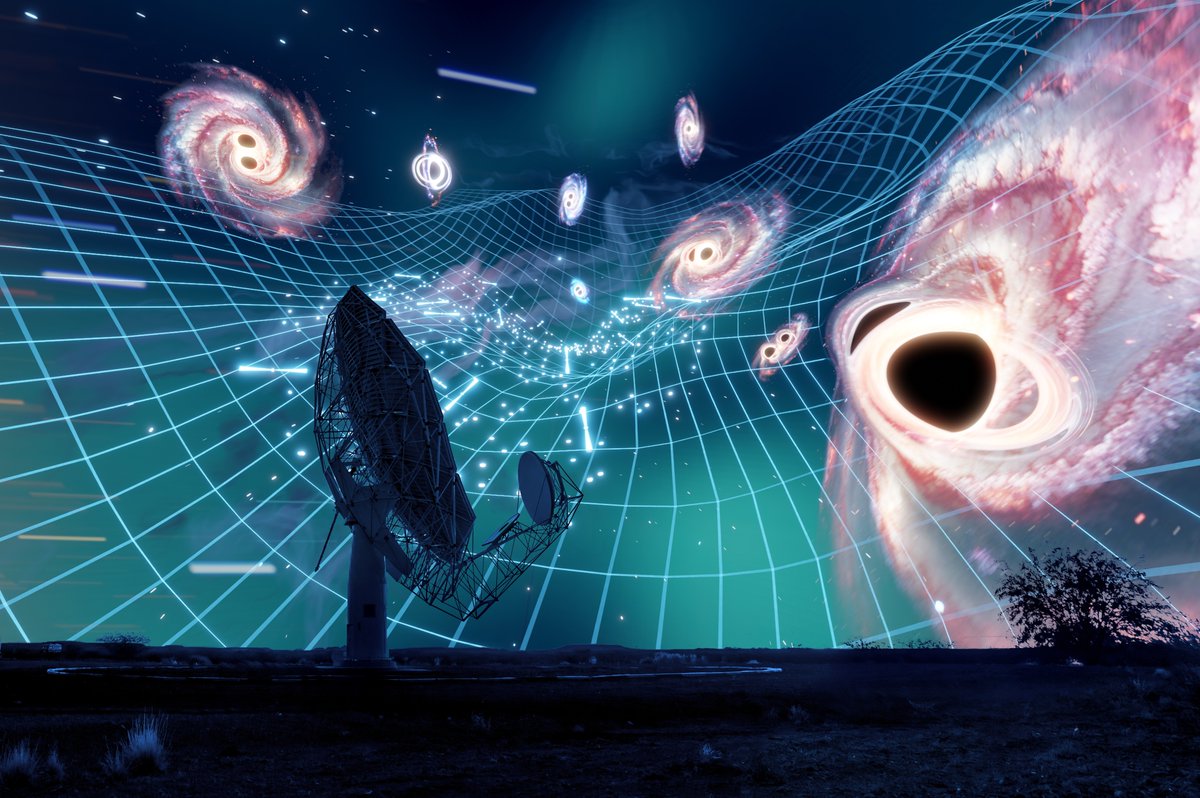
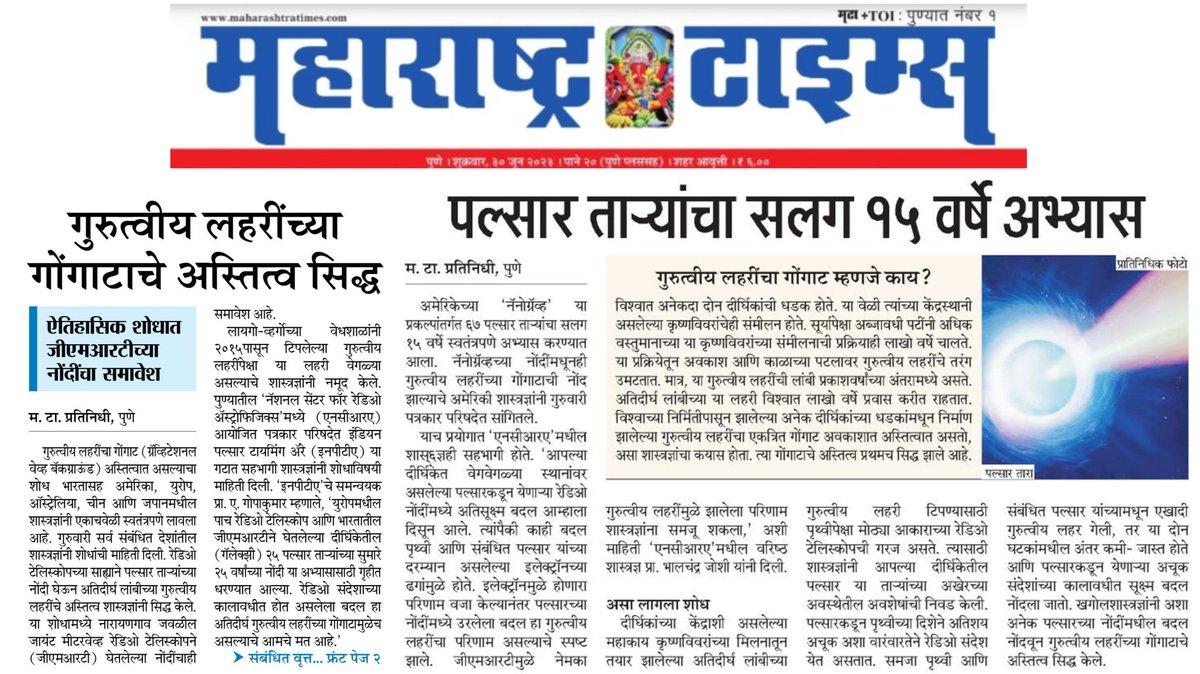
Introducing a new type of astronomy, researchers detected the Universe's background hum of gravitational waves with light-years-long wavelengths. Work by @NANOGrav@EPTAGW@InPTA_GW@CSIRO_ATNF and the Chinese Pulsar Timing Array. https://t.co/AP4lWPaZ6Z
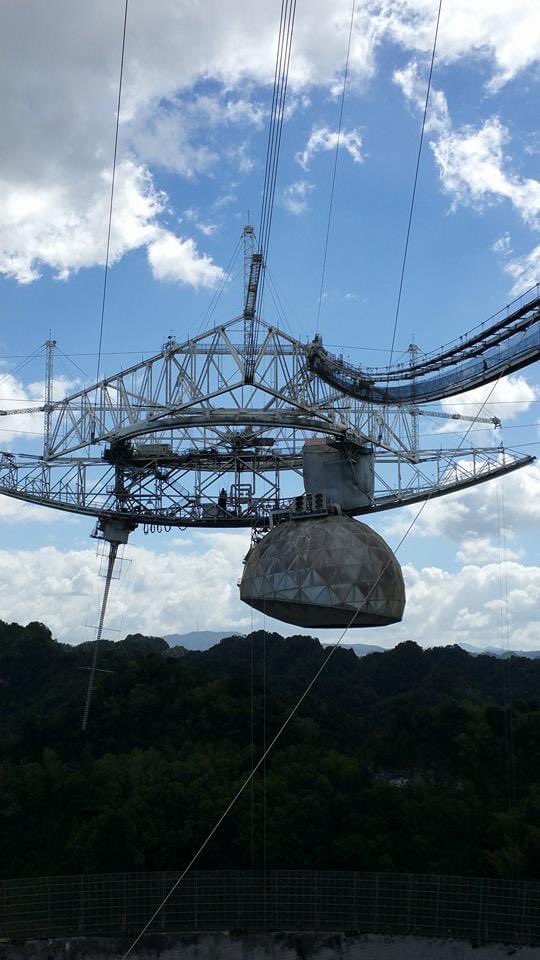
With today’s @NANOGrav announcement, I wanted to highlight @NAICobservatory contribution to the NANOGrav 15yr data set. 33 of 67 pulsars were obtained with the Arecibo Telescope! I can safely say every scientist from and outside of Puerto Rico deeply misses the radio telescope.
Join us for the IAU 389 Symposium on Gravitational Waves in Aug 2024 in Cape Town, South Africa - where we will discuss the latest PTA results and much more!
https://t.co/XOIU3401cJ
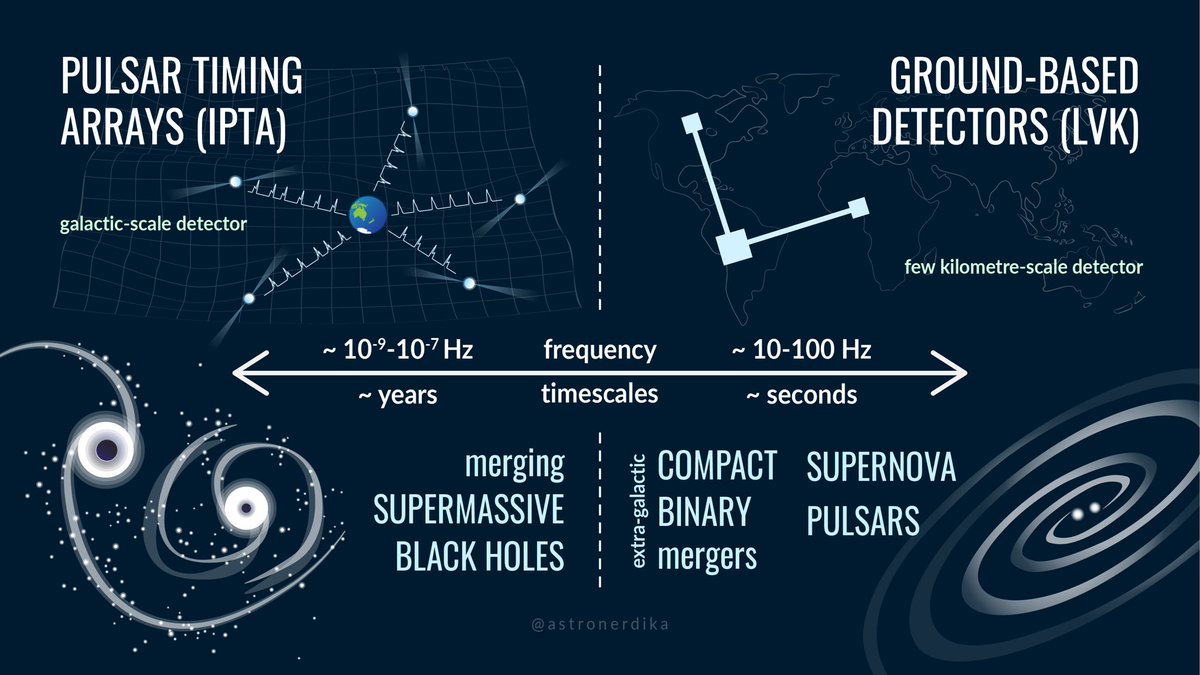
So… gravitational waves seen by the LVK compared to the IPTA… what’s the difference? It’s the wavelength!
My mind == 🤯 at the fact that pulsars are used as a galactic-scale detector!
Congrats to the @IPTA_GW on this incredible work! 🤩
Another exciting news ! 🌟Today’s really a BIG day in the field of multi-messenger astronomy 🤩 - first, the #PTA experiments finding signs of a stochastic nanoHz #GravitationalWave background and then, #IceCube detecting high-energy #neutrino emission from the Milky Way.
Stay tuned for more updates and details on these groundbreaking papers and as they make their way into the scientific community. More information is available from our international colleagues in Australia, China, Europe, and India! #IPTA#ARC_OzGrav#CSIRO_ATNF#EPTAGW#InPTA_GW
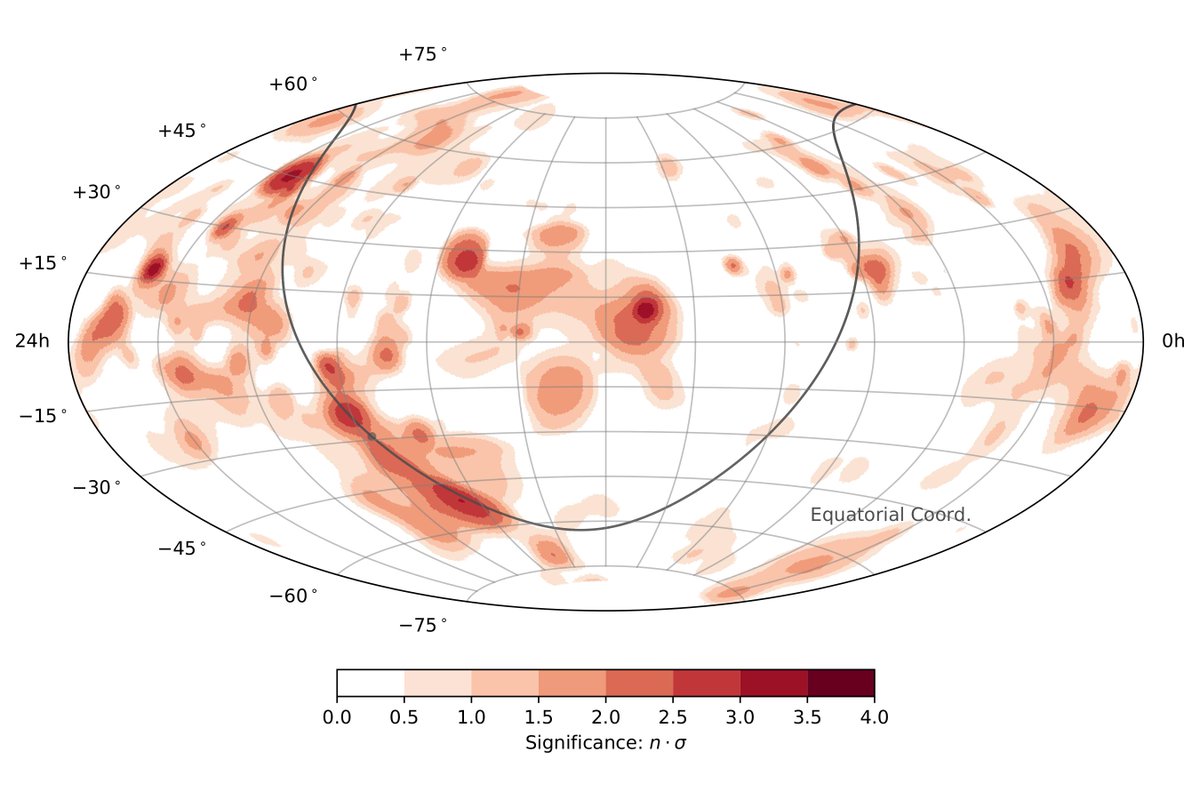
This observation of the Milky Way with high-energy neutrinos will bring us closer to finding specific sources within the galaxy.
Once again, neutrinos have given us a new lens with which to observe the obscure universe.
It was a privilege and pleasure to join this event earlier today : privilege to be part of the InPTA team, and pleasure to see the upgraded GMRT observatory making an important contribution to this global effort to reach the holy grail! 👍🏼
Let this be heard loud and clear!
Today's GW result stem from tireless efforts of countless people associated with the IPTA and beyond all around the world.
Apart from the paper authors; we'd like to highlight the efforts of the
Telescope operators and sys-admins.
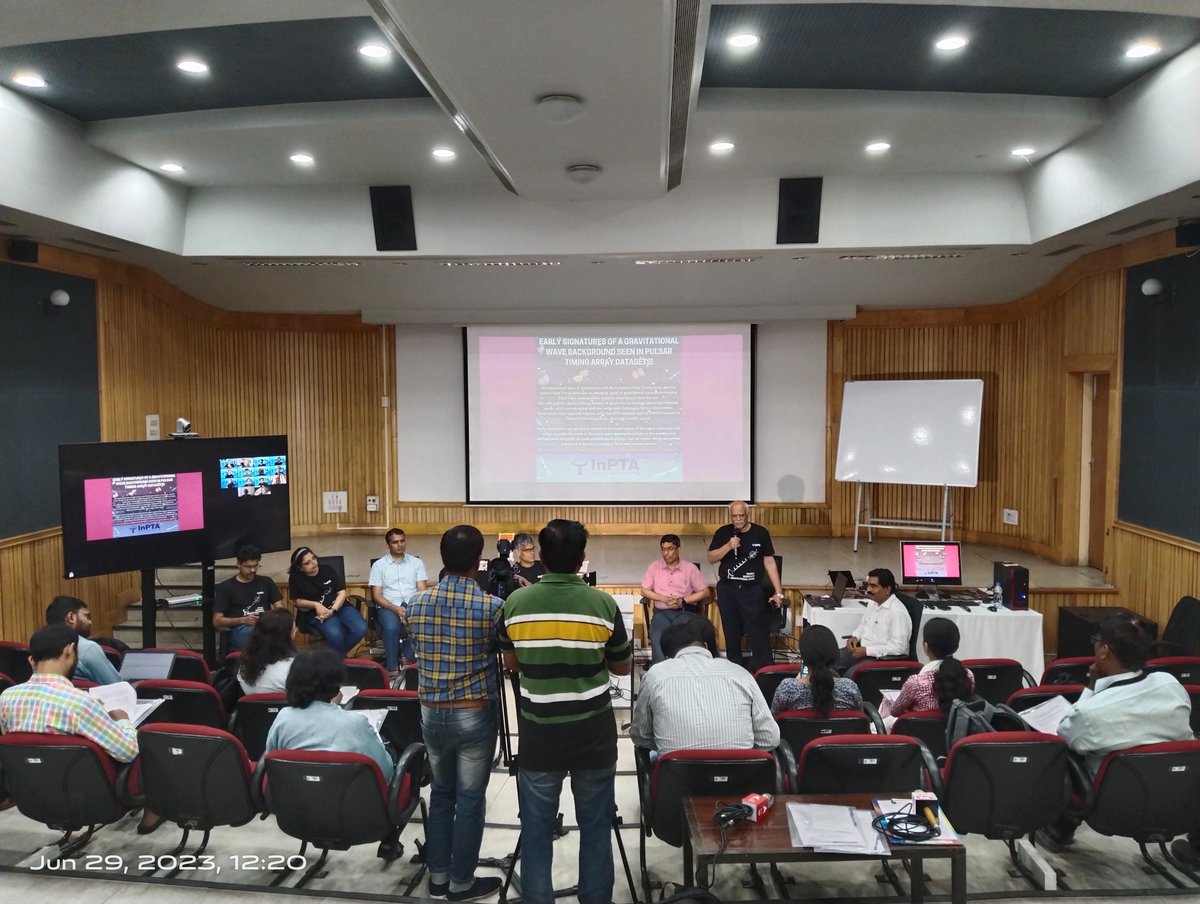
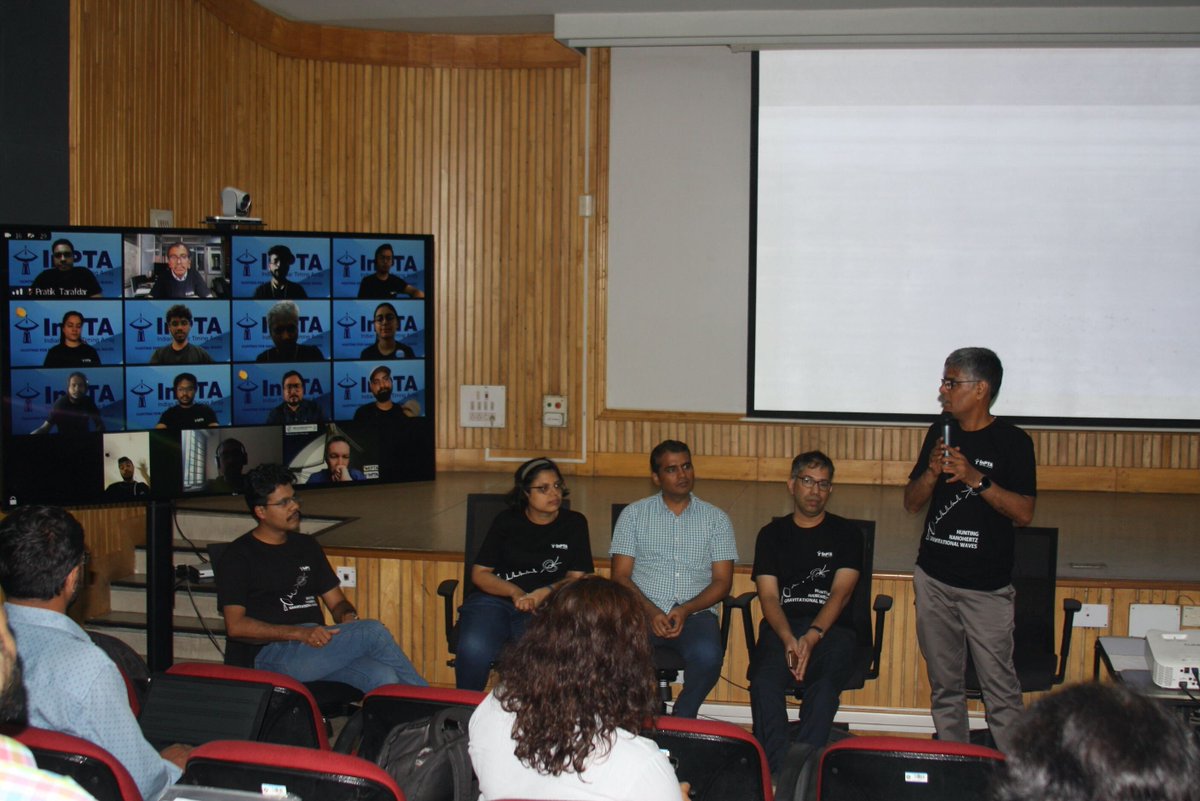
The exciting results obtained by the @InPTA_GW and @EPTAGW team, as part of the global @IPTA_GW efforts to hunt for nanohertz #GravitationalWaves, were publically announced by members of the @InPTA_GW collaboration through a press conference this afternoon held at #NCRA, Pune.
@iitroorkee Researchers Contribute to Unveiling the Humming of Our Universe Observed Through Low-Frequency Gravitational Waves.
https://t.co/mEpYo6l3fn