We are delighted to be able to finally share this wonderful news! This has been building for some time & finally, a pivotal moment in the recovery of nature in NI, Ospreys, once driven extinct here, are confirmed to have bred naturally in Co Fermanagh https://t.co/Pudxxh859D
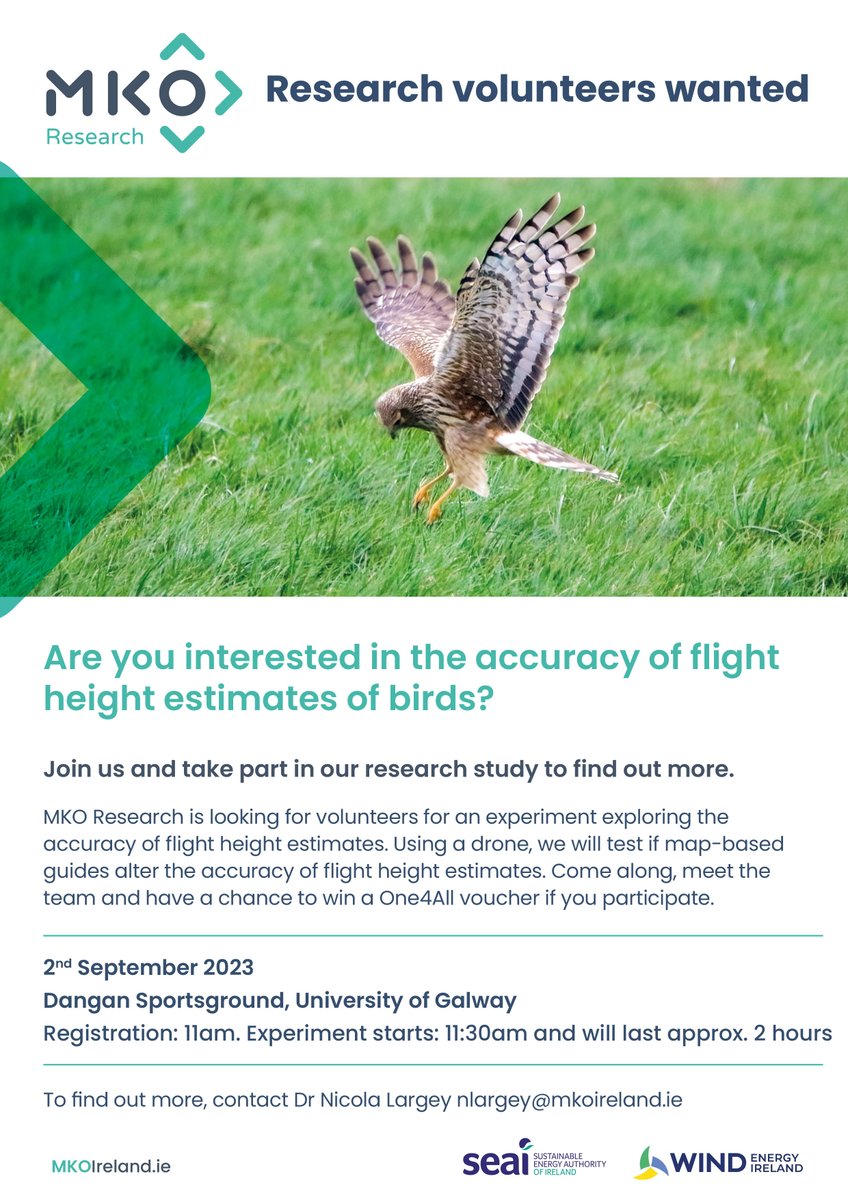
🚨MKO Research experiment has been rescheduled to this Saturday!
📅2nd September 2023
🕚11am Registration
📍Dangan Sportsground, University of Galway
For more information, email: [email protected]@mkoresearch
⚠️CANCELLED⚠️
Unfortunately due to an extended weather warning we have to cancel our experiment. It will be rescheduled for a future date. Please keep an eye on this page and @MKOIreland for future updates.
📢One day to go! Come along, participate and be in with the chance to win a one4all voucher.
📅19th August 2023
📍Dangan Sportsground, University of Galway
For more information, email: [email protected]
@Gauldblimeyjet Our review https://t.co/b5f5eaBwAF highlights the scarcity & urgent need for these types of databases - & discusses existing collision datasets & other repositories of wildlife-wind energy knowledge.
For collisions check out Dürr 2019 (Europe) Allison and Butryn 2019 (US).
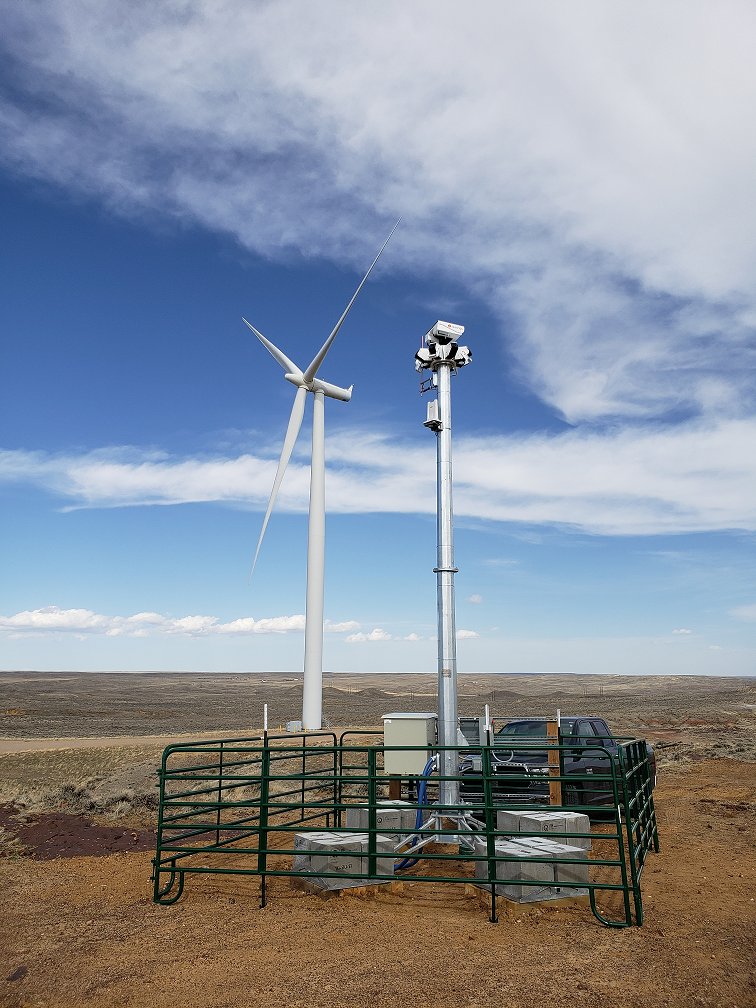
News Release: Peregrine Fund research demonstrates that use of new IdentiFlight camera technology resulted in an 82% reduction of eagle fatalities at a wind energy site.
https://t.co/CcFWN6dr8Z
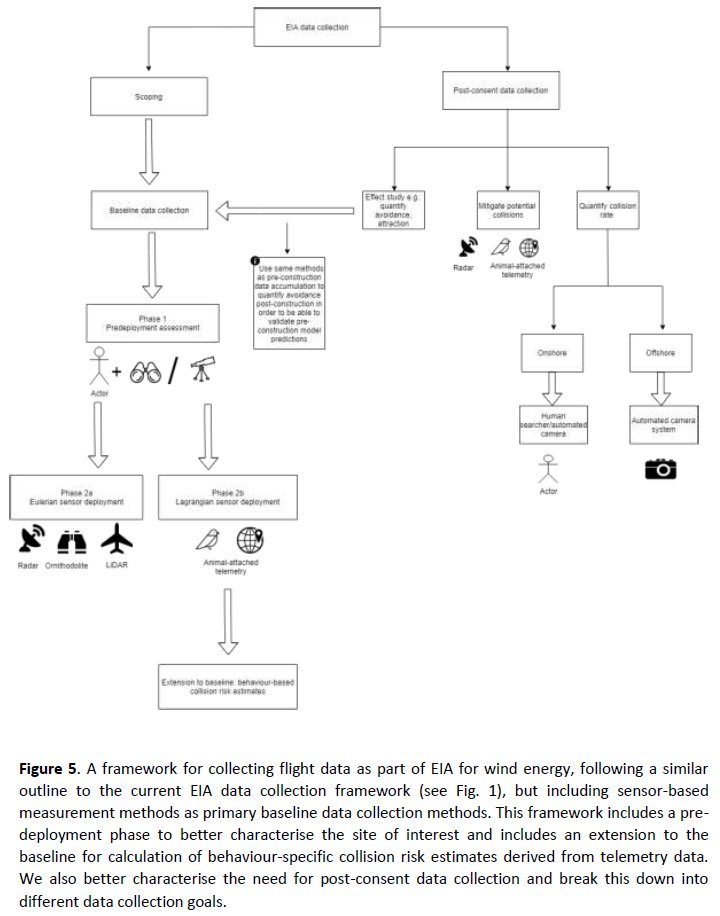
A review by @nmlargey et al on the different methods used to quantify airspace use by birds around wind turbines.
In @IBIS_journal: https://t.co/u0Gg2TkADB
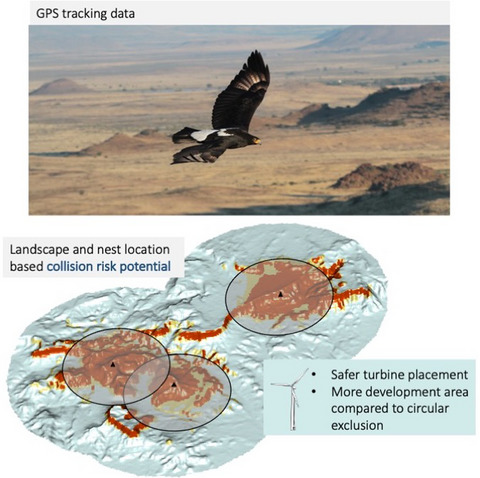
Using predictive modelling based on GPS-tracking of Verraux's eagles to inform wind turbine placement in South Africa.
In @JAppliedEcology: https://t.co/JyE8a6pOQD
And in @ConversationUK: https://t.co/Om0jzmsMq7
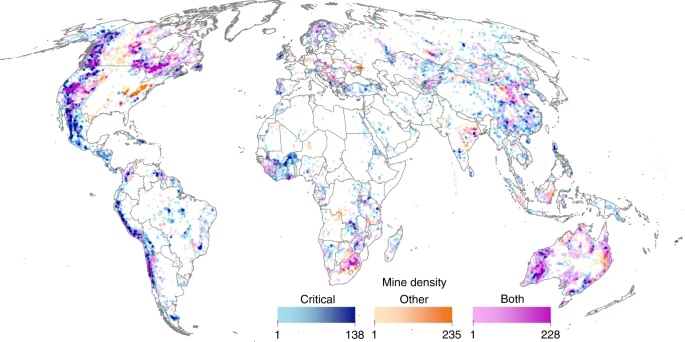
To be truly sustainable, #renewable energy production must consider all potential impacts on biodiversity. Including those derived from mining for metals required for renewable infrastructure.
Overlap between mines and wilderness areas in @NatureComms: https://t.co/rBy92SB7cX
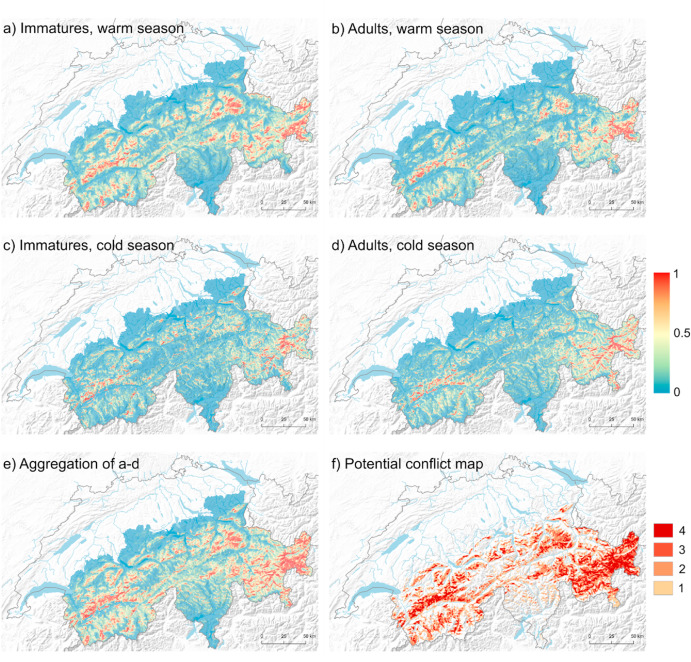
Species ranges are dynamic - using predictive modelling for expanding/recovering/reintroduced populations can improve decision-making to avoid wildlife-wind energy impacts.
Study on bearded vulture in the Swiss Alps in Global Ecology & Conservation: https://t.co/ZfWCkYsNAZ
On the importance of evidence-based policies & nature-friendly siting if renewable energies are to help us combat #climatechange without contributing to the #biodiversity crisis.
In @ScienceMagazine:
https://t.co/5ShN885fx9
@JuanMa_PerGar
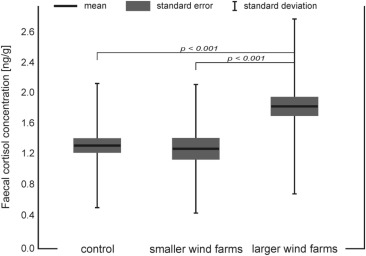
Roe deer stress response to wind farms:
Elevated stress hormone levels in roe deer in larger but not in smaller wind farms (by area & n turbines).
Published in Ecological Indicators: https://t.co/gU5vzPD2Q1
The fate of young Hen Harriers is one of the most important unanswered questions about the ecology of the extremely vulnerable Dutch breeding population. Following their movements with satellite and GPS-tags has now yielded the first insights.
Collab with @vogelnieuws & @Sovon
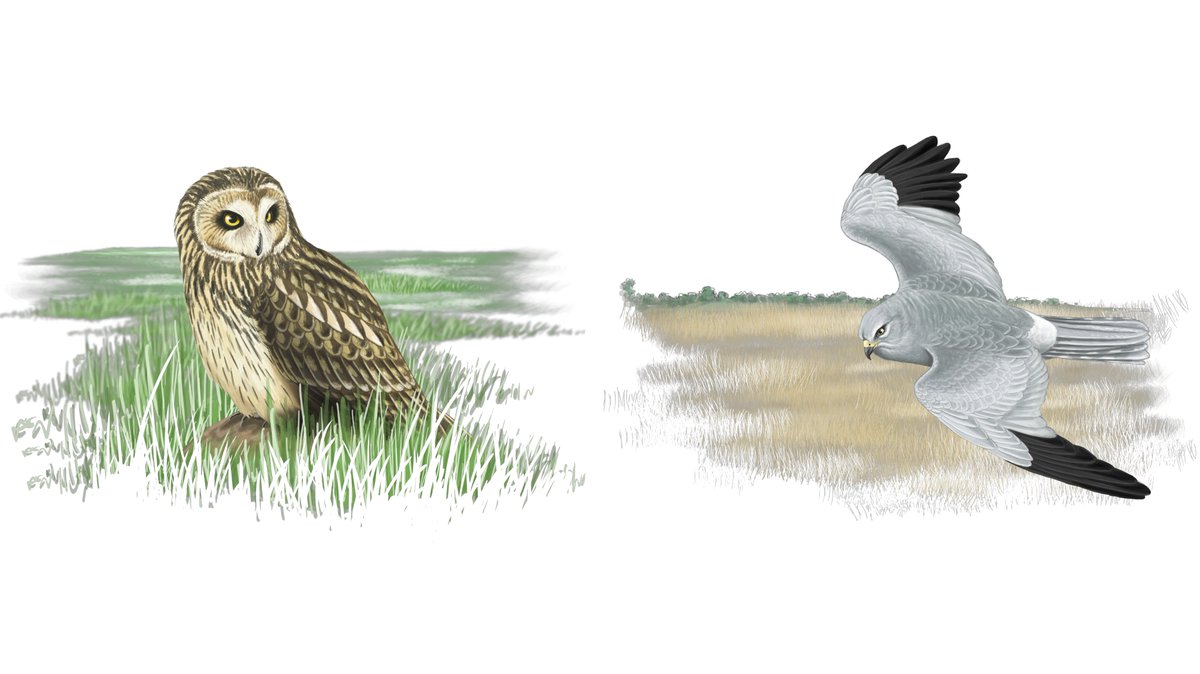
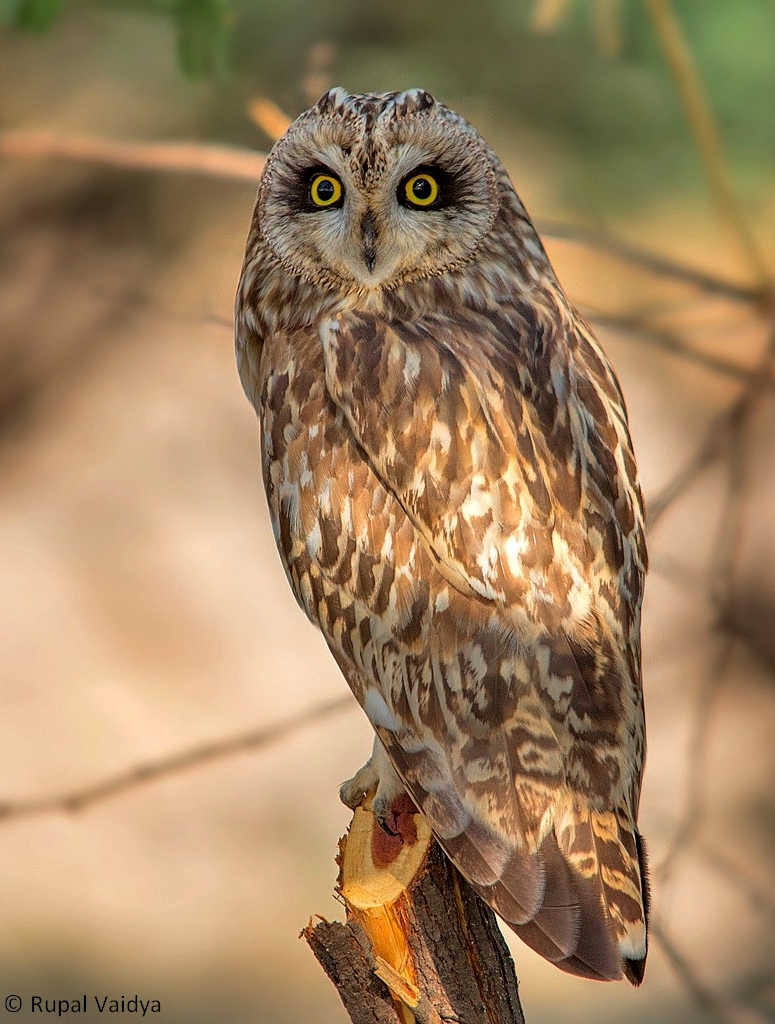
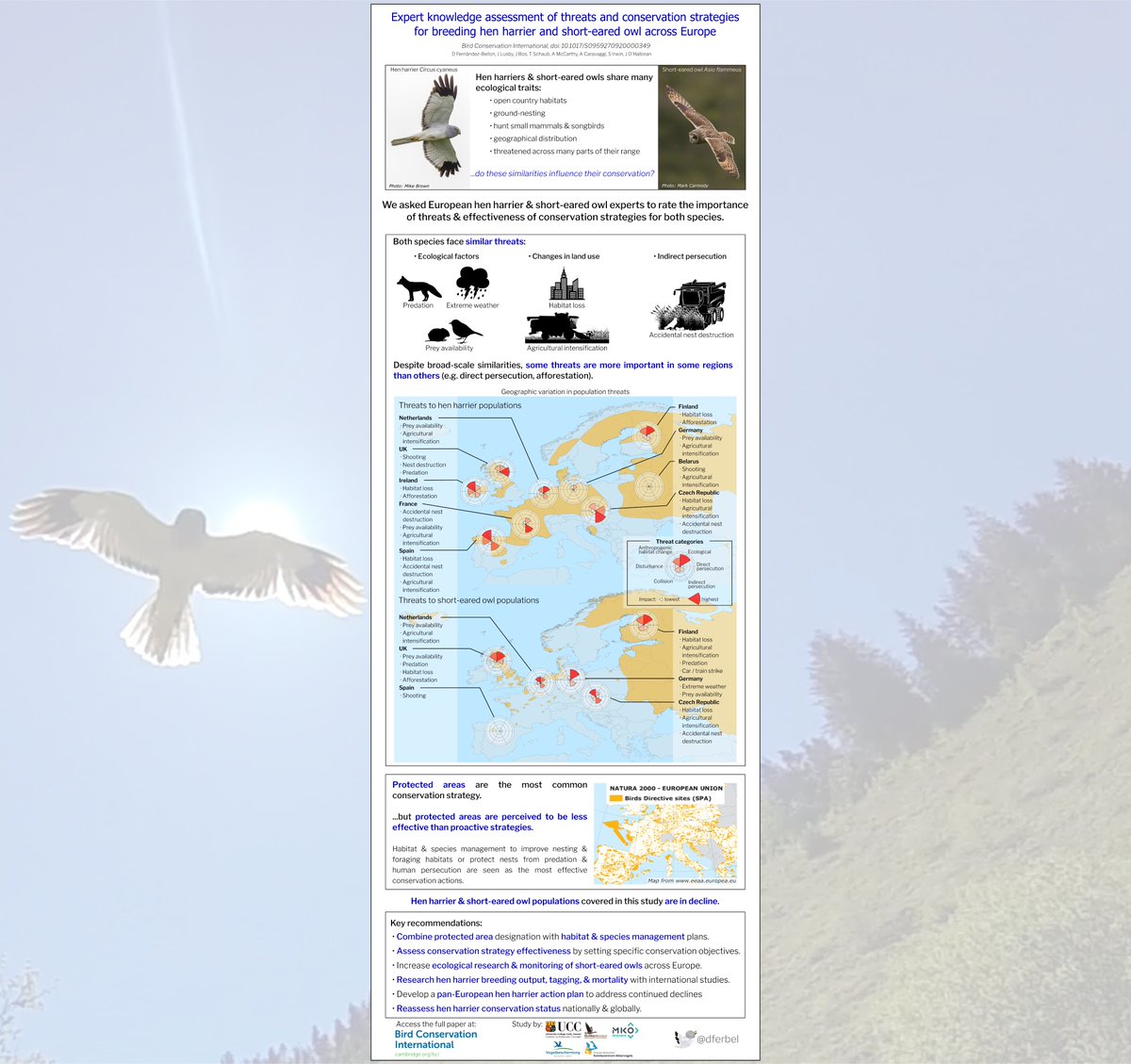
Up until now, threats to the Hen Harrier and Short-eared Owl have mainly just been analysed on a country-by-country scale.
This new assessment uses expert knowledge to create a bigger picture of how the two raptors are faring across Europe 👉 https://t.co/oEIgTD9JoB #ornithology
Contrast painting of wind turbine blades (painting 1 of 3 blades black) reduced bird collisions by up to 70% in Smola, Norway.
More studies needed to test the effectiveness of this practice across regions and species.
In @Ecol_Evol: https://t.co/wr4JnlrZEX
@tethys_enviro
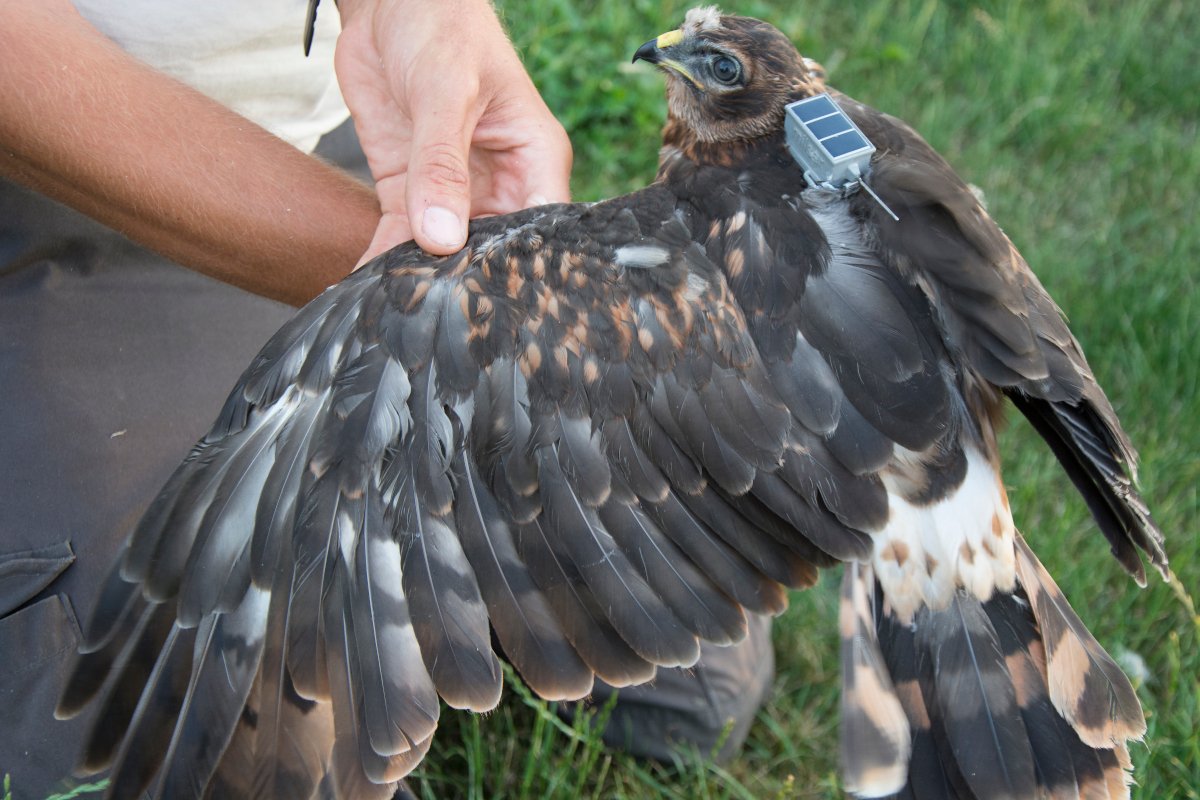
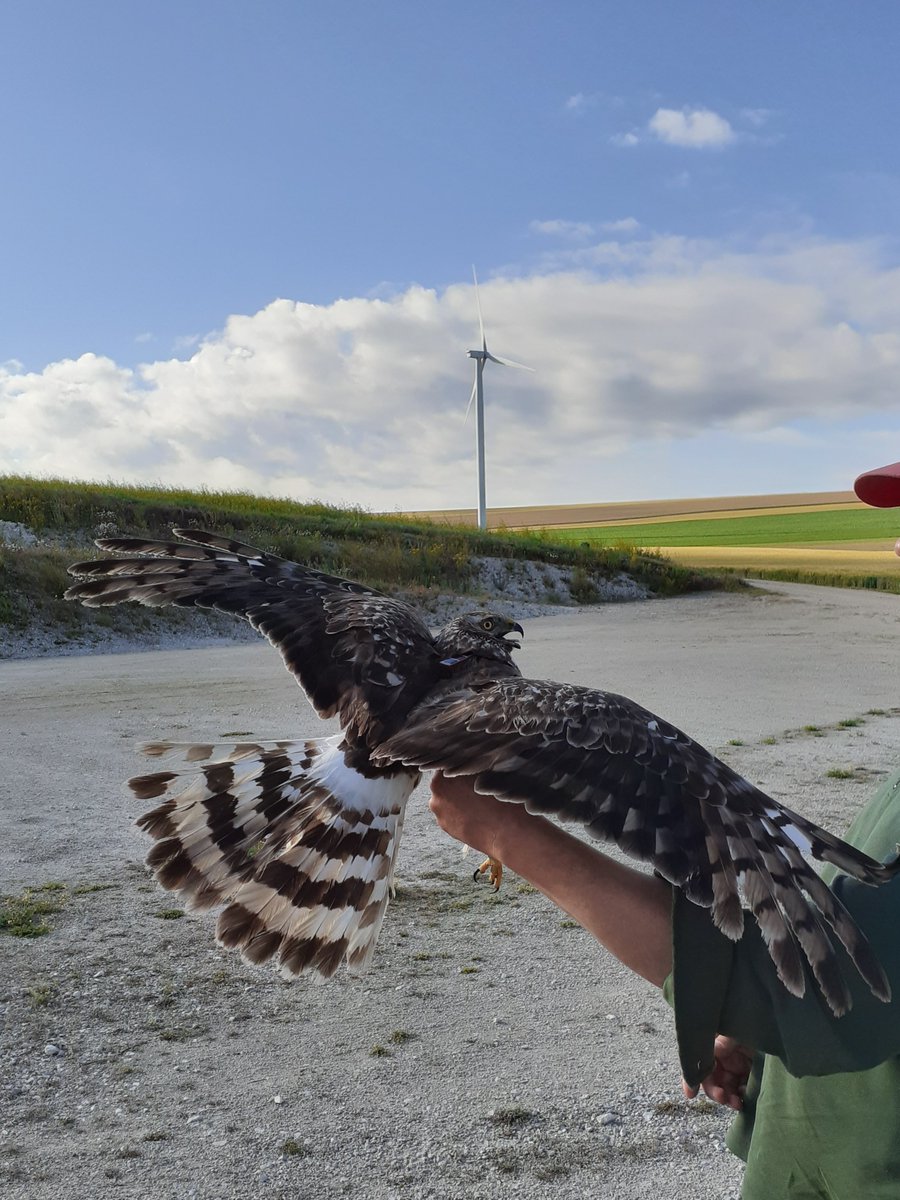
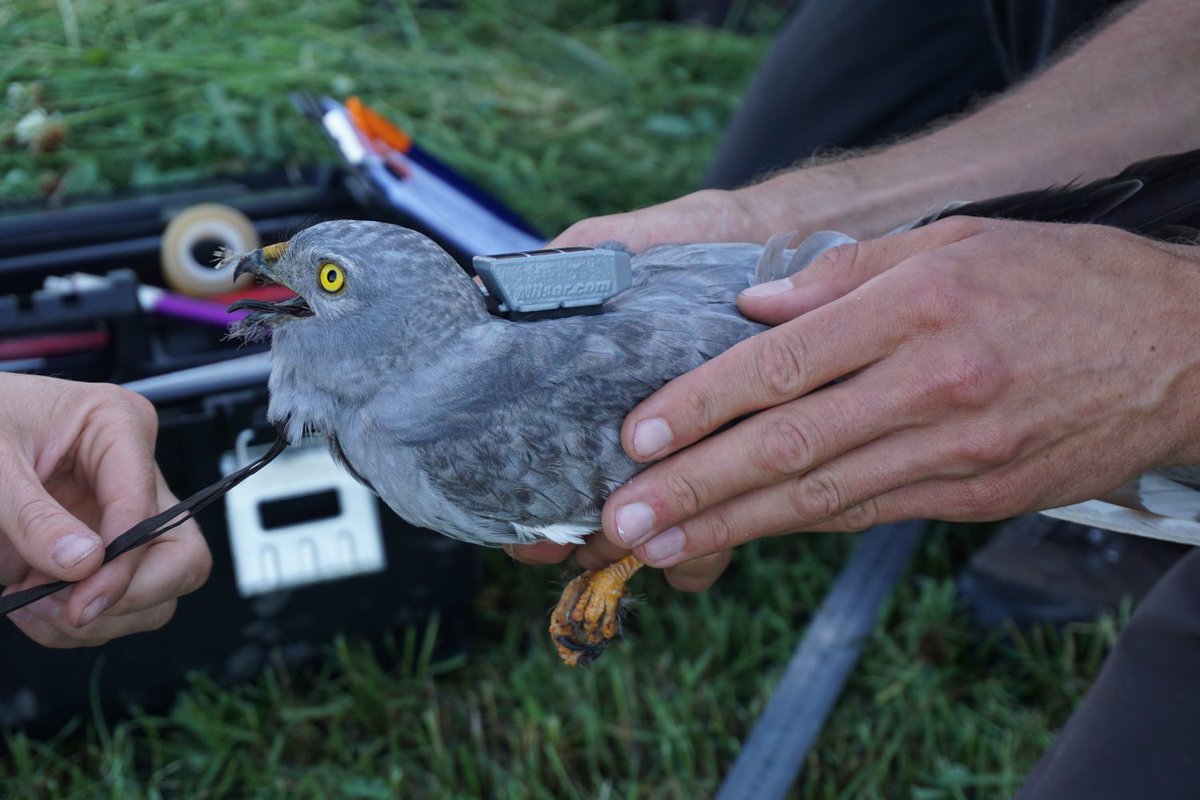
#Harriers are also my study system. Have deployed 41 GPS tags this year on 35 hen and 6 Monties. To investigate their interactions with wind turbines among other things. Towards biodiversity friendly wind energy development. @grauwekiek @NEFieldUnit @RSPBScience@imbe_marseille
Seven harriers tagged in Germany! 3 Montagu's in collaboration with @bund_net & 4 Marsh harriers with ABU Soest for research on habitat use and collision risk with wind turbines.
Photos: Margret Bunzel-Drükel, Christian Härting
Monty's: Luise Boldt