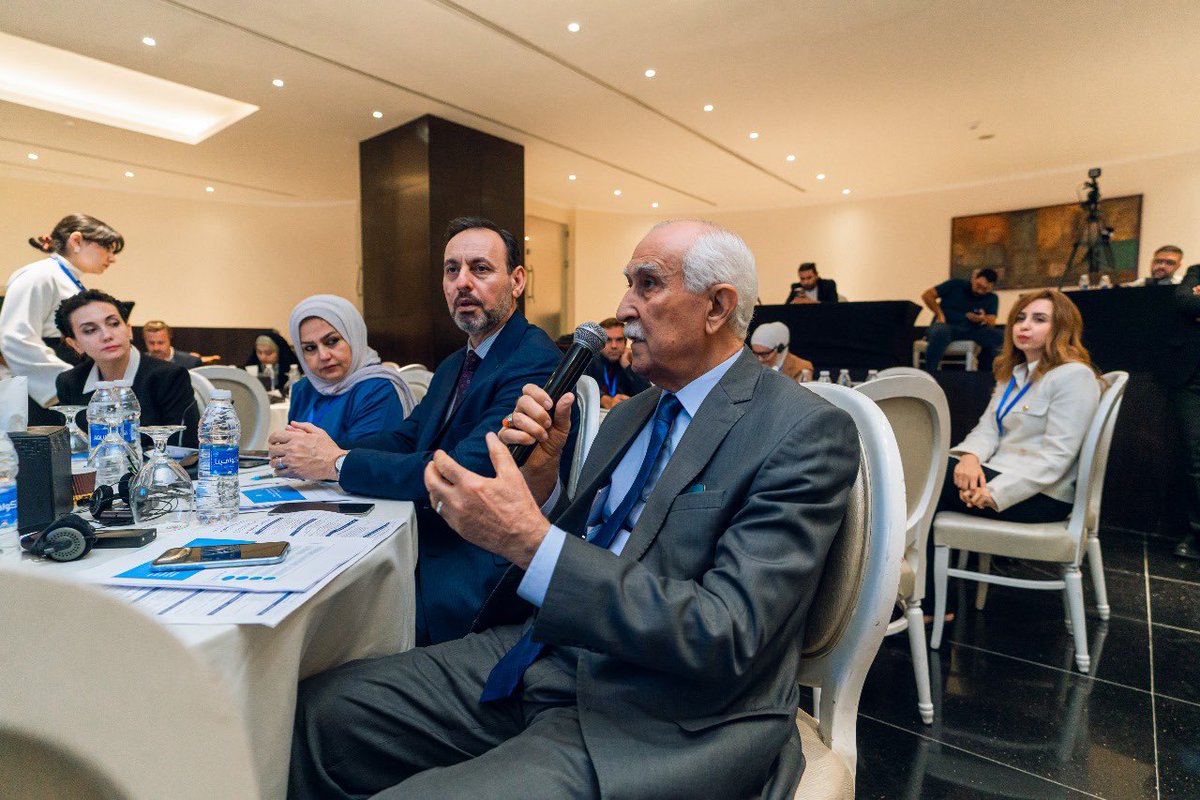
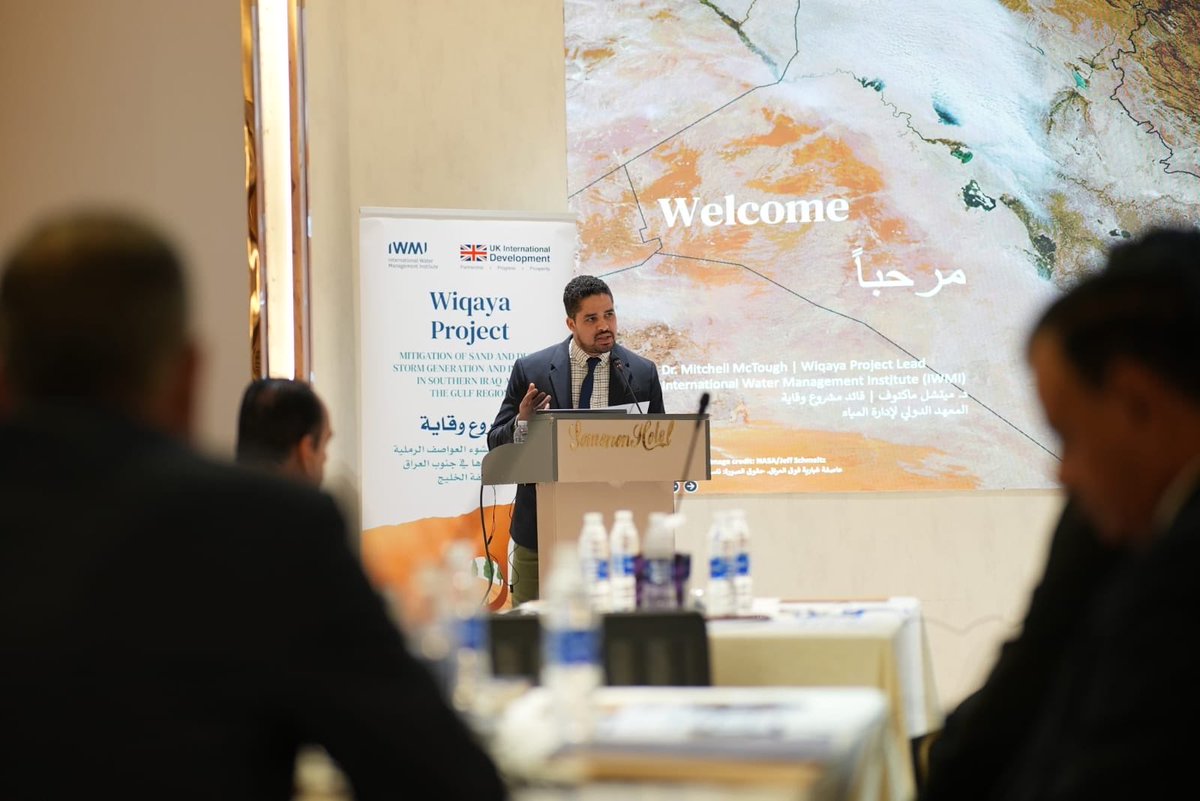
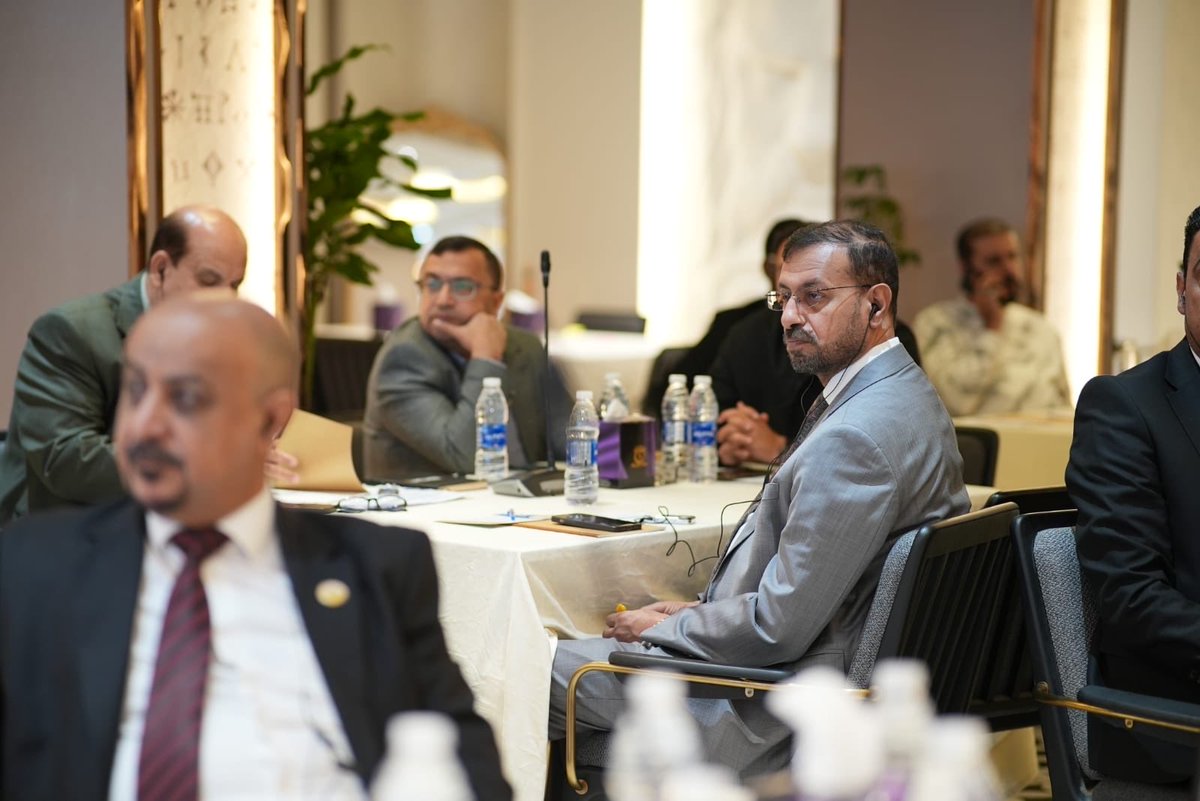
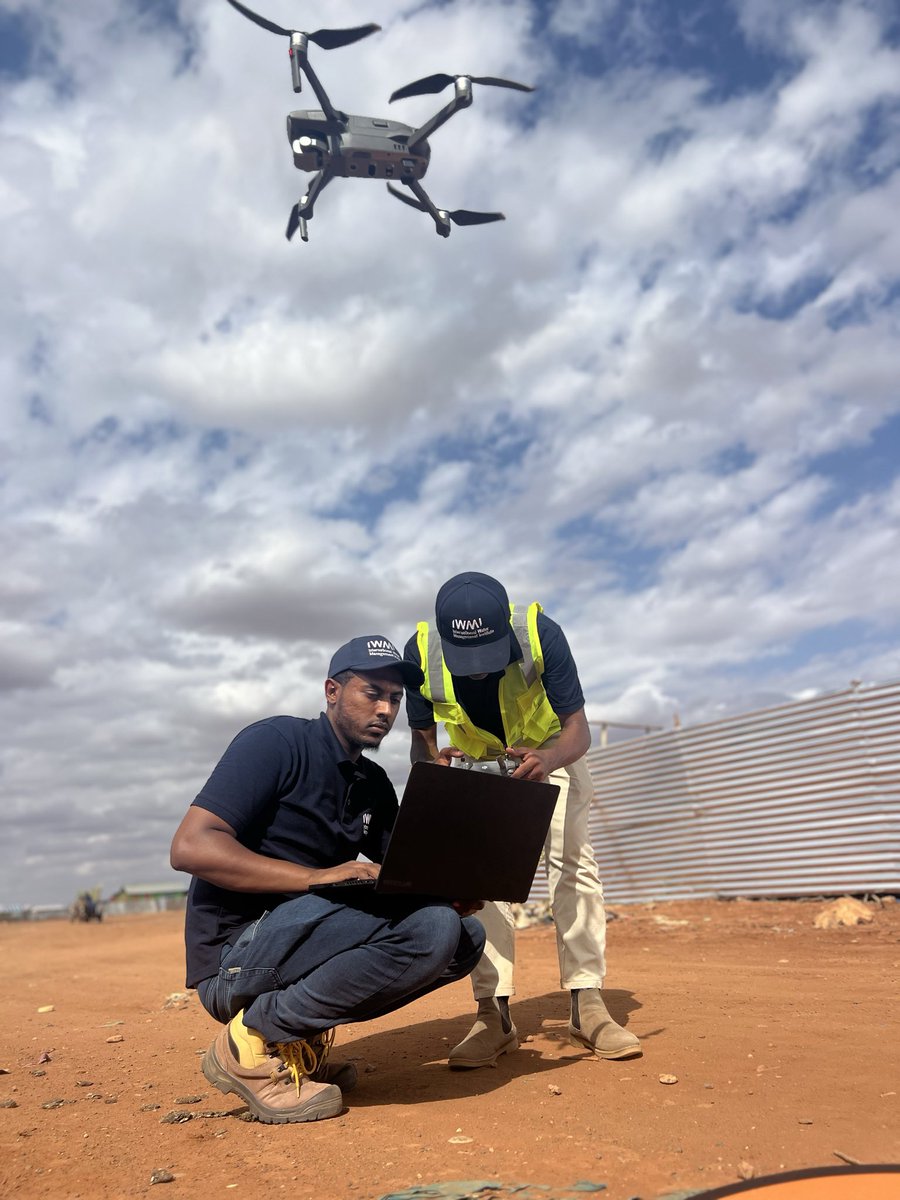
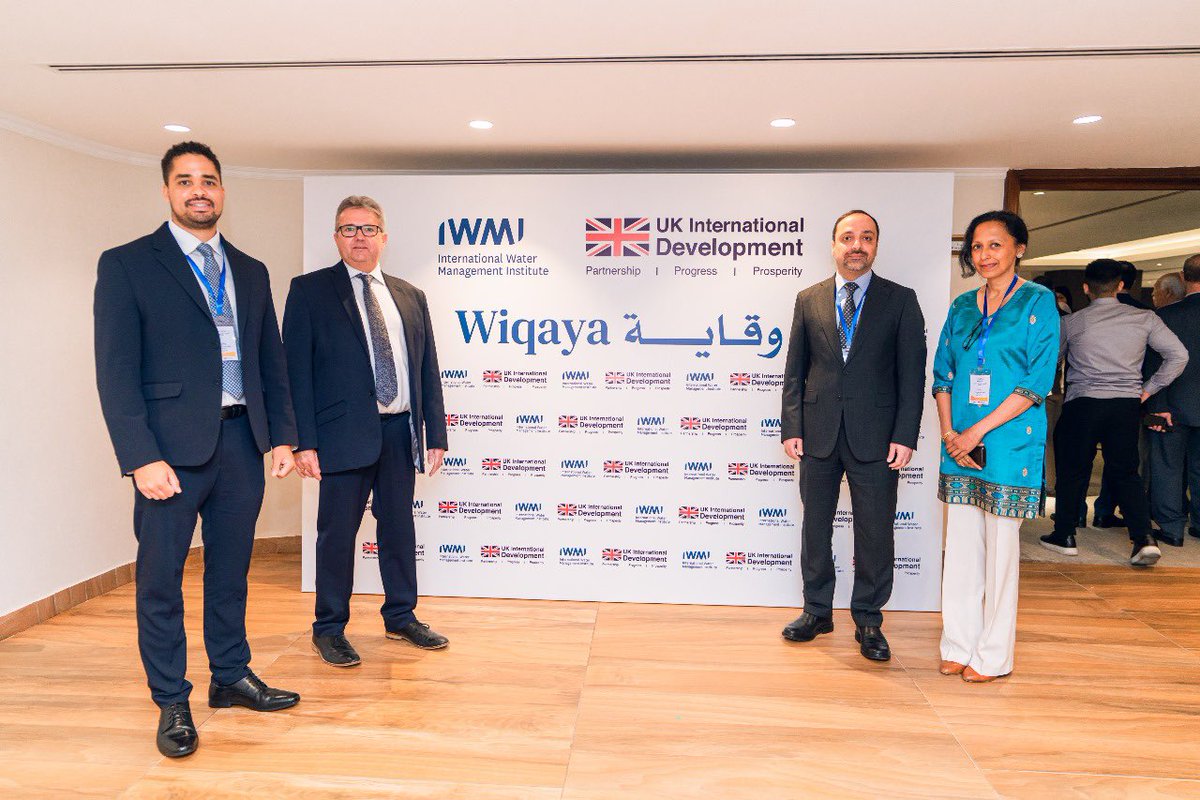
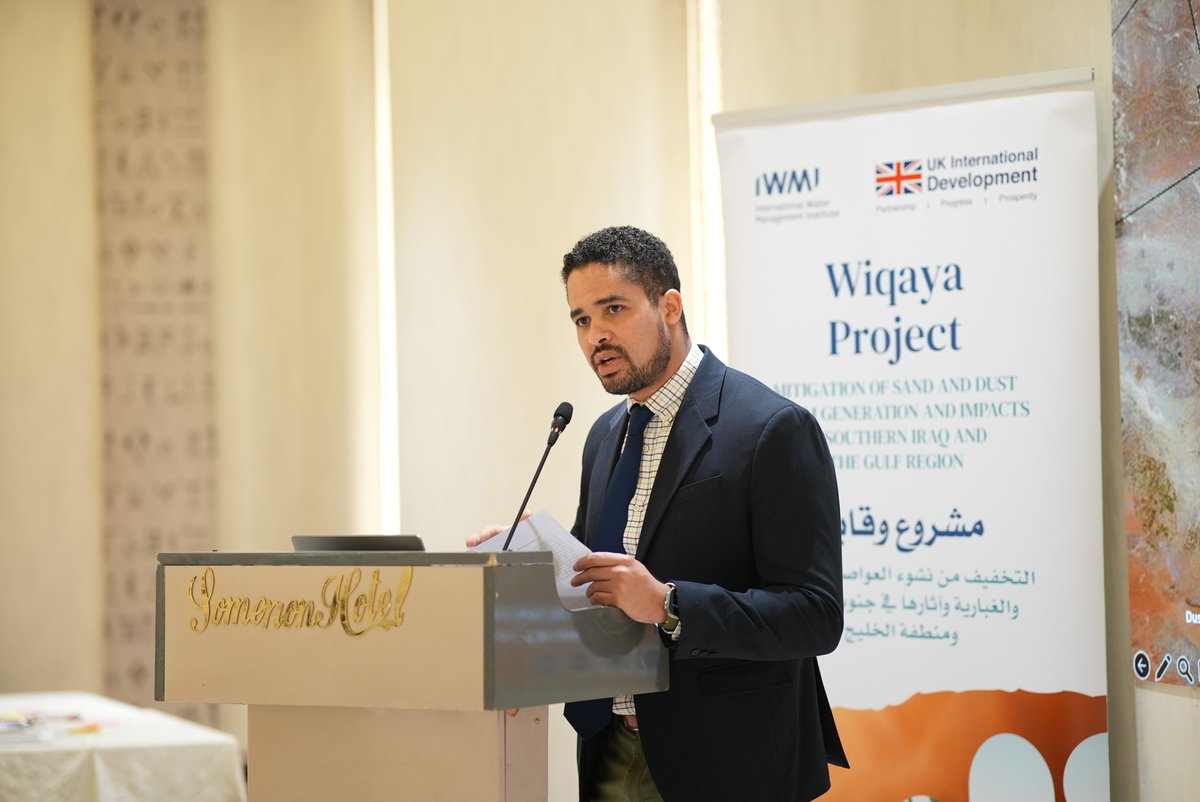
Launched #Wiqaya in Baghdad! Proud to lead this @IWMI_ project funded by @FCDOGovUK, working with the Govt of Iraq & a great team. We're advancing nature-based solutions to combat sand & dust storms (#SDS). 🚀
Media:
✔ https://t.co/o7TmU0MmXr
✔ https://t.co/MwHLbs6kd6
#NbS
UNCCD COP17 will take place in Mongolia from 17–28 August 2026 under the theme: “Restoring Land. Restoring Hope.”
💧 Water Day on 25 August will focus on drought risk management & cooperation on integrated water resources management.
Learn more: https://t.co/6u0NbVUnyH
💦 Al-Fari'a Spring once fed 1,200 ha of farmland in the northern West Bank—then pollution and declining flows pushed it to the edge.
Under #AlMurunah, the spring is restored, protected & back in community hands.
Water is survival💧🌿
@FCDOGovUK@IUCN@palestinianHG
History made today 💪🏼 runners from two countries close to my heart - showing absolutely inspiring athleticism - both bringing it across the line in under 1hr 59 mins and 45 seconds at the London marathon.
🥇 Sabastian Sawe 🇰🇪 = 1:59:30
🥈 Yomif Kejelcha 🇪🇹 = 1:59:41
👏🏽👏🏽👏🏽🎉
🌍 This #EarthDay, we highlight how sand and dust storms are intensifying due to climate change, land degradation, and water mismanagement, affecting health and livelihoods. Learn how through #Wiqaya, IWMI, and partners advance solutions. 👉 https://t.co/YVg48fMUTQ
Agendas we set shape actions, & only work if the right actors are engaged, elite capture managd, multi-stakeholdr partnerships & investment follow. SDS hotspots southern Iraq are both natural & human-induced, require collective action.@IWMI_@UNHabitatIRAQ
https://t.co/66beV66lK8
IWMI welcomes high-level representatives, including the UK Special Representative for Climate, to Cairo for the #AlMurunah Impact Celebration & Scaling Roundtable tomorrow.
- Showcasing results from AlMurunah Projects
- Highlighting #RNBWS
- Building partnerships to scale impact
💧 Water is central to climate resilience, yet it often misses out on global #climatefinance. This paper explores how using a Water–Energy–Food–Environment lens can help scale up funding and give water its fair share: https://t.co/kDNrmfow4a
@IIED@FCDOGovUK#NexusApproaches
What advice would you give your younger self?
For @mahazubi, the journey in science has been filled with challenges, breakthroughs & inspiration. From childhood dreams to Regional Researcher at @IWMI_, she’s shaping water systems! 💙🌍
#WomenInScience#IWMIWomen
✨IWMI's #Wiqaya is working with local communities and government in Iraq to co-design nature-based, locally informed solutions to sand and dust storms—linking water, land, and food resilience from field level to national policy.
This video should unsettle anyone who takes the United States seriously as a nation.
Because it exposes something dangerous: the trivialization of the world's most consequential office. It shows how carelessly the power, credibility, and accumulated moral authority of a superpower can be squandered for a few seconds of viral attention.
In any other major democracy, this behavior from a head of state would trigger a constitutional crisis. Paris would burn. Berlin would convene emergency sessions. In the Nordic countries, resignation would follow within hours. Across functioning democracies, the public, institutions, and political class would recognize this for what it is: an assault on the dignity of the state itself. Leaders are not free to perform as entertainers without consequence. National honor is not personal property, it's held in trust.
But the United States is not just another country with a provocateur in charge. It is the linchpin of global order. It maintains formal alliances and security guarantees with forty to fifty nations. It underwrites the financial architecture, trade systems, and diplomatic frameworks that billions of people depend on daily. When the American president speaks—or posts—it doesn't land as satire, meme, or personal whim. It reads as a signal about what the country is becoming.
American power has never relied solely on carrier strike groups or economic output. It has rested on something more fragile and more valuable: trust. The belief that beneath domestic turbulence lies institutional seriousness, predictability, and a baseline commitment to dignity. That belief is now disintegrating in real time.
Millions of American companies operate globally. They negotiate multibillion-dollar contracts in environments where reputation is currency. Boardrooms in Frankfurt, Singapore, and Dubai aren't debating whether a post was clever—they're asking whether the United States remains a reliable partner. Whether agreements signed today will be honored tomorrow. Whether American leadership has devolved from institutional to purely theatrical.
Consider tourism, which sustains millions of American jobs—airlines, hotels, restaurants, museums, entire regional economies. Soft power isn't an abstraction. It materializes in flight bookings, conference locations, study-abroad programs, and decades of accumulated goodwill. A quiet, decentralized boycott doesn't require government action—only a collective sense that a nation no longer respects itself.
Now picture this image being studied by foreign ministers, central bank governors, defense strategists, and sovereign wealth fund managers. Picture them asking a coldly rational question: How do we write binding thirty-year agreements with a country whose public face will be this, relentlessly, for years to come? How do we plan for the long term when the tone is impulsive, mocking, and unbound by the gravity of office?
This is where the real calculus begins. Trillions in foreign capital depend on confidence that America is stable, credible, and rule-governed. That confidence is now being traded for what, exactly? Applause from an online mob? A dopamine rush from manufactured outrage? Content designed to dominate the news cycle rather than serve the national interest?
Every serious nation eventually confronts this choice: burn long-term credibility for short-term spectacle, or safeguard the reputation previous generations bled to build. The United States spent eighty years constructing an image of reliability, restraint, and leadership under pressure. That image wasn't born from perfection—it came from a visible commitment to standards that transcended impulse.
This isn't a partisan issue. Europeans who value democratic norms recognize something ominously familiar here. Americans—Democrat and Republican alike—who believe in responsibility and restraint should see it too. Power attracts scrutiny. Leadership demands discipline. A superpower cannot behave like a reality TV contestant without paying a price.
The presidency is not a personal broadcast channel. It's a symbol carried on behalf of 330 million people and countless international partners who never voted but whose lives are shaped by American decisions anyway. Every post either reinforces or erodes the idea that America can be counted on when it matters most.
So the question is no longer whether this is offensive. The question is whether this is who America chooses to be: a nation that trades a century of hard-won reputation for viral moments. A country that replaces statecraft with content creation. A republic governed like a season of reality television.
History offers a harsh lesson here. Great powers don't fall because enemies mock them. They collapse when they begin mocking themselves—publicly, proudly, and without grasping the cost until it's far too late.
Stay connected,
Follow Gandalv @Microinteracti1
@DigitalMedia_LM@MichaelPascoe01 Thanks Laura. Fully agree, without open, basin-scale data we can’t see the real trade-offs. Water accounting + watershed digital twins, could be what’s needed here, especially for clustered data centres.
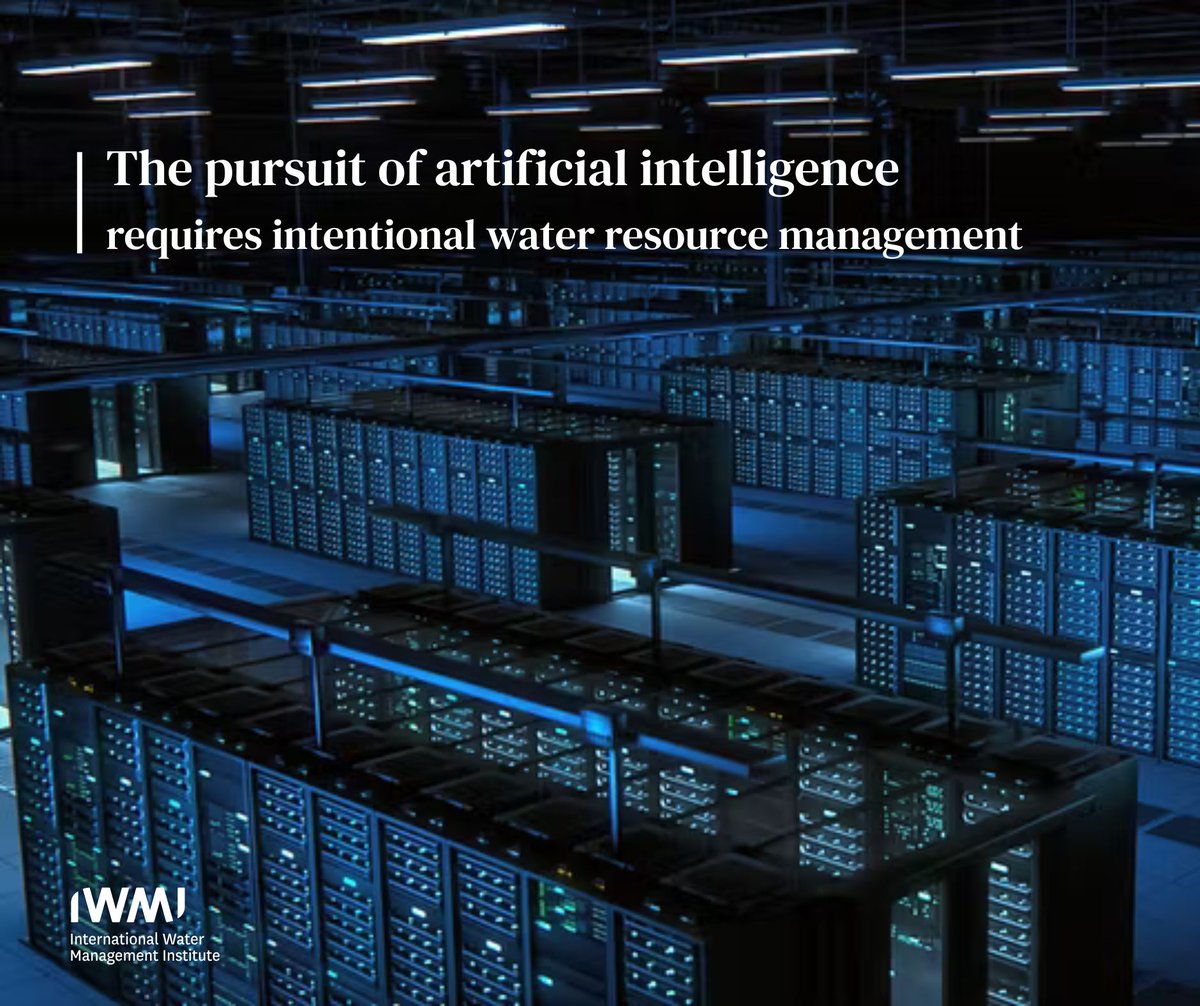
🤖 The cloud is running dry. #ArtificialIntelligence doesn’t just run on data; it runs on water. From chip manufacturing to data center cooling, every prompt has a real water footprint. If AI is here to stay, water planning has to be too 👉 https://t.co/IZUmtbGIkJ
@CGIAR
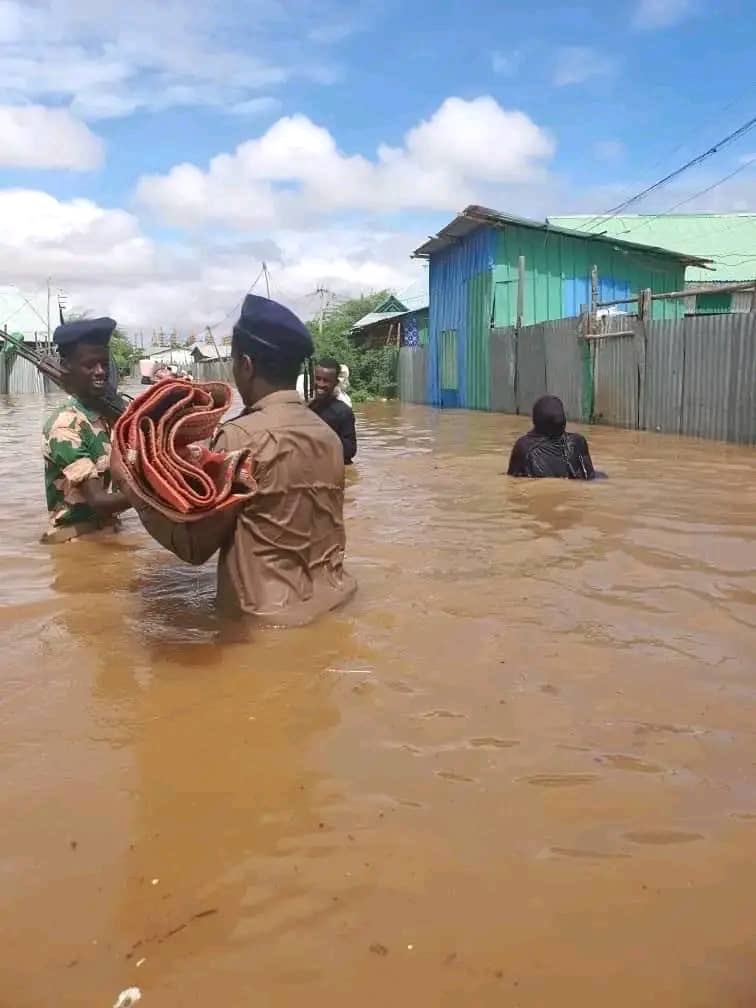
Landed in Berlin 🇩🇪 for 13th #GlobalDialoguePlatform on #AnticipatoryAction. Excited to🗣️ about @IWMI_& partner’s work on AI-driven digital twins to close data gaps & 💪🏼 flood preparedness in fragile settings, drawing on work in Ethiopia’s Somali Region.
#AI & #DigitalTwin
Join IWMI’s @MMCTOUGH at the Global Dialogue Platform as he shares how AI and digital twin work in Ethiopia’s Somali Region, improving early action in fragile settings.
📅 2–4 Dec 2025
📍 Berlin & Online
🔗 Link: https://t.co/dxDIjKPEQW
@ifrc@CGIAR@RCClimate
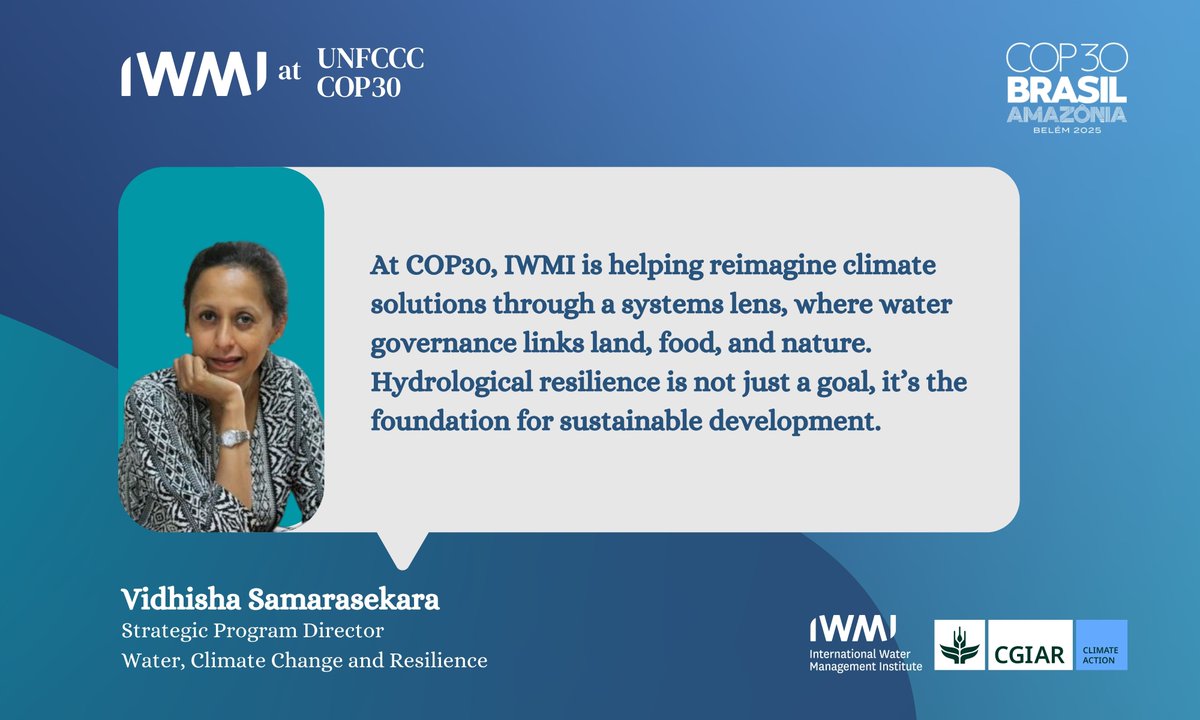
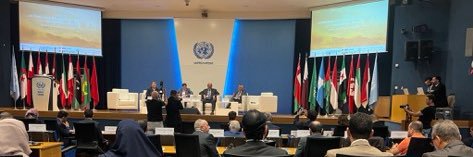
At @UNFCCC#COP30, IWMI’s Vidhisha Samarasekara joins key global dialogues highlighting how water connects climate, nature, and people, driving action for resilience and sustainability worldwide. 💧
Learn more 👉 https://t.co/fxrILXPuf1
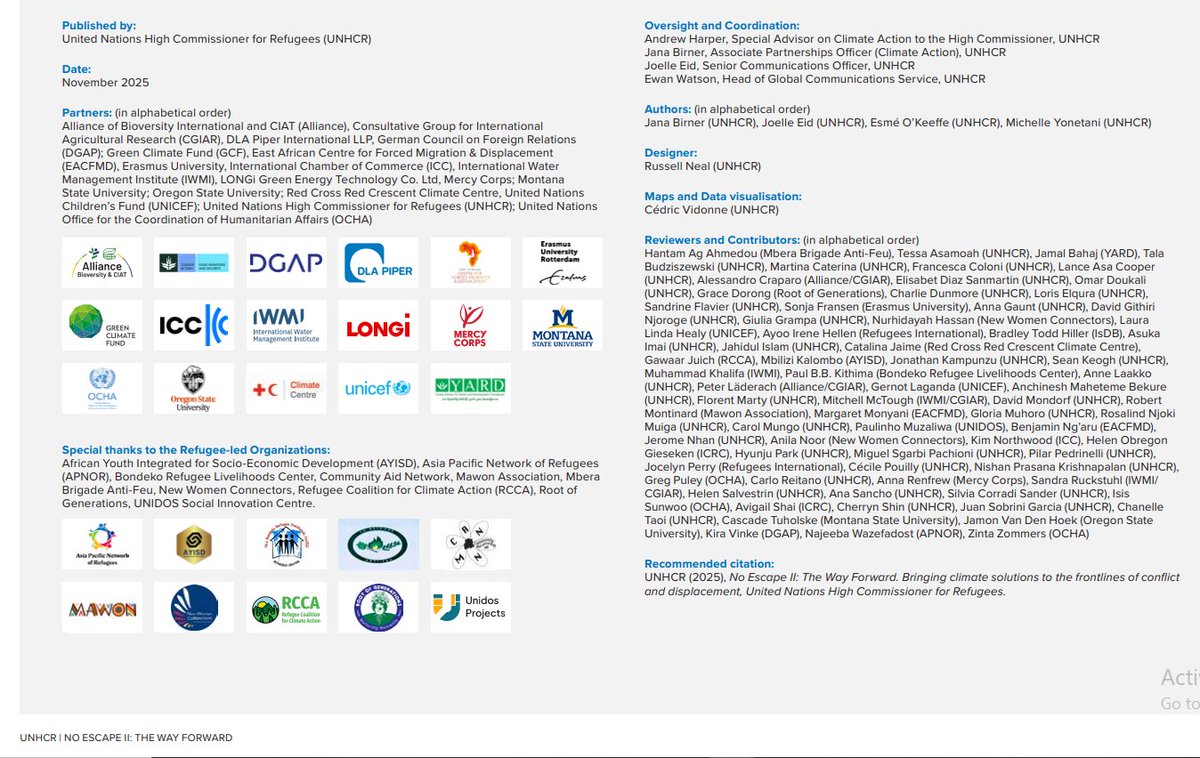
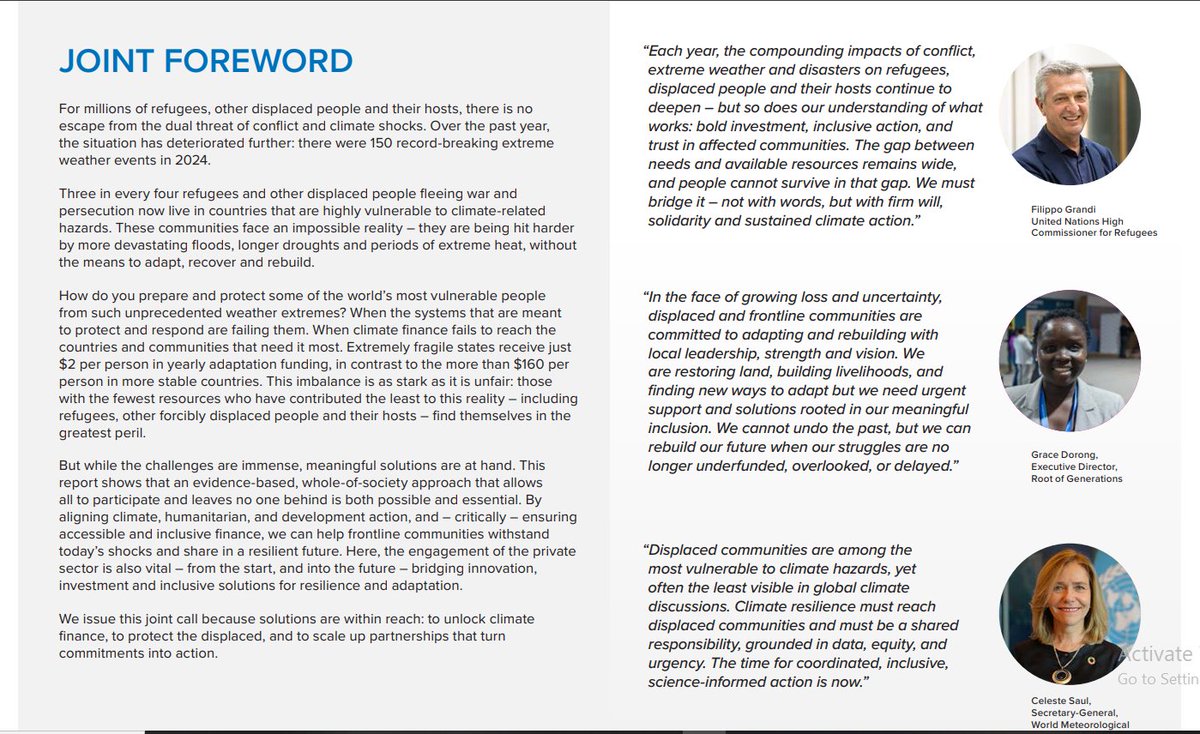
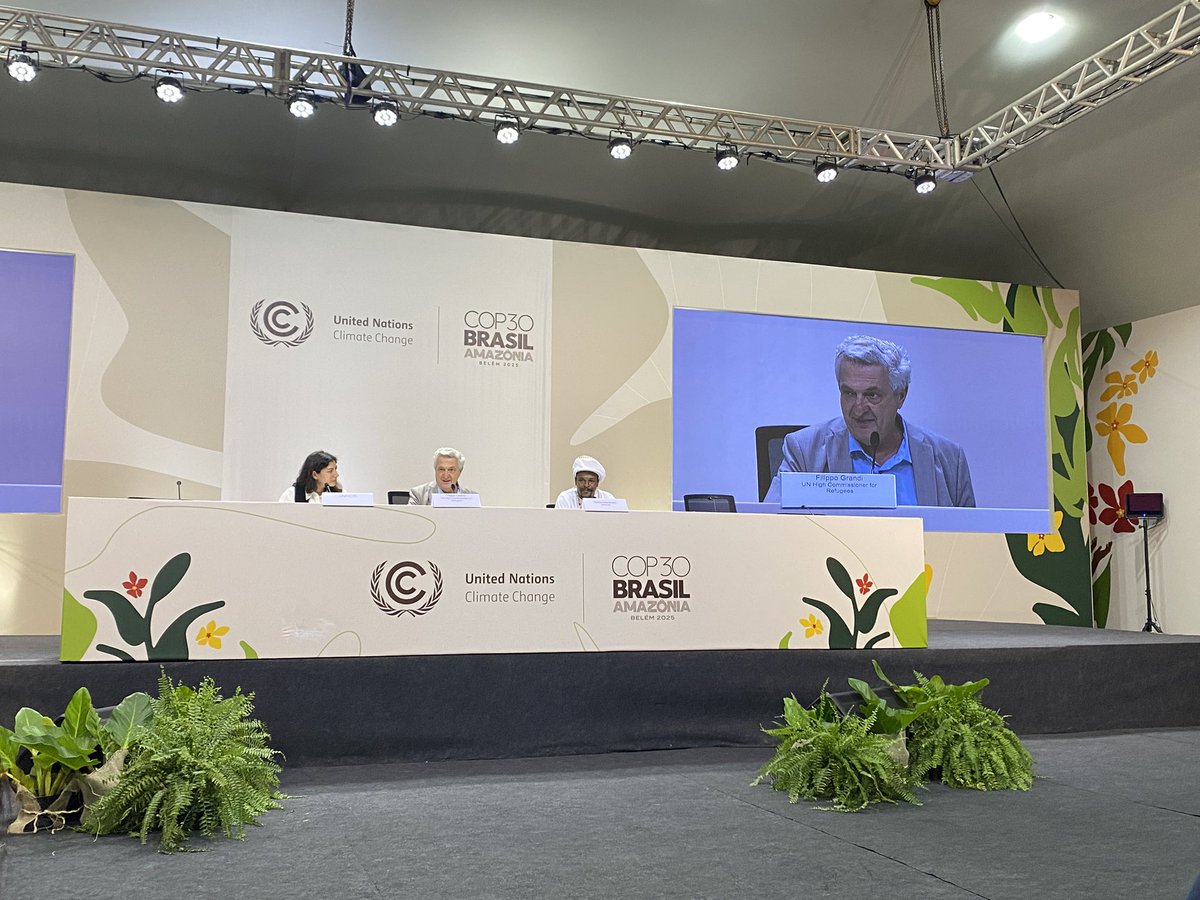
At #COP30, proud to launch UNHCR's "No Escape II." It's a solutions blueprint for climate action on the frontlines of displacement.
The way forward is clear. 👉 https://t.co/osyCHk0TyL
#NoEscapeII#ClimateActionNow#ClimateAction
Millions of displaced people are caught in a growing cycle of conflict & climate extremes.
Concrete #ClimateAction and finance is urgently needed to reach those on the front lines.
Details in new report from @Refugees: https://t.co/MN4VjvSg60
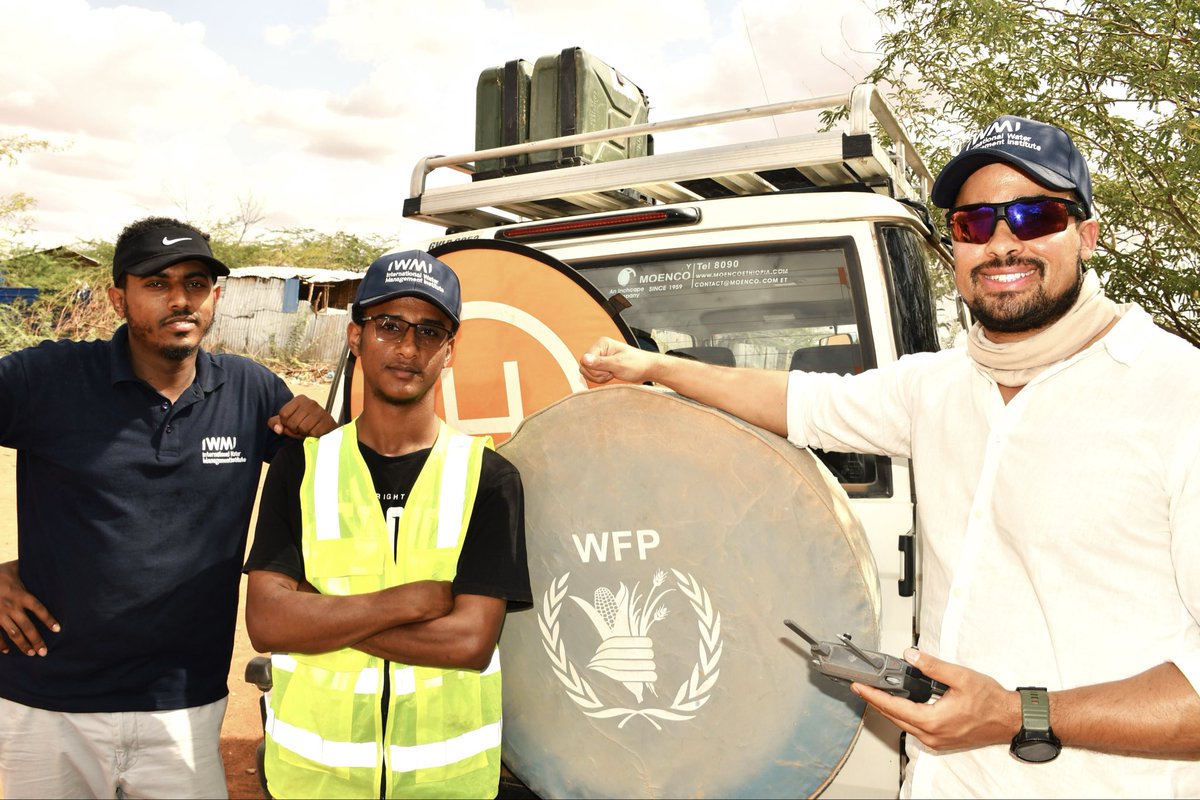
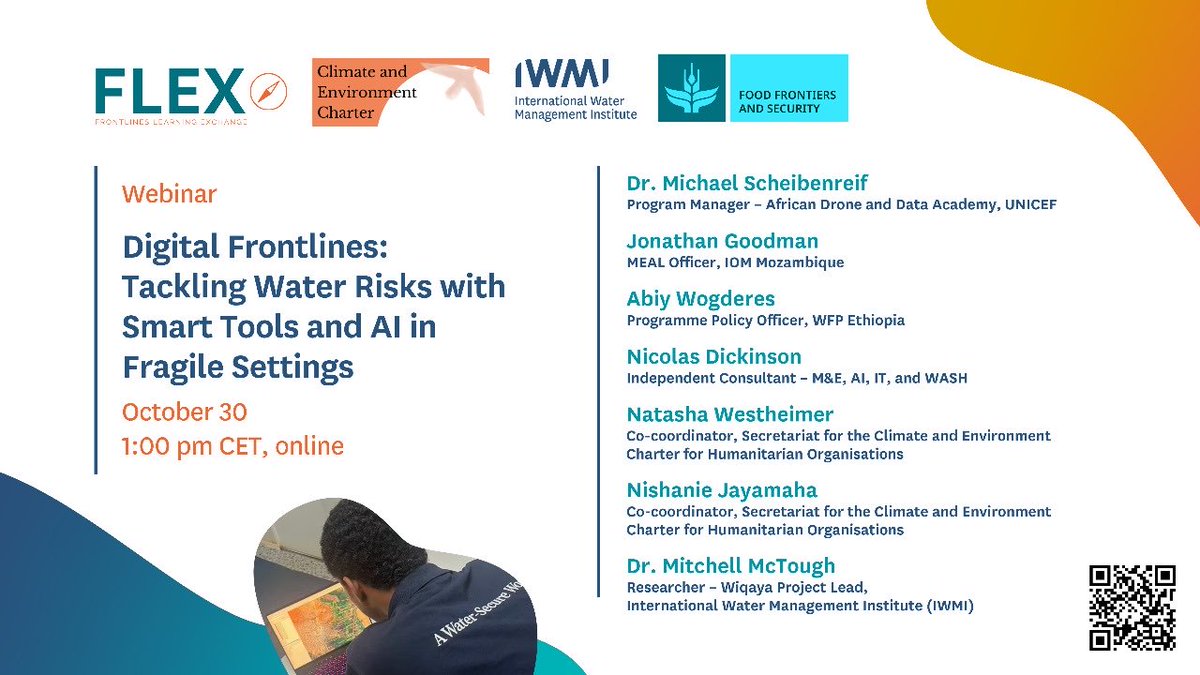
Tackling water risks with AI. Digital Frontlines webinar Oct 30. Speakers from @WFP, @UNICEF, @IOM, @IWMI.
Register: https://t.co/yNVp6lFhuI
@CGIAR#FLEX
Thrilled to join the "Digital Frontlines" FLEX webinar on Oct 30! We'll explore how AI & digital tools can create safer, fairer water management in fragile settings.
Register: https://t.co/12SlzI4cWR
@IWMI@CGIAR#WaterManagement#AIforGood#ClimateAction