Former Extension educator @MNitrogenGuy (now with Olmsted County SWCD) discusses how nitrogen management fits into "climate smart agriculture" in this excellent @NRCS_MN video: https://t.co/W53ZE2h8dM @UMNExt@UMNclimate#MNag@MnSWCDs
2/2. Conservation practices age out and lose effectiveness. We pull some levers that improve water quality outcomes, while at the same time other levers are being pulled that worsen water quality outcomes.
The sort of reporting we should be having on water quality issues in Minnesota. Nonpoint source pollution is complex- the landscape often has a long memory, retaining and releasing nutrient pollution at different times in different places. 1/2
@ChesBayJournal This may be the best reporting I have seen on ag BMPs and water quality, so thank you. We're having lots of similar conversations about water quality trends where I live in Minnesota, but so much of the reporting has lacked this nuance about WHY some trends are what they are.
1/ Ep. 3 of “The Story of Nitrogen” was released today: https://t.co/HIyGvs62oR. This episode focuses on microbes in the soil: what populations “win” when we change soil management (particularly related to nitrogen), and how does this change soil itself?
@dale_wen@agronomistag @jwadeexperience I think for the article being mentioned, they used the averaged out, long-term agronomic optimum for each location as the basis of their conclusions.
@dale_wen@agronomistag @jwadeexperience It's the point where increasing N rates stops increasing yields in fertilizer trials. You only know it after the fact and it can change a lot from year to year, so most universities publish ranges of "most likely" agronomic optimums, which then get adjusted based on economics.
"Even with record amounts of money available, there are not enough trained people to help farmers who want to take on such conservation projects: installing streamside buffers, planting cover crops, constructing manure storage facilities, fencing cows.."
https://t.co/ZaUIxwng8l
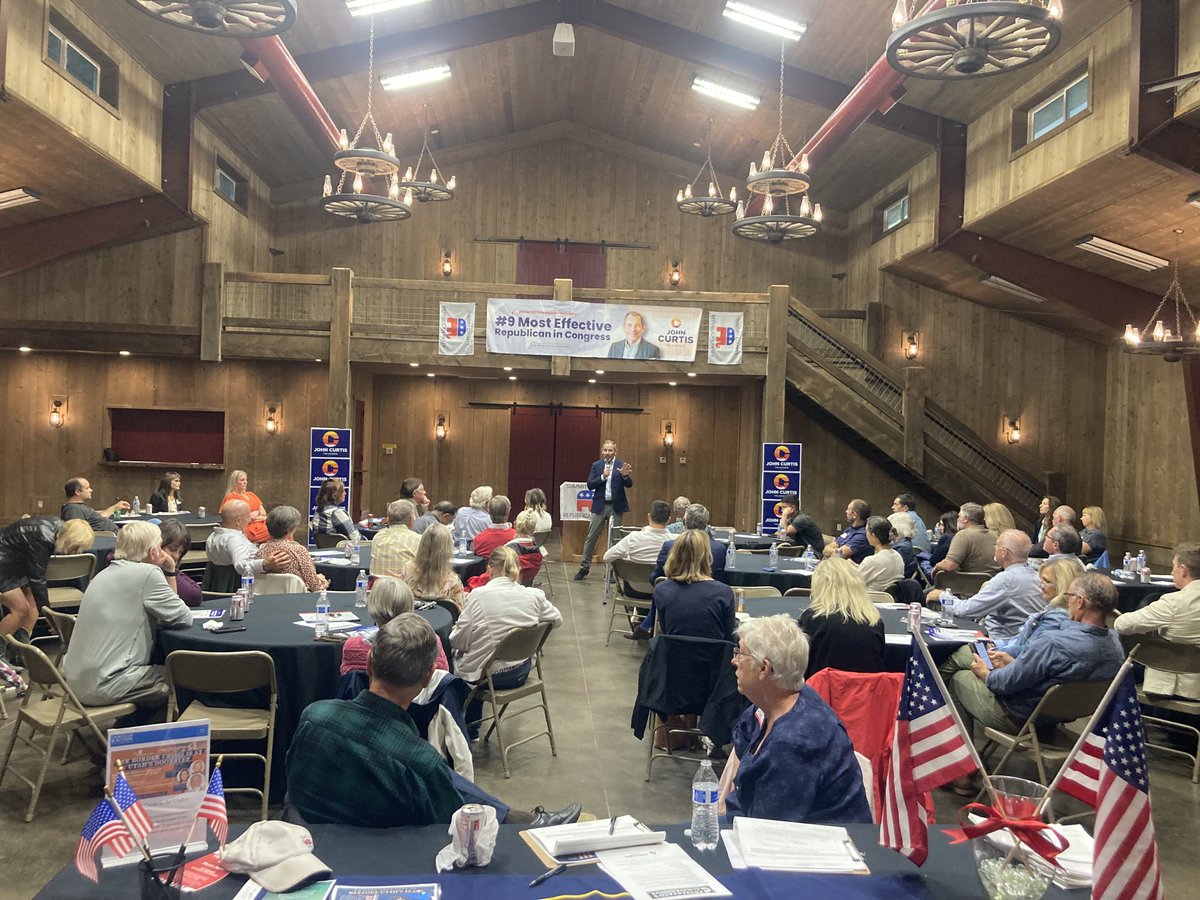
Listening to @RepJohnCurtis talk climate change with GOP delegates from Summit and Wasatch Counties, and just overwhelmingly impressed. No one else can talk about that subject with this audience and connect as well as he does. #BigTent
The saga of Israeli water management is one of the most inspiring stories of the last 75 years
Israel went from having a serious water problem to being a net water exporter to neighboring countries. Meanwhile, the population grew from ~1 million to well over 9 million
Do you know what is really bad for the environment?
Low crop yields. It means forest is cut down to make space for farmland.
Do you know one of the reasons for low crop yields?
Insufficient fertilizer/nutrients.
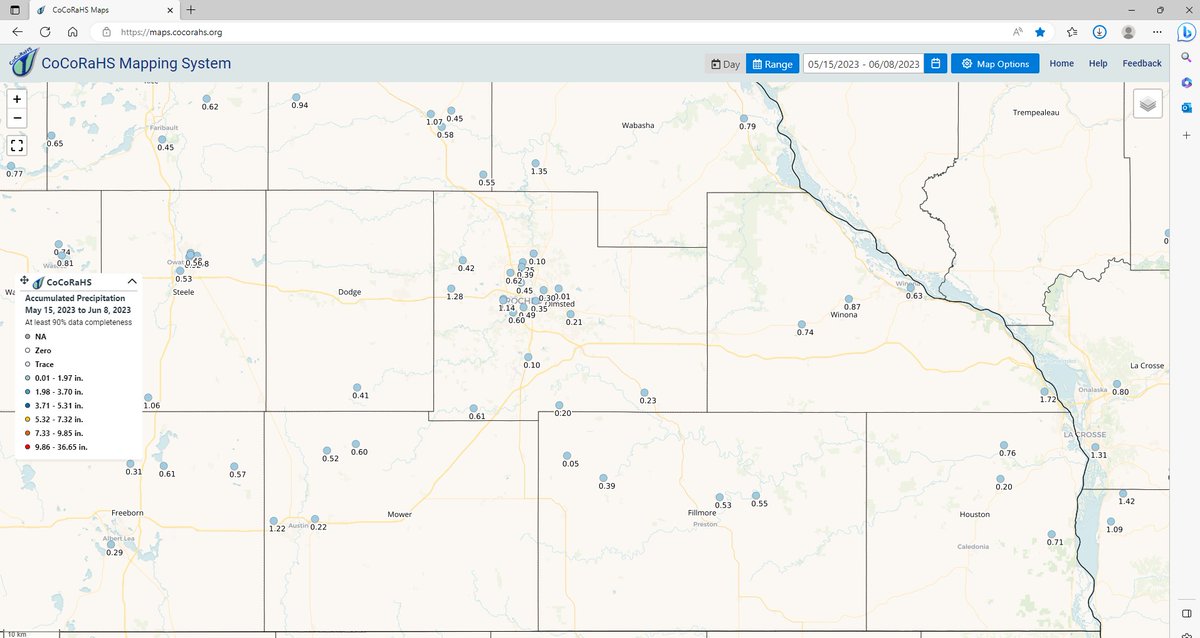
Our kid's chalk drawings that remain on the driveway untouched are a daily reminder of how little rain we've had- 0.25-0.5" in about a month and a half. Crops planted when there was still topsoil moisture look okay if not good, but very little top growth on later planted crops.
I haven't seen any significant drought stress yet in crops near me, other than they seem to be growing a bit slower than usual, despite the heat. But, bottom line is we could use some rain- especially near the Iowa border and Miss. River.
Precipitation map for southeast Minnesota, May 15-today. After a very wet start to May for some but not all of the area, we've been bone dry for close to a month. And pan evaporation (at St Paul) was close to an inch above normal at 7.51" for May.