MSF has been working independently in Pakistan since 1986, providing free emergency medical care in Balochistan, Punjab, Khyber Pakhtunkhwa and Sindh provinces.
The discussions highlighted practical steps to strengthen child-friendly TB care across the country, making TB care more accessible and effective.
MSF, together with WHO, will present the recommendations in a report to the Ministry of Health.
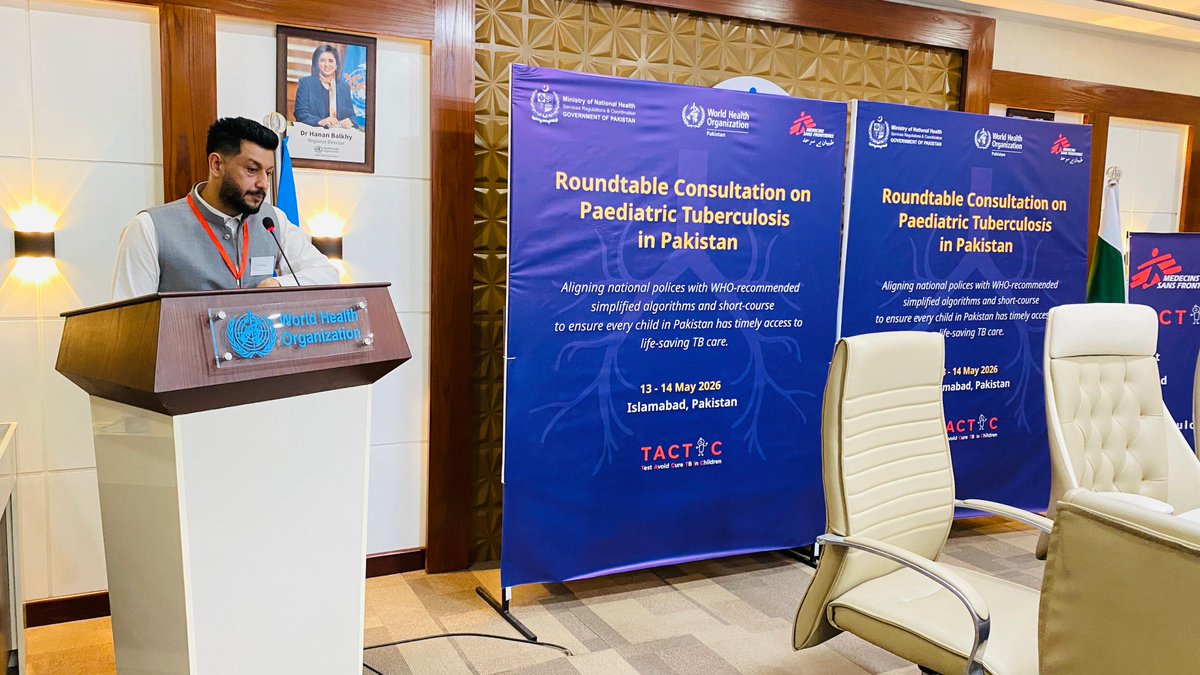
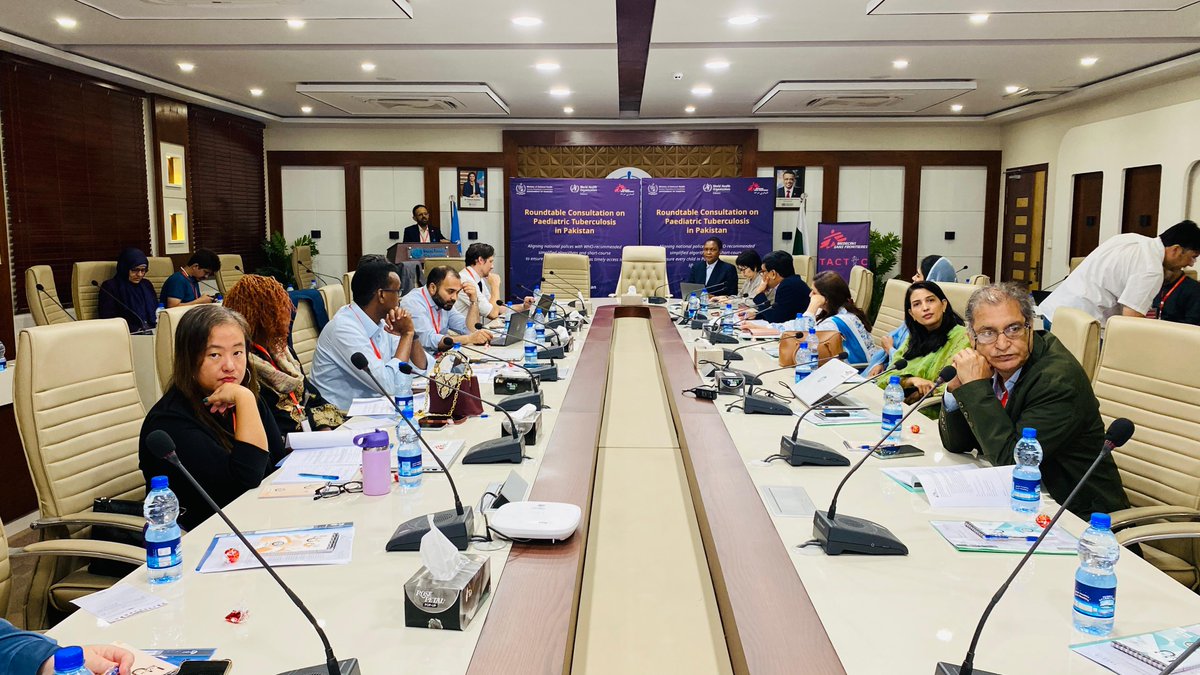
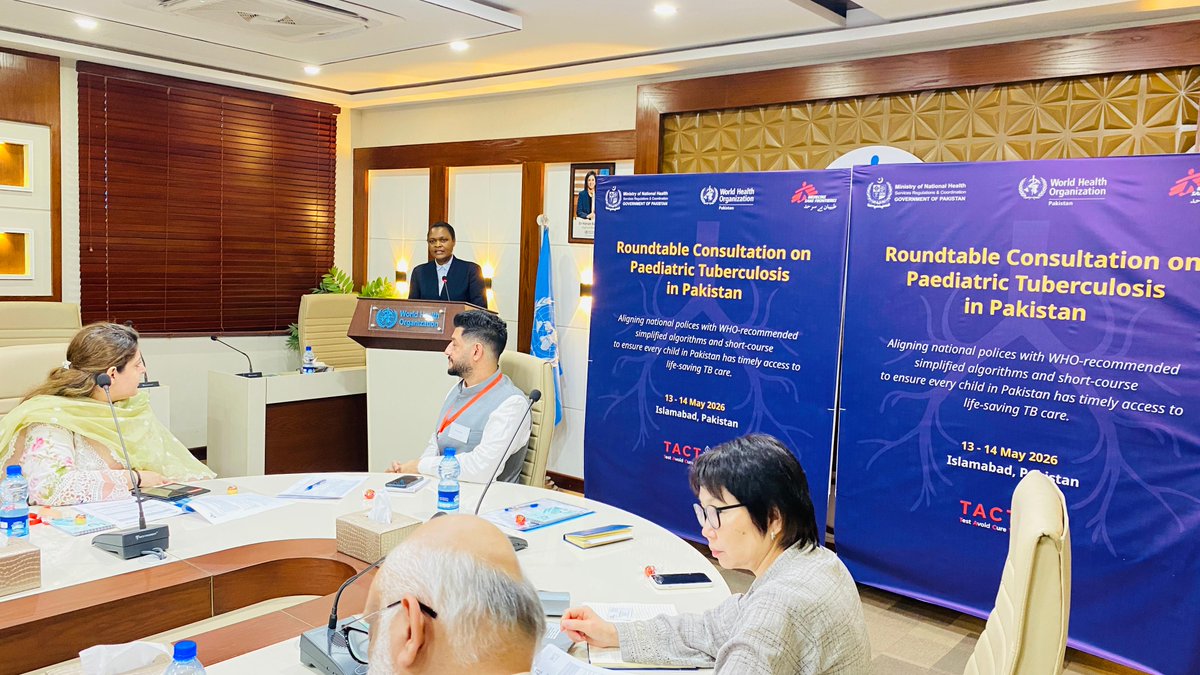
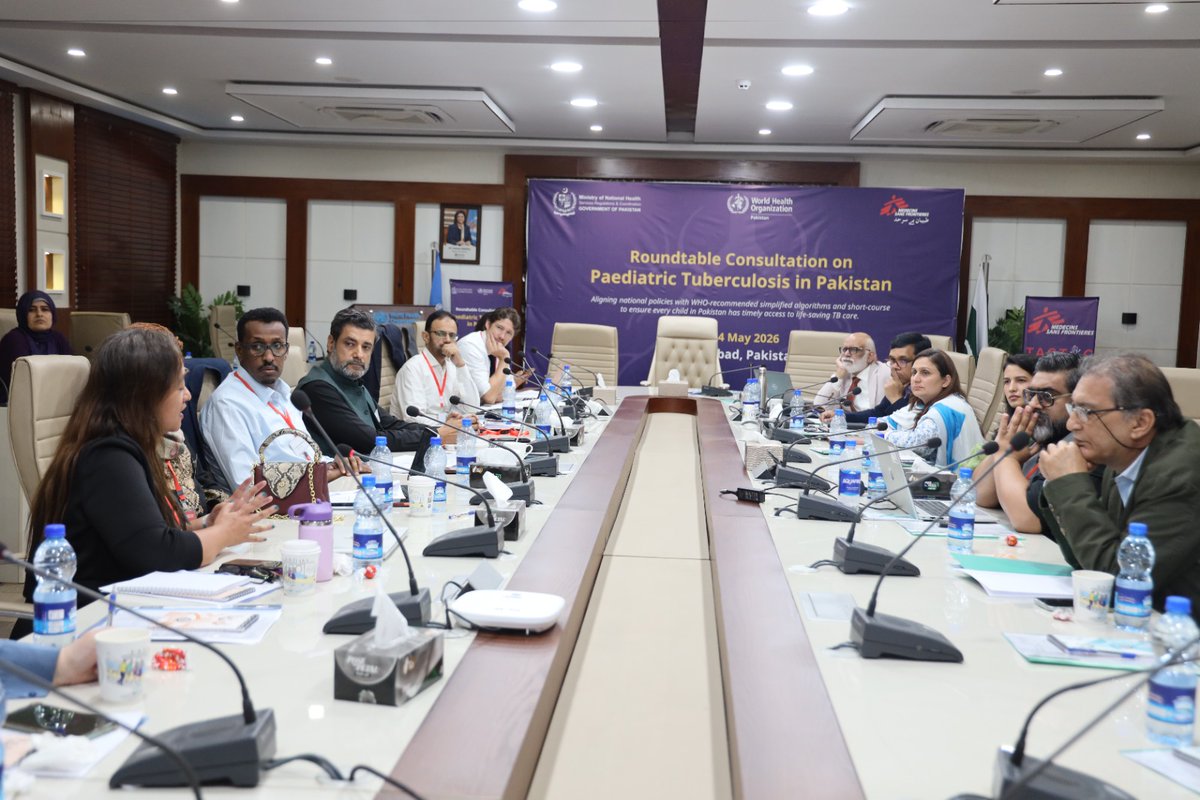
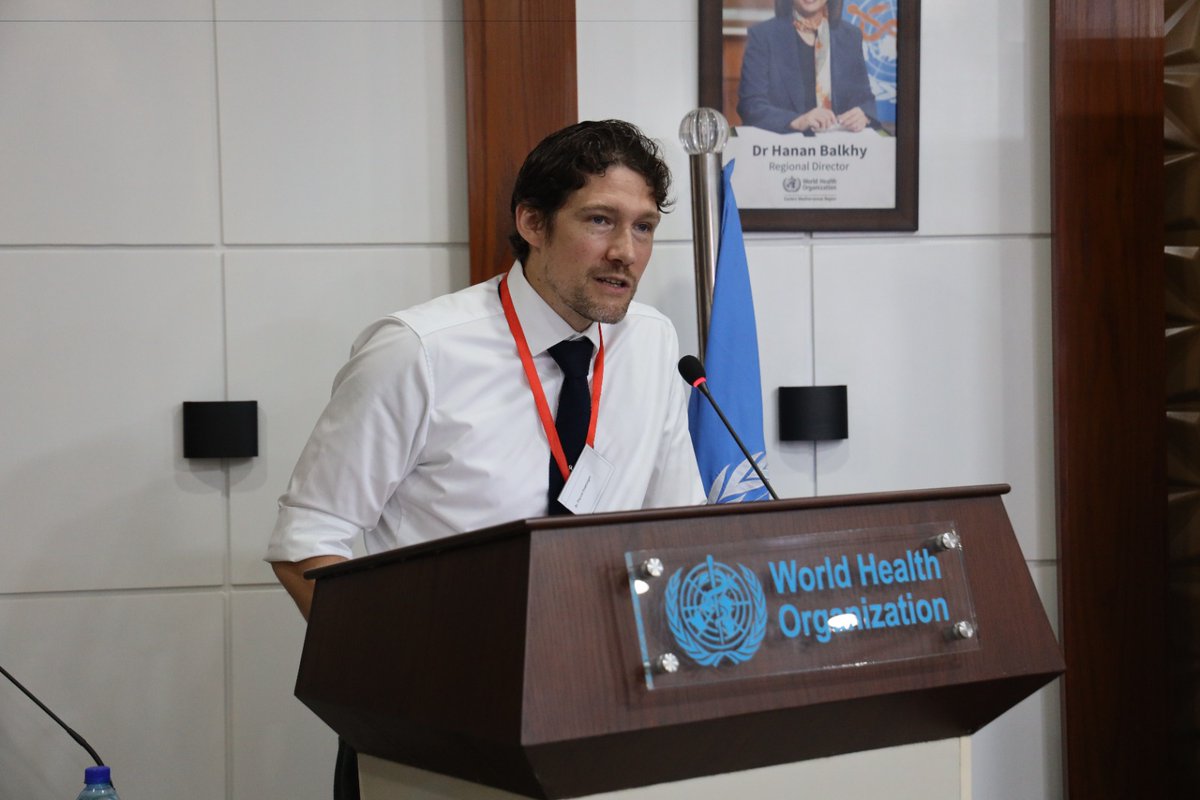
The two-day roundtable consultation on paediatric TB concluded with a shared commitment to improve TB care for children in Pakistan.
Organised by @MSF & @WHO with the national TB program, discussions focused on:
🔍 Diagnosis
💊 Treatment
🛡️ Prevention & nutritional support
Under the leadership Pakistan’s National Tuberculosis Control Programme, @WHO & @MSF hosted today a consultation to strengthen the national response to childhood tuberculosis & align it with the latest WHO international guidelines.
#EndTB
During the first day, TB experts and service providers from across Pakistan exchanged experiences and discussed the current landscape of paediatric TB, key challenges, and the latest WHO guidelines to improve access to timely and effective care for children. #EndTB
To strengthen the response to paediatric TB in Pakistan, @MSF, in collaboration with the @nhsrcofficial & @WHOPakistan, launched a two-day roundtable consultation focused on aligning national policies with WHO-recommended simplified treatment algorithms and short-course regimens.
Globally, every three minutes, a child dies of tuberculosis (TB).
TB is preventable and treatable, yet too many children continue to suffer in silence.
Tomorrow, @MSF will join the National TB Program, WHO, and partners to discuss how to strengthen efforts against childhood TB.
Of the estimated total TB cases and deaths that occur in Pakistan children account for 11% and 20% respectively. The disproportion of cases and deaths in children highlights the immediate action needed for this vulnerable group.
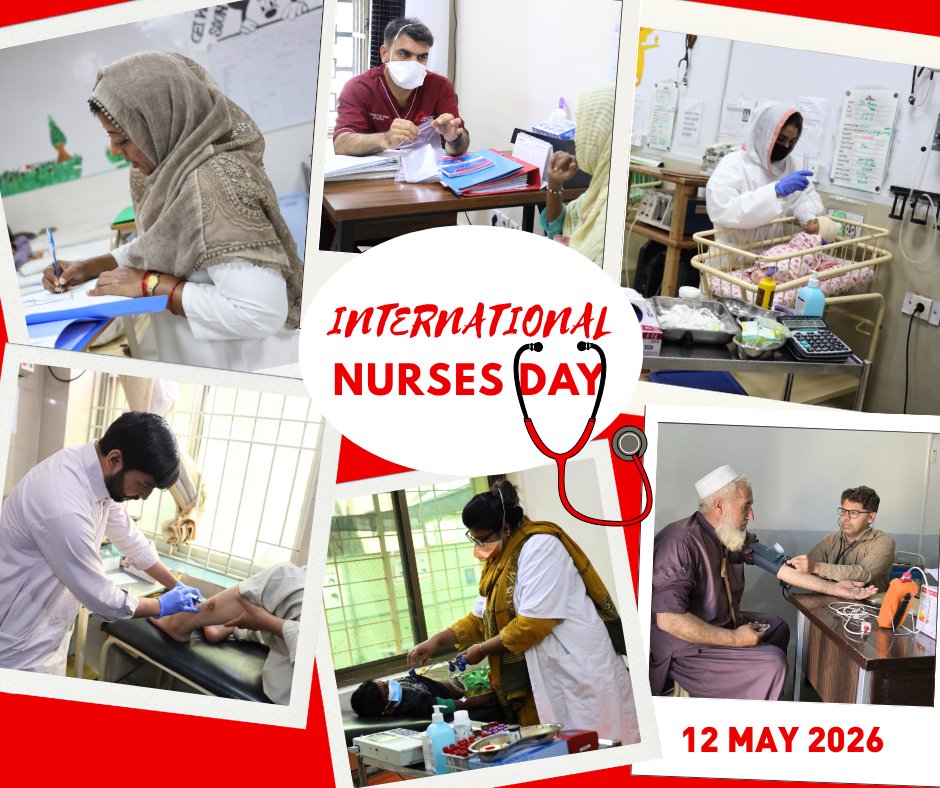
Nurses are the cornerstone of healthcare around the world and are fundamental to @MSF's medical-humanitarian action.
This #InternationalNursesDay 2026, we honour their compassion in connecting people to care.
More here: https://t.co/dfxfMOrIqa
MSF’s actions are first and foremost medical. Our guiding aim is to provide the best quality of care possible, wherever we work, and to act always in the best interest of people and patients.
#MSFPakistan2025
“We don’t trust this ceasefire, it took all the hope that we had.”
In southern Lebanon, our teams, who are working in hospitals with the Ministry of Public Health, are treating patients who have been recently wounded by Israeli forces' airstrikes: https://t.co/OXKCIrDSIq
Cutaneous leishmaniasis (CL) is a neglected tropical disease and a public health burden in Pakistan.
In 2025, @MSF continued its CL programs at five sites across Balochistan and Khyber Pakhtunkhwa, and expanded services to Dogra Hospital, Bara, Khyber.
#MSFPakistan2025
On 3 May 2016, 10 years ago, the UN Security Council unanimously adopted Resolution 2286. Over 80 Member States committed to protect medical care.
Today, medical staff, facilities and patients continue to face attacks during war and conflict:
https://t.co/eFlnuhQksJ
In Lankien, South Sudan, 250,000 people have been left without advanced, lifesaving medical care after government forces bombed our hospital in February, forcing its permanent closure.
https://t.co/nHd6wLiD6y
Tuberculosis continues to kill more than 1 million people each year.
A safe, effective, and affordable vaccine to protect adolescents and adults against #tuberculosis would be a significant step towards reducing global mortality due to TB.
#WorldImmunizationWeek
We asked @MSF_IP for 3 words to describe 3 years of war in Sudan. His answer: catastrophe, atrocities, impunity.
These words are the daily reality of people and communities in Sudan — and this continues because of political failure. #TalkAboutSudan
Afghan refugees and host communities in Quetta, the capital of Balochistan, faced heightened winter health risks.
Deportation, poverty, and restricted movement pushed refugee families into unsafe and dire living conditions, reducing their access to essential care.
MSF supported Afghan refugees and host communities in Quetta this winter through mobile clinics, referrals to specialized care, health promotion and distribution of essential items, helping families cope with the harsh winter.
Want to learn more about @MSF response? See below 👇
Before the diagnosis, Hareem and Ahmad were often unwell. They had poor appetite, abdominal pain, irritability, and were becoming weak. Their mother had taken them to a nearby clinic where they were given medicines without proper diagnosis, but their condition did not improve.
Lebanon - Around 2pm Sunday, Israeli forces struck a densely populated residential area in Beirut, only meters from Rafik Hariri Public Hospital, where MSF is supporting with an ER doctor.
A mass-casualty influx followed: people bleeding, some carried on shoulders. In the first hour, 4 were killed and nearly 40 injured; more casualties are feared as rubble is cleared.
“We are seeing elderly people and adolescents arriving with critical injuries to the head, chest and abdomen, including shrapnel wounds,” says Dr. Luna Hammad, MSF Medical Coordinator, from the ER at Rafik Hariri Public Hospital. “When strikes hit crowded residential areas without warning, the consequences are severe: both in human casualties and in hospitals’ capacity to respond.”
MSF condemns this attack on civilians in a highly populated area and calls for the protection of civilians and health facilities. Strikes this close to a hospital spread fear and can stop people from seeking lifesaving care. MSF is donating a mass-casualty kit and will continue supporting hospitals with medical expertise and essential medical and non-medical supplies. Civilians cannot be collateral damage.