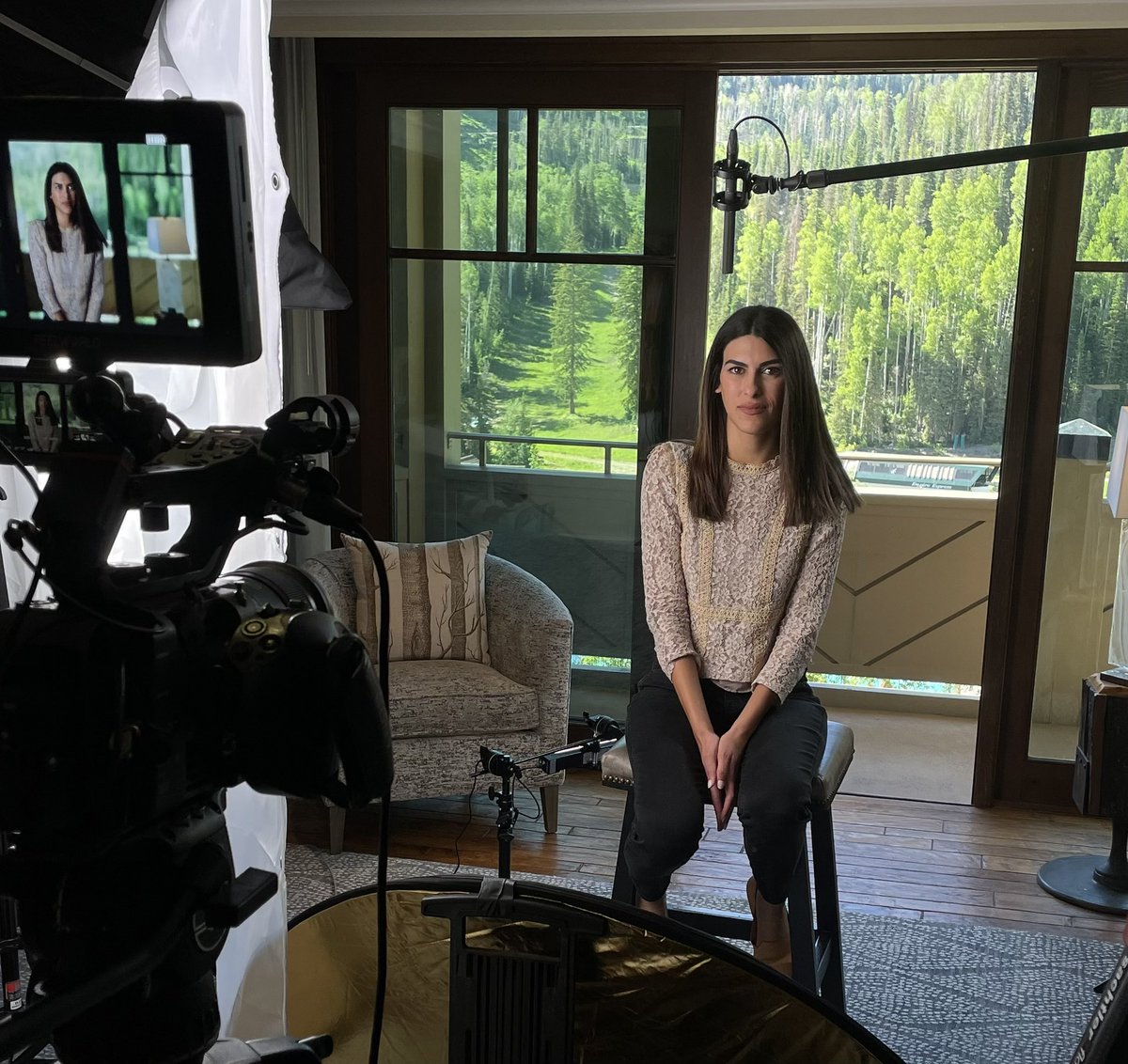
.@Nobellfoods founder & CEO @MagiRichani wrote a great piece for Forbes on the importance of creating a sense of temptation + pleasure around #alternativeproteins and how innovation can help the industry get there. Read more👇 https://t.co/vjJCm3Slcq
When it comes to advice for the next generation @Nobellfoods Founder & CEO @MagiRichani encourages them to “be comfortable with discomfort. We grow through difficult situations and the opportunity on the other side is much greater.” #FutureinFive#FortuneBrainstormTech
If you only read one thing this week, read this.
Animal ag is responsible for btw 15 and 19.6% of global GHG, but < 0.5% of stories about climate change by leading news outlets in the US, UK, & Europe mentioned meat or livestock.
https://t.co/6gySX6MSYt
Now live on the a16z podcast, a cross-post with Bio Eats World!
Hear @vijaypande and @magirichani of @nobellfoods chat about engineering soybeans to produce all kinds of cheese—it's the future! https://t.co/jX9MgbdTav
In our latest episode, @vijaypande chats with @MagiRichani of @nobellfoods about engineering biology, applying those methods to producing new kinds of cheese, and the nitty gritty of building the future of cheese. Check it out. 🎧👇 https://t.co/Ckt39X3TF2
Wouldn’t it be great if we mandated climate footprint comparisons between plant based milks and animal-based milks instead? 90% less land, 90% less water and 70% less emissions would look great on a soy milk front of package
Attorney weighs in on #FDA#plantbased milk labeling draft guidance: 'This is actually quite shocking, as it treats plant-based milks unlike any other food product. If finalized, the guidance should not survive a First Amendment challenge...' https://t.co/vUBZ0oCttQ
Our food choices matter. Soybeans are one of the least utilized superfoods in the US and I’m proud of the work we’re doing at @Nobellfoods to create dairy identical proteins from soybeans. It’s a more efficient and sustainable way to make dairy 🌱
https://t.co/cGE0qDL26S
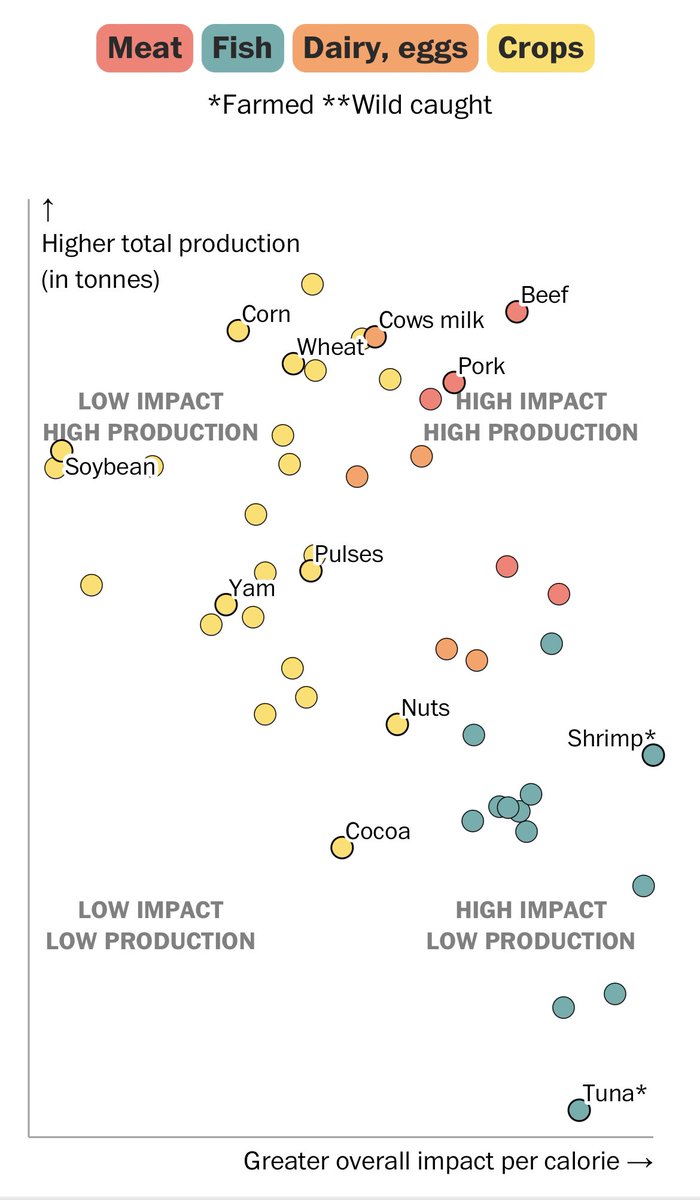
Want to know how animal proteins stack up against plants when it comes to water usage, emissions, habitat loss, and other environmental impacts? This eye-opening visualization from @washingtonpost compares the footprints of common dietary staples. https://t.co/VApuenY0VR
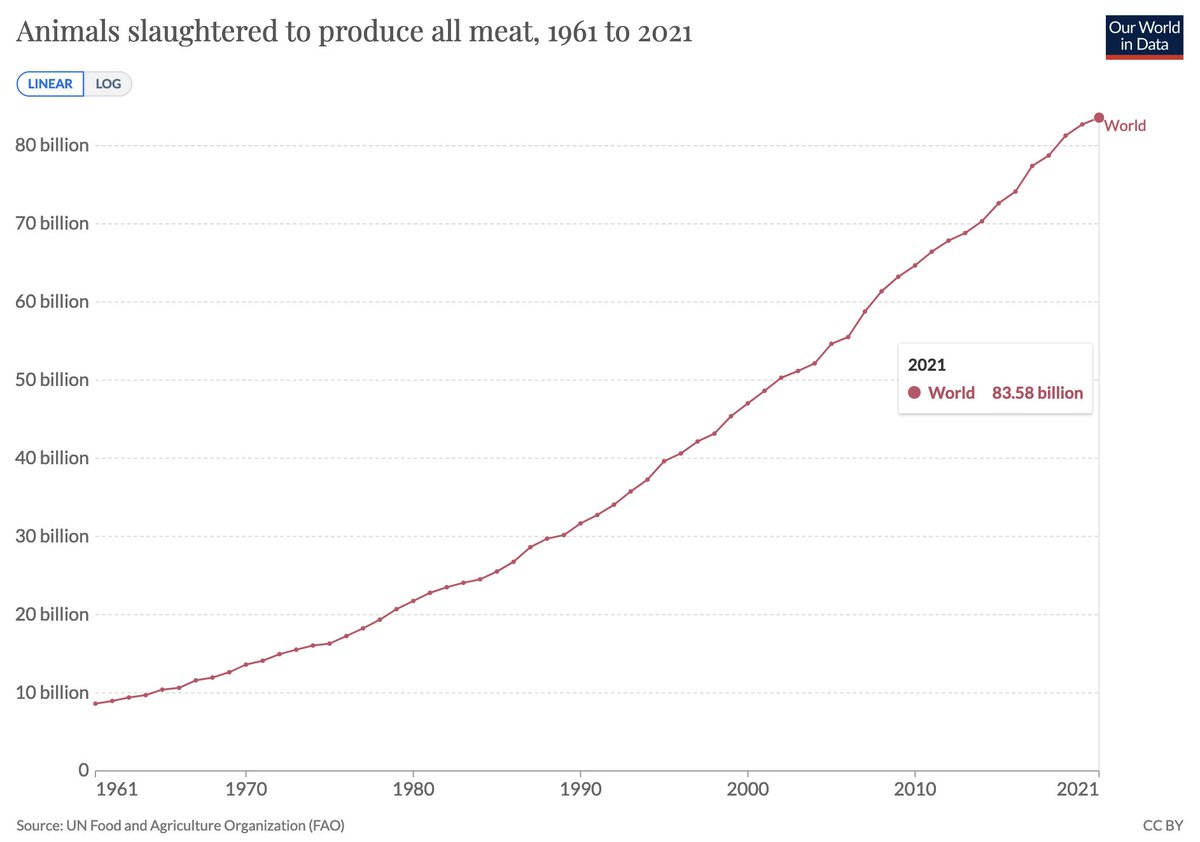
Change does not happen overnight and it is critical to remember that this type of change is existential. We have already wiped out ~70% of all species on this planet and we are already using half of all habitable land for agriculture, with 77% of that dedicated to animal ag.
BREAKING NEWS Using deep tech & science to recreate subsidized commodity animal products is not easy, thank you click bait articles for letting us know. Now back to work, as the world needs real solutions to the environmental collapse we're facing and not more click bait articles
At @Nobellfoods we've spent the past 6+ years developing an entirely new technology platform (Plant Grown Proteins) to produce animal proteins in plants so we have a chance to compete on taste and price with animal-products
2022 is almost over. So it’s time to slow down and savor the simple pleasures in life.
Like our toll-free cheese line.
Just call 1-844-4-NOBELL and you’ll find yourself instantly transported into a smooth and velvety world of animal-free cheese that actually melts.
Excited to publish @ycombinator’s Request for Startups: Climate Tech.
A lot of work went into this by @drusenko and myself, and we hope this will inspire any founders to work on what we think is an opportunity of a generation. https://t.co/iYaJcx28iq
Does anyone see something missing from US voters’top concerns? Something kind of existential? Like not having a planet to live on? And how can we change that before it’s too late…
Datasource: https://t.co/UroZH4gtdq
#ClimateCrisis#USElections
“The infectious disease trap of animal agriculture” is out in Science Advances. Outbreaks of “zoonotic” diseases that spillover from animals to humans are likely to increase, unless we can reduce demand for animal-based foods. 🧵 1/ https://t.co/mNO9i3yhP1