My "Roman Empire is the realization that my life is a lottery win. Somewhere in Sudan, Pålestine, iran, Afghanistan, Iraq or Congo, there is a boy smarter than me. He is more disciplined, more resilient, and holds more potential in his single finger than I do in my entire career.
The only difference? I am siting in a train and he is sting in the rubble of his dreams.
My "bad days" are his wildest dreams.
My "burnout" is a luxury he can't afford because his only job is staying alive.
It's geographical luck and it's a haunting injustice that we all refuse to acknowledge and look away
This analysis deeply misunderstands how deterrence works on the strategic scale, and deeply misunderstands the necessary, if painful, logic of anti-imperialist war.
Squirrel is trapped within a Eurocentric frame, and ignores how Iran and the axis have, informed by the Shia tradition, wrestled the signification of death away from the zionist-imperialist bloc. And forgets the lessons of Ho Chi Minh and Basel al-Araj, that the revolutionary intellectual should never compare casualties between colonizer and colonized, imperialist and anti-imperialist, for they will always be skewed. What matters is how the resistant society demonstrates the capacity to reproduce itself while absorbing these costs (or what Amal Saad might call "deterrence by regeneration")
More fundamentally, Squirrel seems to only be capable of apprehending deterrence on a very narrow tactical scale - in terms of counting casualties on each side. In this sense, it is true that the US-Zionist bloc killed more people and visited more destruction upon Iran and Lebanon. And, yes, it retains the ability to strike Iran at will without experiencing a commensurate counter-response.
However, the zionist-imperialist bloc has not been able to translate their tactical strikes into strategic gains, which is the scale at which Iran has sought to establish deterrence.
For example, the US-zionist assassinations did not lead to institutional fracturing, as was the strategic aim of the attackers, but instead was responded to with institutional and governance continuity and coherence.
The attacks on civilian infrastructure and civilian life did not lead to social fracturing, as was the strategic expectation, but rather was responded to with national and social cohesion, a renewal of the popular sovereign basis of the Republic.
The attacks on core economic infrastructure did not succeed in de-industrializing Iran, as it instead responded with rapid repair and replenishment where necessary in the short term, and preserving of capabilities so restoration could happen in the medium term. And, most significant, Iran responded to the tactical blows, as a whole, by establishing permanent escalation dominance through its demonstration of its sovereignty over the strait of Hormuz.
Iran's "escalation dominance", or its moving of deterrence to the strategic scale, had the effect of demonstrating that while the enemy could inflict casualties and destruction, it would fail to achieve any strategic advance. In fact, it would experience strategic reversals - rising costs in the form of revenue drain (US was spending 2 billion/day), munitions attrition, and an internal social fracturing (growing opposition to war in US). The US has permanently lost its standing as a security guarantor for the GCC.
Perhaps, most significant, when Trump and Hegseth threaten Iran with death, the response they receive is: "we do not fear death, we choose dignity over humiliation." This has the impact of disarming the imperialist power - it can spend billions inflicting death, but it achieves nothing strategically.
Now, see where we find ourselves. It is no longer up to the US to either uphold or undermine the ceasefire - the initiative is in the hands of Iran. The strait of Hormuz is a counter-sanctions enforcement mechanism, this is a reality the US must now accept. Iran has further demonstrated that the US can spend 65 billion dollars per month and achieve no strategic gains, and lose strategically in the sense that the Gulf no longer has a security guarantor.
Certainly, war can break out again, but what has been revealed is that it is the US, not Iran, that is increasingly moving out of weakness and panic, and a realization that its projection of power in the region is in irreversible decline at the strategic scale.
حين تختلط الموازين… ويُحاكم الواقع بغير فقهه
ليست المعضلة في أن يخطئ المرء التقدير، فذلك شأن البشر، ولكن المعضلة حين يُنصَّب الهوى ميزانًا، ثم تُستدعى النصوص لتُباركه، ويُستعار الغضب ليغطي خلل الفهم.
لقد تعوّدنا – في زمن الفتن – أن تختلط المفاهيم: فتُجعل السياسة عقيدة، والمصلحة خيانة، والاضطرار موالاة، ويُراد للواقع أن يُحاكم بميزانٍ مجرد لا يعرف سنن الله في التدافع.
وهذا الذي وقع فيه الدكتور الفاضل نايف العجمي ..
أولًا: فقه الواقع … قبل فقه الأحكام
إن من أصول النظر التي قررها الأئمة: أن الحكم على الشيء فرع عن تصوره.
قال ابن تيمية:
“الحكم على الشيء فرع عن تصوره”
فإذا اختل التصور، اختل الحكم.
وهنا كان الخلل الأكبر:
تصوير العلاقة السياسية على أنها ولاء عقدي، وتصوير الاضطرار على أنه اختيار، وتصوير التوازنات على أنها خيانة.
إن حركة حماس ليست جماعة دعوية تعيش في فراغ، بل حكومة قائمة، وصلت عبر انتخابات، وتدير شعبًا تحت حصار، وتخوض حرب وجود.
وهنا يختلف الفقه:
• فقه الدعوة ≠ فقه الدولة
• فقه الشعارات ≠ فقه إدارة الصراع
وقد نبّه العلماء إلى هذا المعنى حين قرروا أن:
“تصرف الإمام منوط بالمصلحة”
فأين المصلحة هنا؟ وأين فقه الضرورة؟ أم أن المطلوب أن تُدار الحروب بالنيات لا بالمعادلات؟
ثانيًا: بين الولاء والمصلحة… حدٌّ ضاع في الخطاب،
ومن أعجب ما في هذا الطرح: أنه يخلط بين التعامل والموالاة، مع أن الشريعة فرّقت بينهما تفريقًا بيّنًا.
قال تعالى:
﴿لَا يَنْهَاكُمُ اللَّهُ عَنِ الَّذِينَ لَمْ يُقَاتِلُوكُمْ فِي الدِّينِ… أَنْ تَبَرُّوهُمْ﴾
بل إن النبي ﷺ تعامل مع يهود المدينة، وعقد معهم، واستفاد من خبراتهم، مع بقاء العداء العقدي.
فهل كان ذلك موالاة؟!
إن الفرق الذي ضاع هنا هو:
• الموالاة: محبة ونصرة قلبية وعقدية
• التعامل: توظيف مصلحة في سياق صراع
وقد قرر العز بن عبد السلام قاعدة عظيمة:
“تُرتكب أخف المفسدتين لدفع أعظمهما”
فهل يُطلب من شعب محاصر أن يترك كل دعم لأنه صادر من طرف مختلف عقديًا؟!
هذا ليس فقهًا… بل مثالية قاتلة.
ثالثًا: ازدواج المعايير… حين يُغتفر للدول ويُحرّم على المستضعفين
هنا تظهر المفارقة المؤلمة:
• تُبرَّر علاقات الدول الكبرى مع قوى إجرامية باسم “الدبلوماسية”
• ثم تُدان علاقة غزة مع داعم عسكري باسم “الخيانة”
وهذا تناقض لا يستقيم عقلًا ولا شرعًا.
خذ مثالًا:
• زيارة أحمد الشرع لروسيا
مع أن روسيا طرف مباشر في قتل السوريين
فهل قيل: هذا ولاء؟! أم قيل: هذه سياسة؟
فإن كانت سياسة هناك… فهي سياسة هنا.
وإن كانت خيانة هنا… فهي خيانة هناك.
وقبل ذلك تودد للأمريكان وترامب القاتل غير المباشر !
أما أن يُغيّر الحكم بتغيّر الفاعل، فهذا ما سماه الأصوليون:
الحكم بالهوى لا بالميزان
رابعًا: منطق “من ليس معنا فهو ضدنا”… طريق الفتن
إن أخطر ما في هذا الخطاب، أنه يستدعي منطقًا تبسيطيًا خطيرًا:
نحن في حرب، فمن لم يكن معنا فهو ضدنا
وهذا ليس من فقه الإسلام، بل من منطق التعبئة.
فقد عاش المسلمون عبر تاريخهم:
• تحالفات مع غير مسلمين
• هدنات مع أعداء
• توازنات دقيقة
بل إن النبي ﷺ في صلح الحديبية قبل شروطًا ظاهرها مجحف، لكن مآلاتها كانت فتحًا.
فهل كان ذلك ضعفًا؟ أم فقهًا بالمآلات؟
خامسًا: تغييب سنن التدافع… واستدعاء العاطفة بدل الفهم
السؤال العاطفي الذي طُرح:
أين كانت إيران حين كانت غزة تُباد؟
سؤال يُحرّك الشعور… لكنه لا يبني حكمًا.
لأن السياسة لا تُدار بالنوايا، بل بالمصالح والتوقيت.
ولو جعلنا هذا معيارًا:
• لسقطت كل الدول
• ولسقطت كل التحالفات
لكن الشرع لا يبني الأحكام على الانفعال، بل على الموازنة.
قال ابن تيمية:
“ليس العاقل من يعلم الخير من الشر، ولكن العاقل من يعلم خير الخيرين وشر الشرين”
فأين هذا الميزان في الطرح المطروح؟
إيران دولة كبرى تُجيد السياسة ولديها أذرعتها مع الأسف فاقت دولنا العربية الوظيفية
سادسًا: تقسيم التوجهات السياسية حسب الحالة النفسية .
إن أخطر الانحرافات ليس في الموقف، بل في تديين الموقف السياسي:
• هذا فسطاط إيمان
• وهذا فسطاط نفاق
وهذا مسلك خطير، لأنه:
• يُغلق باب الاجتهاد
• ويُحوّل الخلاف السياسي إلى خصومة عقدية
• ويُفرّق الصف بدل أن يجمعه
وأثره ﷺ كان:
• حكمة
• وتدرجًا
• ومراعاة للواقع
لا اندفاعًا ولا تصنيفًا متعجلًا.
يا شيخ نايف…
ليست القضية في الغيرة على الدماء، فكلنا نغار،
وليست في كراهية الظلم، فكلنا نكرهه،
لكن القضية في الميزان:
• إن جعلت السياسة مصالح، فدعها للجميع
• وإن جعلت العلاقات ضرورة، فافهمها في كل السياقات
• وإن حرّمت التعامل مع المجرمين، فابدأ بالجميع لا بانتقائية
أما أن:
• تُفهم السياسة حين تكون دولة
• وتُنسى حين تكون غزة
فهذا ليس فقهًا… بل اضطراب في المعايير.
وإن الأمة لا تُهزم حين يقل سلاحها،
بل حين يختل ميزانها.
I refused to speak with the fascists at "The Free Press," who should be sent to the Hague for complicity in genocide and assassinating Dr. Refaat Al-Areer, so they had an undercover reporter track me down in Beirut and meet me under false premises.
The enemy press, which makes virtually no distinction between itself and the national security state, tries to paint me as an eccentric and pathological exception, instead of admitting the more dangerous truth: that I'm a microcosm of a broader pattern, of some youth in the imperial core identifying more with the brave anti-imperialist mujahideen of the Axis of Resistance, who we understand are fighting for our collective international liberation, than we are identifying with our own corrupt, fascist, pedophilic, and genocidal ruling classes, systems, and cultures, which we hope to see obliterated into the dustbins of history.
The five-second epistemology of the choice that doesn’t exist.
The choice doesn’t exist. You’re framing it as a decision — take the economic loss or take the bombs. But the monarchies don’t have a decision to make because the monarchies don’t exist without the architecture. The House of Saud isn’t a government that happens to be allied with Washington. The House of Saud is a product of the alliance. Remove the alliance and the House of Saud is a family in the desert with no theological legitimacy, no military protection, and a population that knows it.
The monarchies can’t sell the relationship with Washington and stay in power. The relationship with Washington is the power. The British drew the borders, the Americans armed the family, the oil concessions created the economy, and the dispensationalist architecture provided the regional framework that keeps the whole thing standing. There is no version where MBS pivots to Beijing and remains king. The Chinese don’t need a king. The Chinese need a gas station. A king is an American product. A king requires the theological fiction that this family has a divine right to Mecca and Medina and the only thing backing that fiction is the military architecture that Washington provides.
This is Karbala again. 680 AD. Husayn ibn Ali refused to pledge allegiance to Yazid because Yazid’s claim to the caliphate was illegitimate. The Shia theological tradition is built on that refusal — the refusal to recognize a ruler whose authority comes from power rather than righteousness. The House of Saud is Yazid. The legitimacy is purchased, not earned. The custodianship of the Two Holy Mosques is a title that was taken by force and maintained by oil money and American weapons, not by theological authority recognized by the ummah. Iran doesn’t need to make this argument. Iran’s entire theological existence is the argument. Karbala is the founding story. The illegitimate ruler. The righteous refusal. The martyrdom that proves the refusal was correct. Larijani was killed on Laylat al-Qadr with his son. That’s the Karbala template repeating in real time.
So when you say the choice is between economic loss and physical loss, you’re offering a menu to a customer who doesn’t own the restaurant. The monarchies don’t choose. The monarchies exist at the pleasure of the architecture. The architecture is dispensationalist. The architecture requires the war. The war requires the monarchies to host the bases. The bases make the monarchies targets. The targets can’t refuse to be targets because refusing means losing the protection that is the only reason they exist. There is no choice. There is a trap. The trap was built in 1945 when Roosevelt met Ibn Saud on the USS Quincy and the deal was oil for protection and the protection became the dependency and the dependency became the identity and the identity has no exit because the exit is the end of the monarchy.
MBS can’t choose Beijing over Washington any more than the evangelical Disney World can choose to not be a theme park. The structure is the thing. The thing doesn’t have preferences. The thing has requirements. The requirement is the war. The war is here. The monarchy is inside it. The monarchy dies inside it or the monarchy dies outside it. Those are the options. The choice you’re describing — accommodate, pivot, survive — is a choice for a sovereign state. These aren’t sovereign states. These are administrative units of someone else’s project. The project is ending. The units end with it.
النبي ﷺ أنه عند نزول قوله تعالى {وَإِنْ تَتَوَلَّوْا يَسْتَبْدِلْ قَوْمًا غَيْرَكُمْ}، ضرب على كتف سلمان قائلاً: "هذا وقومُه، والذي نفسي بيده لو كان الإيمانُ منوطاً بالثريا لنالَتْهُ رجالٌ من فارس".
I don't have "deep insights" about Americans as a species.
I have memory.
And I have pattern recognition sharpened by what it means to live under the consequences of decisions Americans call "foreign policy."
You grow up Vietnamese, you learn early that there are two parallel realities:
The one you live through.
And the one narrated about you on American television, in speeches, in films, in history books.
My family lived through the moment when American abstractions like "credibility" and "containing communism" stopped sounding strategic and became physical:
Bomb craters. Refugee boats. Bodies.
You watch villages renamed "collateral."
You watch coups renamed "restoring democracy."
You watch blockades renamed "pressure for reform."
You watch your dead filed away as "tragedy" so that no one has to call them what they were: crimes.
After a while, you stop getting angry at every sentence.
You start studying the grammar.
Who gets to remain human in the story.
Who gets turned into an adjective.
Whose violence is "regrettable," and whose resistance is "terrorism."
Which lives are allowed complexity, and which lives are flattened into body counts, talking points, and background noise.
Then you hear Americans speak about entirely different places, entirely different wars, entirely different enemies, and the same grammar is still there:
"Intervention" instead of invasion.
"Stability" instead of control.
"Responsibility" instead of domination.
"Sanctions" instead of siege.
If you grow up with that long enough, you learn that what empire calls "responsibility" usually means someone far away is about to bleed.
That's where my "insight" comes from.
From watching the same software run on different hardware.
From listening closely to the metaphors they don't even notice they're using anymore.
From realizing that, for a lot of good, ordinary people, this isn't malice. It's the water they were raised in.
The story is always written from the cockpit, never from the crater.
So when I write about American exceptionalism, I'm not claiming mystical access to "your people."
I am describing the hallucination I've been forced to survive under since I was born.
And once you see the pattern from outside the blast radius, it becomes almost impossible not to see it everywhere.
There is a recurring phenomenon within Muslim discourse where any heightened geopolitical tension (war, occupation, a crisis, etc) is met with the deeply misguided counsel: "focus on the deen, leave these distractions." The implicit assumption embedded in this advice is that…+
Dr. Russell Barkley, drawing from 20+ years of twin studies, behavior genetics, and neuroimaging: Parenting isn't engineering a blank slate—it's shepherding a unique genetic mosaic already loaded with 400+ psychological traits that emerge mostly on their own timetable.
You provide the pasture: safe, nourishing environments with adequate (not excessive) stimulation, protection from harm, and access to rich out-of-home influences (peers, schools, neighborhoods, community—the biggest shaper after genetics, per Judith Harris in The Nurture Assumption).
But you don't redesign the sheep. No prenatal Mozart, no overload of crib toys turns threshold development into engineered genius. Extra stimulation past basics yields diminishing returns; "more is better" is a cultural illusion, not biology.
Data is stark: Parental influence on core traits peaks before 7, plummets to ~6% in teens, hits zero after 21. Knowledge transfers via exposure—yes. Personality, abilities, temperament? Largely genetics + broader world.
This frees parents from crushing guilt ("If my child struggles, I failed"). Instead: Curate wisely, then enjoy watching the individual unfold. Open the Chardonnay, kick back—the show is brief.
Short of abuse/neglect/malnutrition, in-home tweaks are often trivial next to where you choose to live and the doors it opens.
Shepherd, not engineer. Let them grow into who they already are.
Does this shift relieve pressure—or challenge how you view "success" in raising kids?
The ancient Romans, Greek, and Chinese ate these plants for centuries.
Modern Americans call them "weeds" and spray them with chemicals.
After looking around I found 8 common garden weeds that contain more nutrients than kale, spinach, and broccoli:
1. Dandelion Greens
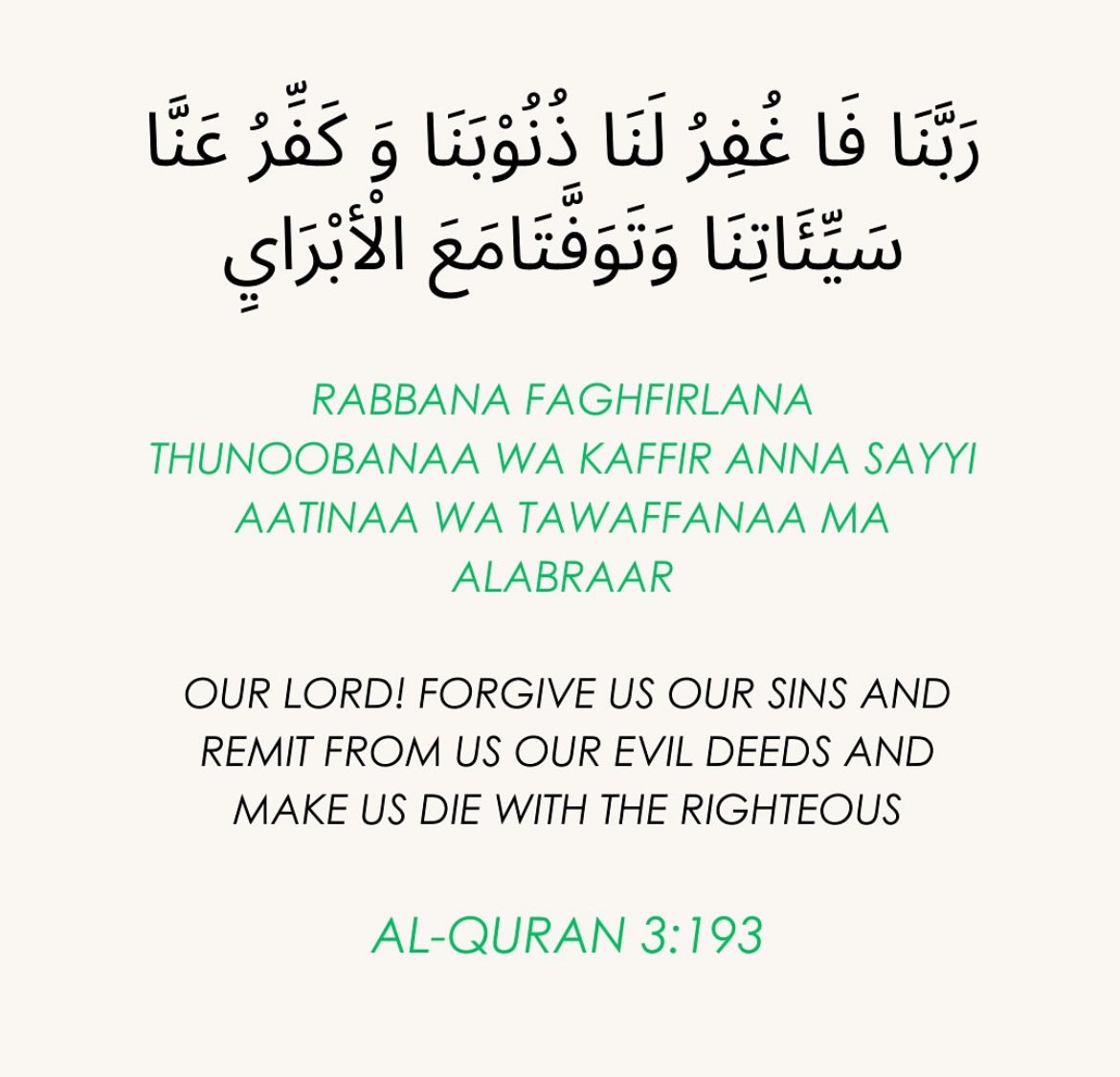
𝟯 𝗗𝗨'𝗔𝗔𝘀 𝘁𝗼 𝗥𝗘𝗖𝗜𝗧𝗘 𝗘𝗩𝗘𝗥𝗬 𝗦𝗜𝗡𝗚𝗟𝗘 𝗡𝗜𝗚𝗛𝗧 𝗜𝗡 𝗥𝗔𝗠𝗔𝗗𝗔𝗡
1. RasulAllah ﷺ said “Every night in Ramadan Allah decrees a certain number of people for their neck tobe saved from the Hellfire and that happens every single night in Ramadan”. 𝗘𝘃𝗲𝗿𝘆 𝗻𝗶𝗴𝗵𝘁 𝗶𝗻 𝗲𝘃𝗲𝗿𝘆 𝘀𝘂𝗷𝗼𝗼𝗱𝗮𝘀𝗸 𝗔𝗹𝗹𝗮𝗵 𝘁𝗼 𝗶𝗻𝗰𝗹𝘂𝗱𝗲 𝘆𝗼𝘂𝗿 𝗻𝗮𝗺𝗲 𝗮𝗺𝗼𝗻𝗴 𝘁𝗵𝗼𝘀𝗲 𝘄𝗵𝗼 𝗮𝗿𝗲 𝘀𝗮𝘃𝗲𝗱 𝗳𝗿𝗼𝗺 𝘁𝗵𝗲 𝗛𝗲𝗹𝗹𝗳𝗶𝗿𝗲!
2. Rasulullah ﷺ said “Whomsoever witnesses Laylatul Qadr all his previous sins are forgiven”. 𝗕𝗲𝗴 𝗔𝗹𝗹𝗮𝗵𝘁𝗼 𝘄𝗶𝘁𝗻𝗲𝘀𝘀 𝗟𝗮𝘆𝗹𝗮𝘁𝘂𝗹 𝗤𝗮𝗱𝗿 𝗳𝗿𝗼𝗺 𝗻𝗼𝘄!
3. Allah said: “Indeed, Allah only accepts from the righteous” [5:27].
So we should be more concerned about the acceptance of the good deed than the deed itself just likeIbrahim(as) made du'aa while building the Kaaba. Is there anything more noble than building the Kaaba buteven for that he begged Allah Azza wa Jal to accept it. 𝗕𝗲𝗴 𝗔𝗹𝗹𝗮𝗵 𝘁𝗼 𝗮𝗰𝗰𝗲𝗽𝘁 𝗲𝘃𝗲𝗿𝘆 𝘀𝗶𝗻𝗴𝗹𝗲 𝗴𝗼𝗼𝗱 𝗮𝗺𝗮𝗹 𝗼𝗳 𝘆𝗼𝘂𝗿𝘀!
May Allah make us from the Muttaqeen and save us from the Hellfire!










![onetime_line's tweet photo. 𝟯 𝗗𝗨'𝗔𝗔𝘀 𝘁𝗼 𝗥𝗘𝗖𝗜𝗧𝗘 𝗘𝗩𝗘𝗥𝗬 𝗦𝗜𝗡𝗚𝗟𝗘 𝗡𝗜𝗚𝗛𝗧 𝗜𝗡 𝗥𝗔𝗠𝗔𝗗𝗔𝗡
1. RasulAllah ﷺ said “Every night in Ramadan Allah decrees a certain number of people for their neck tobe saved from the Hellfire and that happens every single night in Ramadan”. 𝗘𝘃𝗲𝗿𝘆 𝗻𝗶𝗴𝗵𝘁 𝗶𝗻 𝗲𝘃𝗲𝗿𝘆 𝘀𝘂𝗷𝗼𝗼𝗱𝗮𝘀𝗸 𝗔𝗹𝗹𝗮𝗵 𝘁𝗼 𝗶𝗻𝗰𝗹𝘂𝗱𝗲 𝘆𝗼𝘂𝗿 𝗻𝗮𝗺𝗲 𝗮𝗺𝗼𝗻𝗴 𝘁𝗵𝗼𝘀𝗲 𝘄𝗵𝗼 𝗮𝗿𝗲 𝘀𝗮𝘃𝗲𝗱 𝗳𝗿𝗼𝗺 𝘁𝗵𝗲 𝗛𝗲𝗹𝗹𝗳𝗶𝗿𝗲!
2. Rasulullah ﷺ said “Whomsoever witnesses Laylatul Qadr all his previous sins are forgiven”. 𝗕𝗲𝗴 𝗔𝗹𝗹𝗮𝗵𝘁𝗼 𝘄𝗶𝘁𝗻𝗲𝘀𝘀 𝗟𝗮𝘆𝗹𝗮𝘁𝘂𝗹 𝗤𝗮𝗱𝗿 𝗳𝗿𝗼𝗺 𝗻𝗼𝘄!
3. Allah said: “Indeed, Allah only accepts from the righteous” [5:27].
So we should be more concerned about the acceptance of the good deed than the deed itself just likeIbrahim(as) made du'aa while building the Kaaba. Is there anything more noble than building the Kaaba buteven for that he begged Allah Azza wa Jal to accept it. 𝗕𝗲𝗴 𝗔𝗹𝗹𝗮𝗵 𝘁𝗼 𝗮𝗰𝗰𝗲𝗽𝘁 𝗲𝘃𝗲𝗿𝘆 𝘀𝗶𝗻𝗴𝗹𝗲 𝗴𝗼𝗼𝗱 𝗮𝗺𝗮𝗹 𝗼𝗳 𝘆𝗼𝘂𝗿𝘀!
May Allah make us from the Muttaqeen and save us from the Hellfire!](https://pbs.twimg.com/media/Gk5weOTWAAAuZ6X.jpg)


