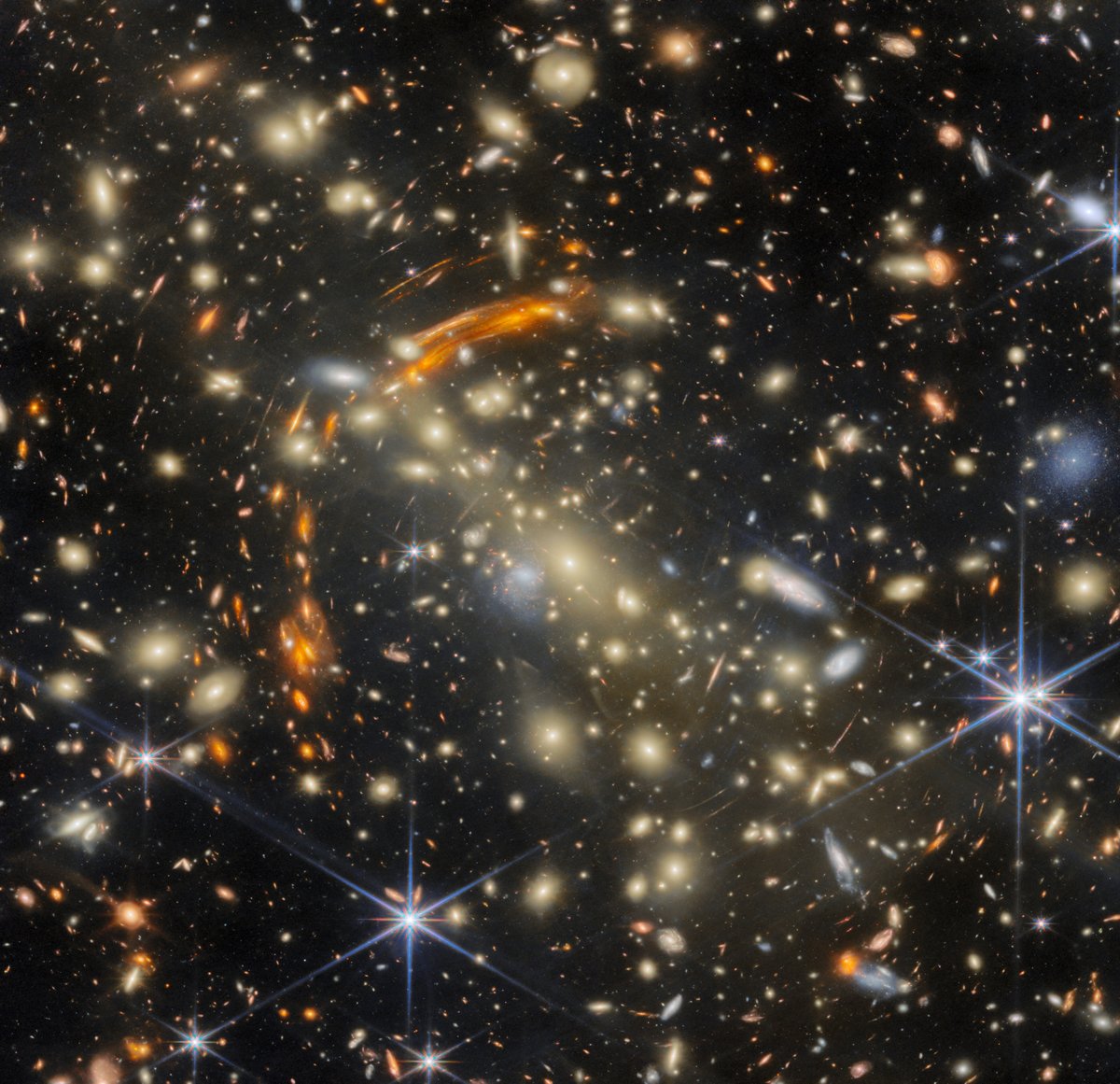
🆕 Our ESA/Webb Picture of the Month features a cosmic house of mirrors 🪞
The golden galaxies in this image belong to the cluster MACS J0454.1-0300. Their light has been travelling for so long that we’re seeing the cluster as it was when the Universe was about 8 billion years old! 1/3
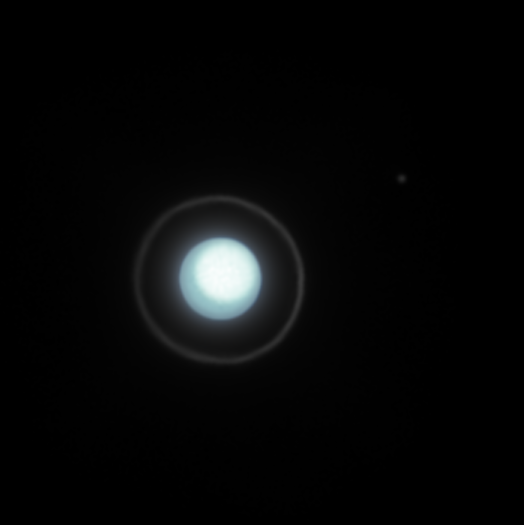
Uranus, its rings, and its moons this morning, captured under excellent conditions with the 24in scope.
By far my best capture of the epsilon ring to date.
1hr of data with IR720nm longpass filter.
Hoy en #cielosESA...
@ManuAstronomy nos envía este impresionante collage con fotos del eclipse total del 12 de agosto.
¡Muchas gracias @ManuAstronomy por tu foto!
Etiqueta tus 📷📷 con #cielosESA
Aún no me cansan las fotos del eclipse del 12 de agosto...
Collage de parcialidadades tomadas con Coronado 60 solarmax y la totalidad con un 300mm.
#cielosESA
Mi pequeño aporte del eclipse total.
Una sola toma editada, donde se puede apreciar la corona, las perlas de baily, la protuberancia y algo de luz cenicienta. Unos resultados más que correctos para una cámara sencilla (Sonya5100 +55/210 de kit).
I finally have all 1.2 million raw image files from my latest mission to ISS! Here is a sample of one of my favorite Milky Way photos, taken from the Cupola with Nikon Z9, Arri Zeiss 15mm lens, T1.8 with custom sidereal drive that cancelled out star motion relative to our orbit.
#cielosESA
Nebulosa del búho 🦉 y galaxia tabla de surf 🏄🏻
La pequeña esfera azul es la Nebulosa del Búho (M97), restos de una estrella a unos 2000 años luz.
A la derecha, la Galaxia Tabla de Surf (M108), una galaxia espiral a 45 millones de años luz.
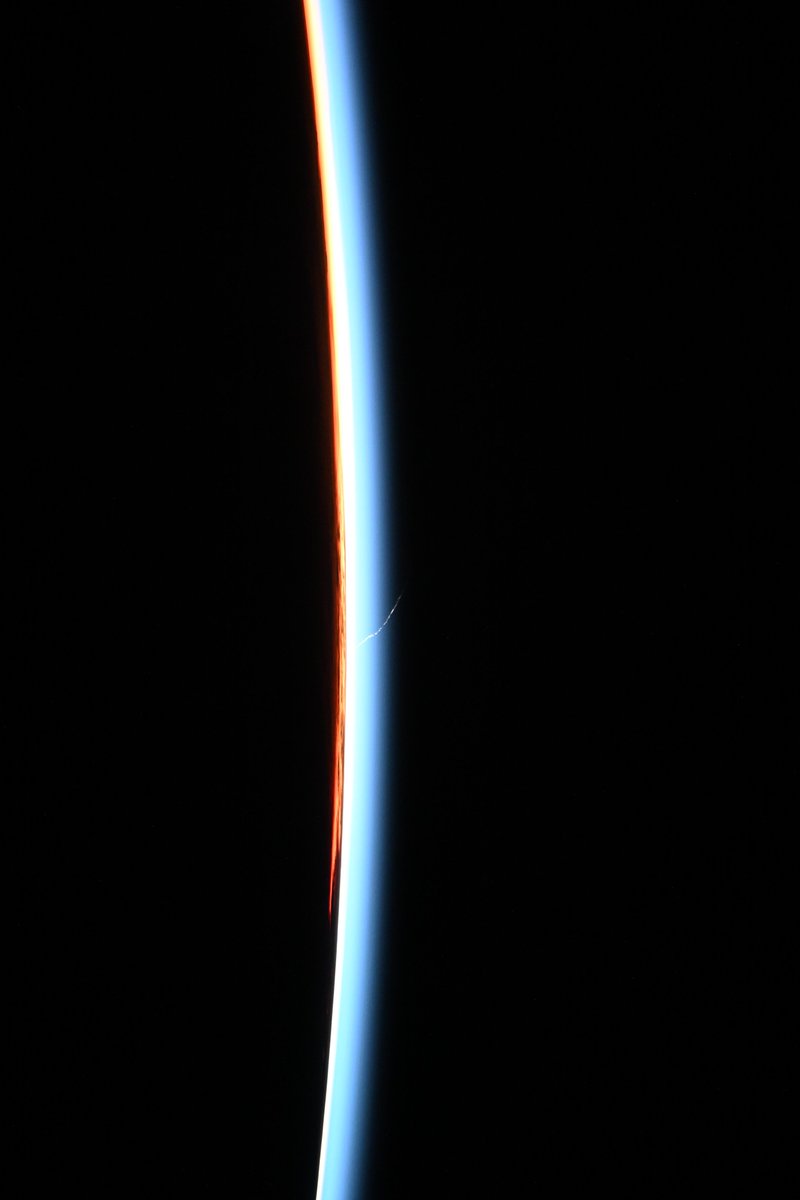
A comet and its faint tail blaze past Earth, the Milky Way rises like a river of stars, and vibrant auroras dance across the edge of our world. Every snapshot taken from the orbital outpost reminds us how breathtaking our cosmic neighborhood truly is.
Welcome home Reid, Victor, Christina, and Jeremy! 🫶
The Artemis II astronauts have splashed down at 8:07pm ET (0007 UTC April 11), bringing their historic 10-day mission around the Moon to an end.
Artemis II doesn’t reverse direction.
Far out, its motion is mostly radial (toward Earth), so its small eastward speed is slower than Earth’s rotation, so it appears to drift west.
Closer in, tangential speed grows and overtakes Earth’s rotation, so it moves east.
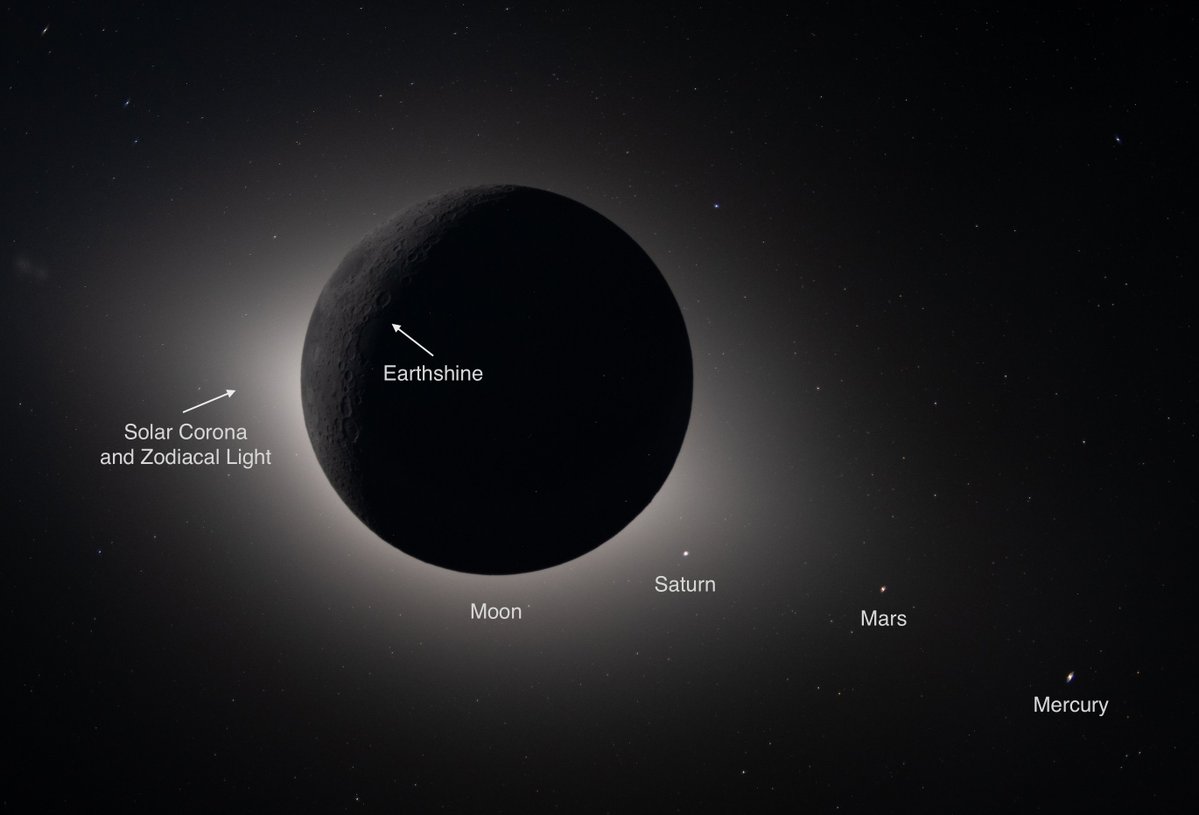
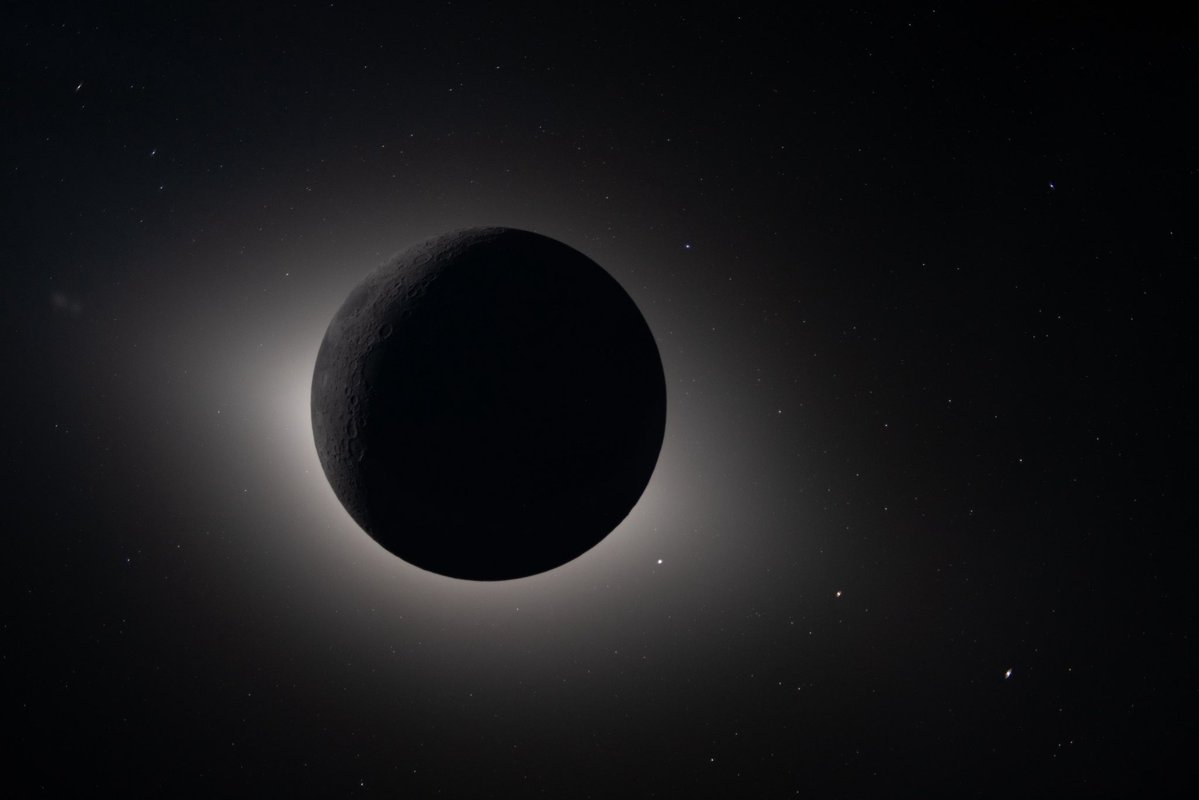
The Moon and light from at least five objects in our solar system appear in this view from the @NASAArtemis II crew: Saturn, Mars, and Mercury, along with reflected sunlight from Earth and the glow of the Sun's corona and/or zodiacal light scattered by interplanetary dust. 1/2
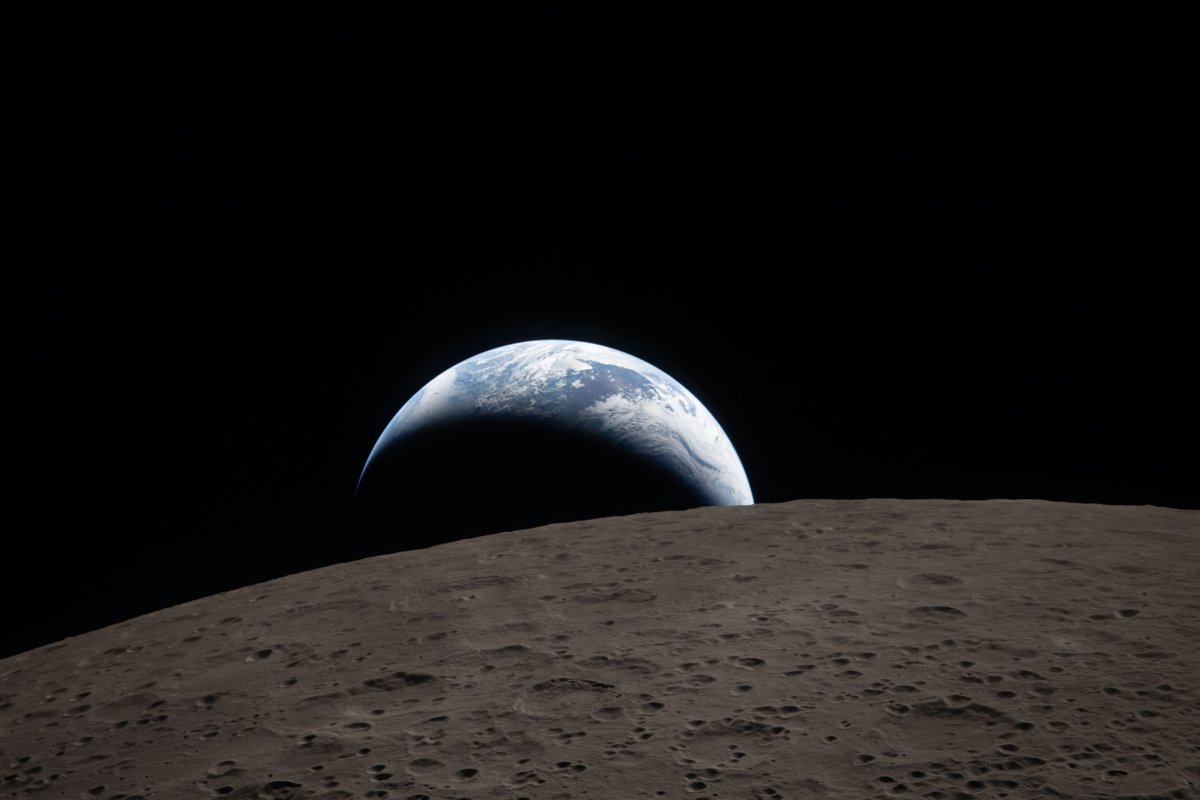
Earthset.
The Artemis II crew captured this view of an Earthset on April 6, 2026, as they flew around the Moon. The image is reminiscent of the iconic Earthrise image taken by astronaut Bill Anders 58 years earlier as the Apollo 8 crew flew around the Moon.