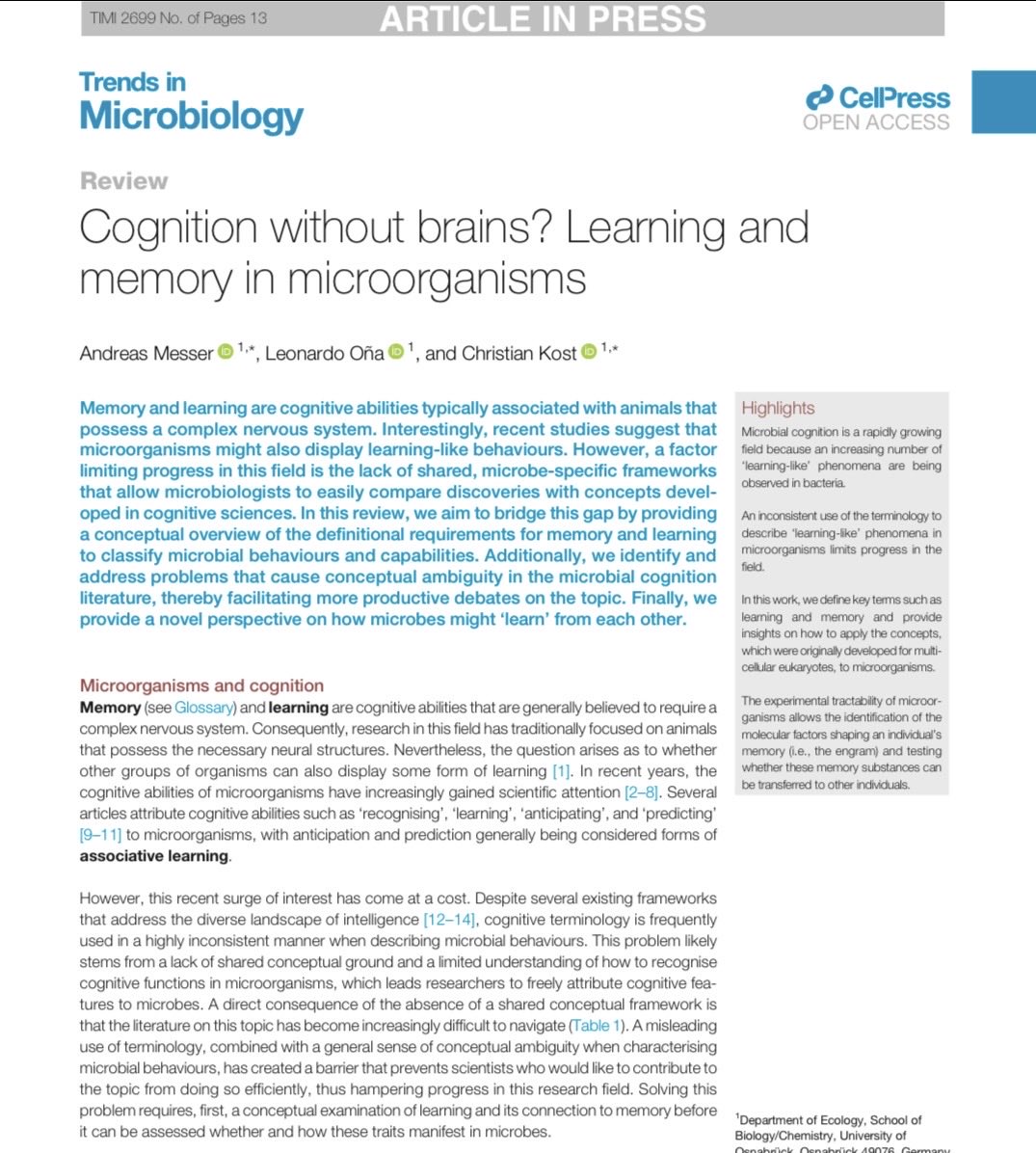
ya begitulah. FTb nocengcapji - Biotech AJCUI 2012. Biomed Eng @CQU1929 2017. UU - PharmSci 2021
Perhaps one day would be a neuroscientist (still working on it)
Today in @Nature, we report MouseMapper: foundation-model AI to map disease perturbations across the entire mouse body cell-by-cell.
In obesity, it revealed body-wide inflammation & unexpected facial nerve damage. 🧵👇🔉
https://t.co/BERf5GQ10Z led by @Dorie00 & @yingchen733
FENOMENA INDO GA BOLEH MAJU?
Itu bisa dikaitkan dengan teori world systems-nya Immanuel Wallerstein.
Gimana itu?
Simpel aja.. Wallerstein membagi negara-negara di dunia menjadi tiga
- Core: Negara yang punya teknologi, modal, paten, merek, keuangan, dan pasar global.
- Periphery: negara yang hanya punya bahan mentah, buruh, lahan dan konsumen
- Semi-periphery: sama kek periphery, tapi dia punya industri yg sedikit berkembang.
Indonesia itu contoh negara semi-periphery, dia konsumen produk negara core dan hanya bisa ekspor bahan mentah.
Masalahnya, untuk naik jadi negara core, itu sulit banget.
Perlu modal, teknologi, pendidikan SDM. Perlu political will yang luar biasa.
BUTUH ELIT-ELIT YANG MAU INDO JADI NEGARA MAJU, bukan cuman jadiin Indo sapi perah.
Dan tantangan lainnya, negara core yang udah maju duluan biasanya membatasi akses negara berkembang untuk bisa naik kelas.
Lewat monopoli teknologi, hak cipta, modal dsb.
Source gambar: https://t.co/0YZ5saGydo
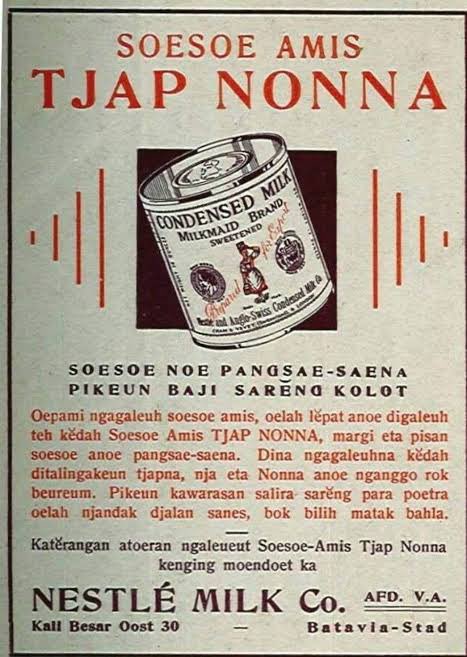
Kamu tau gak sih, kenapa negara di Asia Tenggara (SEA) tuh so obsessed with Susu Kental Manis (SKM)?
Ini gak lain dan gak bukan campuran antara iklim tropis, sejarah kolonial dan strategi marketing jaman dulu.
Basically SKM tuh awalnya cuman logistik militer yg berubah jadi selera rakyat. SKM tuh bukan produk asli SEA.
Jaman dulu sebelum kulkas ada, nyimpen susu segar di SEA tuh mustahil. Suhu tropis dan kelembaban tinggi bikin susu sapi cepet basi.
✅Solusinya : Proses kondensasi (menghilangkan kadar air) dan penambahan gula dalam jumlah besar (sekitar 40-45%) yg berfungsi sebagai pengawet alami.
SKM bisa bertahan berbulan-bulan di suhu ruang tanpa basi.
Lalu para penjajah ini membawa SKM ke wilayah kita karena mereka gak bisa ngebawa sapi perah Eropa yang manja ke iklim tropis yang ganas.
🇮🇩 Di Indonesia, SKM diimpor dari Belanda. Merek yang paling ikonik adalah Friesche Vlag (Susu Cap Bendera). Awalnya cuman dikonsumsi sama Belanda dan priyayi. Kemudian meluas ke masyarakat umum sebagai simbol status “gaya hidup modern”.
Lahirlah Es Teler, Es Campur, Terang Bulan.
🇻🇳Di Vietnam, tentara Prancis kangen minum kopi susu (café au lait). Makanya mereka ngeganti susu jadi SKM di minuman kopi nya. Maka lahirlah “Cà Phê Sữa” (kopi tetes Vietnam).
🇲🇾🇸🇬 Di Malaysia & Singapore, Inggris ngebawa merek Milkmaid (Cap Junjung). SKM jadi komponen vital di Kopitiam (kedai kopi Tionghoa-Melayu). Budaya minum “Teh Tarik” lahir karena SKM memberikan kekentalan yang pas untuk menciptakan buih saat dituang bolak-balik.
Kemudian Di tahun 50-an sampai 70-an, perusahaan besar di SEA ini memasarkan SKM sebagai "minuman sehat" untuk anak-anak sekolah karena harga susu segar yg masih selangit.
Nah, karena sudah terbiasa dengan rasanya sejak dari kecil, masyarakat mulai memasukkannya ke resep lokal dan diadaptasi jadi Kuliner Lokal.
SKM yang tadinya "obat rindu" orang Eropa, berubah jadi bahan wajib untuk Martabak, Es Campur, hingga Thai Tea.
Jadi, setiap kali kita menuang SKM di atas martabak atau kopi, kita sebenarnya lagi menikmati produk teknologi militer abad ke-19 yang dimodifikasi oleh selera lokal.
𝗣𝗖𝗢𝗦 𝗶𝘀 𝗡𝗼𝘄 𝗣𝗠𝗢𝗦:
A historic change in women’s health:
PCOS (Polycystic Ovary Syndrome) has officially been renamed to Polyendocrine Metabolic Ovarian Syndrome (PMOS) after 14 years of global collaboration involving experts, researchers, and thousands of patients worldwide.
The previous name was considered misleading because many women with the condition do not actually have ovarian cysts. Experts say the old term reduced a complex hormonal and metabolic disorder to only “ovaries” and “cysts,” contributing to delayed diagnosis, poor awareness, stigma, and inadequate treatment.
PMOS better reflects the true nature of the condition, including its effects on:
• Hormones and endocrine function
• Weight and metabolism
• Fertility and reproductive health
• Skin and hair changes
• Mental health
The condition affects nearly 1 in 8 women globally, more than 170 million people worldwide.
More than 50 international medical and patient organizations participated in the renaming effort, and over 22,000 survey responses helped shape the final decision. Experts hope this change will improve awareness, encourage earlier diagnosis, advance research, and ensure women receive more comprehensive care instead of having their symptoms dismissed for years.
A major step forward for women’s health, recognition, and patient advocacy.
https://t.co/WcuUgYfwbQ
#PCOS #PMOS #MedTwitter
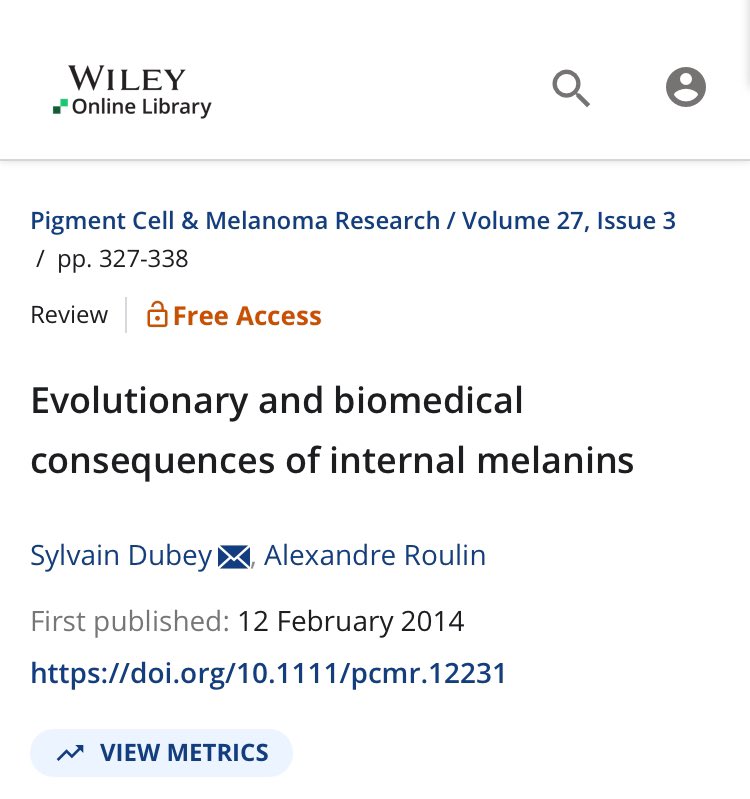
A review of the literature revealed that ‘internal melanin’ protects against parasites, pollutants, low temperature, oxidative stress, hypoxemia and UV light, and is involved in the development and function of organs. Importantly, several studies have shown that the amount of melanin deposited on the external body surface is correlated with the amount located inside the body. This finding raises the possibility that internal melanin plays more important physiological roles in dark than light-colored individuals. Internal melanin and coloration may therefore not evolve independently. This further emphasizes the major role played by indirect selection in evolutionary processes.
Melanin Rx for modern human ?? A Circadian Medicine, Heliobiology and Mitohormesis Framework: Light, QCD Water and MAGNETISM
Thanks Dr Jack Kruse 🫡
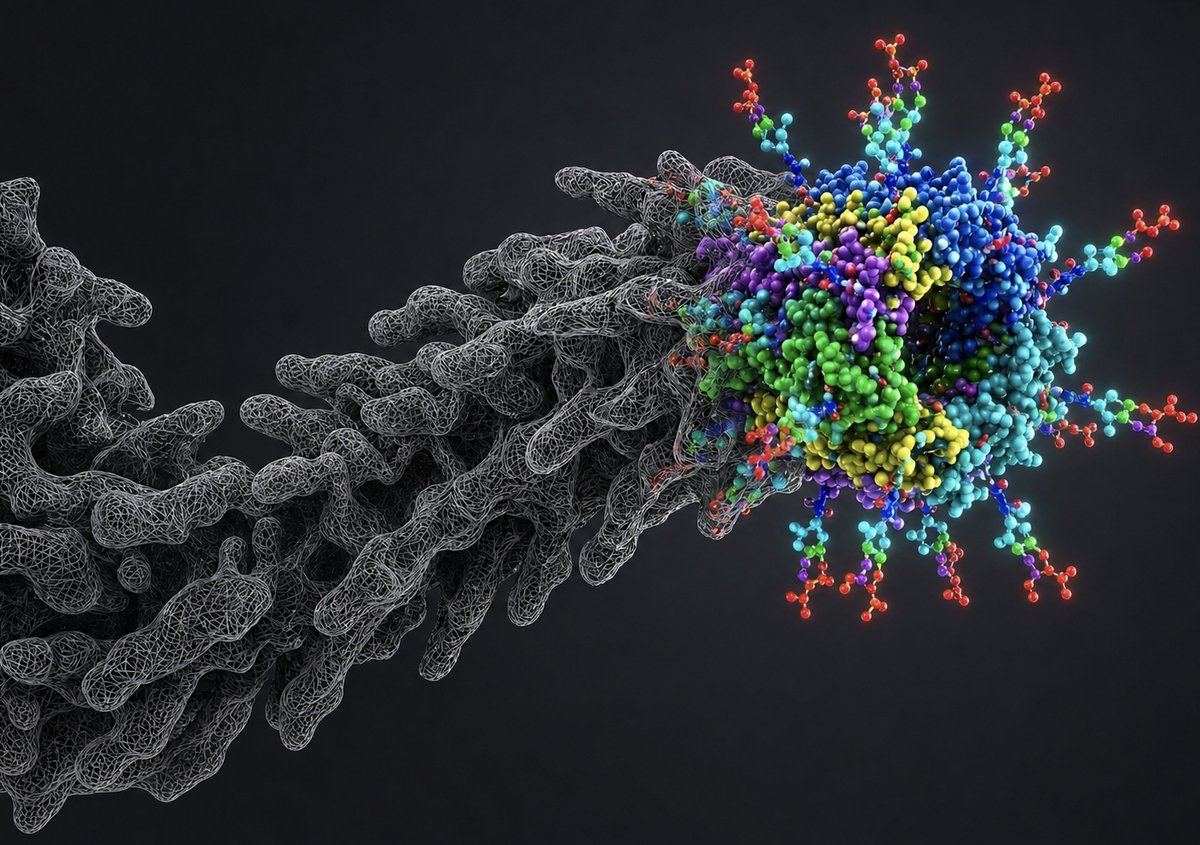
I think structural glycobiology is entering a breakout phase.
In the next few years, high-resolution cryoEM, AI-guided glycan modeling, and structural glycomics will challenge the protein-centric view of molecular biology by showing that glycans are not just decorations, but structural and functional determinants of biological machines.
A new paper in journal Science has revealed structural glycans using cryo-EM analysis of tubular mastigonemes.
🚨 We cracked the code 40 years ago… and didn’t even know it.
Back in 1987, my team published a groundbreaking paper in the EMBO Journal: GABA doesn’t just “inhibit” neurons. In rat hippocampal slices, GABA-receptor stimulation dramatically potentiates noradrenaline-induced phospholipase C activation, massively amplifying polyphosphoinositide turnover — the exact intracellular signaling cascade that drives long-term potentiation, learning, and memory.
(Ruggiero et al., EMBO J 1987 https://t.co/yAu5oWNtyp)
At the time we called it a neurotransmitter interaction. Today I see it was far more.
Because GABA is a three-node resonator. Its three central methylene groups (−CH₂−) form a perfect “triplet” that slots directly into Anirban Bandyopadhyay’s fractal resonance hierarchy — the famous Triplet of Triplets in the MHz range. GABA isn’t just a ligand. It’s a molecular clock that phase-locks synaptic receptors to the deeper vibrational architecture of the neuron.
And now the plot twist.
In the brand-new 2026 paper just published in the Journal of Consciousness Studies, Stuart Hameroff, Anirban Bandyopadhyay and Dante Lauretta show that microtubules are fractal time crystals — nested “clocks within clocks” oscillating in self-similar triplets across Hz → kHz → MHz → GHz → THz. These are the very structures proposed to host Orch OR quantum computations that give rise to consciousness.
Translation: In 1987 we were already holding the molecular key to the quantum orchestration of consciousness… we just didn’t have the full picture yet.
GABA doesn’t merely inhibit.
GABA synchronizes fractal time inside microtubules.
Who would have guessed that one of the oldest neurotransmitters on Earth was actually a biological qubit?
The future of consciousness research isn’t just in neurons.
It’s in resonances. And we saw the first glimpse… 40 years ago. 🔥
@StuartHameroff@anirbanbandyo
#QuantumConsciousness #OrchOR #Microtubules #FractalTimeCrystals #GABA
The brain has multiple types of circuits; not just neurons, but also astrocytes. Little pores, called gap junctions, physically bridge the cytoplasms of neighboring astrocytes, connecting the cells together into networks that span the entire brain. Some of these astrocyte networks even run across brain hemispheres, through the corpus callosum.
Astrocytes are a support cell, of sorts. They supply neurons with nutrients (and help them remove waste), form the blood-brain barrier, and help form synapses between neurons. But astrocytes also share nutrients with *other* astrocytes through those gap junctions I mentioned, including glutathione, phosphocreatine, and neurotransmitters.
Gap junctions are formed by a protein called connexin 43. When six copies of this protein come together, they form a ring, called a connexon, that punches a hole into the cell membrane. When a connexon on one astrocyte touches the tip of a connexon on a neighboring cell, the two come together to form a gap junction through which nutrients get exchanged.
Scientists have known about these gap junctions for a long time. But they didn’t understand how far astrocyte networks actually extend; are the connections mostly local, in little clusters? Or do astrocytes somehow build networks that span across the brain, much like neurons?
Historically, there were few ways to get at this question. You could kill a mouse, for example, and then extract its brain and slice it into thin pieces. Then, you might stick a thin electrode into one of the astrocytes, pump it with an electrical current, and see whether nearby cells respond. If they do, the cells might be connected! But this approach is obviously 2-dimensional; it destroys connections in the z-axis. So you get decent *local* information, but it’s hard to then reconstruct the full network.
Another option is to take an intact brain, inject the astrocytes with a dye, wait for the dye to diffuse through the tissue, and then study the slices to see where the dye went. This is better, but diffusion is slow and the dye will not necessarily reach astrocytes located far away from the injection point.
A new paper solves both of these problems.
It is a beautiful study, in my eyes, because it hinges around a single clever idea. Namely, what if we just genetically-modified animals such that, when a molecule passes through a connexon, the astrocyte makes a physical record of it? In this way, animals can be engineered to “tag” or “trace” their own astrocyte networks.
The authors took the connexin 43 protein (the one that forms the gap junctions) and fused it to another protein, called TurboID. The beauty of TurboID is that it takes a nearby molecule -- whatever is floating on by -- and sticks a biotin tag onto it. That’s all it does. The fusion protein was designed so that TurboID sits inside the gap junction. Whenever a neurotransmitter or glutathione moves through the pore — SPLAT! — the TurboID tags it with a biotin.
The researchers next injected mice with an adeno-associated virus (AAV5) carrying a gene encoding this fusion protein. The fusion gene was placed near a promoter sequence, called GfaABC1D, that is “only” active in astrocytes. And then, since the brain does not *naturally* make biotin, the researchers fed the mice with biotin-laced water for about one week.
Finally, they killed the mice, made their brains transparent (search for “tissue clearing” if you want to learn more), and then incubated them with a protein, called streptavadin, that tightly grabs onto biotin. The streptavidin is fused to a fluorescent dye, which can then be seen with a microscope.
And that’s the gist! What they found is that about 10 percent of astrocytes picked up and actually made the engineered gap junctions, but 80 percent of nearby astrocytes were connected to those astrocytes.
Some astrocyte networks were isolated, whereas other networks talked to each other. There is an astrocyte network that runs through the motor cortex, for example, and it seems quite isolated; but the astrocyte networks in the frontal cortex and hypothalamus communicate with each other.
Some astrocyte networks ran through both brain hemispheres, as I said, directly through the corpus callosum. These networks change over time, and they differ spatially from neural networks. In some cases, they even link brain regions that are not connected by neurons.
Biology gets deeper, and life becomes more resolved, every day.
Image below: Astrocyte networks in the brain. All the purple stuff is streptavidin, which is a marker for biotin (and, therefore, astrocyte connections.)
Spouses of Alzheimer's patients are 6 times more likely to develop Alzheimer's themselves. They share daily saliva exchange for decades. Their oral bacteria converges to the same strains.
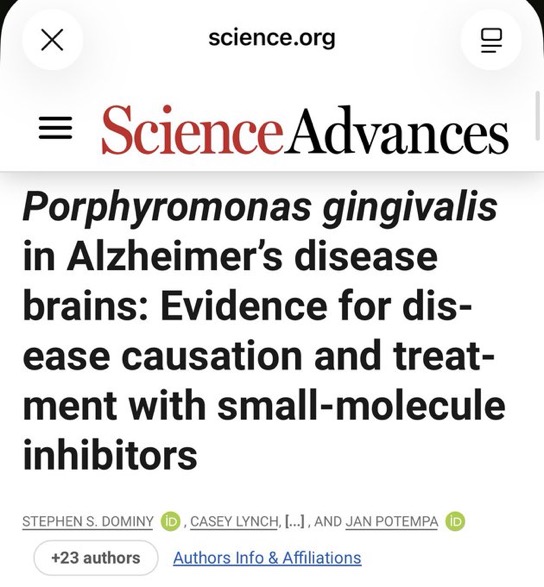
In 2019 Cortexyme published a paper in Science Advances showing Porphyromonas gingivalis, the bacterium behind gum disease, was present in over 90% of postmortem Alzheimer's brains. They also found its DNA in the cerebrospinal fluid of living Alzheimer's patients.
P. gingivalis is the keystone pathogen of periodontitis. The CDC says 47% of American adults over 30 have periodontitis right now.
The mechanism is specific. P. gingivalis produces enzymes called gingipains. Two types: one cuts proteins at lysine residues, the other at arginine. Tau, the protein that holds your neuronal scaffolding together, is loaded with both amino acids. In cell culture, gingipains shred soluble tau within one hour of infection. The fragments seed the paired helical filaments that become tangles. Tangles are Alzheimer's.
Mice fed P. gingivalis through the mouth grew amyloid plaques in their brains. Hippocampal neurons died. The bacteria crossed the blood-brain barrier and started chewing through the same proteins that fail in human Alzheimer's patients.
Cortexyme built a drug called atuzaginstat to block gingipains. Phase 1 was clean. They ran a 643-patient Phase 2/3 trial called GAIN.
The FDA hit it with a partial clinical hold for liver toxicity. The drug missed both primary endpoints. In August 2022 Cortexyme shut the program down, renamed itself Quince, and pivoted to bone disease.
The subgroup with the highest baseline P. gingivalis loads still showed cognitive improvement on secondary endpoints. The bacteria itself kept showing up in postmortem brains across independent studies after the trial closed.
Periodontal disease shows up 10 to 20 years before cognitive symptoms in people who later develop Alzheimer's. By the time someone forgets a name, the bacteria has been working for two decades.
The intervention point is upstream of your skull.
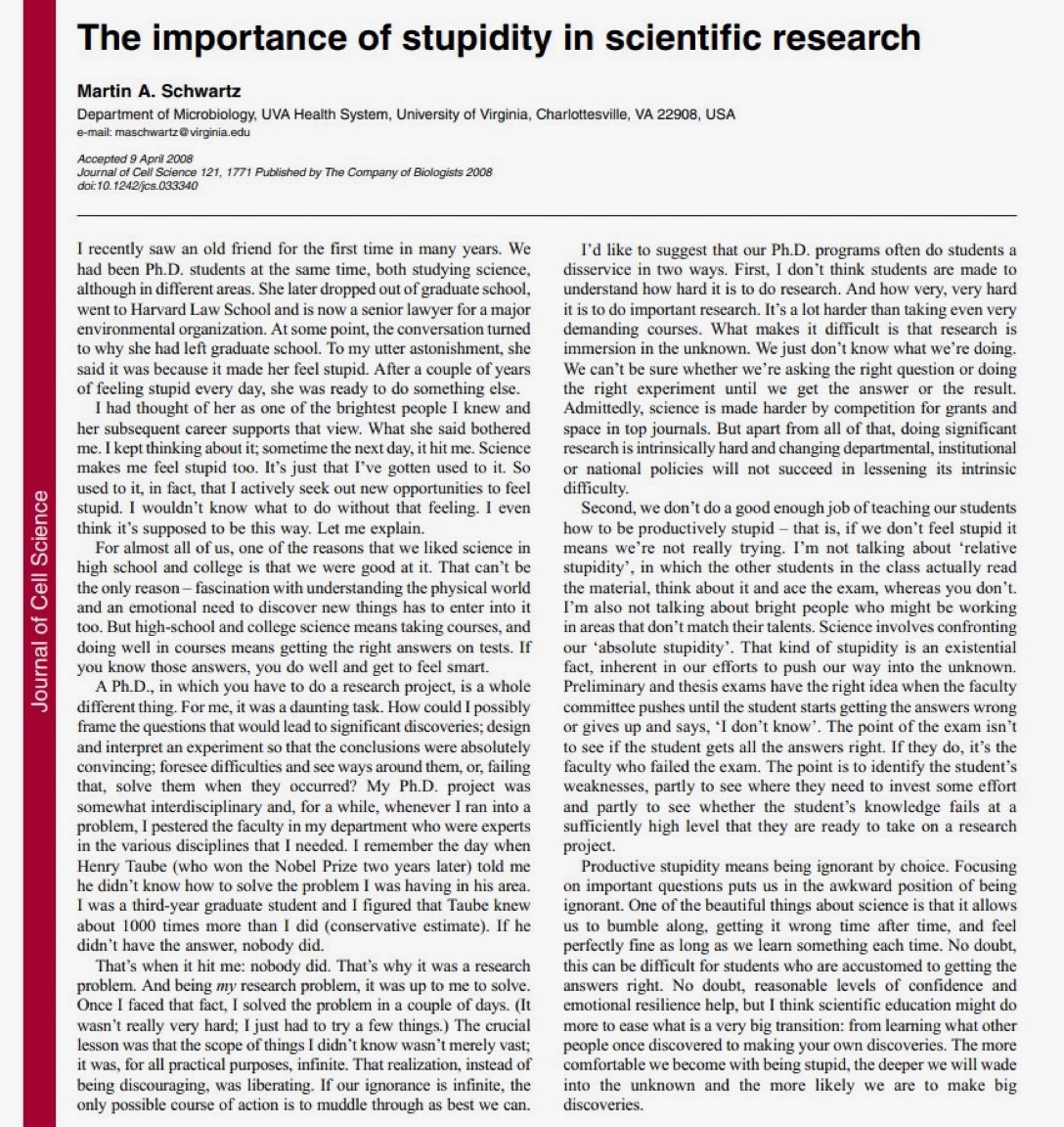
This article should be mandatory reading for every medical student, PhD candidate, researcher—and honestly, for anyone who mistakes expertise for certainty.
“The importance of stupidity in scientific research” sounds provocative, almost offensive. But Martin Schwartz is not glorifying incompetence. He is describing the real operating system of discovery.
Science is not built on knowing.
Science is built on tolerating not knowing.
That distinction matters.
Most of education rewards correctness.
School teaches us to answer.
Exams reward speed, certainty, and precision.
You feel intelligent when you get things right.
Research is the opposite.
Real research begins exactly where competence ends—at the frontier where nobody knows the answer, including the people you thought must know.
That moment is psychologically brutal.
You ask the expert.
The expert shrugs.
You assume you’re missing something.
Then you realize: no—this is the work.
You are not failing.
You are standing at the actual boundary of knowledge.
That feeling—“I must be stupid”—is often not a sign of inadequacy.
It is often the first sign that you are finally asking an important question.
Medicine struggles with this.
We train doctors to avoid uncertainty, to fear being wrong, to perform confidence.
But the best clinicians and the best scientists know how to sit inside ambiguity without collapsing into fake certainty.
This is why AI in medicine also deserves caution.
Systems trained only to reproduce established answers may become extraordinarily good at passing exams while being terrible at discovering what matters next.
Guideline intelligence is not the same as scientific intelligence.
Discovery requires productive stupidity:
the willingness to stay with the uncomfortable,
to look ignorant,
to ask naïve questions,
to be wrong repeatedly without protecting your ego.
Most people want the authority of expertise.
Very few want the humiliation required to earn it.
But progress lives there.
Not in certainty.
Not in performance.
Not in sounding smart.
In the quiet discipline of saying:
“I don’t know… yet.”
And continuing anyway.
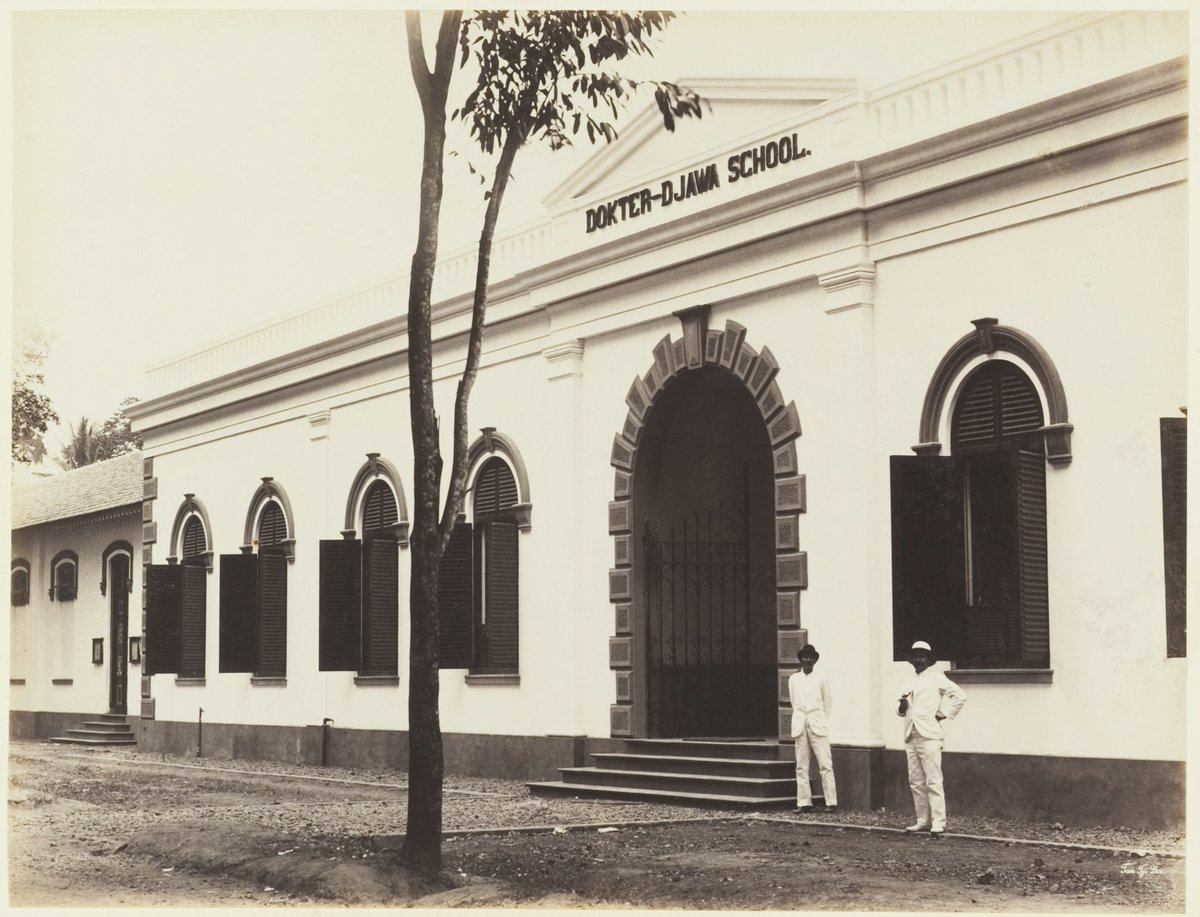
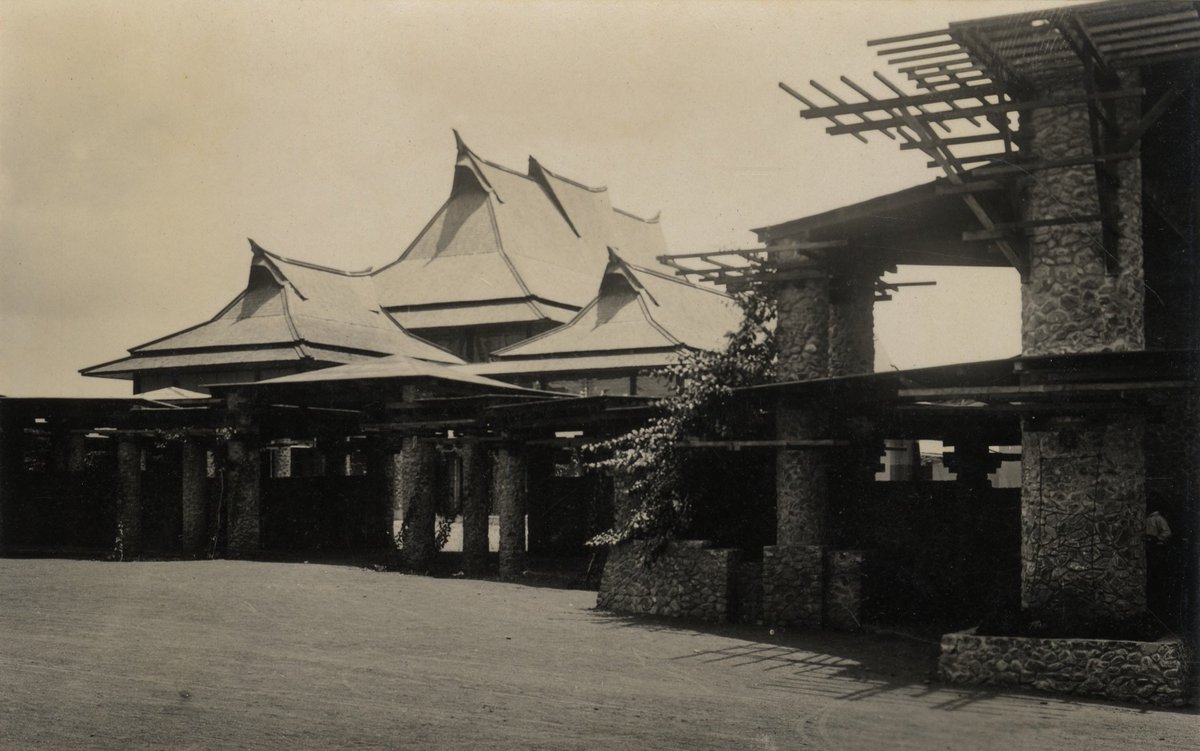
Mirip dengan pemerintah kolonial Belanda ketika memutuskan mendirikan sekolah kedokteran dan teknik di Hindia Belanda: untuk menyediakan tenaga kerja murah.
Pemerintah kolonial sangat membatasi ilmu-ilmu sosial, hukum, atau politik pada masa awal karena dianggap berbahaya. Ilmu sosial dapat memicu pemikiran kritis tentang kesetaraan, hak asasi, dan kedaulatan negara.
Membangun infrastruktur (jalan, jembatan, pelabuhan) dan menjaga kesehatan masyarakat membutuhkan tenaga ahli. Mendatangkan ahli dari Eropa sangatlah mahal. Oleh karena itu, Belanda mendirikan sekolah seperti STOVIA (kedokteran) dan Technische Hoogeschool te Bandoeng (sekarang ITB) untuk mencetak tenaga 'tukang' dan 'asisten' tingkat tinggi dari kalangan pribumi yang bisa digaji lebih rendah daripada tenaga kerja berkulit putih.
Pendirian sekolah kedokteran diawali oleh maraknya wabah penyakit seperti cacar dan pes di abad ke-19. Wabah ini tidak hanya menyerang pribumi, tetapi juga mengancam populasi orang Eropa dan produktivitas perkebunan yang menjadi sumber kekayaan Belanda. Para 'dokter Jawa' awalnya dilatih khusus sebagai mantri cacar untuk menjaga stabilitas kesehatan buruh di sektor-sektor ekonomi penting.
Setelah diberlakukannya UU Agraria 1870, modal swasta asing masuk besar-besaran ke Hindia Belanda. Muncul pabrik gula, perkebunan teh, tembakau, dan pertambangan yang membutuhkan penerapan teknologi. Sekolah teknik didirikan untuk memastikan mesin-mesin industri dan jalur kereta api tetap beroperasi tanpa harus bergantung sepenuhnya pada pengiriman teknisi dari Belanda.
Inilah pendidikan yang relevan dengan industri pada masa kolonial.
📷 KITLV / Leiden University Libraries
Say goodbye to synthetic fertilizers.
Dr. Mariangela Hungria, a renowned Brazilian soil microbiologist at the Brazilian Agricultural Research Corporation (EMBRAPA), has been awarded the 2025 World Food Prize—often called the "Nobel Prize for Food"—for her groundbreaking advancements in biological nitrogen fixation.
Over more than four decades, Hungria developed over 30 microbial technologies, including inoculants and co-inoculants that enable crops (especially soybeans) to harness symbiotic soil bacteria. These bacteria naturally convert atmospheric nitrogen into plant-usable forms, dramatically reducing or eliminating the need for synthetic nitrogen fertilizers.
Her innovations have transformed tropical agriculture, boosting yields sustainably while cutting costs and environmental harm. In Brazil alone, these biological solutions are applied across more than 40 million hectares of farmland (primarily soybeans), saving farmers an estimated US$25–40 billion annually in fertilizer expenses.
The environmental benefits are equally profound: by replacing chemical fertilizers, her methods prevent the release of over 180–260 million metric tons of CO₂-equivalent emissions each year (figures vary slightly by source and year, with recent estimates around 230–260 million tons for recent seasons).
Hungria's work has helped position Brazil as a global agricultural powerhouse, turning it into a leading soybean producer with high productivity and lower ecological footprint. Her low-cost, eco-friendly approach offers a scalable model for enhancing food security worldwide, proving that powerful solutions for sustainable farming often lie in the soil's own microbial communities.
[World Food Prize Foundation. Dr. Mariangela Hungria Named 2025 World Food Prize Laureate for Revolutionary Work in Soil Microbiology]
Israel killed Rico Pramudia in South Lebanon.
He died of his injuries today.
He wasn’t a fighter — he was a UN PEACEKEEPER from Indonesia.
Israel killed him anyway.
And not a single whisper from Western media.
No international outrage. No justice. No accountability.
New @ScienceMagazine
Why is the heart resistant to cancer?
Role of the heart beat!
Mechanical force helps protect the heart from cancer
https://t.co/ZaxGeRUbFN
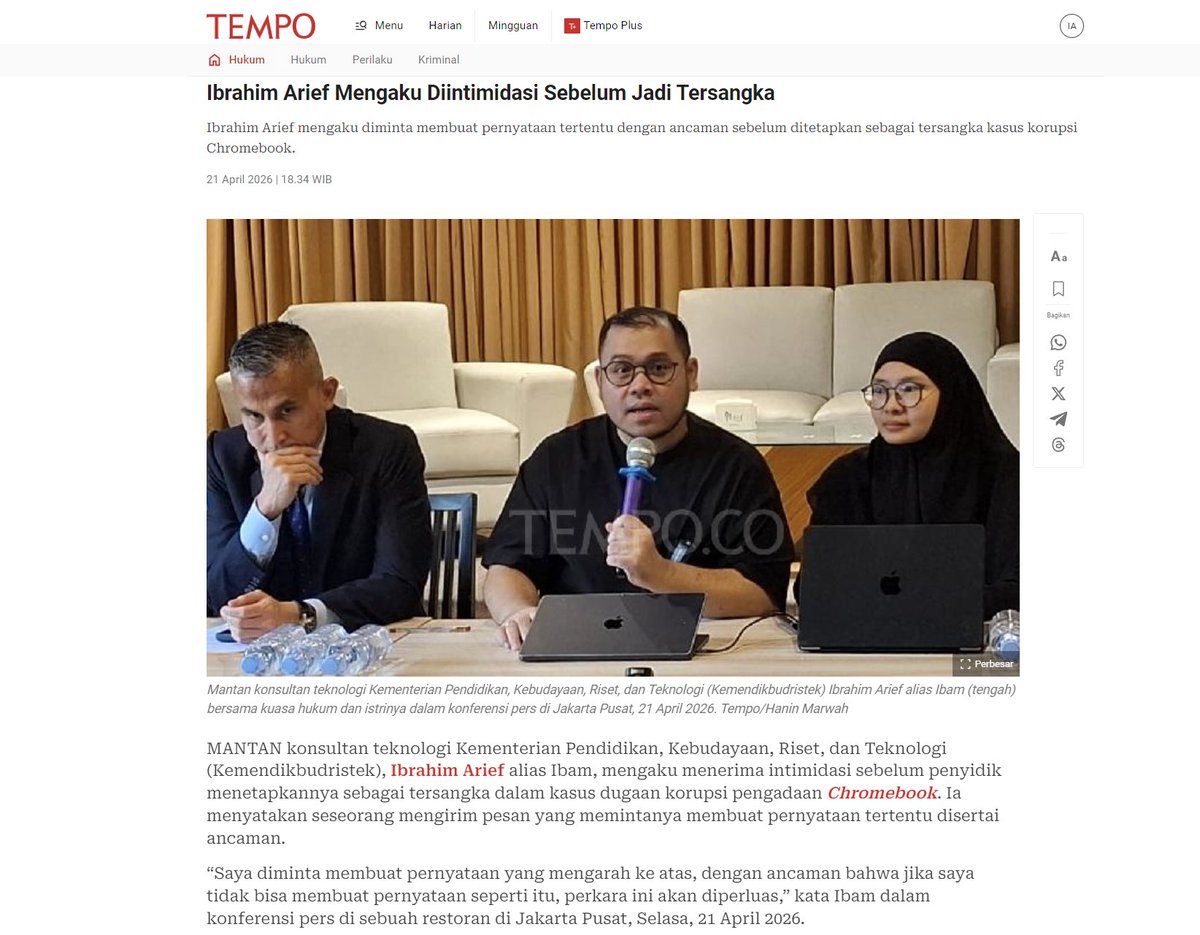
Ini Ibam, bicara sendiri agar Ririe terlindungi.
Betul, ketika belum jadi tersangka, saya dapat ancaman: buat pernyataan "mengarah ke atas" kalau tidak kasusnya "akan diperluas".
Saya tolak, ngga mau bohong & zalim.
Tiga minggu kemudian, saya jadi tersangka.
Saya tolak bukan untuk lindungi Nadiem, tapi karena memang ngga pernah ada arahan dari Nadiem ke saya agar pengadaannya jadi Chromebook semua.
Seperti yang terungkap dari 22x sidang, tidak ada sama sekali arahan dari atas seperti itu. Saya hanya diminta memberi masukan netral dan objektif sebagai konsultan.
Artinya, ketika menerima ancaman tersebut saya dihadapkan ke dua pilihan:
Berbohong mengarang cerita menuduh orang lain untuk menyelamatkan diri sendiri.
Atau, berpegang kepada integritas, kejujuran, dan kebenaran yang saya yakini, dan menolak untuk berbohong.
Dengan shalat istikharah dan kesadaran penuh akan risikonya, saya memilih jalan yang kedua: kejujuran.
Insya Allah selalu berpegang pada kejujuran akan berujung pada kebaikan untuk saya, Ririe, dan keluarga kecil kami. Kalau tidak di dunia, maka di akhirat kelak.
Lalu jawabannya apa ketika saya menolak untuk berbohong? "Oke, kami perluas.”
Saya tidak berdaya. Ya Allah, apa lagi yang bisa kami lakukan ketika dihadapkan pada pilihan seperti itu? Pegangan kami hanya prinsip integritas dan kejujuran.
Ketika konsekuensinya beberapa minggu kemudian saya dinyatakan tersangka, kami hanya bisa memperbanyak istighfar dan ikhtiar.
Kami jalani dan hormati proses hukum yang ada dengan tabah, kami berniat jelaskan di persidangan fakta-fakta yang membuat terang, kami masih percaya dengan hukum Indonesia.
Mungkin ngga banyak yang tahu, tapi Ririe istri saya adalah seorang sarjana dan magister hukum. Di Belanda dulu kami banting tulang nabung dan berhemat banyak, supaya bisa bayar uang kuliah S2 Ririe.
Dari Ririe, saya belajar banyak tentang hukum Indonesia, apa saja yang mungkin terjadi, dan bagaimana hukum kita tetap memungkinkan pembelaan yang efektif.
Baik, mari berjuang di persidangan, luruskan seluruh tuduhan. Satu persatu fakta di persidangan muncul dengan terang benderang, satu persatu tuduhan bisa kami bantah.
Sampai akhir rangkaian sidang, 57 orang saksi dihadirkan, tidak ada bukti saya menerima keuntungan dari perkara ini, tidak ada bukti masukan saya karena konflik kepentingan, tidak ada bukti saya mengarahkan.
Yang terungkap malah saya sebagai konsultan sudah menyarankan Chromebook diuji dulu, pejabat menolak pengujian dan memutus Chromebook, nama saya dicatut di SK, masukan saya dipelintir.
Kami merasa pembelaan hukum kami sudah maksimal, kebenaran sudah terungkap, tinggal menumpu harapan pada keadilan dan kebijaksanaan dari majelis hakim yang mulia, yang kami merasa sudah sangat objektif dan penuh kearifan sepanjang persidangan.
Namun, ketika JPU menyebutkan tuntutan 15 tahun penjara, denda Rp1 miliar, uang pengganti Rp16,9 miliar subsider 7,5 tahun penjara tambahan...
Ini titik kezaliman yang sangat terang benderang, tekanan kepentingan yang sangat kentara, saya memutuskan pembelaan saya tidak lagi bisa hanya di persidangan.
Besok saya akan sidang pembelaan (pleidoi) dan kami bersurat kepada Presiden @prabowo Subianto serta @KomisiIII DPR, untuk memohon perlindungan hukum dari kriminalisasi, ketidakadilan, intimidasi, serta pengkambinghitaman yang sudah sekentara ini.
Kami takut untuk bicara? Takut ada intimidasi lain? Itu risiko yang jelas, tapi kami tidak gentar. Tuntutan 22,5 tahun dan belasan miliar yang tidak mampu kami bayar mungkin dianggap akan membuat kami terdiam, tapi kami malah semakin berani untuk melawan kriminalisasi ini.
Mohon bantuan, dukungan, dan perlindungannya dari masyarakat Indonesia, dari pekerja kreatif dan pekerja pengetahuan, serta dari semua yang ingin bantu negara atau takut dizalimi negara.
Kami berjuang bukan untuk kami sendiri, tapi agar tidak ada lagi kriminalisasi dan ketakutan bagi mereka yang tulus mau bantu Indonesia. Kami masih percaya Indonesia bisa menjaga dan menghadirkan keadilan dalam kasus kami.
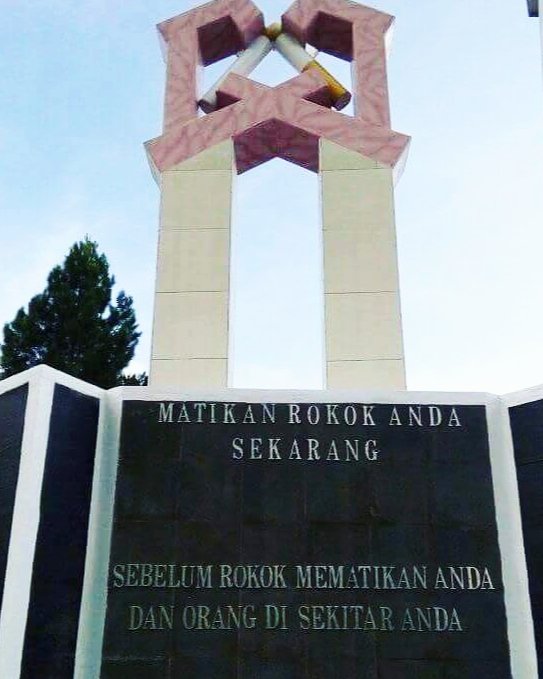
Satu Desa sepakat berhenti merokok!!
"Desa Bone-Bone"
tidak boleh menjual.
tidak boleh membawa masuk.
bahkan tamu pun harus ikut aturan.
Pelopor dan Desa bebas rokok pertama di Indonesia (bahkan sering disebut pertama di dunia)
*threads
A new spider species from the genus Rathalos has been officially described from Java Island by the Species Obscura research team, including @KalaKemangga and Restu Dwikelana, and Prof. Purnama Hidayat from Plant Protection of IPB University.












![Rainmaker1973's tweet photo. Say goodbye to synthetic fertilizers.
Dr. Mariangela Hungria, a renowned Brazilian soil microbiologist at the Brazilian Agricultural Research Corporation (EMBRAPA), has been awarded the 2025 World Food Prize—often called the "Nobel Prize for Food"—for her groundbreaking advancements in biological nitrogen fixation.
Over more than four decades, Hungria developed over 30 microbial technologies, including inoculants and co-inoculants that enable crops (especially soybeans) to harness symbiotic soil bacteria. These bacteria naturally convert atmospheric nitrogen into plant-usable forms, dramatically reducing or eliminating the need for synthetic nitrogen fertilizers.
Her innovations have transformed tropical agriculture, boosting yields sustainably while cutting costs and environmental harm. In Brazil alone, these biological solutions are applied across more than 40 million hectares of farmland (primarily soybeans), saving farmers an estimated US$25–40 billion annually in fertilizer expenses.
The environmental benefits are equally profound: by replacing chemical fertilizers, her methods prevent the release of over 180–260 million metric tons of CO₂-equivalent emissions each year (figures vary slightly by source and year, with recent estimates around 230–260 million tons for recent seasons).
Hungria's work has helped position Brazil as a global agricultural powerhouse, turning it into a leading soybean producer with high productivity and lower ecological footprint. Her low-cost, eco-friendly approach offers a scalable model for enhancing food security worldwide, proving that powerful solutions for sustainable farming often lie in the soil's own microbial communities.
[World Food Prize Foundation. Dr. Mariangela Hungria Named 2025 World Food Prize Laureate for Revolutionary Work in Soil Microbiology]](https://pbs.twimg.com/media/HGwsHyFXoAA_n-x.jpg)