Delighted to have been interviewed for the latest @RadImagCancer @RSNA podcast, where I discussed prostate cancer imaging in Trinidad. Two other fabulous interviews - initiatives of @Road2IR and @CharityH4TW: discussing global rad education/training, mentorship and research👍
Extremely pleased to announce the long-awaited update to the Breast US: State of the Art review article was published today in @radiology_rsna. With updates on new BI-RADS 6 terminology, technology and of course AI. Link in reply.
@jungmin_chang@drjessicaleung@moonwk19633
📣LATEST SCIENCE OF SCREENING 📣
✨ To continue to optimally care for @BreastImaging patients, we need to eval new technologies in an innovative evidence-based fashion & be willing to embrace evidence from data sources other than RCTs
📩 https://t.co/LTrnbCfVCU
#BreastCancer
Reverse total shoulder arthroplasty is rapidly expanding and brings unique biomechanics, implants, and complications. This review outlines normal vs abnormal imaging, key complications, and a practical checklist. Essential knowledge as RTSA use grows. https://t.co/8z28Iz6nfC
📣 NEW ORIGINAL RESEARCH 📣
✨ Menopausal status and race should be considered in the imaging features of TNBC.
✨ These data may further assist in the understanding of the biology of TNBC and lesion characteristics by race.
Read more 👇🏻👇🏻👇🏻
📩 https://t.co/xxzmCERnDP
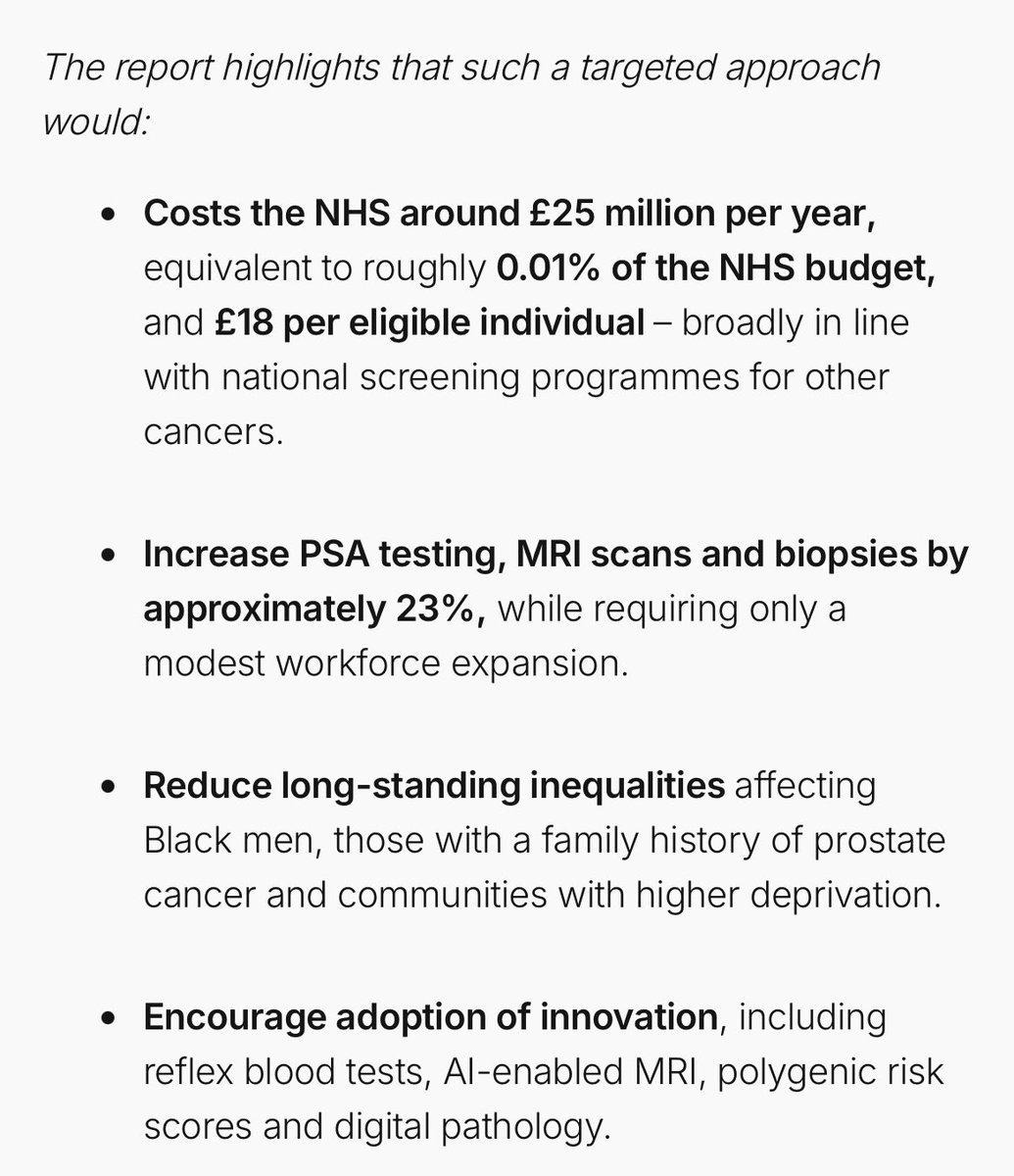
Too many men are still diagnosed when their prostate cancer is advanced, when it can be treated but not cured. A risk-based approach focusing on men at higher risk, particularly those of Black ethnicity and those with a family history could change that.
https://t.co/rplfgmOu2q
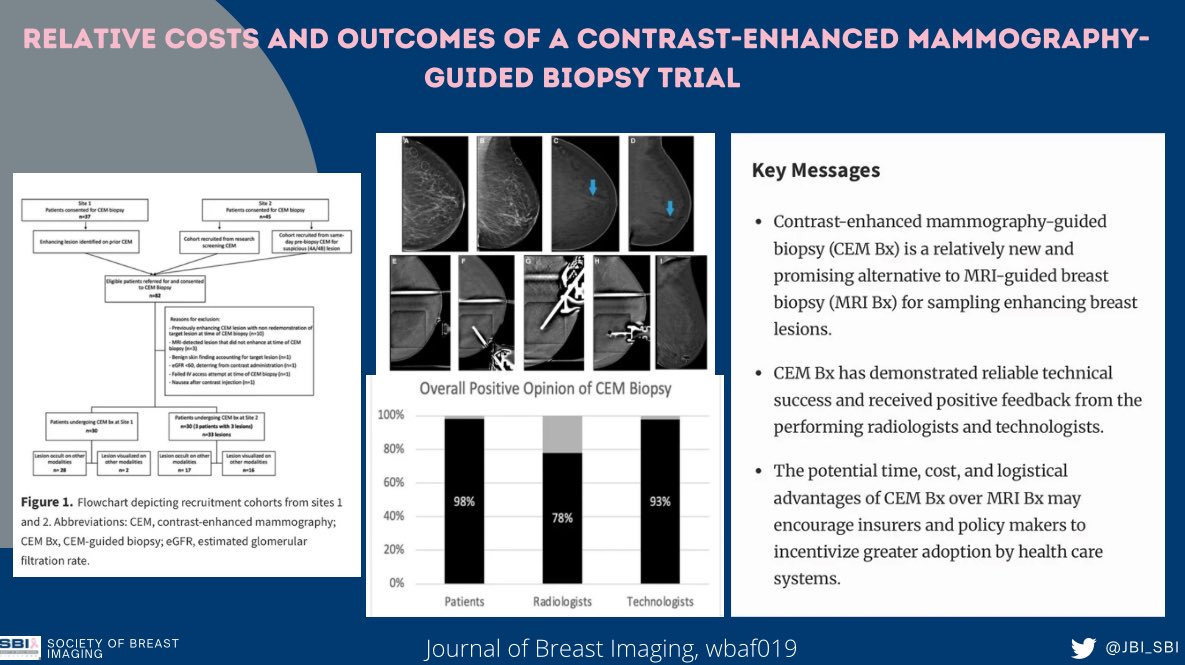
📢JBI NEW ORIGINAL RESEARCH 📢
✨CEM Bx demonstrates ⬆️ success rates & satisfaction scores
✨Shorter procedure times
✨👍🏻operational efficiency
✨~45% cost reduction vs MRI Bx
Read more 👇🏻👇🏻👇🏻
📩 https://t.co/L90kW5ZE6n
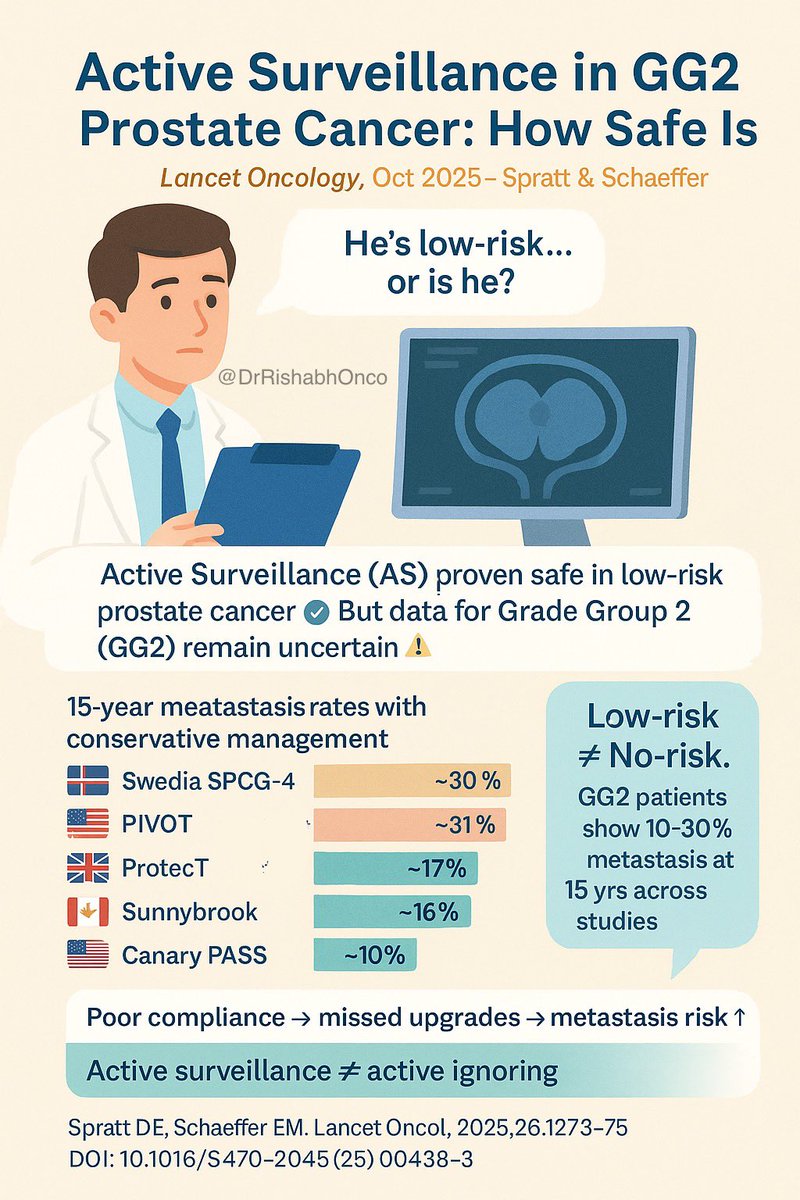
“Low-risk ≠ no risk.”
Active surveillance (AS) is the standard for low-risk prostate cancer-but what about Grade Group 2 (GG2)? 🤔
📊 Lancet Oncology commentary revisits long-term outcomes:
🧩 Key Trials:
•SPCG-4 & PIVOT: Watchful waiting → ~30% metastasis @ 15 yrs
•ProtecT: Active monitoring → ~17% metastasis (GG2)
•Sunnybrook: AS → 16.4% @ 15 yrs
•Canary PASS: AS → ~10% @ 15 yrs (wide CIs!)
🧠 Takeaway:
Evidence for AS in GG2 remains limited-many “favorable intermediate” cases behave heterogeneously.
We urgently need dedicated 15-year AS criteria to define who’s truly safe.
📖 Full paper in comment below ⬇️
#OncoTwitter #ProstateCancer #UroOnc #MedTwitter @esmo_open@OncoAlert@ASCO@myESMO
✍️ Editorial in European Urology:
In the PROBASE trial, 26% of significant prostate cancers in men 45–50 would have been missed with MRI-targeted biopsy alone.
👉 Stabile & Nordström argue systematic biopsy remains essential for young men.
🔗 https://t.co/FS02DWTQQz
Exciting News! Ontario Government Approval Lowering Breast Screening to Ages 40-49.
The CSBI welcomes the Ford Government’s strong leadership to approve annual self-referred breast screening for women ages 40-49, from the current age 50. A doctor's requisition will no longer be necessary and will bring this need into line with the standard used by the Ontario Breast Screening Program (OBSP).
Dr. Jean Seely, CSBI President said, "I am delighted that the Ontario government has taken this bold move to lower the screening age to 40 and allow women to self refer to the Ontario Breast Screening Program. Annual screening mammography beginning at age 40 is expected to save 400 lives in Canada and 200 women’s lives in Ontario every year.
We will need more resources allocated to improving earlier detection of breast cancer for this program change to succeed. The newest evidence for earlier screening for breast cancer has been used to implement this change. We hope this policy will be implemented in every province to see the same benefits across the country."
Nice summary of our work looking at barriers & promoters of resistance training near retirement👇links to blogs & youtube videos also below! #epitwitter#scientistswholift@annalowephysio @rachfrost
“The combination of circumscribed margins and hypoechoic to anechoic echogenicity may lead to TNBC being misinterpreted as a benign fibroadenoma or cyst. Therefore, careful mammographic and sonographic evaluation with US image optimization can help avoid misinterpretation.”
Triple-negative breast cancers are radiologically challenging owing to their aggressive biologic features and rapid growth; radiologists should recognize their imaging characteristics to avoid potential delays in diagnosis. https://t.co/pRY0ojTlfq
‘Upgrade and downgrade rates from TBx to RP were not significantly different between patients whose MRI examinations were clinically interpreted using v2.0 or v2.1.’
PI-RADS Version 2.0 Versus Version 2.1: Comparison of Prostate Cancer Gleason Grade Upgrade and Downgrade Rates From MRI-Targeted Biopsy to Radical Prostatectomy | AJR https://t.co/uRciIpUKcD
“Public health exercise campaigns should focus on communicating the importance of resistance training and the type and intensity required for benefit at older ages.”
“Muscle weakness is a key component of age-related conditions such as sarcopenia and frailty. Resistance training is highly effective at preventing and treating muscle weakness; however, few adults meet recommended levels.”
My first foray into *qualitative* work! Why are people near retirement doing/not doing resistance training? How can we encourage more to do it? Could not have been done without @rachfrost & @annalowephysio & funding from @GrandChallenges
https://t.co/bq7VYHmg4y