Senior Lecturer in law @CityLawSchool, PhD from @celkcl Currently researching EU law - differentiated integration and tax - as well as international tax law
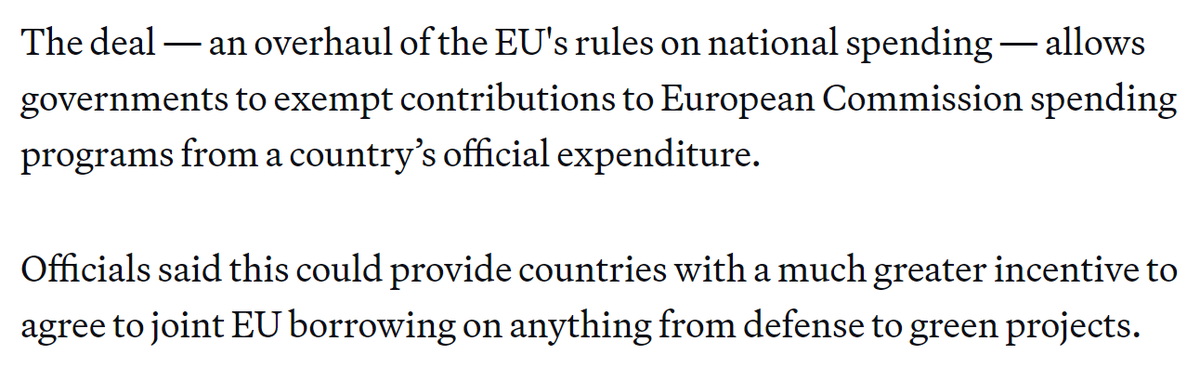
NextGenerationEU: Will the Debt be Repaid by EU Own Resources or Member State Taxpayers? Title of my new article
👇
https://t.co/U7v78viN1s Spoiler alert: heavy reliance on tax+EU seems a long way off generating enough money to repay the debt. @SSRN@CityLawSchool@CityLaw_ISEL
Read the new Policy Paper and Blog by Michael P. Devereux.
"An Excess Profits Tax."
Policy Paper: https://t.co/4Nv8A4ANQO
Blog: https://t.co/ZO9qJYXrj5
Corporation tax has become impossibly complicated. The move to "full expensing" was incomplete. The constant changes to the rate (three in one year) make it difficult to plan. The OECD global minimum tax means that the largest companies pay two taxes https://t.co/yE02iZ87mn
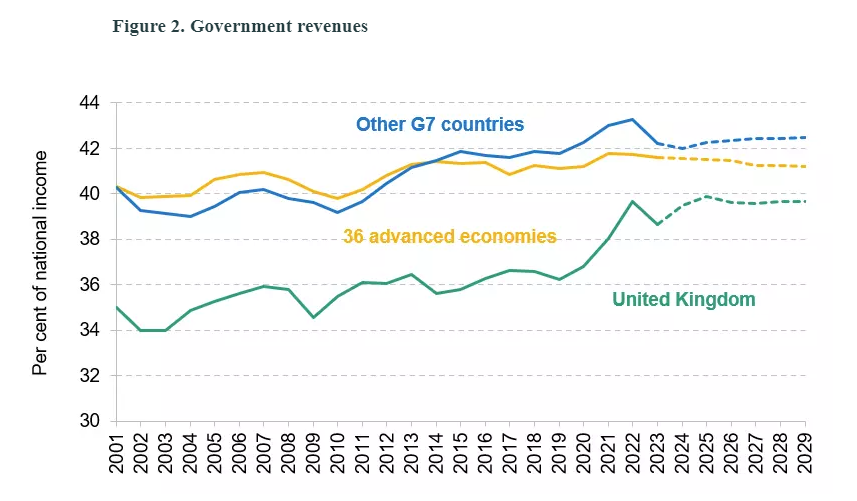
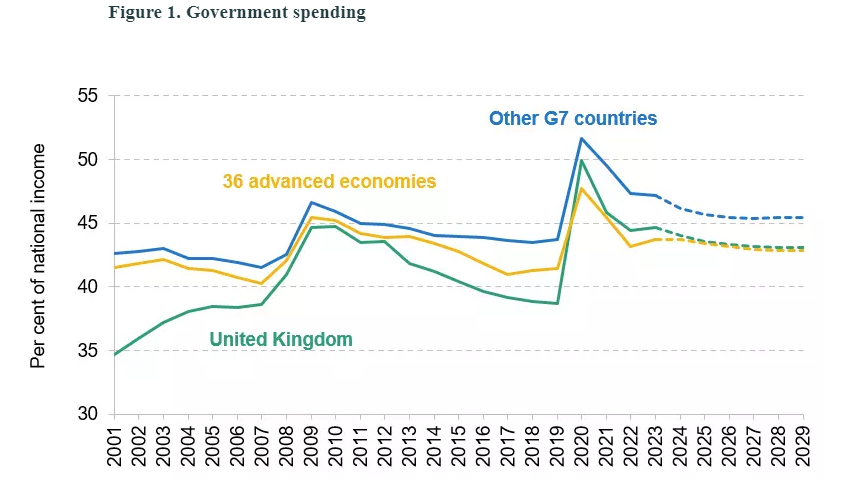
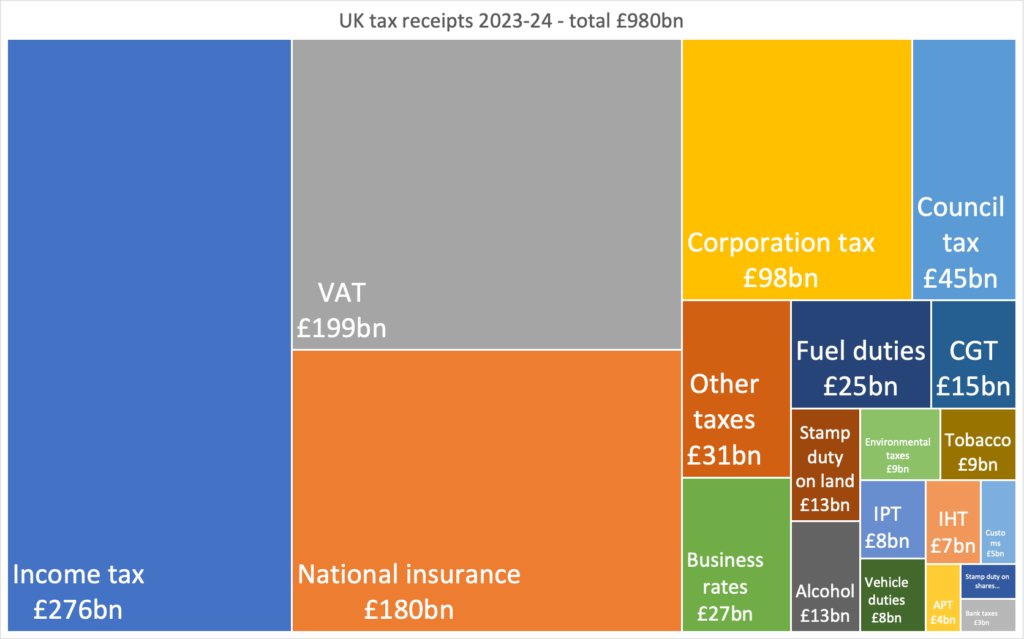
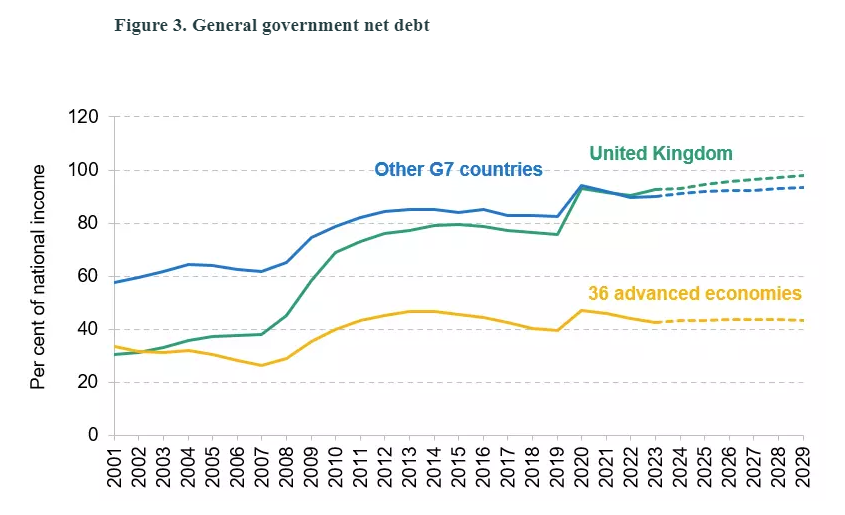
The UK govt now spends as much as the average advanced economy. But we still raise less in tax than the average. As a result, we've gone from having below-average to above-average government debt levels.
New from my (non-tweeting) @TheIFS colleagues: https://t.co/0DKHWcvnfl
Two key tax policy points, where I share Dan's frustration:
(1) Number 1 rule, if you cannot define it, you cannot tax it. Disposable income, robots, etc.
(2) Policy aim =/ policy instrument. Just because the aim is meritorious, does not mean the (tax) instrument is appropriate.
The European Court of Auditors @EUauditors is currently working on a report on 'Harmful Tax Competition', looking into the effectiveness and design of the range of tax measures the EU implemented these past few years. Report expected in Q3 2024! https://t.co/zH08v3KPxs
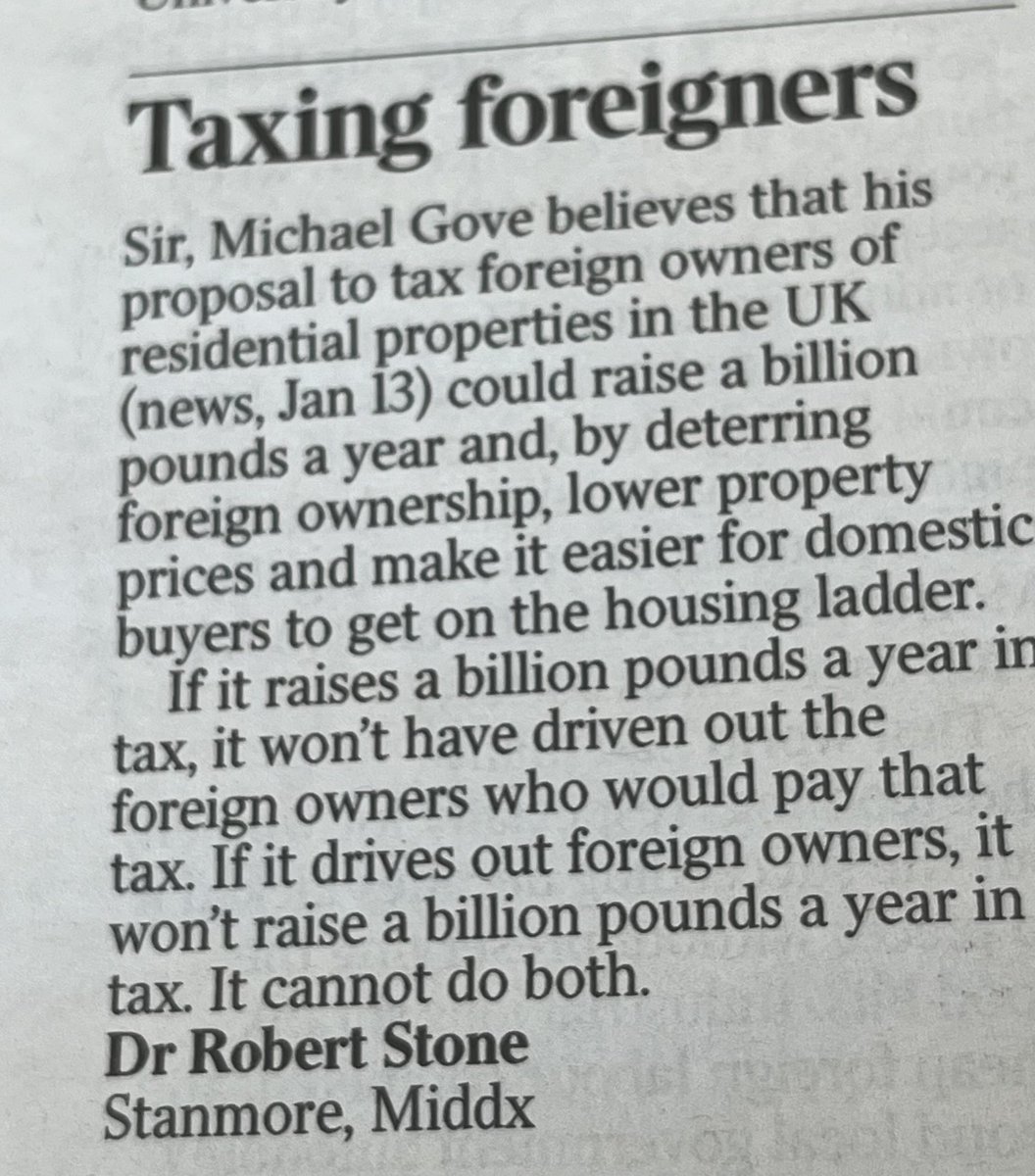
From The Times today. If you introduce a tax to change behaviour and it works, it won’t be a big revenue raiser. And vice versa. Regardless of the value of your case, campaigners beware this flaw in your logic.
Arguably, these incentives may be more efficient that those offered so far, but competition may be even stronger that before, as value of substantive investment goes up. I envisage high demand in coming years for expertise / capacity on drafting these new incentives.
"...the costs of compliance is seen by most as being well in excess of any tax which is likely to be due" - Alan McLean, chair of Business at OECD’s tax committee talking about the global minimum tax
https://t.co/UyRNZU5pju
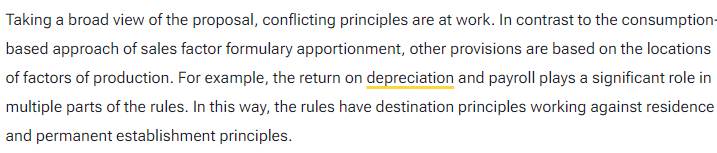
Amount A is the result of compromises. And those result in apportionment with market metrics and production metrics. It's a three factor apportionment system that acts like a Rube Goldberg machine. Apportionment is tricky, and Amount A is worse than basic apportionment.
Digital services taxes are discriminatory and have always been bad policy. Taxing gross revenues creates high effective tax rates for low-margin businesses. They need to go away. Trade wars are counterproductive. But Amount A is still a mess. This is where we are.