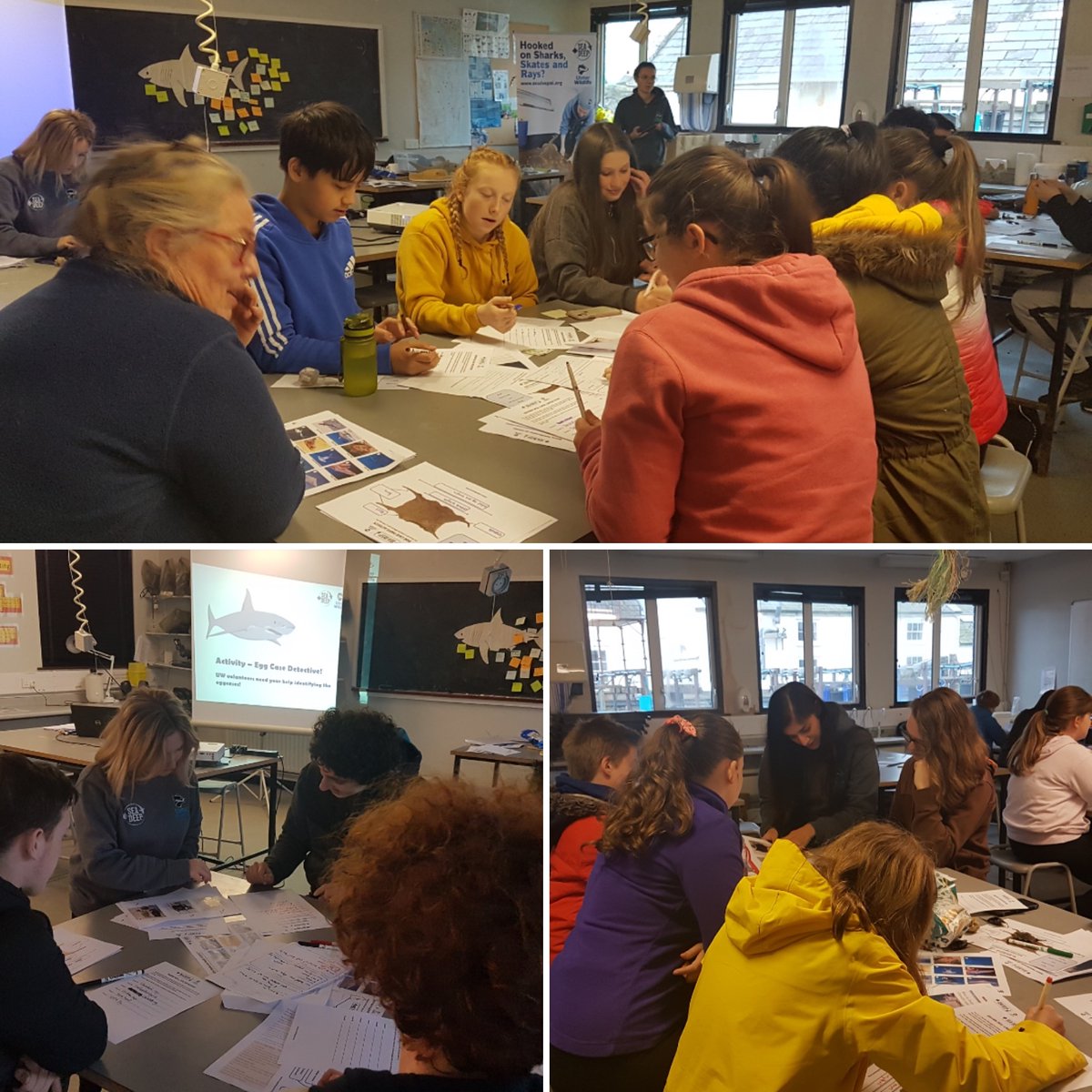
This new initiative is a marine explorers outreach programme for 11-18 year olds set up by PhD students and staff of QUB and Queen’s Marine Lab backed by STEM
Marine research in N Ireland is very often overlooked & has faced many, many obstacles so this recognition by @timeshighered of @QUBelfast global impact towards the @UN 🇺🇳Sustainable Development Goals (Life Below Water) means a lot (& well done @UCC👍)🌎
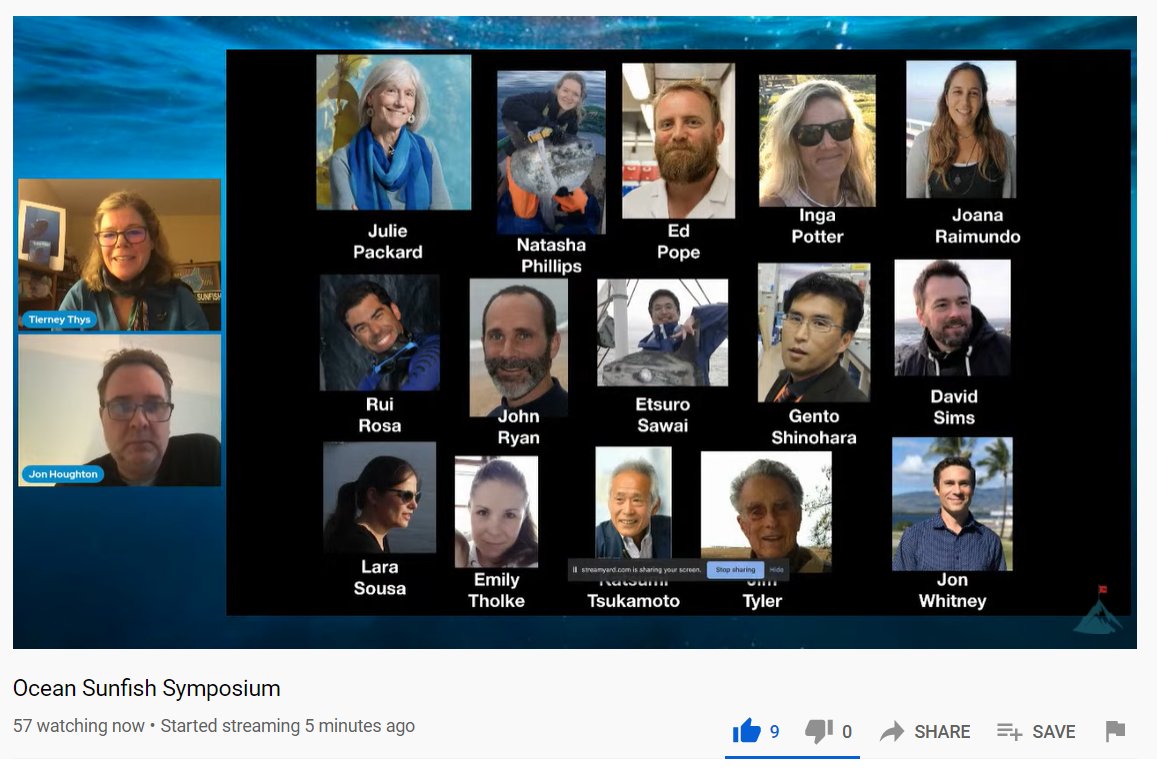
Alongside 20 other international researchers @QueensMarineLab marine biologist Jon Houghton @PelagicLabQUB is drawing attention to the conservation of the 'high seas'. Worth a quick read if you have a minute 🦐🌊🐟🦈⛴️💙
Scientists, including @SylviaEarle, @DivaAmon, @pgirguis, @RebeccaRHelm & myself are calling on global leaders to protect #HighSeas biodiversity. Find out more in our open letter from @ScienceMagazine 3⃣key messages in the🧵below https://t.co/gun8DC7L1e
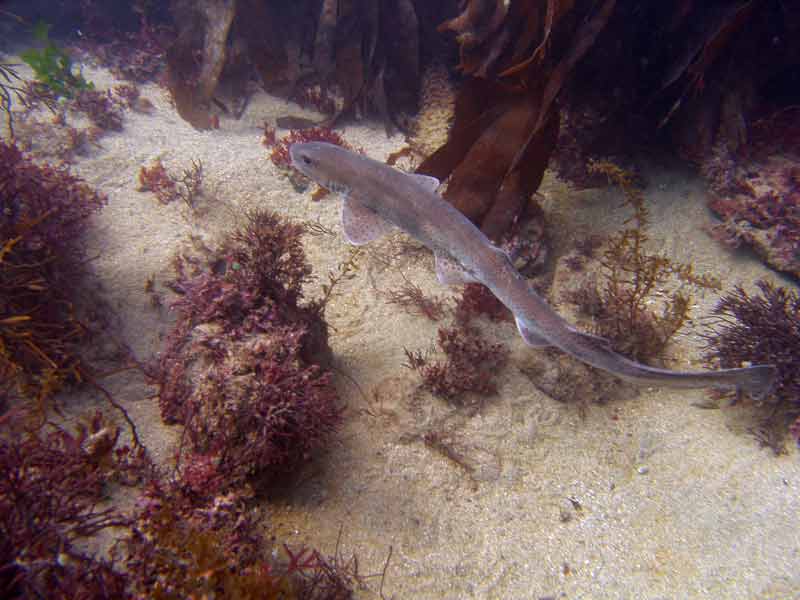
Massive thank you to @GavTheHuman for this write up, his knowledge and expertise on dogfish is incredible. The dogfish image is from MarLIN - by Paul Newland
The eggcase image is from APHOTOMARINE - by David Fenwick. #educationcorner#nextgeneration#QML#ecology#explorers
1/4 This is Scyliorhinus canicula, known by a few different common names, such as the lesser spotted dogfish/small-spotted catshark. They are the most common and widespread shark in UK and Irish waters.Opportunistic generalist predators and have been shown to scavenge as well.
4/4 Sharks belong to a class of animals called ‘Chondrichthyes’, fish with cartilage instead of bones. Chondrichthyes is broken into 2 subclasses, the Elasmobranchii (sharks, rays, skates &sawfish) and the Holocephali (chimaeras). For upcoming tweets, I’ll focus on elasmobranchs!
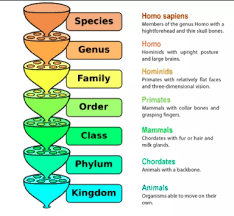
Species are named by using the Binomial Nomenclature System, combining two names into one to give all species unique scientific names. First part is called the genus, the second part is the specific description. Then organized into higher levels of classification.
So with everything that has happened these last few months. Starting tomorrow "Education Corner" will give you information on species found on our local shores. Each week we will give two different posts. Welcome back Marine Explorers #keeplearning#STEM#NextGeneration#ecology
To all Explorers this week saw visitors in Strangford Lough outside the lab. First time in over 50yrs Orcas have been seen in the Narrows amazingly these two siblings, John Coe and Aquarius are from a pod of 8 animals, the UK's only resident pod of Orca #conserve#protect
Are you a student or early-career researcher and struggling to manage the current situation? Join us Wed 13 May at 12noon UK time for a short webinar on maintaining mental health https://t.co/NyZrTP4duR
Excited about #Cornwall's first #BaskingShark sighting from today? 🌊🦈 Learn more about these gentle giants & how to protect them THIS MONDAY AT 10AM ⏰ in our Zoom webinar with #conservationist & writer Colin Speedie! Link here ➡️ https://t.co/1MOAlSDgUs. #UKWildlife#Shark
@KateAustin_ Hi Kate, I am a mum to a son who at 12 came out to me. He is loved even more because I know he will have obstacles in his life that will be hard enough to cope with. I'm so glad you have love from your partners dad. Stay strong because family are those you choose for yourself!! X
Massive thank you to Dr @emmafcamp for connecting with the us today all the way from Sydney, Australia. Your talk will inspire so many of our Explorers with the work you are doing on corals and with how you became a marine biologist. #inspiringthenextgen#coral#STEM
Sunday Group: Today started with an incredible Skype talk from Dr @emmafcamp in Sydney, on her work on corals. Followed by a great day learning all about Sharks and Rays from the @seadeepni guys. Massive thank you @HeidiMcIlvenny and everyone who came to help out this weekend
Saturday Group: today we had a Shark and Ray day thanks to @seadeepni experts. Massive thank you to the team for coming and teaching us about different Shark species especially in Irish waters, We learned so much about fishing quotas, overfishing and Marine Protected Areas #qml
Saturday Group: Month 2, students had a great day using quadrants to survey percentage cover of seaweed, learning how to ID seaweed, and animal species for recording. #citizenscientists#marineexplorers#nextgreneration