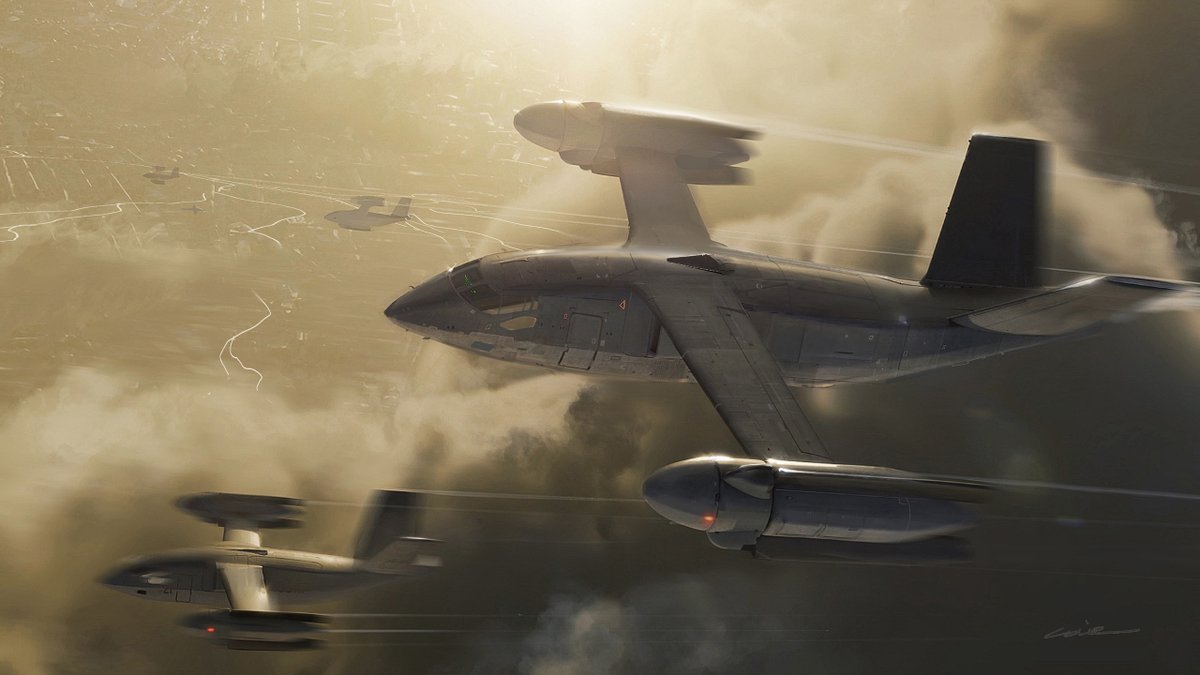
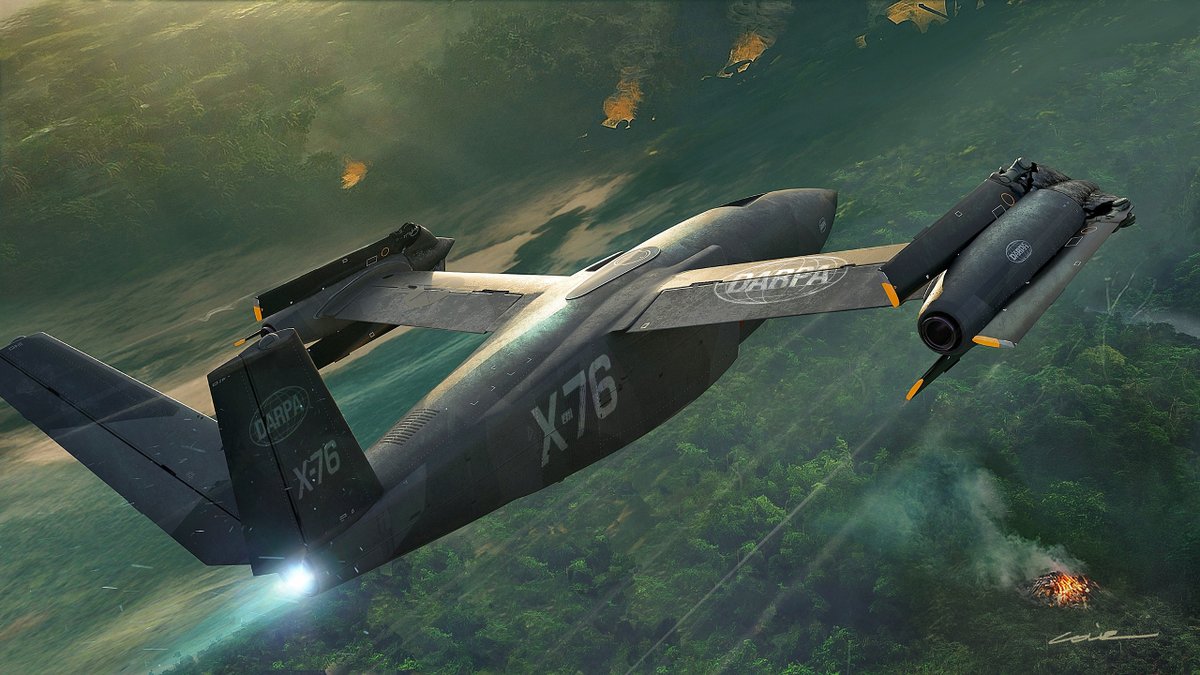
Introducing our latest X-Plane, the X-76! ⚡
Part of a joint effort with @USSOCOM on the SPRINT program, this experimental aircraft is being built by @BellFlight to demonstrate runway-independent, high-speed flight.
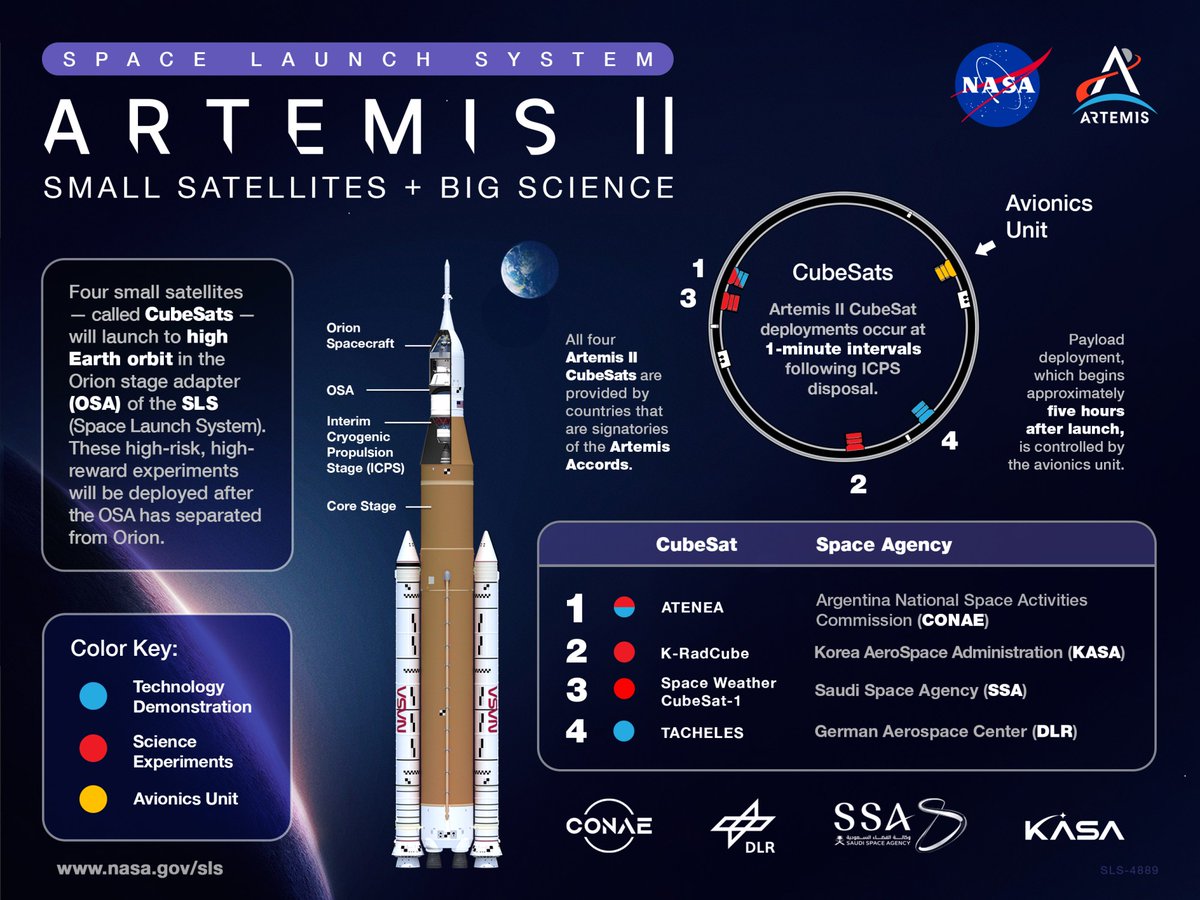
When @NASA’s SLS rocket launches @NASAArtemis II, four CubeSats, or small satellites, will be hitching a ride inside the rocket’s Orion stage adapter.
These CubeSats - all provided by countries that are a part of the Artemis Accords - will be deployed about five hours after launch.
Learn more about what they are studying: https://t.co/Uiwe3Vifgq
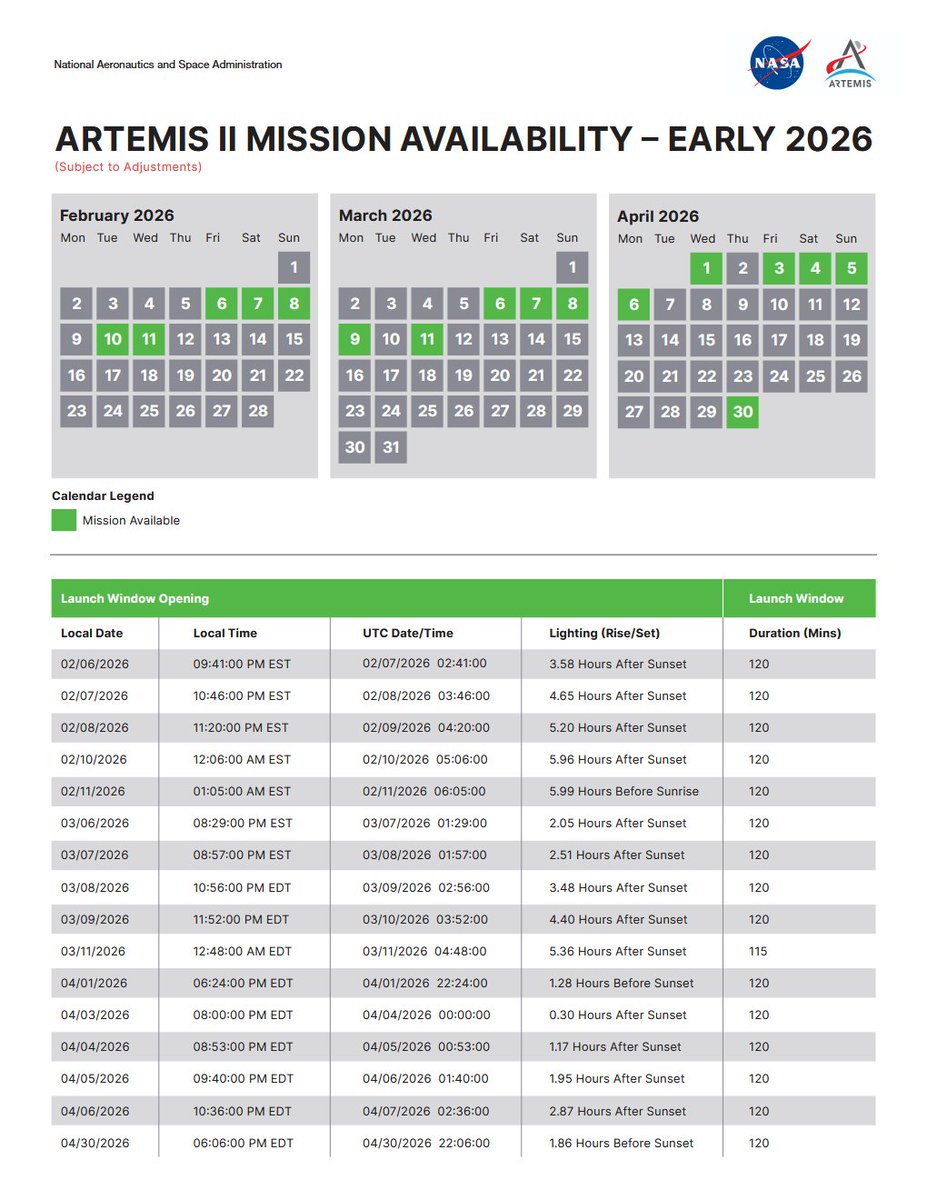
@TLPN_Official Thanks for helping us spread the word about Artemis II! To clarify: although Feb. 6 is the first day of Artemis II's launch window, it is not the confirmed launch date. Artemis II currently has multiple opportunities to launch from February through April.
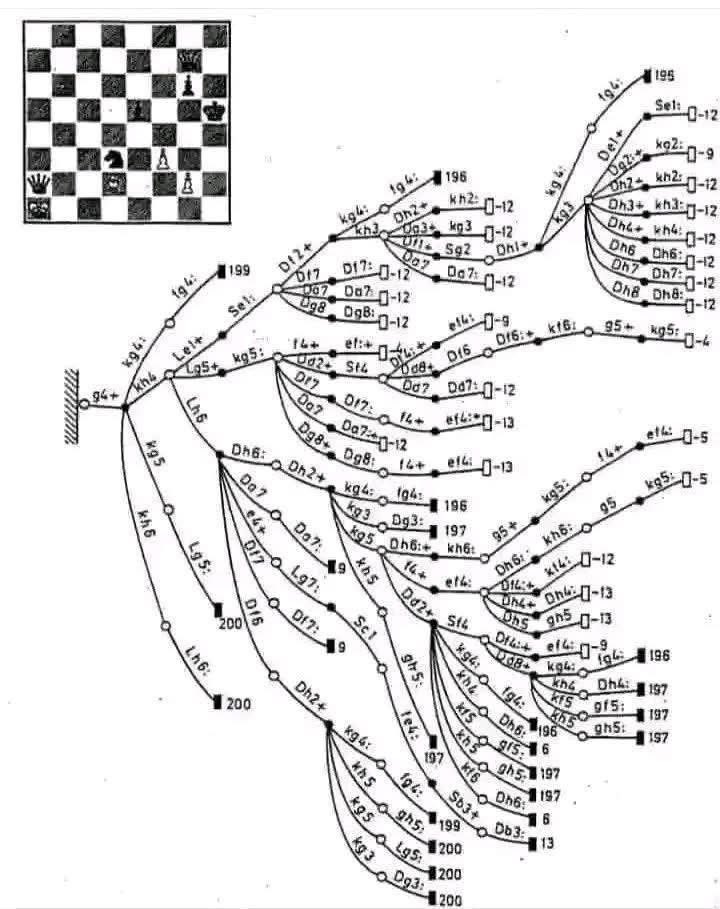
When you start a chess game, you have 20 moves available (16 for pawn and 2 for one knight). After completing the first movement you have more than 40 different possibilities. And 8900 in the third and 197740 in the fourth. In the 40s there will be 10 puissance 40 possibilities. Number corresponds to the number of atoms in the universe. This is what make chess more magical.
#DRDO has successfully conducted the ground test of the indigenous #Scramjet engine (hypersonic cruise missile) for more than 1,000 seconds (15+ mins).
Good overview of the landing. We nominally target a few hundred feet away from Jacklyn to avoid a severe impact if engines fail to start or start slowly. We’ll incrementally reduce that conservatism over time. We are all excited and grateful for yesterday. Amazing performance by the team! Gradatim Ferociter.
New Glenn successfully completed its second mission by deploying @NASA’s ESCAPADE twin spacecraft, powering on and transmitting data for @Viasat’s HaloNet technology demonstration, and landing the fully reusable first stage on Jacklyn. Learn more: https://t.co/a4PycrFeEP
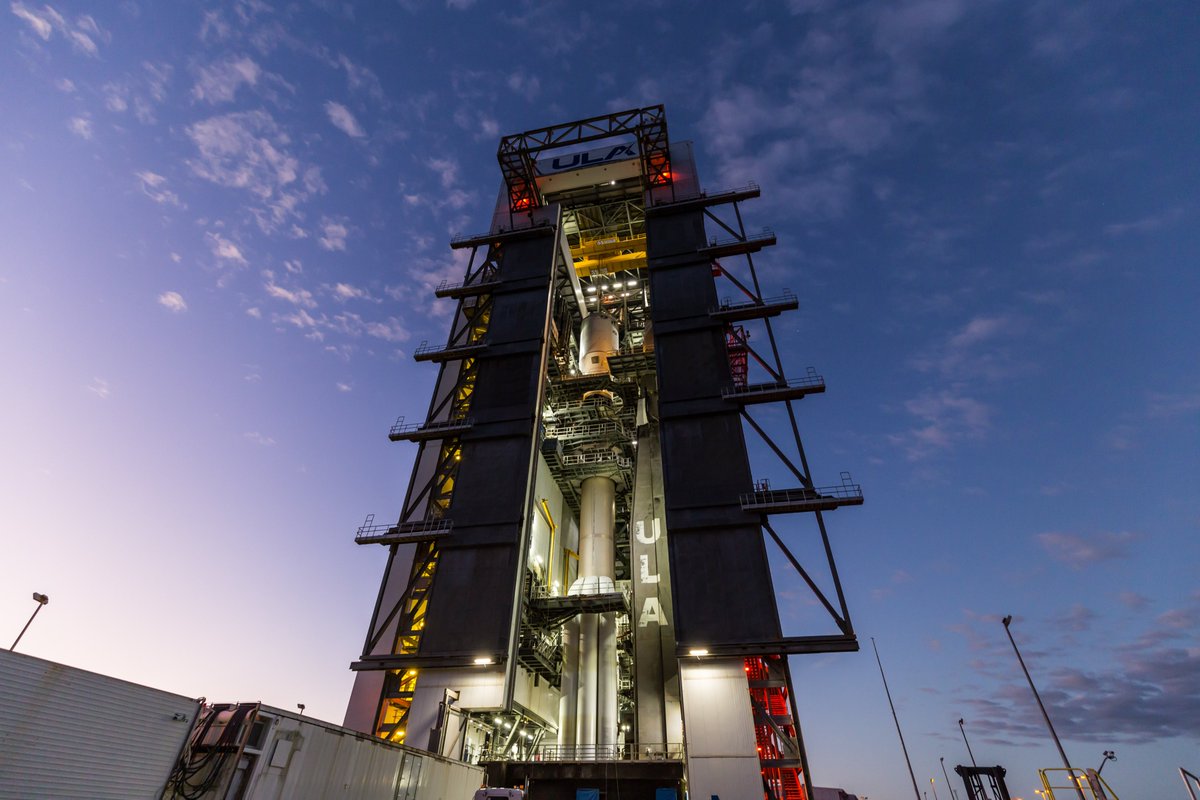
Initial buildup of the Atlas V 551 rocket is complete at ULA's Vertical Integration Facility with five side-mounted solid rocket boosters and Centaur upper stage. Pre-flight testing is underway ahead of the ViaSat-3 F2 commercial satellite deployment mission.
Launch info: https://t.co/emgb4rp941
Photos: https://t.co/zIhxAeJGkZ
3,2,1...liftoff! ULA's Atlas V rocket powers off the launch pad carrying the next Amazon satellites for the Project Kuiper broadband constellation and the future of global connectivity!
https://t.co/aAPPJAhIns
Within two minutes, the @NASA_SLS solid rocket boosters generate a total of 7.2 million pounds of thrust!
Once they reach that point during launch, 16 motors ignite to push the boosters away from the rocket.
Learn more about these small but mighty motors HERE >> https://t.co/tsre69lDZn
We're going LIVE from Promontory, Utah!
Tune in tomorrow at 10:50 AM CT for the Demonstration Motor-1 hot fire — the first full-scale test of the solid rocket booster motor to be used for future @NASAArtemis missions!
Watch here >> https://t.co/HW7cPvcc7T
Close up slow motion footage of the unexpected event(s) during Northrop Grumman’s BOLE DM-1 stb test today. @NASASpaceflight
Rewatch the livestream here: https://t.co/c3mHSLrzV2
This Atlas V 551 rocket, designated AV-105, stands 205 feet (62.5m) tall and will weigh 1.3 million pounds (589,000kg) once fully fueled for liftoff. It leaves the pad on 2.7 million pounds (12 megaNewtons) of thrust from the main engine and five SRBs to launch Kuiper 2.
https://t.co/3Vy27KfJs5