Grappling with oncology, clinical research, quality of life, prognostication, communication, education, rabbitohs, wallabies, cricket, and other enigmas
Poster presentation at ANZUP ASM 2026, Adelaide 🇦🇺
We explored real-world access to ICIs in intermediate and poor-risk mRCC in routine practice. Important conversations around improving equitable access in oncology.
@oncodaily@UrologyTimes@ANZUPtrials@ACTREC_TMC#ANZUP26
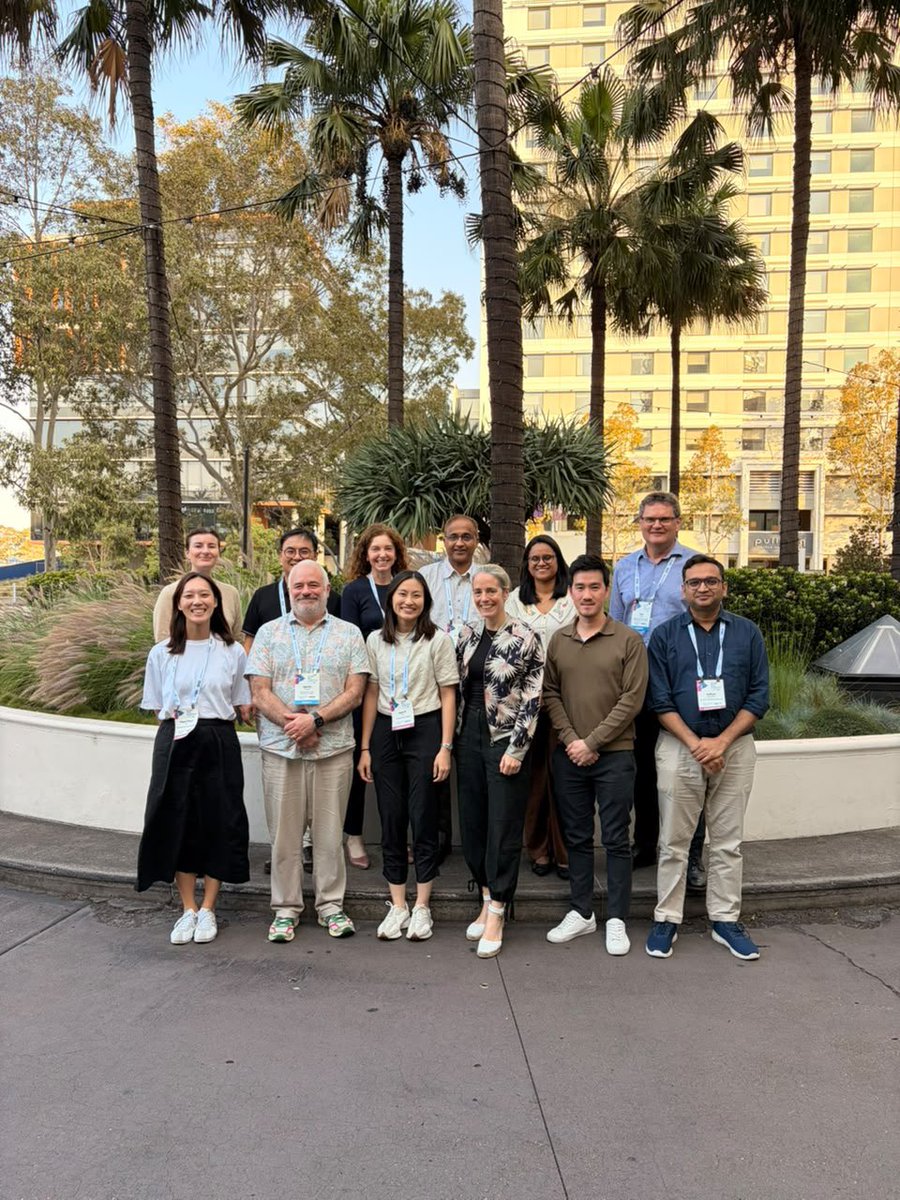
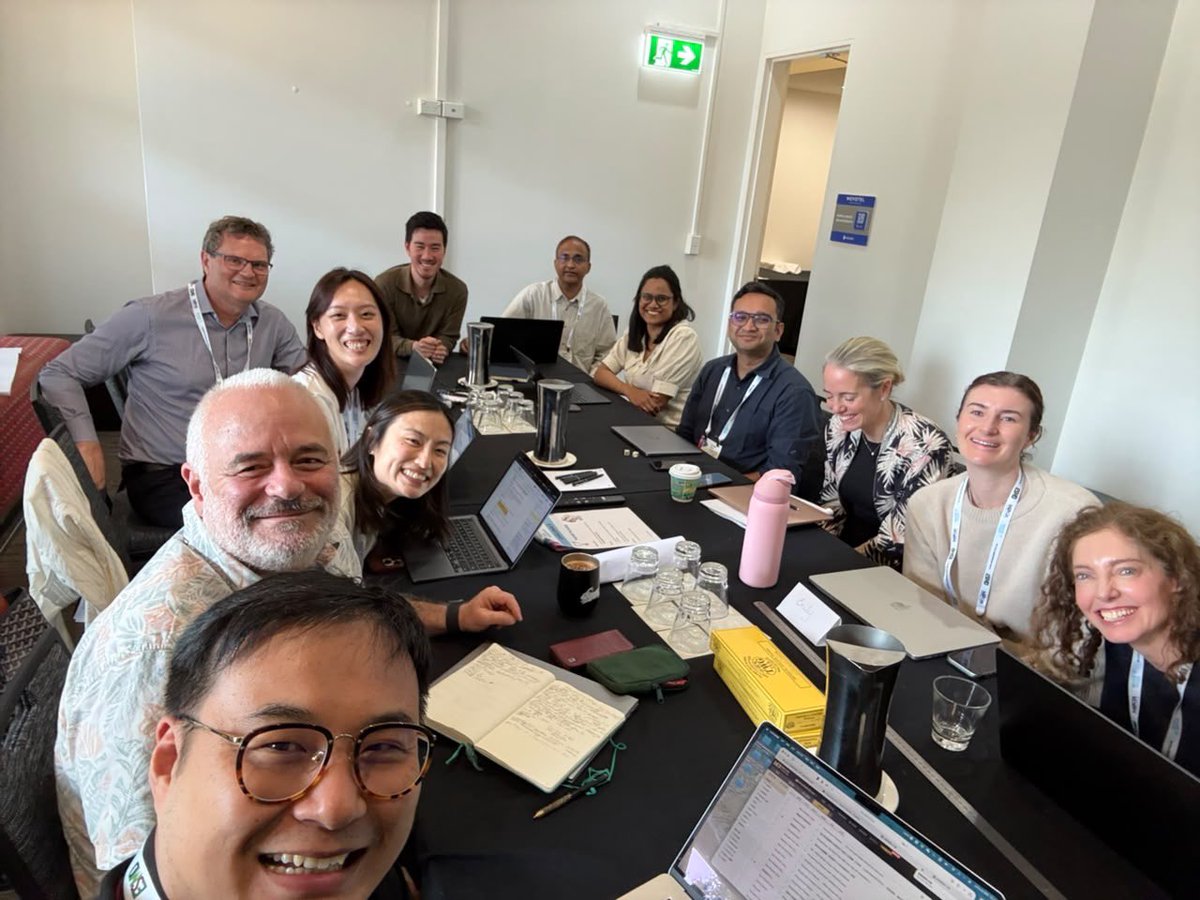
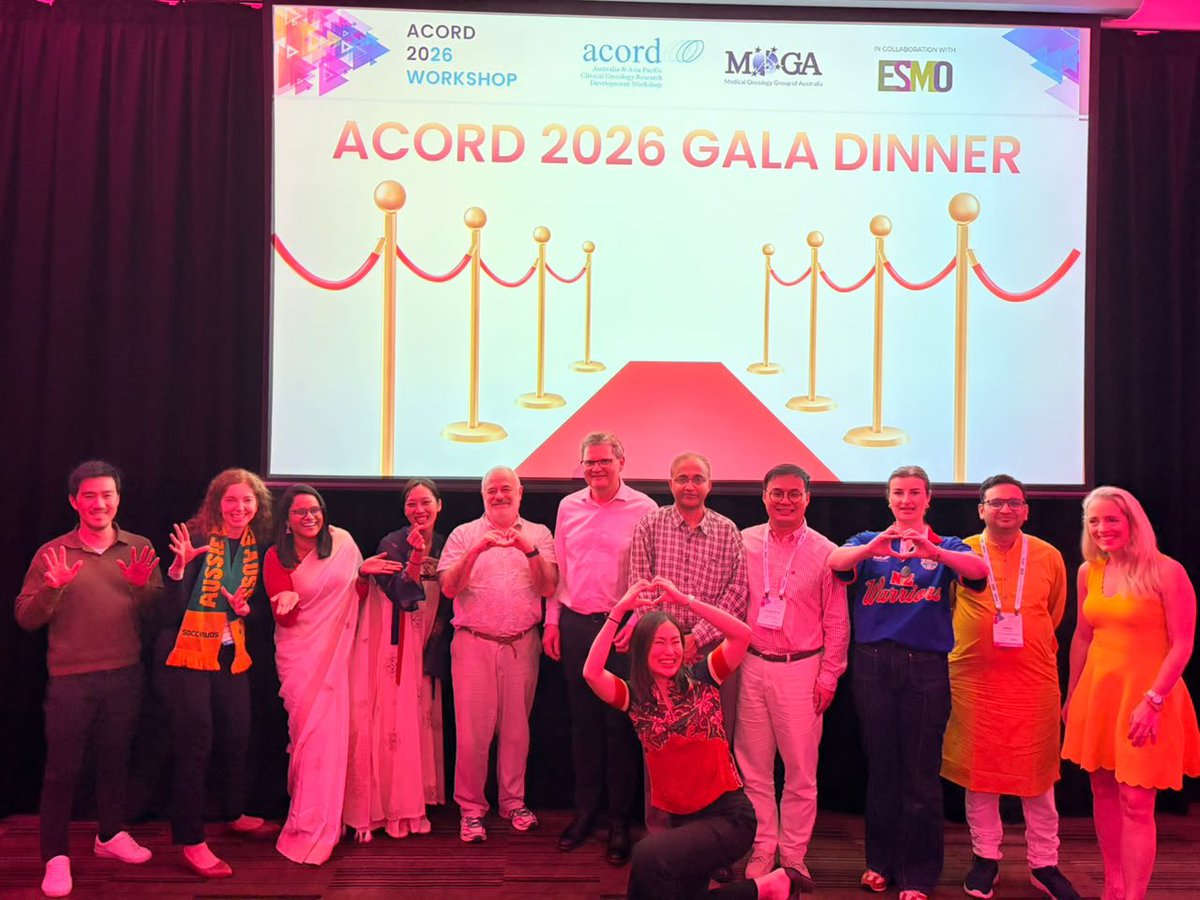
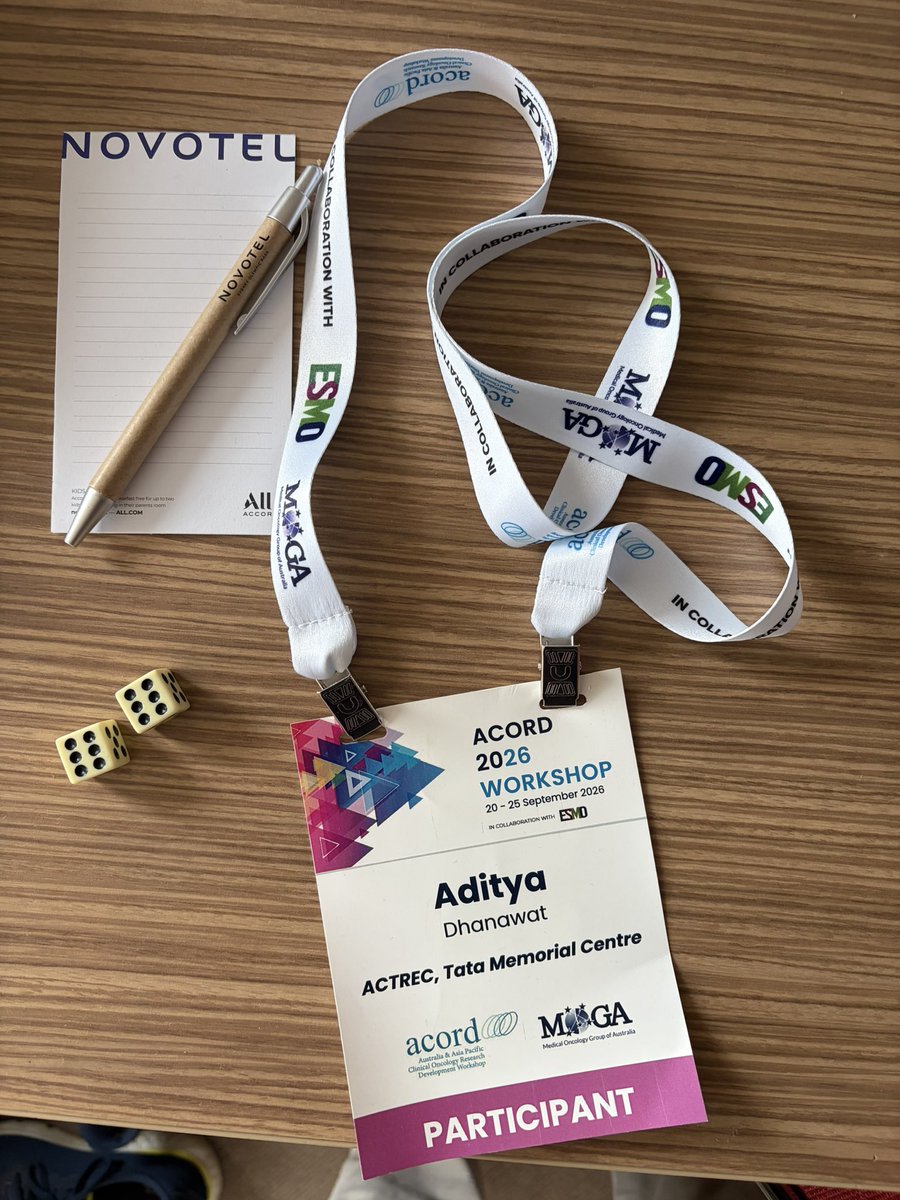
#ACORD26 is less than a month away!
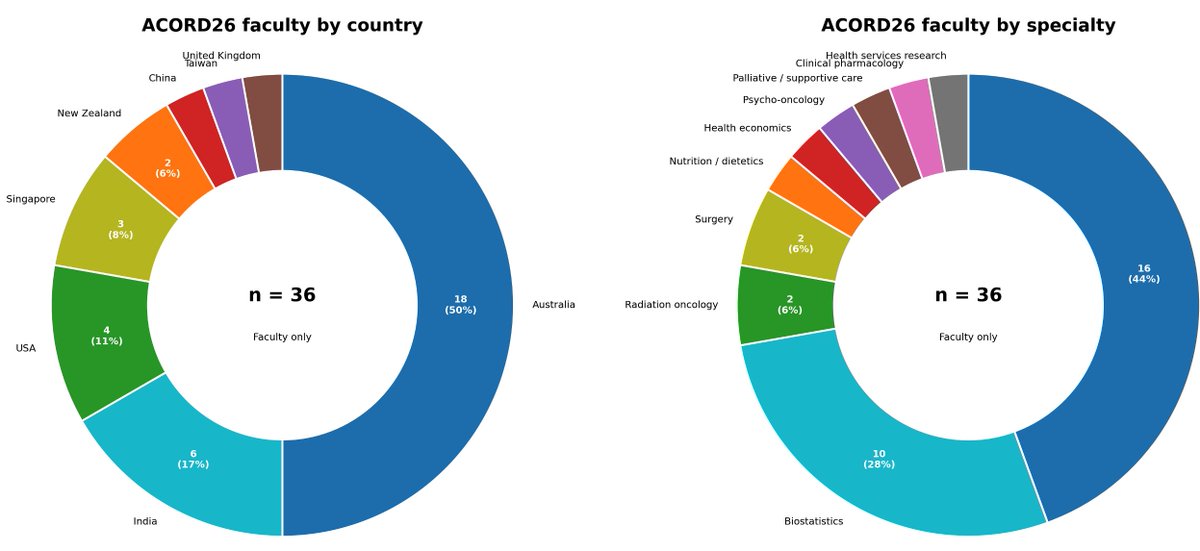
72 attendees + 36 faculty from across the Asia-Pacific and beyond, coming together to learn how to turn great ideas into executable, fundable oncology research.
Beyond writing excellent protocols, we will be covering scientific pitching, industry-academia partnerships to building multidisciplinary teams
This is the part of research we don’t teach enough. @ACORDISM@MartinStockler@oncodocsydney
What an inspiring week at #ASCOBT26. As a member of the APAC Regional Council, it's gratifying to see the meeting return to Singapore, advancing clinical practice and cutting-edge science to improve equitable cancer care in our region. May it continue to grow as a vibrant platform for APAC research, talent and collaboration. Safe travels and see you next year in Singapore! @ASCO@jrgralow
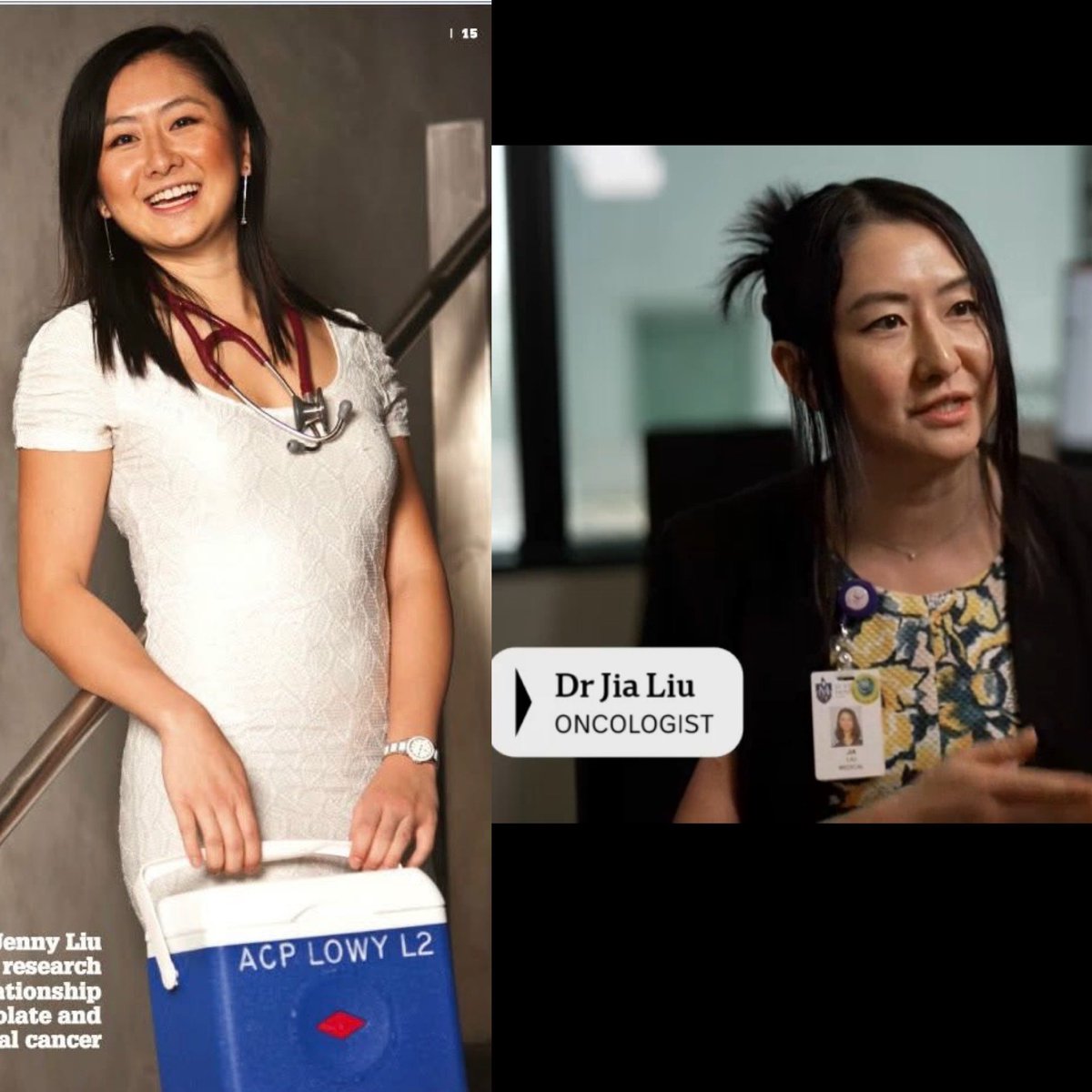
2011 PhD student → 2025 drug development oncologist.
A long road, a lot of growth, and so many people to thank along the way.
Grateful to be promoted to Conjoint Associate Professor at @UNSW.
Excited for the next stage of global collaboration in early phase trials 🧬🧫🔬👩🏻⚕️
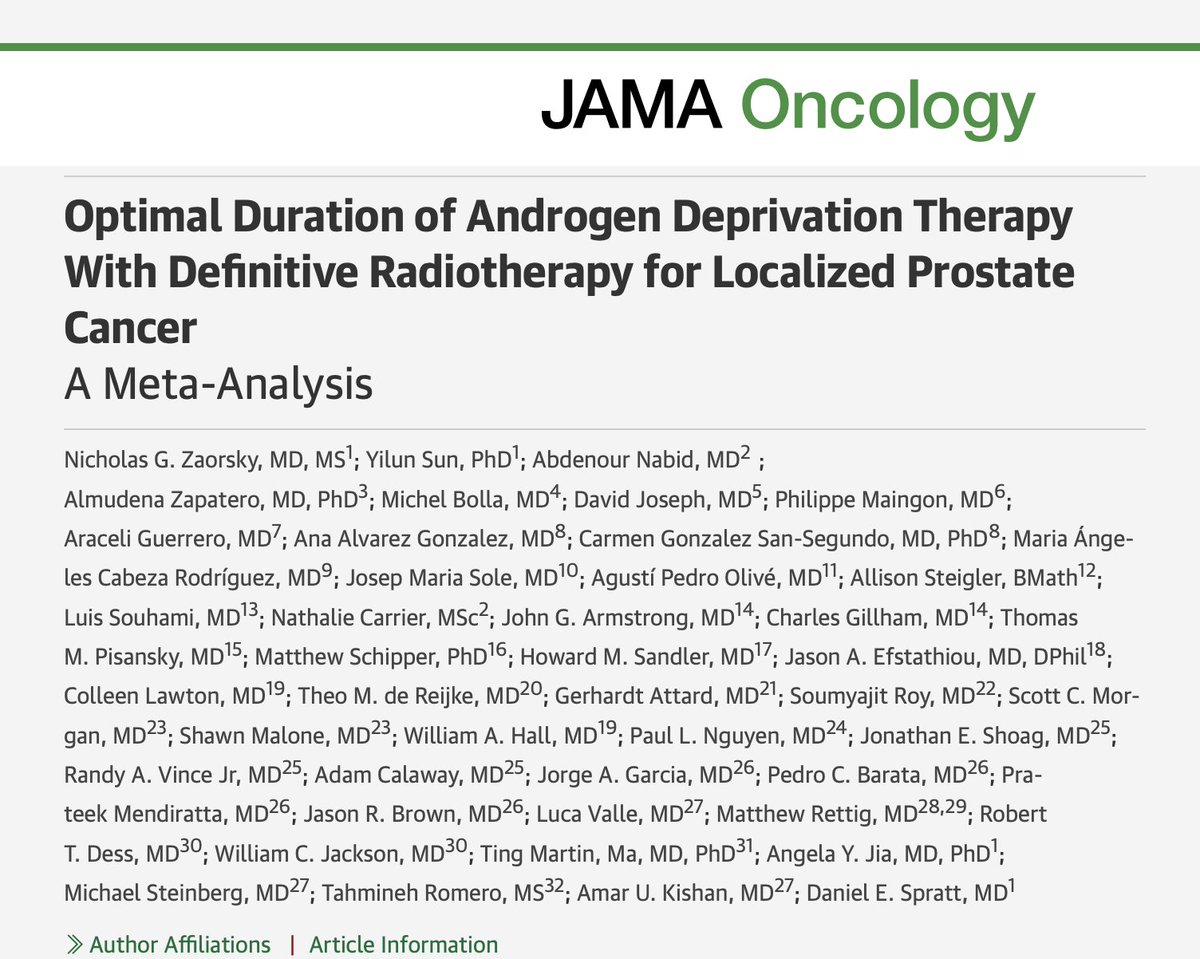
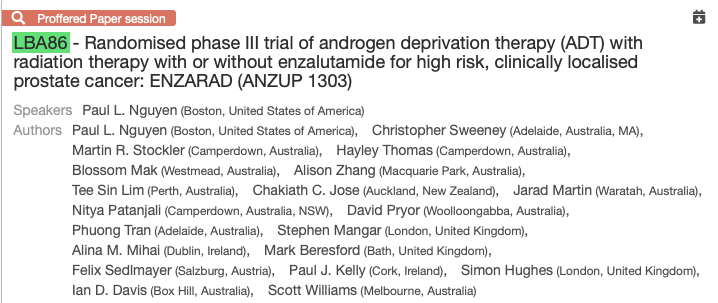
Optimal Duration of Androgen Deprivation Therapy With Definitive Radiotherapy for Localized Prostate Cancer: Meta-Analysis
https://t.co/U8xUGsAl2e
Meta-analysis of over 10,000 patients from 13 randomized trials found that the survival benefit of androgen deprivation therapy (ADT) combined with radiotherapy is highly dependent on both treatment duration and patient risk profile, with diminishing returns beyond roughly 9–12 months and increasing non–cancer-related mortality with prolonged therapy. Optimal duration varied by disease severity—shorter or no ADT for lower-risk intermediate disease, longer courses for higher-risk groups—highlighting that extended therapy is not universally beneficial.
Because longer ADT improves cancer-specific outcomes but also increases other-cause mortality, the study emphasizes tailoring duration based on individual risk, comorbidities, life expectancy, and patient preference rather than applying uniform treatment lengths. #ProstateCancer
@NicholasZaorsky@yilun_sun@StatMatt9@DrHowardSandler@drjefstathiou@Soum_Roy_RadOnc@DrPaulNguyen@jeshoag@PBarataMD@angela_jia_@MSteinbergMD@AmarUKishan@DrSpratticus@OncoAlert 🚨
@Silke_Gillessen@AOmlin@weoncologists
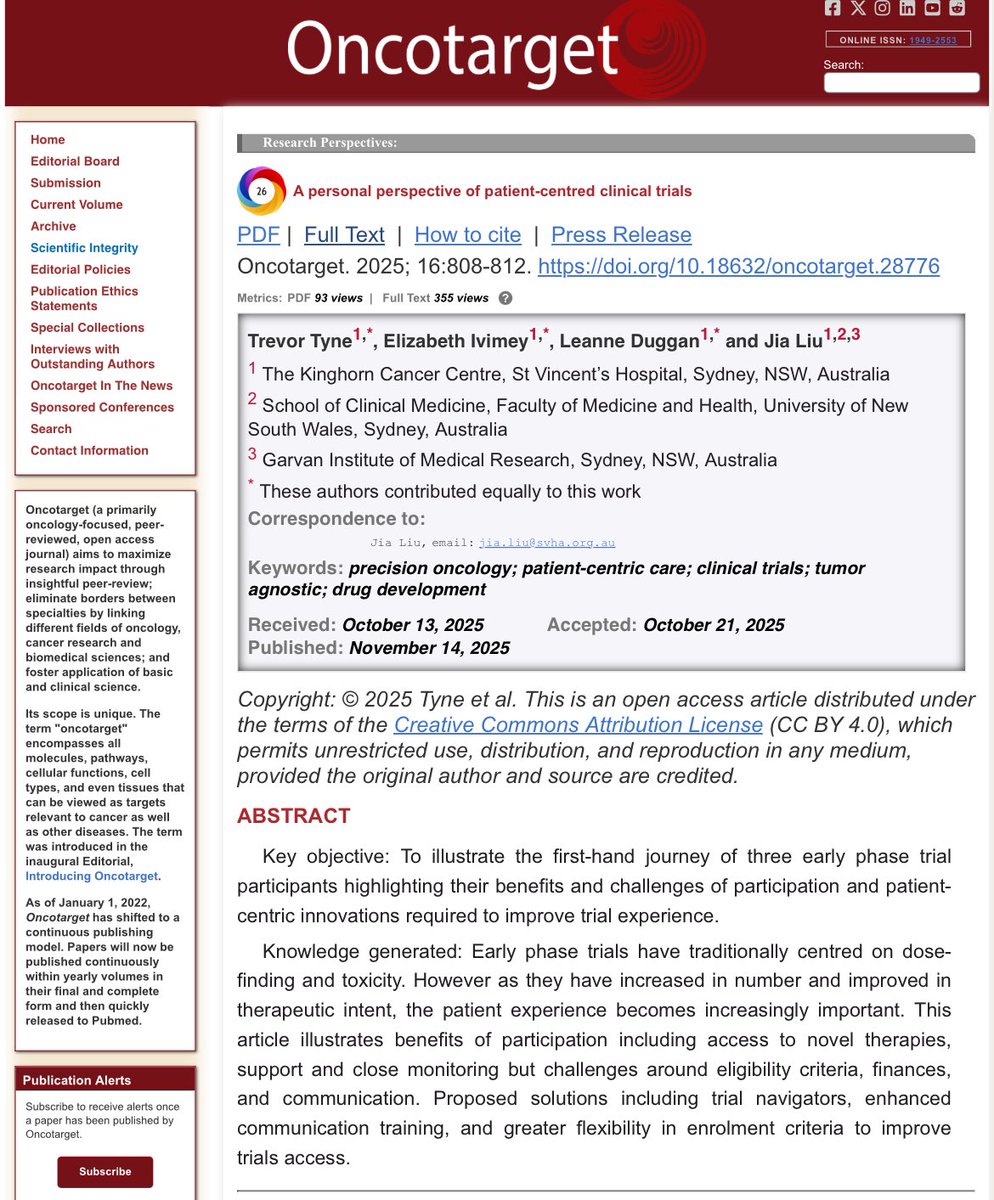
Just published a paper co-authored with early-phase trial patients.
It took far longer than it should have… a sign of how undervalued patient experience still is in oncology.
Cancer drug development must be human-centred, not just molecule-centred.
🔗: https://t.co/gp94RUBGsB
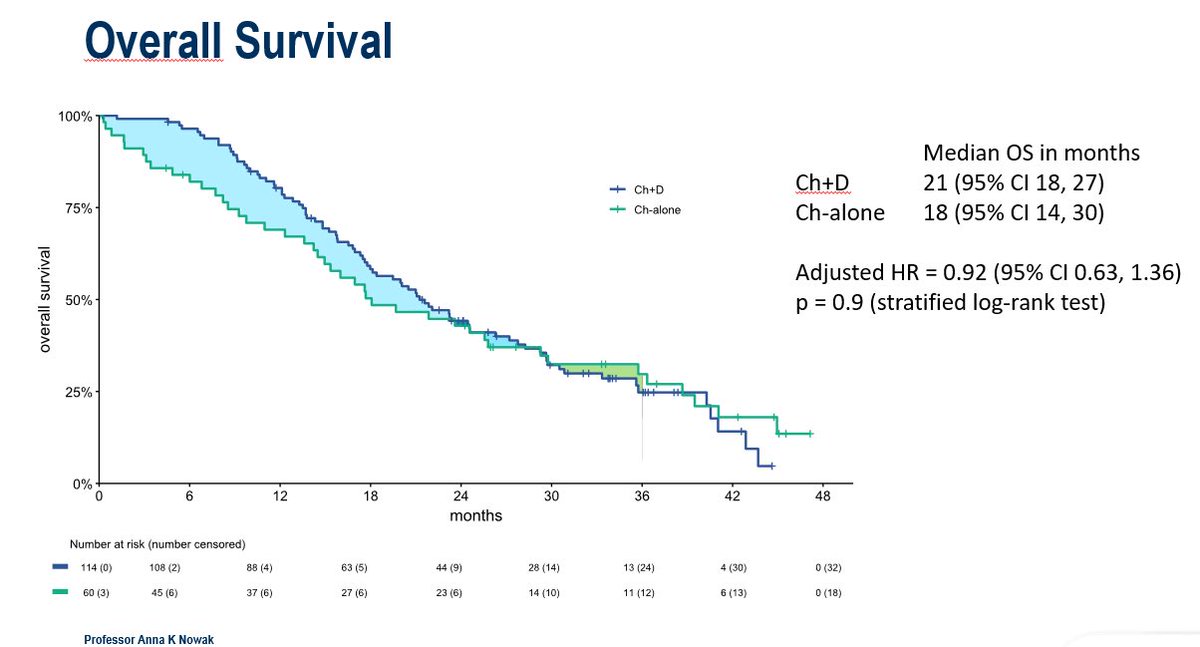
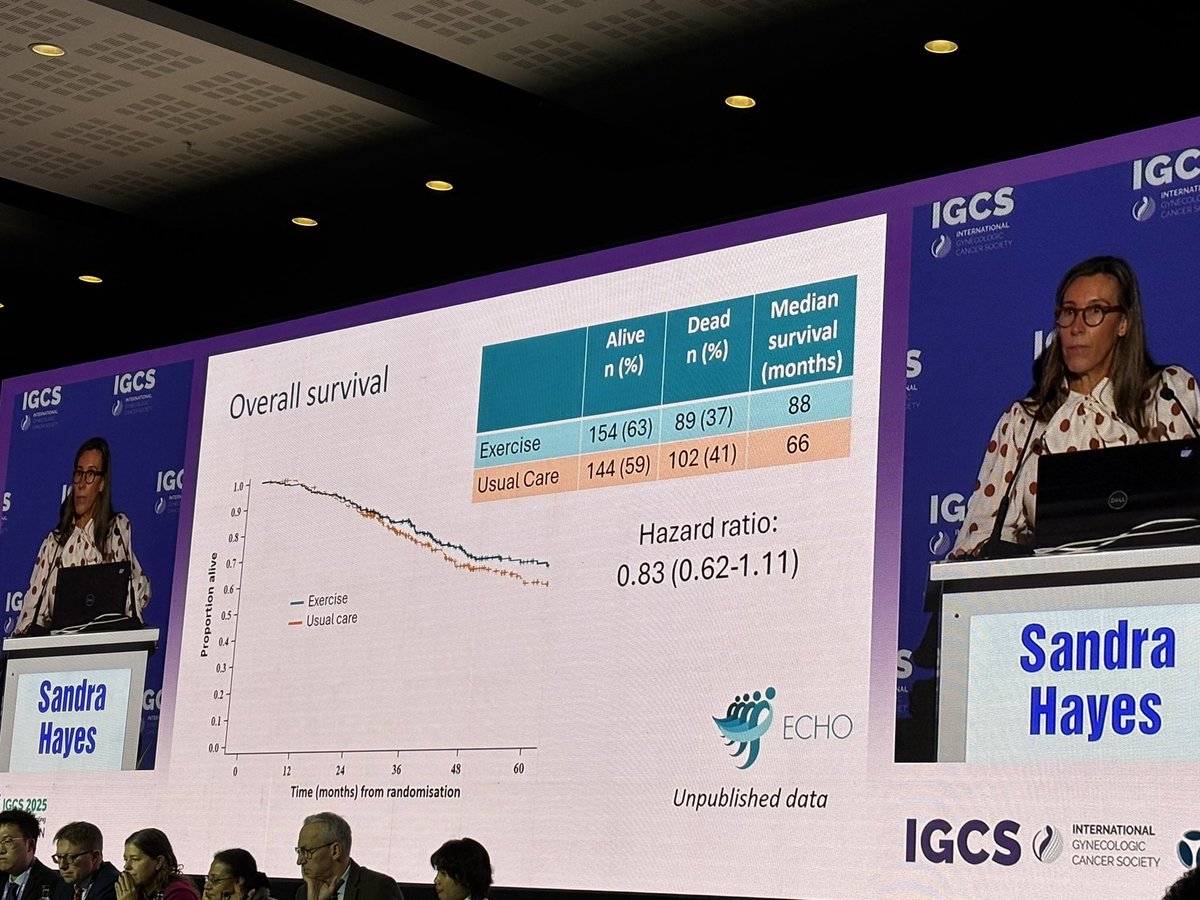
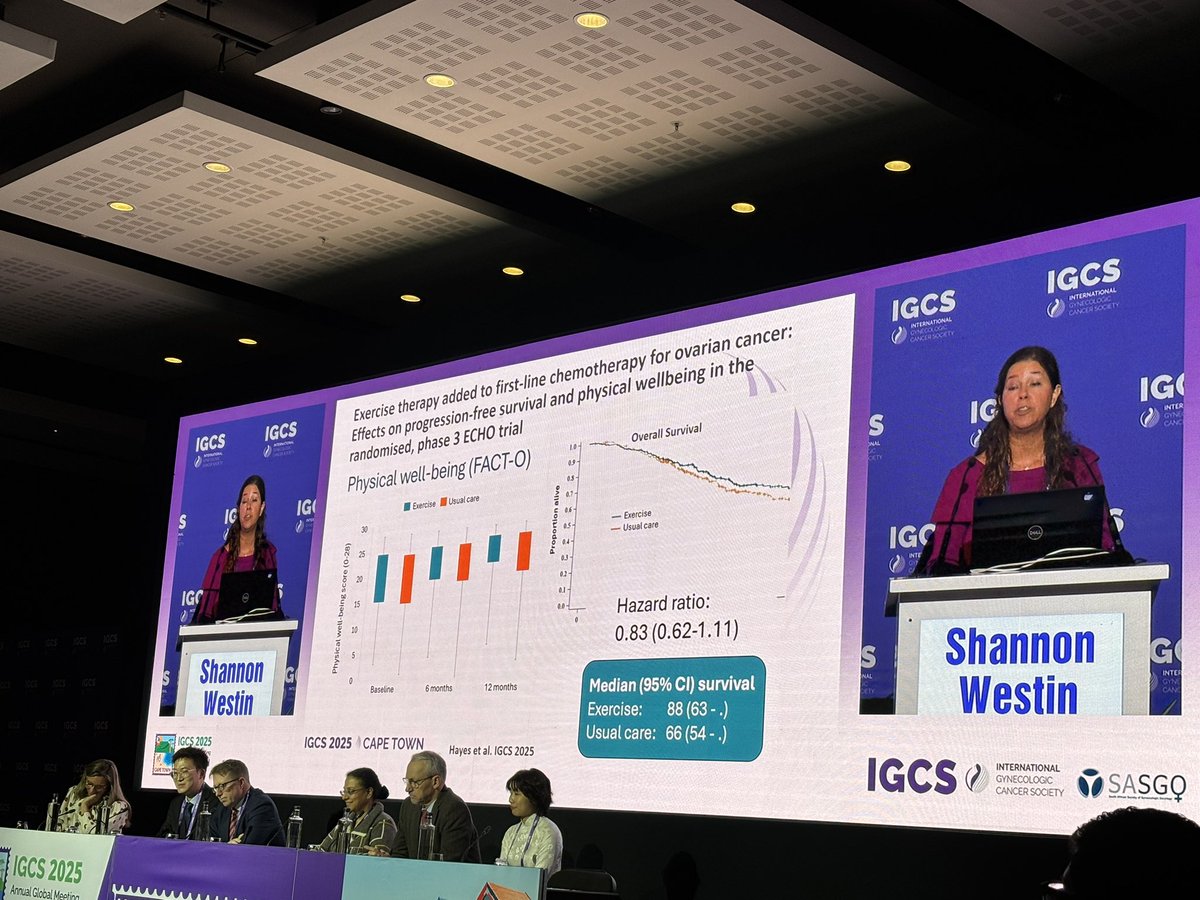
The discussant @ShannonWestin intrigued by the OS curves in the ECHO trial which although not significant currently may improve with time. Also pointing out that PFS was excellent in both arms.
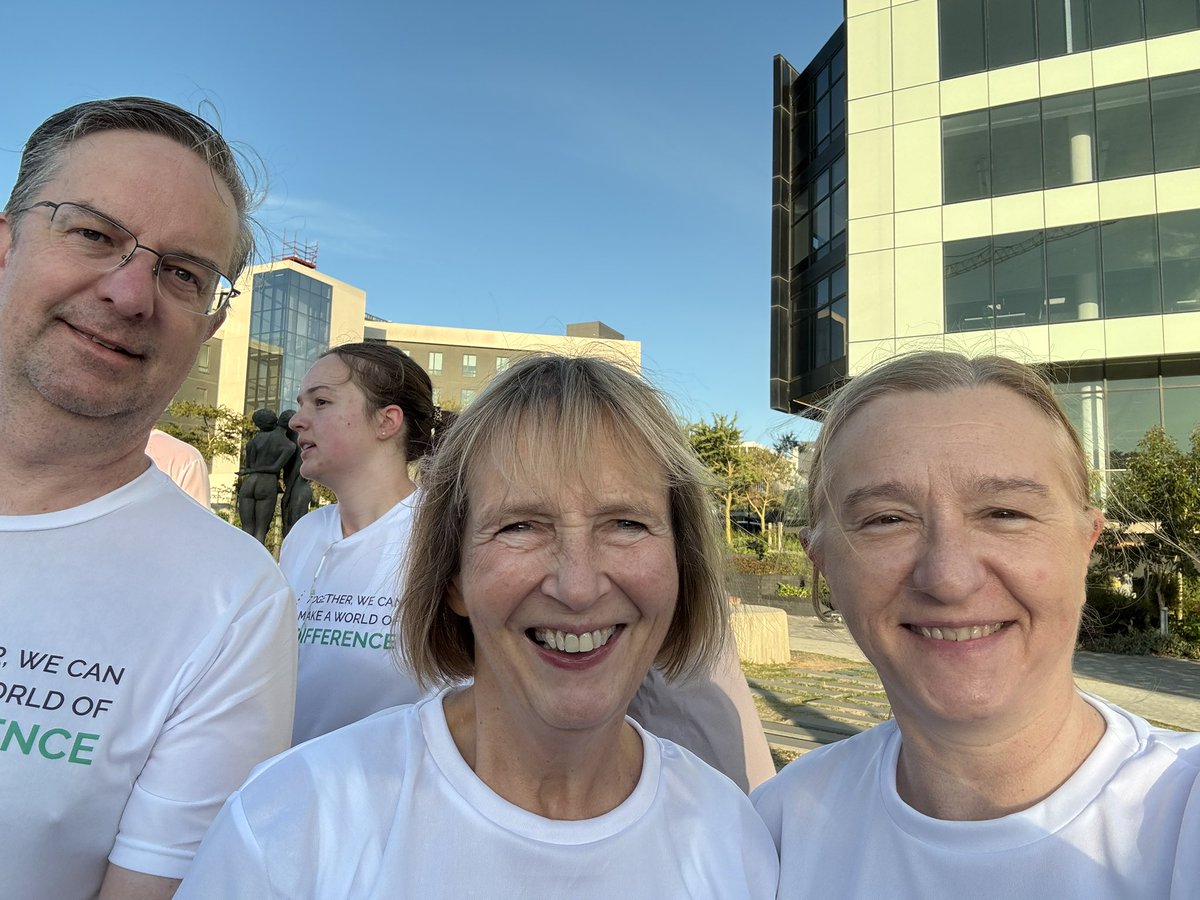
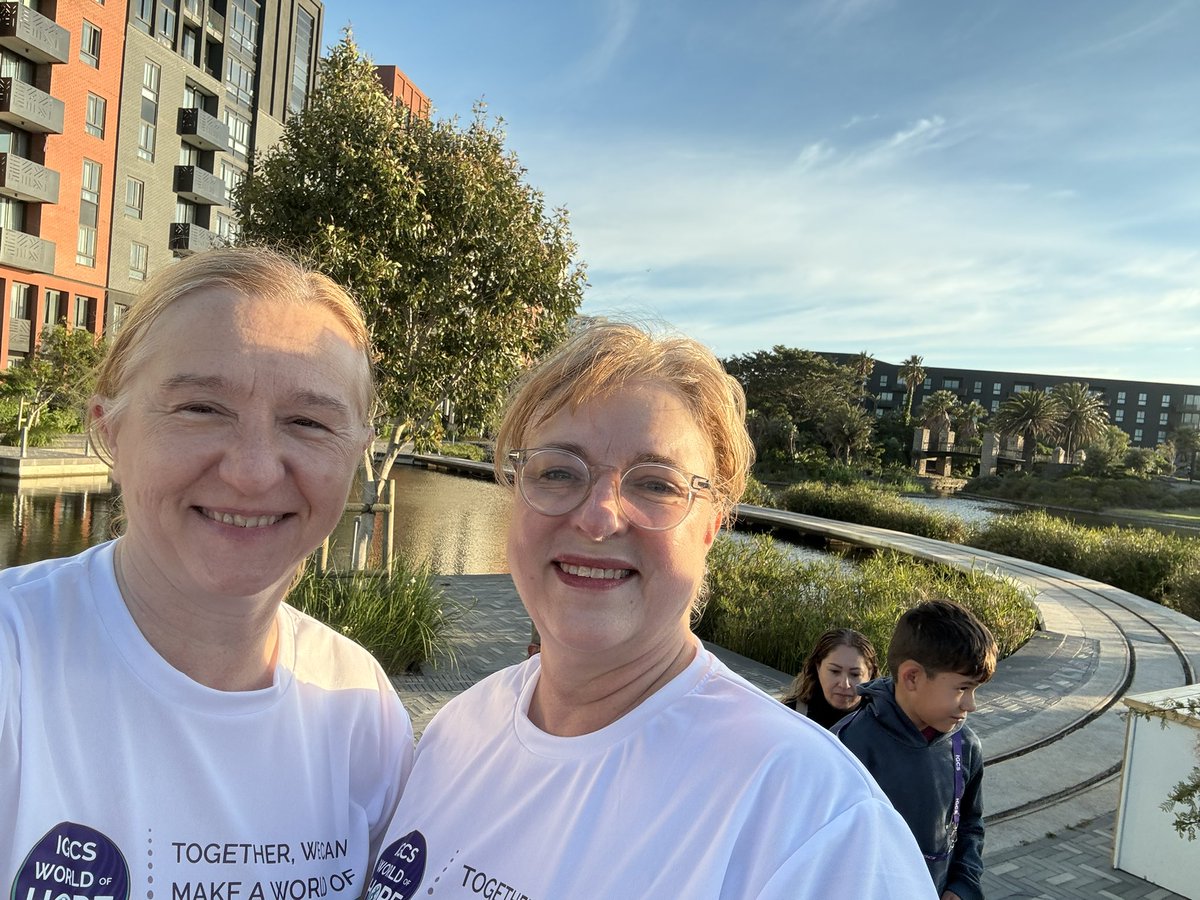
Well done on a great presentation of the @anzgog ECHO trial by Sandy Hayes at #IGCS2025 this am. Why were the results different from the Challenge trial? Reassuring for women having chemo for ovarian cancer to know that if they don’t feeling like walking every day it is ok!
Rejected within 24 hours.
That’s how my academic journey really started.
My writing has never been the same since.
Here’s what I learned from 300+ submissions:
Too many papers get rejected instantly.
Honored to be named Program Director for GI Medical Oncology @MGHCancerCenter , focused on CRC, Anal & NET. Grateful to collaborate with incredible colleagues like @KlempnerSam leading UGI and Harsh Singh joining us for HBP. excited to build on innovation & equity in cancer care.