Those page counts include a number of illustrations.
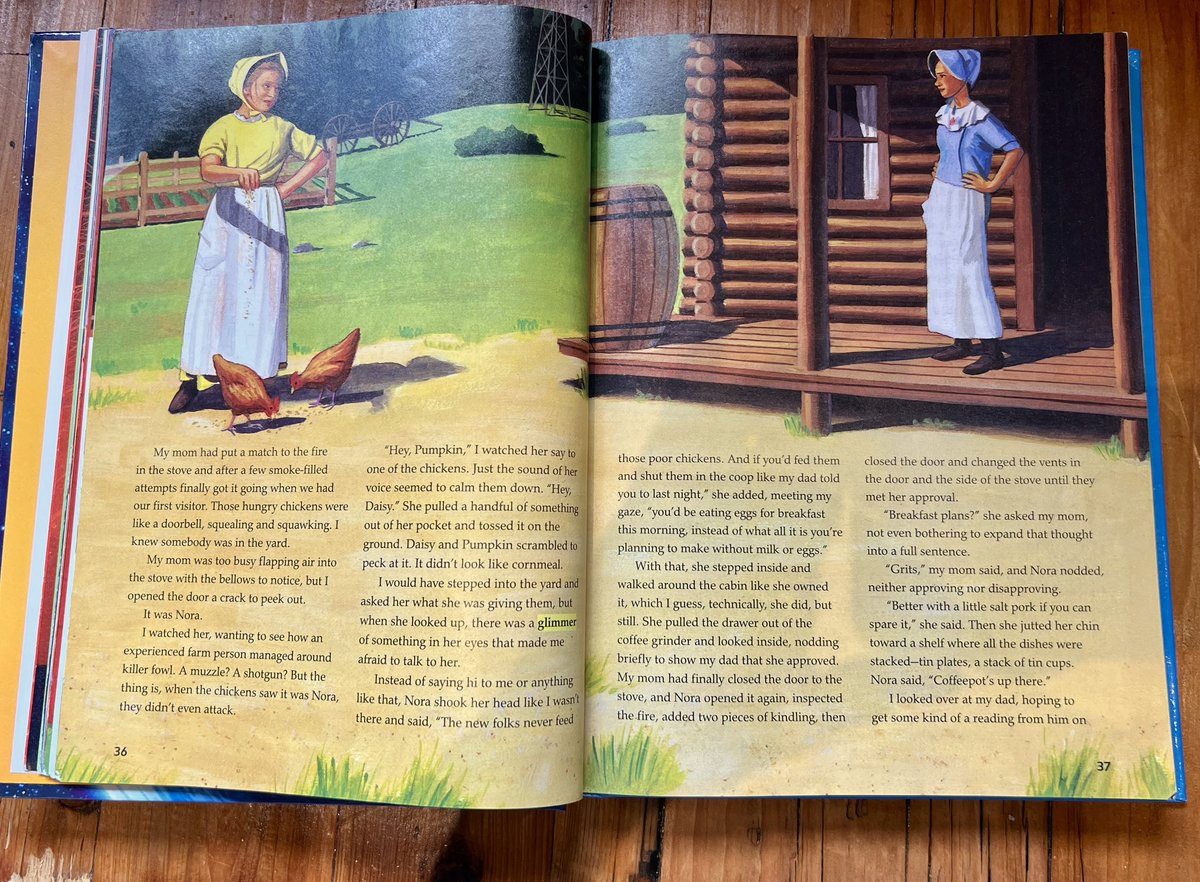
For example, here are the first 8 pages of a text in Wonders Grade 6.
Approximately 3.5 of the 8 pages are illustrations.
So, when we say that the longest text is 18 pages, it’s actually <15 pages of written content.
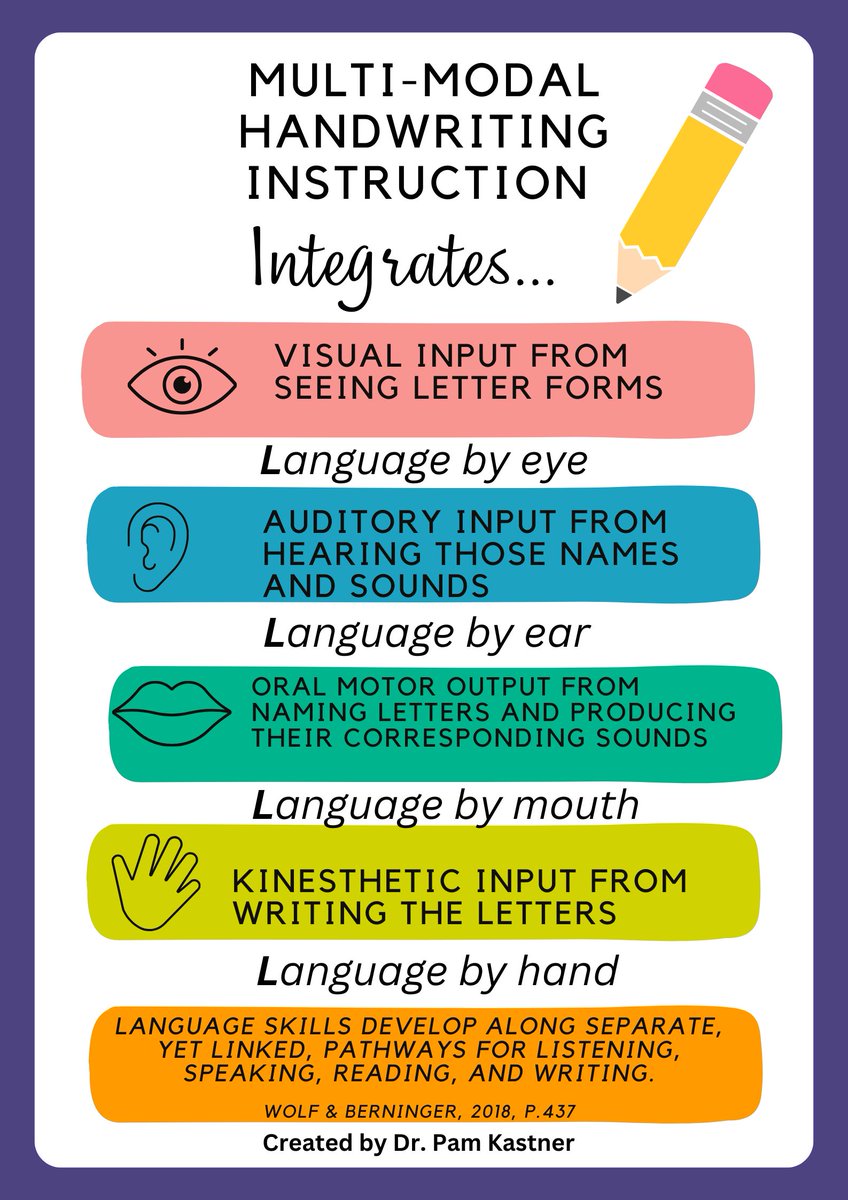
“Handwriting is not a mechanical skill but rather a written language skill at the subword level of language that enables the transcription of sound and morpheme units into spelling written words, which, alone and with other words, enables the translation of ideas into written sentences” (Wolf & Berninger, 2018, p. 435).
Working memory's impact on reading isn't direct - it actually shapes the fundamental skills that make us better readers. Interesting how cognitive building blocks work! 🧠📚 https://t.co/LzjAkV7XQv
🧵 If you’re applauding the abolishment of the Department of Education, you need to do a little research. You have ZERO clue what the DOE actually does.
Here’s a reality check on what the Department of Education actually does:
(1/14)
Wowza news in early literacy:
Study shows major gains in K-1 reading outcomes from use of the viral, and virtually free, UFLI foundational skills program.
In fact, I’ve never seen effect sizes this high from a study of a literacy program.
Congrats @HollyLanePhD@burnsmk1@UFLiteracy!
@dcpublicschools Has @MayorBowser made a call about tomorrow yet? Would be great to get a plan in place for commuting in. Please let us teachers know soon!
@FCCPS Hey @dcpublicschools see how districts surrounding DC call snow days in advance to allow those that commute in to stay safe? Very demure… very mindful
Hoping you do much of the same today!
New preprint! "Literacy skills seem to fuel literacy enjoyment, rather than vice versa" https://t.co/hrDNWKulwU We tested the direction of causation in 3,690 twins aged 12. See here what we found (1/5):
"Decodable texts are like training wheels: Kids need them for only a short amount of time. The goal is to transition away from them as soon as the child is ready"
-Linsay Kemeny
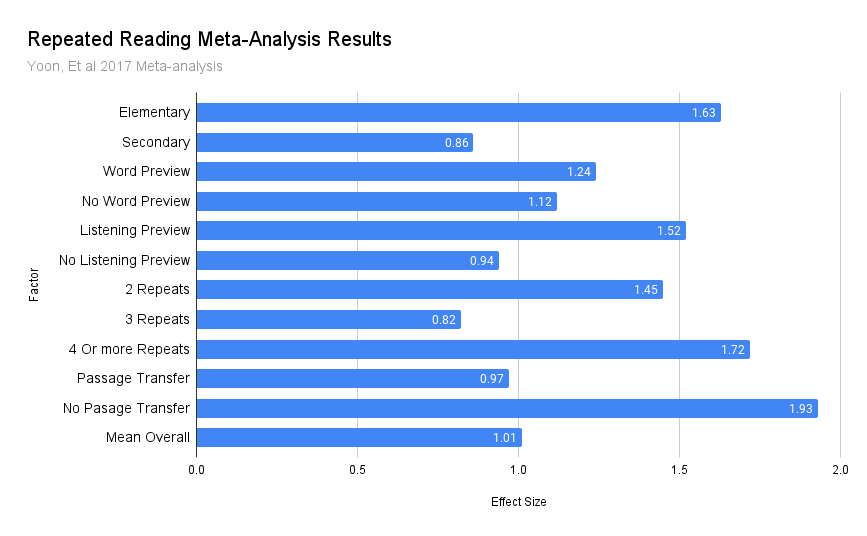
Repeated Reading is the lost component of the Science of Reading. The research evidence for it is even stronger than the evidence for phonics and yet it's never talked about. Both phonics and Repeated Reading deserve their place in reading instruction.
https://t.co/OppvwEz977
Reading isn’t just a skill—it reshapes your brain. New research reveals how key brain regions in the left hemisphere adapt with practice, highlighting the profound impact of reading on language and cognition.
#Neuroscience#Reading
Those using the CORE Phonics Survey and want to score it digitally, here's a sheet with all calculations and conditional formatting done for you. https://t.co/g2cPWJ862B