Elated to have scribbled some thoughts for the Fraser Institute's Economic Freedom of the world report - 2023.
Full report can be downloaded here
https://t.co/UrmPuWcRd1
Summaries, maps, a powerpoint presentation and press releases can be found here
https://t.co/FWGUQzEtop
Immensely proud of Sydney's dad. Despite the huge family loss, he has explained circumstances relating to death well. The clarity of thought, articulation of expression & firmness of emotion will preserve a decent record
That old generation of Ugandans is decent & well-schooled.
📍MEMBERS' NOTICE: SYDNEY GONGODYO, VICTIM OF SOCIAL INJUSTICE - FALLEN AT THE HANDS OF A MOB
Elder son of Snr Advocate Gyabi Charles James; Sydney's life was claimed by the hands of an unjust mob. Young man with thriving Rugby career, nipped in his prime, his high flying star shot down by social injustice.
In his last minutes, he pleaded for mercy, but the mob was ruthless. For a minute there, he broke away from brutal mob, staggered for a few minutes, before he was pursued and executed in broad day light.
His father, devastated and in disbelief that his years of sacrifice for justice for others, didn't guarantee a just process for his own son.
A vigil shall be held today at the family home in Senior Quarters, Mbale and funeral service tomorrow 8th/06/2026 at 11am. The burial will be held on Heroes day, the 9th of June 2026 at Buweri Town Council, Sironko District. Let's mourn together...
It's hard for me to explain to those outside #Uganda just how irritated the Ugandans are to be lumped in with DRC for the #Ebola epidemic. As of this writing, there have been hundreds of deaths and over 1000 cases in Congo, whereas Uganda has had only 9 cases -- three Congolese, four medical workers who treated them, one driver who drove them, and one other known contact. Only one person has died in Uganda, a Congolese.
So when WHO and Al Jazeera talks about the Ebola epidemic in "Congo and Uganda," it's like saying because there are wildfires in California, you should cancel a trip to the Grand Canyon because some Californians lit a campfire there. Yes, it is possible it *could* spread and you have to be vigilant, but these two situations are nowhere near the same magnitude.
As of this writing, the only Ugandan death has been the tourism industry.
@AfricaCDC. Your reporting is becoming problematic than Ebola itself. Just to remind you that Uganda is a sovereign country don't bundle us with other countries. Uganda has 8 reported cases all on treatment. All contacts have been traced. This to remind you that your an African Union institution that respect member states. @_AfricanUnion@NuursViews
How does psychology shape the digital world?
What is the dark side of technology for us and our children?
How can we build and use technology better?
I attempt to answer these questions in my TED talk here 👉 https://t.co/H2rnVr9Yf0 via @YouTube
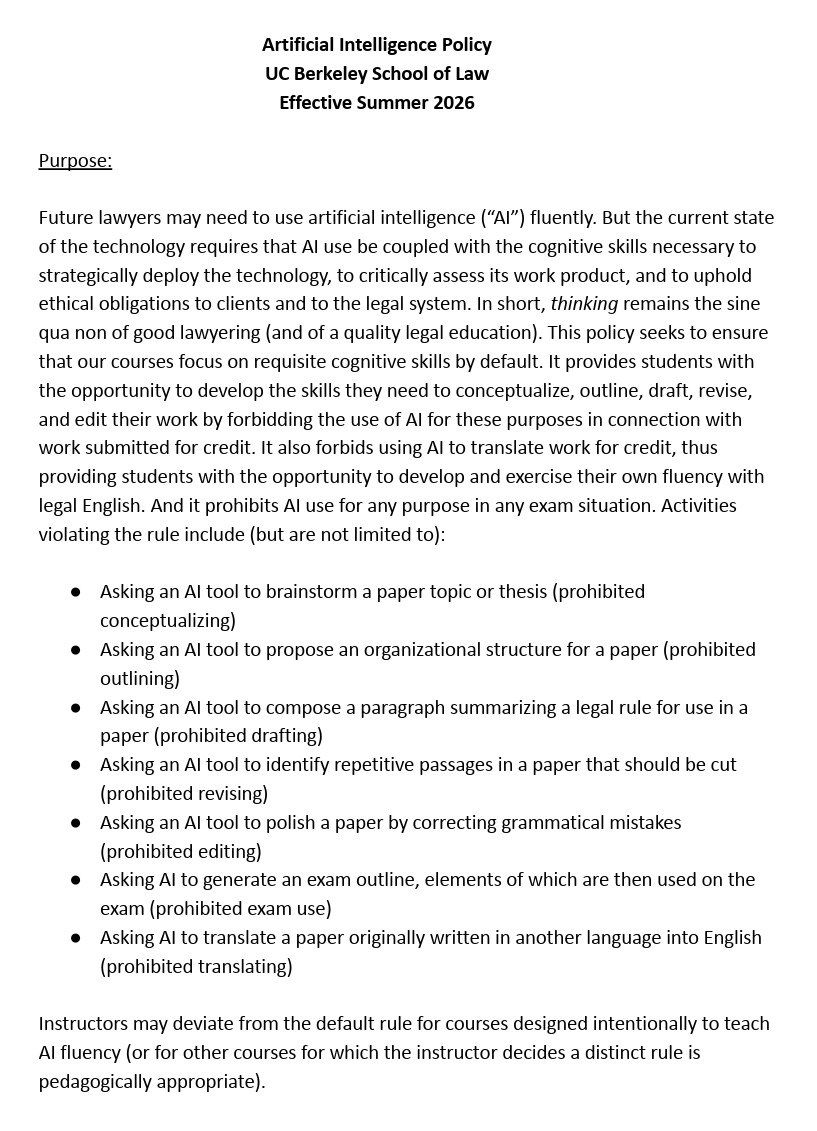
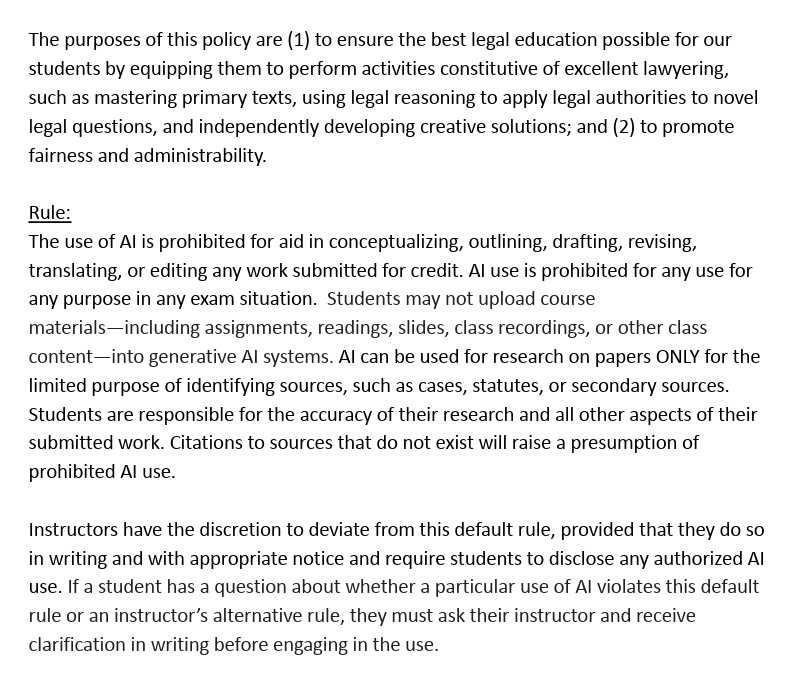
🖥️ The new Artificial Intelligence policy at UC Berkeley School of Law, effective Summer 2026.
📝 Here is the main rule:
"The use of AI is prohibited for aid in conceptualizing, outlining, drafting, revising, translating, or editing any work submitted for credit. AI use is prohibited for any use for any purpose in any exam situation. Students may not upload course materials—including assignments, readings, slides, class recordings, or other class content—into generative AI systems. AI can be used for research on papers ONLY for the limited purpose of identifying sources, such as cases, statutes, or secondary sources."
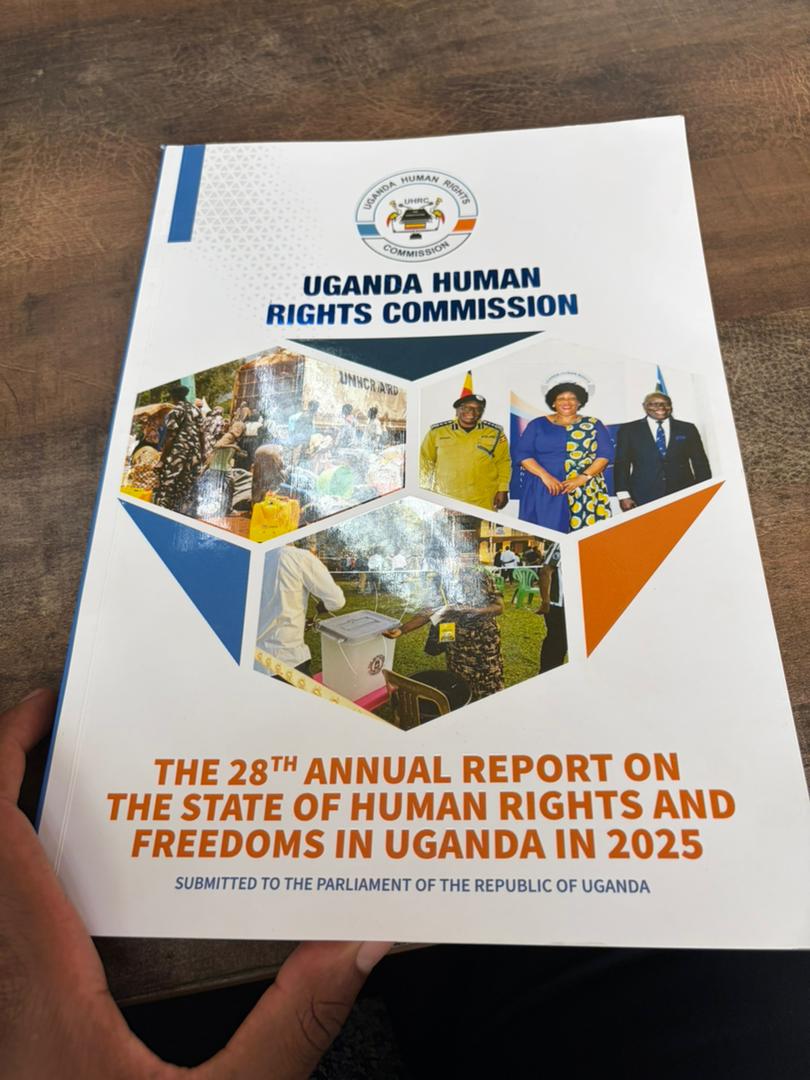
The @UHRC_UGANDA published its 28th Annual Report last week, and I was among the people that were consulted in the preparation of chapter 4 on Artificial Intelligence and its human rights implications in Uganda. The Commission approached the subject with the kind of institutional seriousness it deserves, situating AI not as a distant technological prospect but as a present concern with direct bearing on rights that Ugandans can invoke today.
What the chapter captures is a gap that the legal profession here has been slow to name publicly. AI is not entering Uganda into a vacuum but it is rather entering a context shaped by uneven data protection enforcement, institutions still developing digital regulatory capacity, and communities whose rights have historically been negotiated around, not with them. The Personal Data Protection Act 2022 provides a foundation, but a foundation is not a functioning framework.
The Commission has used its statutory mandate to place AI firmly on the human rights agenda, with evidence, structure, and constitutional grounding behind that position. A statutory body has said, clearly, that accountability in the digital environment is not optional and that the law must be ready to respond before harm becomes irreversible.
That position has implications for every practitioner working in technology, trade, media, health, and public administration in this country. The UHRC has used its statutory mandate to put AI on the human rights agenda with evidence and structure behind it. The profession now has an obligation to engage that work seriously, build on it, and carry it into the advisory and litigation spaces where it will ultimately matter.
The Dying Art of Keeping a Practice Note
A significant number of the dispute resolution lawyers I admire keep a robust Practice Note in which they record excerpts from important judicial authorities they encounter in the course of their careers. Some of them take their Practice Notes to the courtroom, while others consult them only when researching.
I started keeping a Practice Note in 2010, and I have found it highly beneficial over the years. It makes the judgments I have read over the years stick with me, and I can always go back to them to refresh my memory. I started with physical notes and have about 4 volumes, but I now write my notes in longhand on my iPad because it is much easier and more accessible.
I usually get ideas for the cases I am working on whenever I go through my Practice Notes, and I strongly believe that every dispute resolution lawyer should keep a Practice Note. I once had a senior colleague at one of the firms where I worked who had a digital Practice Note, and I was not surprised when they got elevated to the bench. Most lawyers who have appeared before the Judge attest to their brilliance, and that brilliance does not surprise me. It is the kind of depth that comes from the discipline of keeping a Practice Note over many years.
Unfortunately, many young lawyers these days don’t keep a Practice Note because they do not want to go through the rigours of maintaining one. While technology has made it easier for lawyers to access judicial authorities from anywhere, there is always a significant difference between lawyers who regularly read judicial authorities and keep Practice Notes and those who only use technology to access authorities when working on cases. Reading and taking notes usually make what you have read become a part of you, while relying on technology alone for quick access will not give you the depth required to excel as a dispute resolution lawyer.
Many authors and philosophers have written about the importance of keeping notes in any field. In his book Wisdom Takes Work, Ryan Holiday explains the importance of keeping notes as follows:
“It’s not enough to read. One should engage in a practice of capturing information and recording it so it can be drawn on later.”
If you are a young lawyer and you don’t keep a Practice Note, take this as your prompt to start one. Trust me, you will never regret the time you invest in maintaining a Practice Note.
Alumni in Spaces🎉🎊
We congratulate our alumnus @MatandaAbubaker Hassan upon being elected as the Deputy Publicity Secretary/Deputy Editor of the Uganda Judicial Officers' Association.
Hassan pursued a Master of Laws in Oil and Gas at @UCUniversity . He serves as the Magistrate attached to the Court of Appeal @JudiciaryUG
He believes that leading through service and example is not the best way of leadership, but the only way.
Congratulations, Bwana!
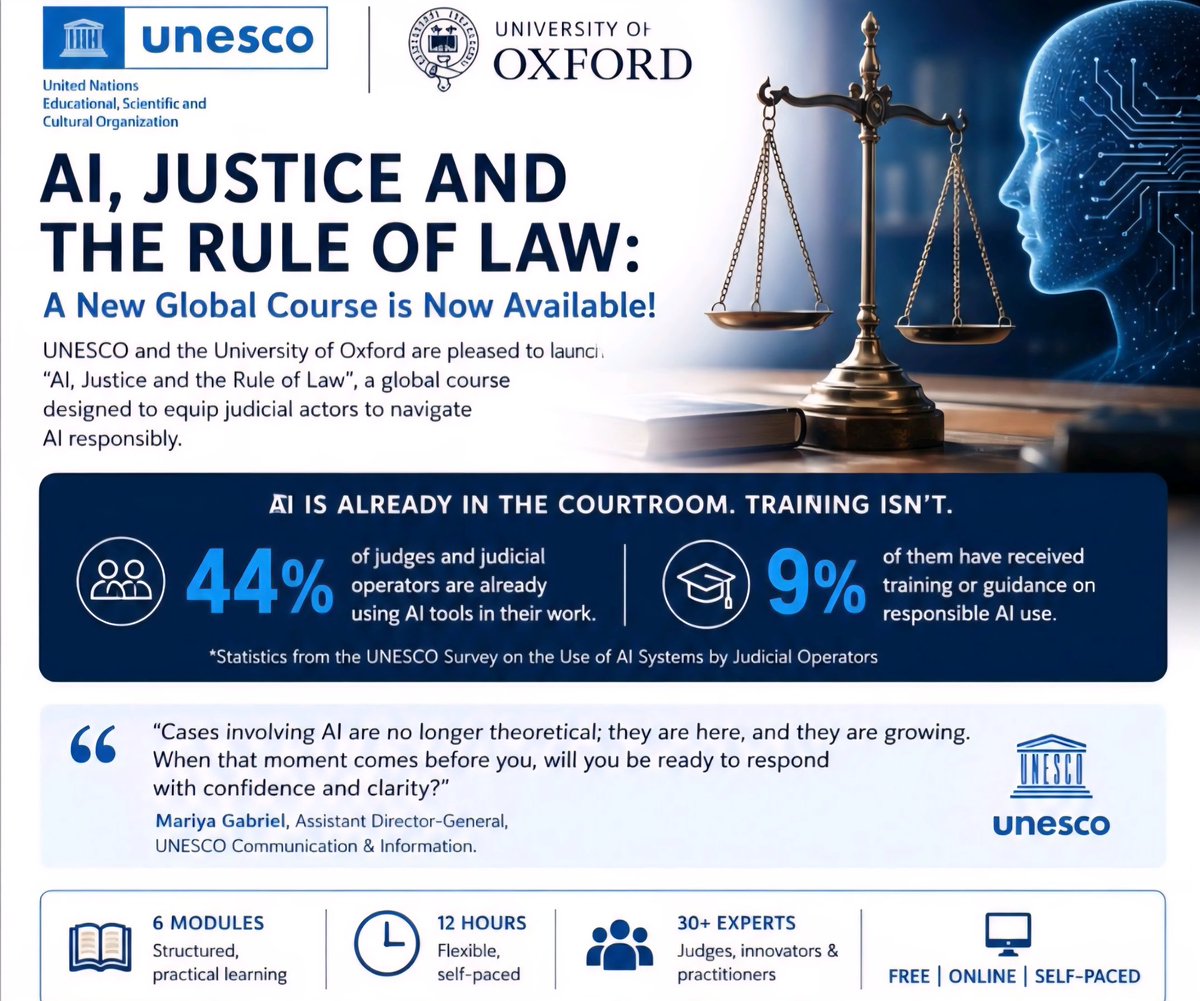
Are you a lawyer, or someone interested in AI regulation? @UNESCO, in collaboration with the @UniofOxford, has just launched a global course.
Register here: https://t.co/jHiMYZfda7
AI, Justice and the Rule of Law.
It is designed to equip judges, lawyers, policymakers, academia, and others with the requisite knowledge to navigate AI responsibly.
It goes further to talk about how AI affects access to justice and the Rule of Law.
It has 6 modules taught by 30+ global AI experts, with both graded and non-graded assessments. And of course, a reflective portfolio to work on.
At the end, if you pass at least 50%, you will be qualified for a globally recognized certificate.
Repost, bookmark and share to someone 👏
⚖️
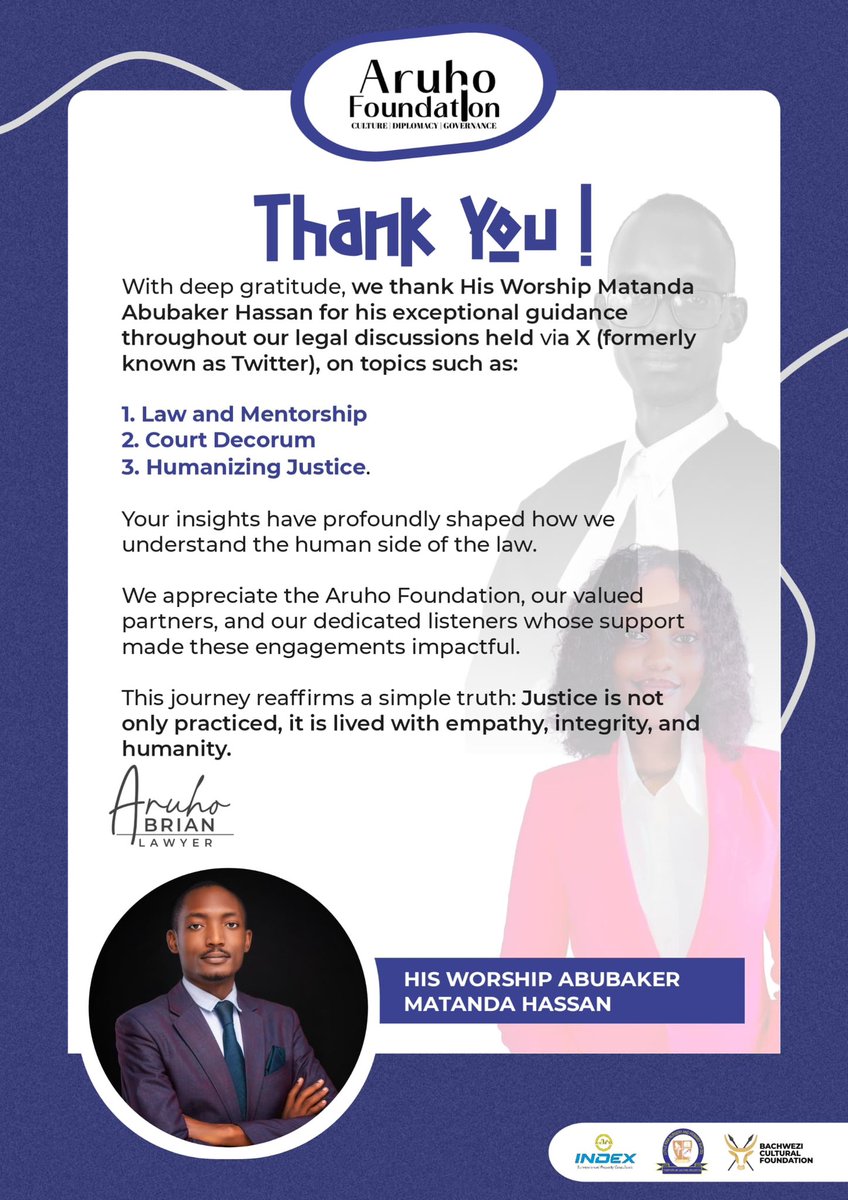
With deep gratitude, we thank His Worship Matanda Abubaker Hassan for his exceptional guidance throughout our legal discussion series; from Mentorship and Professional Responsibility to Court Decorum and the vital conversation on Mental Health in Justice.
Forever Humbled!
⚖️
On Sunday, 26th April, 2026 -
We successfully hosted our last session with HW. Matanda Abubaker Hassan under a topic - Humanizing Justice; with a specific insight into The Silent Burden - Mental Health at the Bar, on the Bench, the witness box and in the Dock.
GRATEFUL.
⚖️Legal Sunday with HW. Matanda Abubaker Hassan.
Fellow Citizens, comrades in the legal discipline, as well as, lovers of social justice - We managed to successfully host His Worship!
Attached is a link to the whole discussion - https://t.co/YgLcXh6fKm
Kindly listen in.
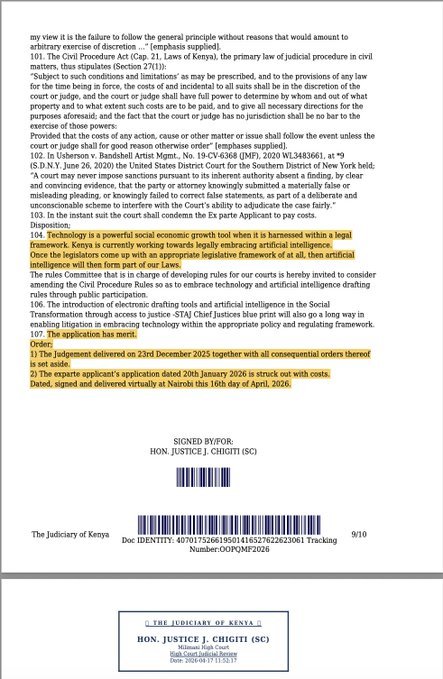
While the Court’s concern for fairness and compliance with the Civil Procedure Rules is understandable, outright rejection of AI is a step backwards for justice in Kenya.
AI if used correctly can prove to be a powerful ally.
The Judiciary has already embraced Hakimu AI for judicial research. The next logical step is clear: develop clear guidelines for responsible AI use in pleadings with mandatory disclosure, human verification, and strict accountability. Not prohibition.
BREAKING: Attorney General has conceded and consented to the part of my petition where I challenge Section 42(4) -(6) of the Magistrates Courts Act that obligates a magistrate to investigate a complaint on oath, then proceed to draft charge sheet and same time hear the . . .
1.