@APotossakis@Math_files Well, I appreciate the fact that you don’t understand physics because you weren’t lucky enough to be born in an environment that would have allowed you to study, but I still don’t know why it allows you to qualify excellent physics of “trash”.
@Math_files On the left is Niels Bohr, one of the pioneers of quantum mechanics. On the right, Albert Einstein, Nobel prize for a quantum mechanics effect.
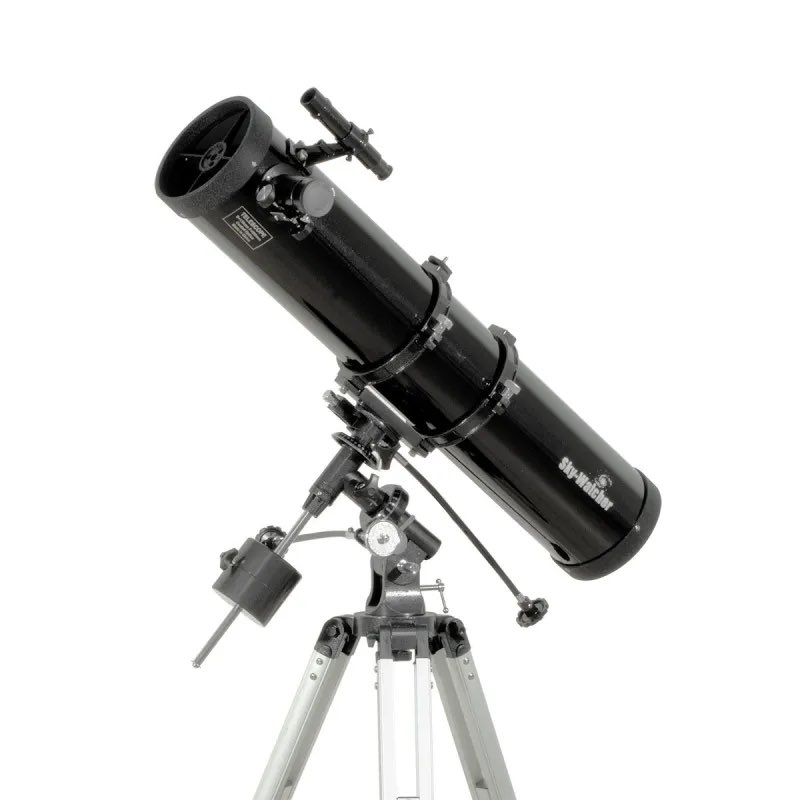
🎁OPTIQUE UNTERLINDEN VOUS RÉGALE ! Juste avant la nuit des étoiles (1,2,3 août), le 1er des deux télescopes à gagner est la ! Un Sky-Watcher 130/900 sur EQ2, motorisée s'il vous plait !
Partager et liker ✅
Etre abonné ✅
TAS dans 48h 📨
La boutique : https://t.co/pYFVmxZuFD
🎁 Je peux vous faire gagner non pas un mais DEUX télescopes cet été.
Dont un avant août pour la nuit des étoiles !
La condition ? 2000 RT/Likes sur ce tweet. À vous de jouer !! ✨
Activez les notifs !!!! 🔔
@iScienceLuvr Interesting that this has finally be solved! One thing that doesn’t add up in what you say, though: integrals can be incredibly hard to solve (and, actually, in general impossible), but checking if an answer is correct is trivial. He didn’t need to post it.
@martian0555@skdh Not sure this is possible. When two are entangled, you can’t do anything specifically to “one of them” and not the other. Furthermore, I’m not sure you can do that without any collapsing of the first system.
@Buldo_TFT @AnecdotesMaths Une autre manière de le dire est que c’est aléatoire justement parce que la pièce n’a strictement aucune mémoire de ce qu’il s’est passé avant. Lorsque tu la prends pour démarrer le pile ou face, elle est exactement dans le même état physique, quoi que tu en aies fait avant.