Check out our latest work where we built a single cell perturbation atlas of niche cues in inflamed human intestinal organoids. We hope this resource will be of value in generating therapeutic hypotheses to guide diseased epithelium back to homeostasis. https://t.co/Rb7IP2o7un
We have an open #postdoc position in our lab @genentech - If you're interested leading projects at the intersection of experimental and computational #singlecell omics applied to perturbations, please apply or reach out directly! https://t.co/czJh5BRJa5
Another awesome piece of work out by @andcyang! Evidence suggesting critical roles the brain vasculature may have in AD through the lens of scRNA-seq. Happy to have been part of such an important resource!
Imagine we developed a drug to repair synapses and neurons and learned that the supply routes keeping neurons alive are broken in AD brains - it’s a possibility. Check out @andcyang ’s human brain vascular atlas https://t.co/4Dw4m9x8EO and the related study from Heiman/Kellis
@Joanna_Y_Lee Happy birthday Joanna! You are such an amazing and inspiring individual - Im so happy to have the opportunity to work with you and I look forward to knowing you better both as a friend and scientist! :)
Interested in working at the intersection of single-cell genomics, human stem-cell derived models and drug discovery? Looking for creative & talented phd/postdoc level scientists to join my group at the dept of Cellular & Tissue Genomics @genentech! https://t.co/JwxE7fBaLK
Just published @nature
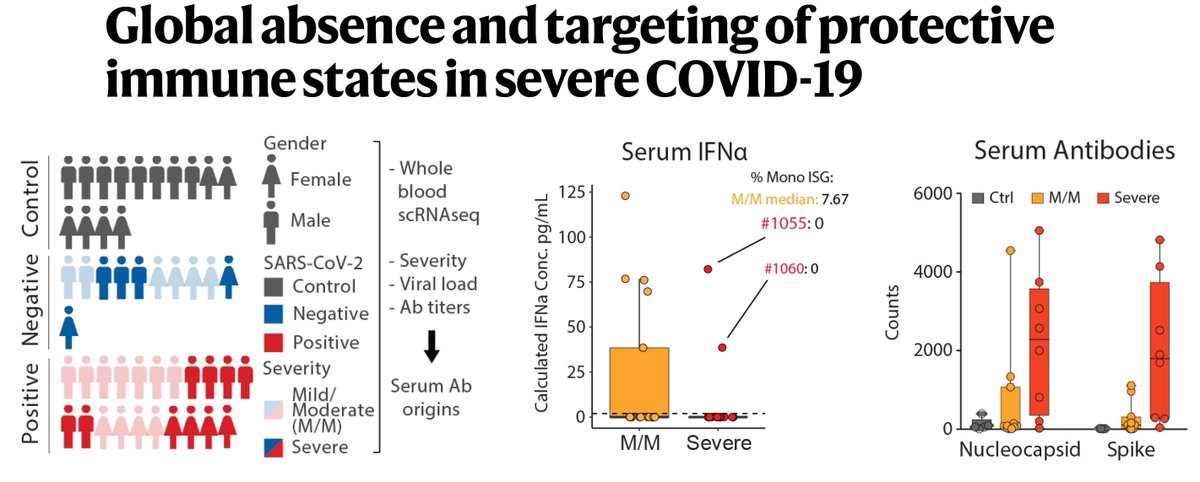
Understanding why some people develop severe covid while others have mild disease with extensive single-cell RNA-seq of immune cell response
https://t.co/HQqi0qDDrD
Mild: good interferon (IFN) response
Severe: block IFN, "overzealous" antibody response
All systems are go for tonight’s launch at 7:27 p.m. EST of Crew Dragon’s first operational mission with four astronauts on board. Teams are keeping an eye on weather conditions for liftoff, which are currently 50% favorable → https://t.co/bJFjLCzWdK
Excited to share our latest work with the Sudhof Lab! Using scRNA-seq, we discover enduring gene expression programs in neurons and glial cells of the mouse prefrontal cortex that may help us understand how long-term memories (>1 month old) are stored. https://t.co/uVOI7985p6
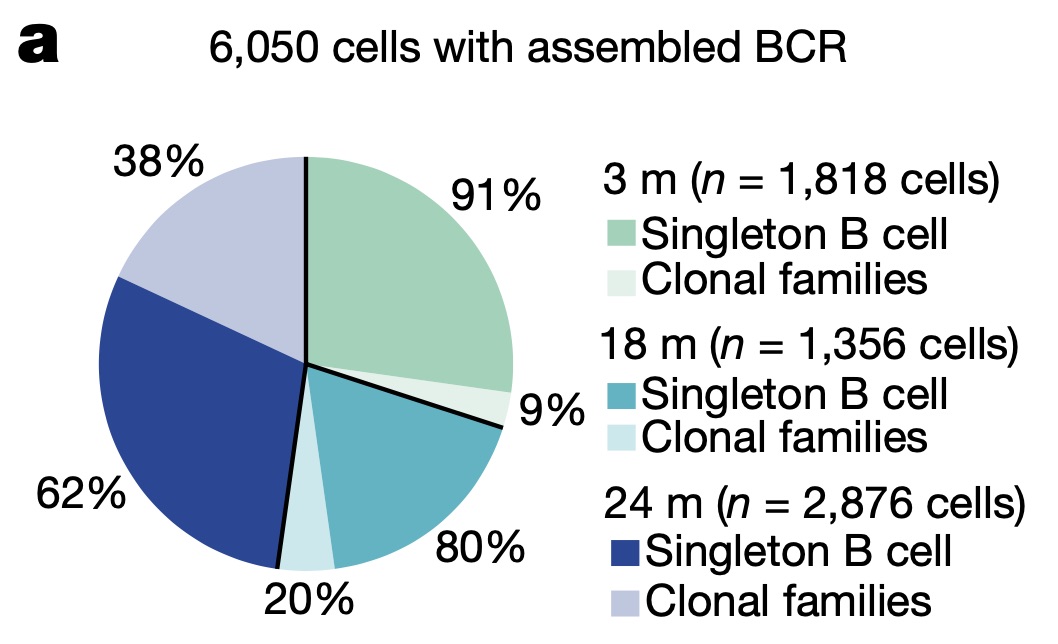
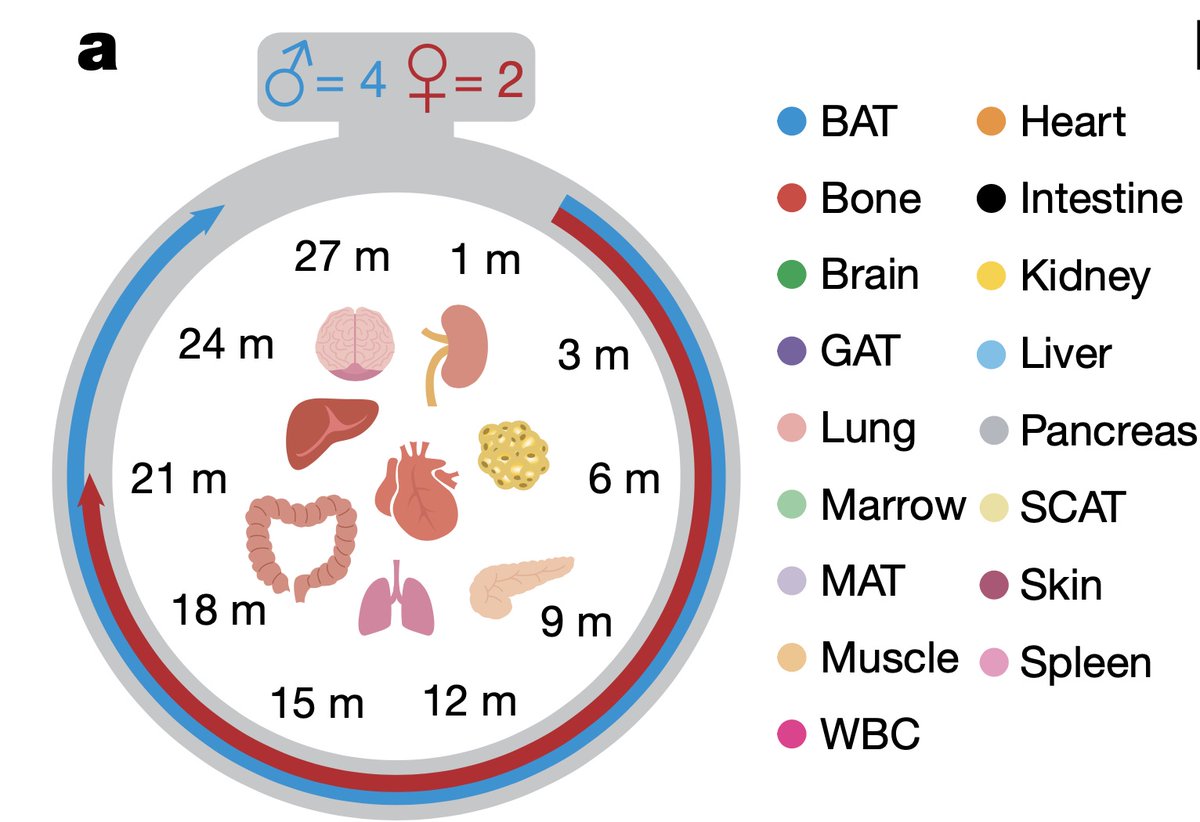
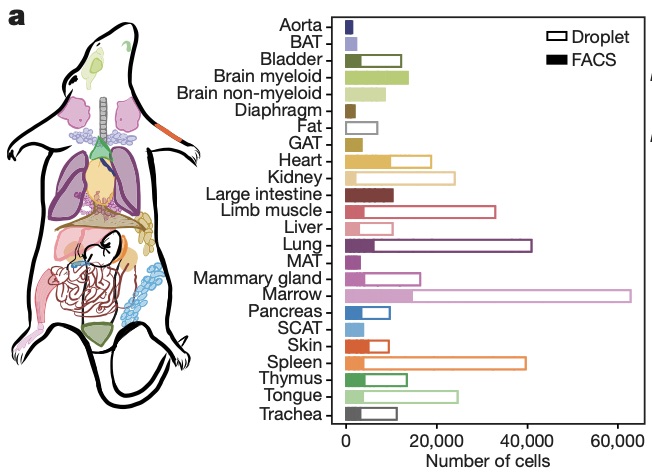
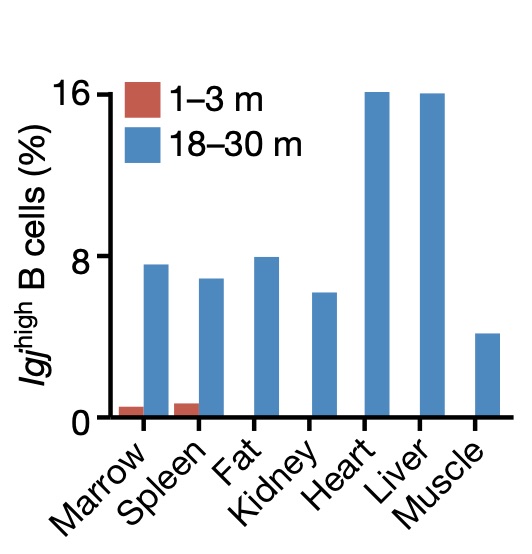
It is getting progressively important to understand disease in the context of aging, and this fantastic single-cell aging atlas, the first of its kind, paves the way for that!
Biologic & disease processes need to be viewed from an age perspective. How does your favorite gene change with age? check out Tabula Muris Senis and this App combining sc and bulkRNAseq across 10 ages https://t.co/CCljE3npfS in https://t.co/NMjKBrmpjG and https://t.co/DipHgHYE1L
Very exciting work by Andrew Yang from the @wysscoray lab, showing that plasma proteins can permeate the BBB via transcriptionally- dependent transport programs, and that these mechanisms are impaired with age. Honored to have been a part of this fantastic study!
Very excited to share work of Andrew Yang, supported by a fantastic team and productive collaborations with @mjameslab and @CarolynBertozzi: https://t.co/rvRsuG2uHK
Brain blood vessels soak up blood proteins defying barrier stigma. Thanks for a wonderful review by Rich Daneman!!
Happy to see my first postdoc publication finally in print! In collab with the Wyss-Coray lab, we used single-cell RNA sequencing to investigate age-related changes in brain endothelial cells how they may be caused by old (or reversed by young!) blood proteomes.
Excited that this is in print now! congratulations again to shared authors Michelle Chen, Andrew Yang, and @HanadieYousef!
Brain Endothelial Cells Are Exquisite Sensors of Age-Related Circulatory Cues https://t.co/h5Plyjhkvq
Granted, we can survive with one kidney or half a liver, but the fact that adults who had a hemispherectomy as a child can have fairly normal cognition, astounds me. (and seems to confirm my suspicion that one of my hemispheres is slacking off).
https://t.co/AsmuPUusIE