Dedicated to science & management of cancer. Proud alumni of @RockefellerUniv & @ETH. Focus on Medical & #ThoracicOncology. Views = my own. RTs/Ls ≠ endorsement
At our Year in Review roundtable, @MartinReck2 and @charlesrudin discussed whether consolidation therapy with DLL3 bispecific T-cell engagers could extend into limited stage NSCLC, alongside a potential role in the perioperative management of very early SCLC.
Both emphasized that such small patient populations still deserve careful study when the goal is improving long term cure rates.
Could these indications soon be ready to revisit?
Watch the full discussion with @peters_solange ⬇️
https://t.co/FgvH9EalYu
Should we trust an old PD-L1 staining when treating a recurrent non-small cell lung cancer?
In our interview with @MdCurioni, she shares insights from the Fribourg registry of over 800 cases: roughly 30% of patients are PD-L1 negative, and expression may change between baseline and recurrence. Retesting at relapse is what real world data continue to argue for.
Watch the full interview on demand to more about her registry data ➡️ https://t.co/Xz3CoftqJq
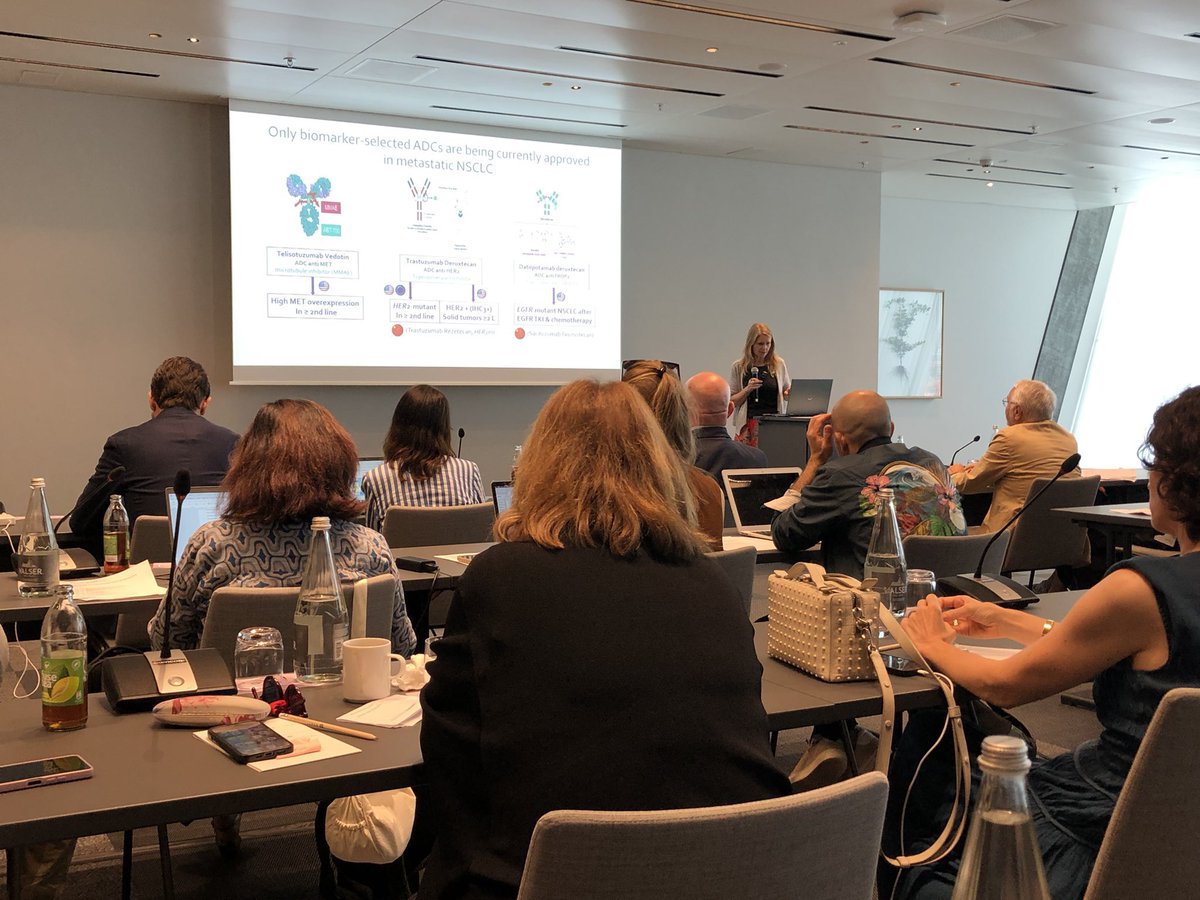
A must-attend event (@etop_ibcsg#ADC Workshop, Zurich) to discuss the world of ADCs and share therapeutic advances across different cancers and specialties... superb lung session this afternoon with @peters_solange and @g_mountzios great presentations and discussions !!
Αn outstanding brainstorming workshop on ADCs accross tumor disciplines organised by @etop_ibcsg here in Zurich
Delighted to present the current therapeutic landscape in #NSCLC alongside with amazing host @peters_solange and lung faculty @dplanchard@delvysra Antonio Passaro @MP_3855
A rapidly evolving field with many new data to come!
#some #LCSM
Could antibody-drug conjugates redefine second line therapy in small cell lung cancer?
At ILCS 2025, @NReguart reviewed B7-H3 directed ADCs reaching response rates of 41-64% in early phase trials, well above second line chemotherapy and tarlatamab. Phase III trials against topotecan are ongoing, with extensions into first line and limited stage.
Watch the full discussion to learn more about ADCs in both SCLC and NSCLC ⬇️
https://t.co/79wWEjZ4wZ
How should we structure future discussions to better address shifting paradigms in thoracic oncology?
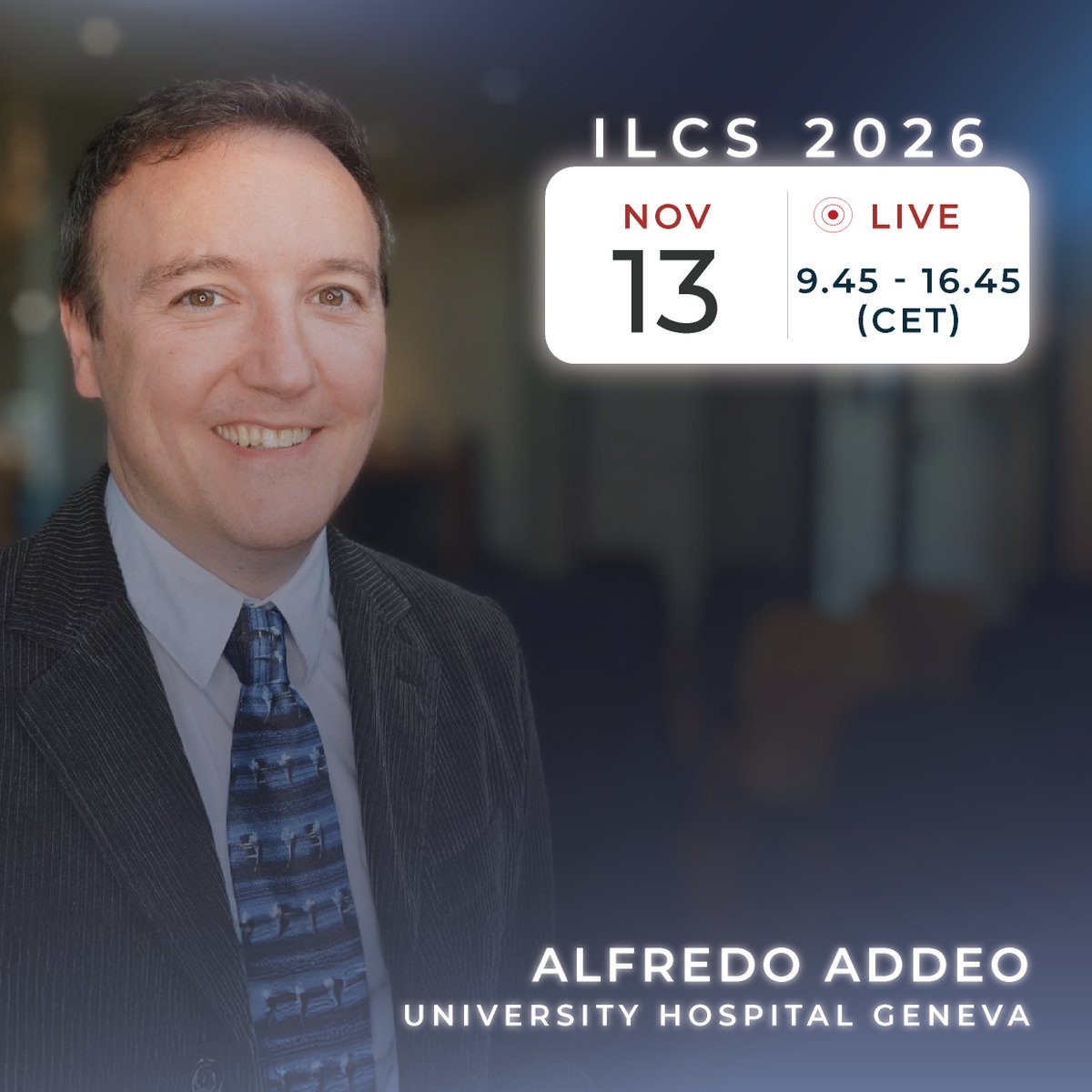
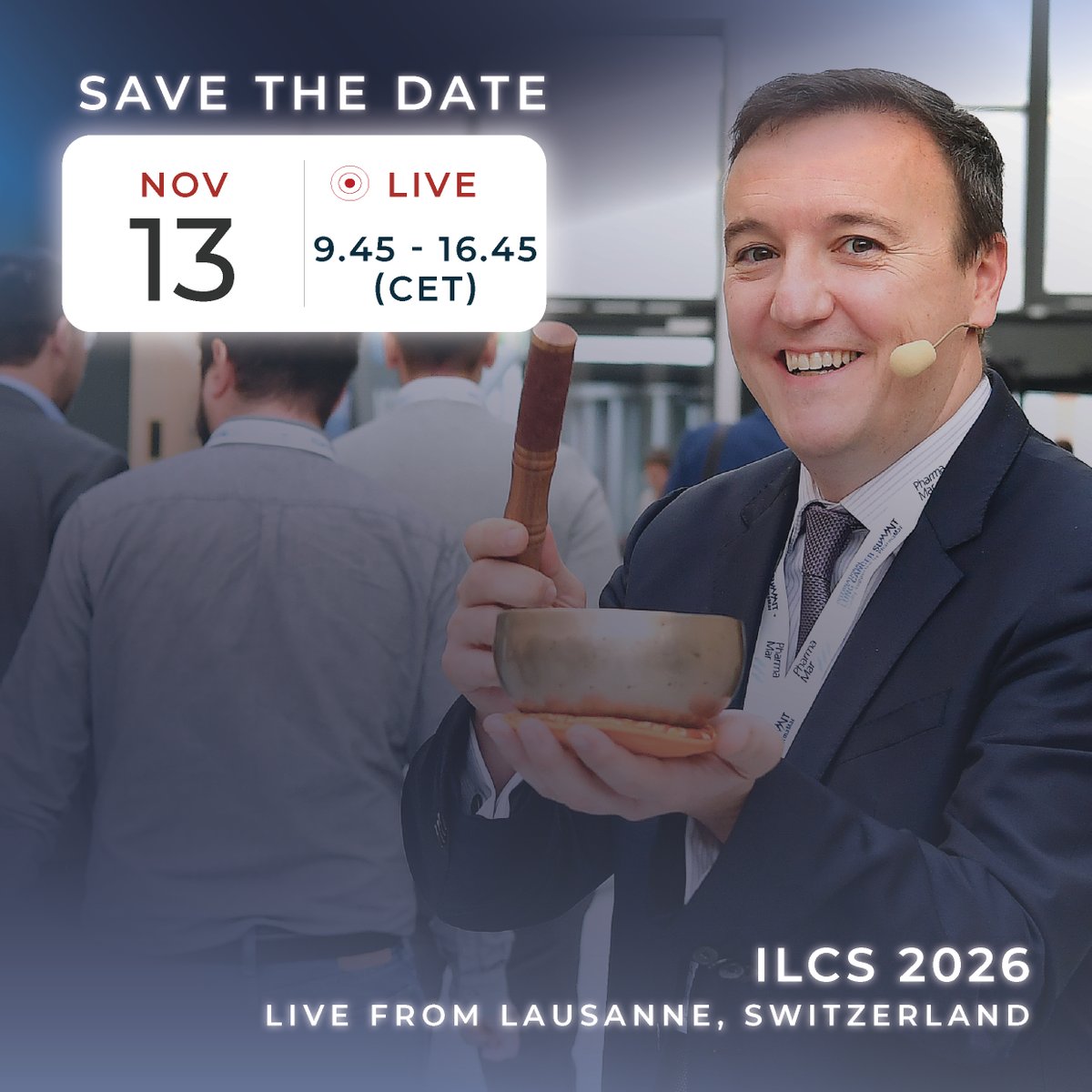
For the 8th consecutive year, @peters_solange and @Alfdoc2 will co-chair the ILCS 2026. Bringing decades of clinical expertise from @OncoUNILCHUV & @hug_ge, they will guide the discussion on the most critical clinical developments and treatment algorithms in NSCLC and SCLC.
Join them live on 13ᵗʰ November and get registered ⬇️
https://t.co/ghJ4KnST0T
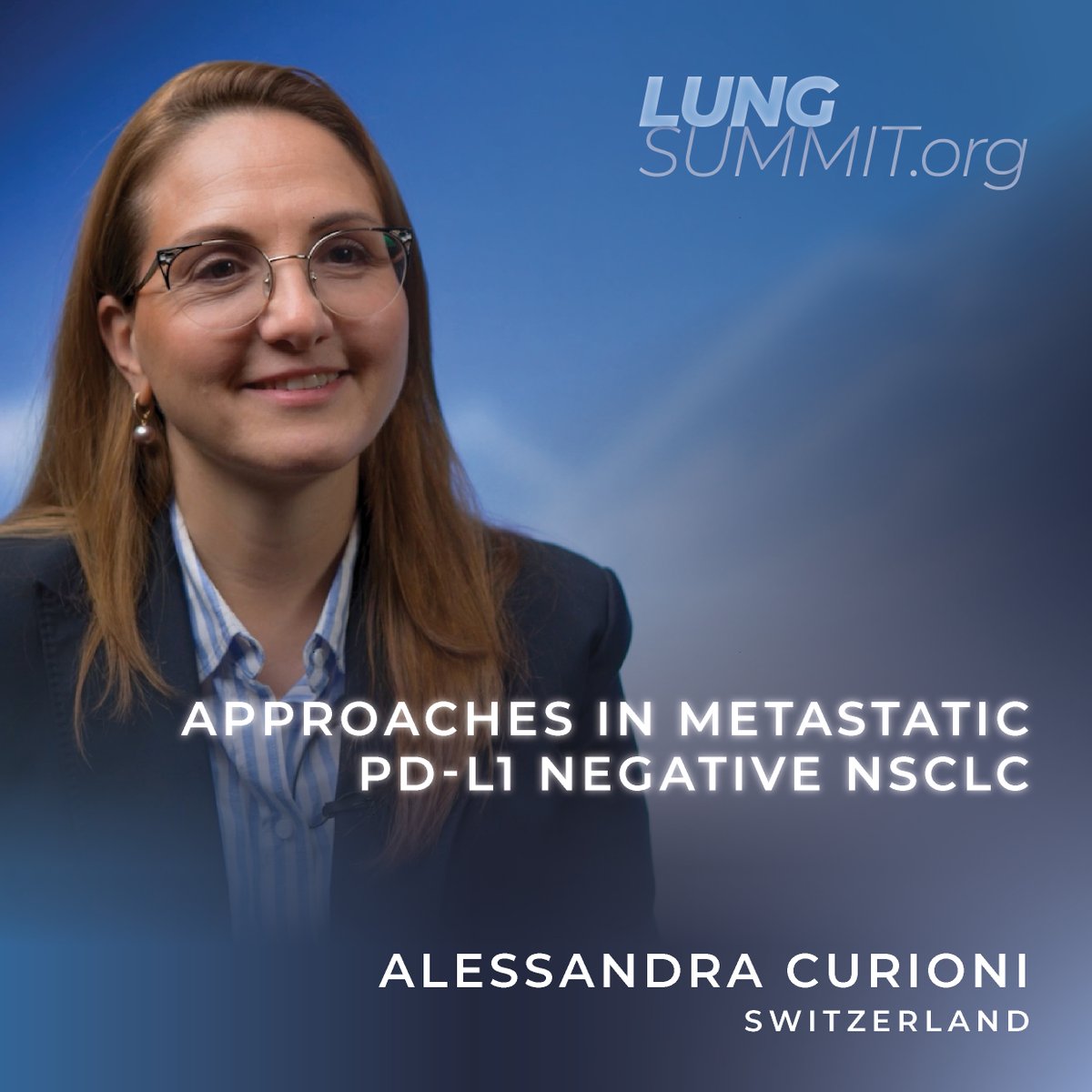
How should we approach metastatic PD-L1 negative non-small cell lung cancer in 2026?
In her latest video interview, @MdCurioni from Switzerland shares her real world approach: reflex testing, retesting at recurrence, IO choices, and the gaps that remain in second line, anchored by registry data of more than 800 cases alongside guidelines.
Watch the full interview on demand to refine your strategy in PD-L1 negative disease ➡️ https://t.co/Xz3CofsSTS
The #WNTD 2026 theme, “Unmasking the appeal: Countering nicotine and tobacco addictions” highlights the industry strategies used to bypass established regulations.
Policy makers and healthcare workers must look beyond traditional tobacco to address how new products drive dependence, ensuring our advocacy focuses on systemic accountability rather than patient stigma.
Registration for International Lung Cancer Summit 2026 is now open.
Join co-chairs @peters_solange and @Alfdoc2 on the ILCS to discuss how the latest trial data impacts everyday clinical decisions. This is your opportunity to connect with colleagues and debate real-world treatment strategies for advanced NSCLC and SCLC.
🗓️ Friday, November 13ᵗʰ, 2026
📍 Lausanne, Switzerland & Live Online
Secure your spot here ⬇️
https://t.co/ghJ4KnSlbl
What does it take for DLL3 expression to become a predictive biomarker for T-cell engagers in small cell lung cancer?
At our Year in Review roundtable, @peters_solange and @charlesrudin discussed the limits of current data: expression is required for binding, but the level does not predict efficacy.
~15% of SCLC tumors show very low levels of DLL3 and are often associated with the transcription factor POU2F3. Perhaps such biomarkers may help in future decision making.
Watch the full discussion ⬇️
https://t.co/FgvH9EaTO2
Can targeted rechallenge restore response to immunotherapy in heavily pre-treated lung cancer?
At ILCS 2025, @MdCurioni shared two strategies. SAKK 17/18 combined PD-(L)1 inhibition with a steroid free gemcitabine, reaching ORR 31% and DCR 53%.
RECLAIM added radiotherapy at up to four sites to dual checkpoint blockade after anti-PD-1 failure, with ORR 29%.
Watch the full discussion to learn more about strategies in 2L and beyond ⬇️
https://t.co/9cBkZByD7z
Is a triplet of chemotherapy, immunotherapy, and KRAS inhibitors an overtreatment or the future for KRAS mutated NSCLC?
@MartinReck2 addressed this question from @g_mountzios end of 2025 during our roundtable session. We may see further data this year or next on how to approach patients with resistance co-mutations such as STK11 or KEAP1, and whether further intensification will be required or chemo-free options will be suitable.
Watch the discussion with @peters_solange and @charlesrudin ⬇️
https://t.co/Xz3CofsSTS
How will the therapeutic landscape of thoracic oncology shift by the end of 2026?
Join our chairs @peters_solange & @Alfdoc2 for the International Lung Cancer Summit 2026. Whether onsite in Lausanne or live online, we’ll synthesize a year of clinical breakthroughs to define the next standards in care.
🗓️ Friday, Nov 13th, 2026
📍 Lausanne, Switzerland & Live Online
🚀 Registration opens 1st June
Save the date and mark your calendars! ⬇️
https://t.co/ghJ4KnSlbl
Is re-biopsy necessary when managing oligoprogression in EGFR-mutant NSCLC?
During our Year in Review roundtable, @MartinReck2 and @peters_solange asked about the definition of oligoprogression itself. While re-biopsy helps track molecular evolution, @MartinReck2 noted that local radiotherapy without re-biopsy and testing is often appropriate in this setting.
Watch the full discussion with @charlesrudin ⬇️
https://t.co/Xz3CofsSTS
How should we distinguish ADCs versus TKIs when targeting HER2-mutant NSCLC?
At ILCS 2025, @stephanieplsaw explained that while TKIs bind the intracellular domain to block phosphorylation, ADCs target the extracellular domain to trigger endocytosis and direct "cancer kill".
With ~90% of mutations occurring in exon 20, understanding these distinct pathways might be critical for sequencing approaches with these compounds.
Watch here ⬇️
https://t.co/qBfsppMWQK
Is there room for neoadjuvant intensification strategies using ADCs in early-stage NSCLC?
At ILCS 2025, @NReguart discussed the NEOCOAST-2 platform led by Tina Cascone, highlighting Arm 4 (durvalumab + Dato-DXd + platinum). This combination achieved a pCR of 35% and an MPR of 66%, showing promising activity even in PD-L1 negative patients (~31% pCR). However, we will have to carefully balance these high response rates and ctDNA clearance against potential toxicity.
Watch her full talk ⬇️
https://t.co/79wWEjZ4wZ
Molecular response is emerging as a key determinant in unresectable stage III NSCLC.
At ILCS 2025, @AndrearicFili presented exploratory data from KN-799 showing that patients achieving ctDNA clearance by cycle 7 during IO maintenance rarely progress, while ctDNA-positive cases face poorer outcomes. Trials like ADAPT-C now aim to tailor consolidation based on MRD status.
Watch the talk ⬇️
https://t.co/9cBkZByD7z
Is the concept of oligo-residual radiation in EGFR+ advanced NSCLC moving from anecdote to evidence?
At our Year in Review, @MartinReck2 and @peters_solange unpacked the NORTHSTAR trial and highlighted an important nuance: it was designed to delay progression, not to cure.
What stood out just as much was their take on real-world practice. Survey data from European investigators suggests about half are already treating oligo-residual disease today.
Watch the full discussion with @charlesrudin here ⬇️
https://t.co/9cBkZBy5i1
Are we finally ready to move beyond G12C and tackle G12D or even pan-RAS strategies in KRAS+ NSCLC?
At our Year in Review roundtable, @MartinReck2 pointed to how quickly the field is moving, already pushing past second generation G12C inhibitors. Together with @peters_solange and @charlesrudin, he emphasized that KRAS is still a complex space, and the current challenge now is figuring out the right combinations for G12C.
Watch the full talk here ⬇️
https://t.co/Xz3CofsSTS
Is the future of KRAS G12C management moving toward a new standard of care in the frontline?
During our Year in Review roundtable, @MartinReck2 discussed the shift from first-generation G12C inhibitors to a "universe" of next-generation compounds. While early agents showed moderate efficacy, their liver toxicity profile often precluded IO combinations.
@MartinReck2 highlighted divarasib, which demonstrated a 56% ORR and 13.8 to 15.3 months PFS in the GO42144 study with a more favorable safety profile. We now look toward the head-to-head Krascendo 1 trial and emerging frontline combinations with chemo-IO to redefine this space.
Watch the full discussion with @peters_solange and @charlesrudin ⬇️
https://t.co/qBfsppNuGi