New data arrive quickly, and deciding what they mean for one patient is the hard part. That is why the International Lung Cancer Summit (ILCS) 2026 ended on a panel of patient cases from the audience.
Alfredo Addeo (@Alfdoc2), of Geneva University Hospitals, chaired with Solange Peters (@peters_solange). The panel is now on demand.
Watch the panel: https://t.co/9DxdeZGgVr
#ILCS2026 #LungCancer #NSCLC #SCLC
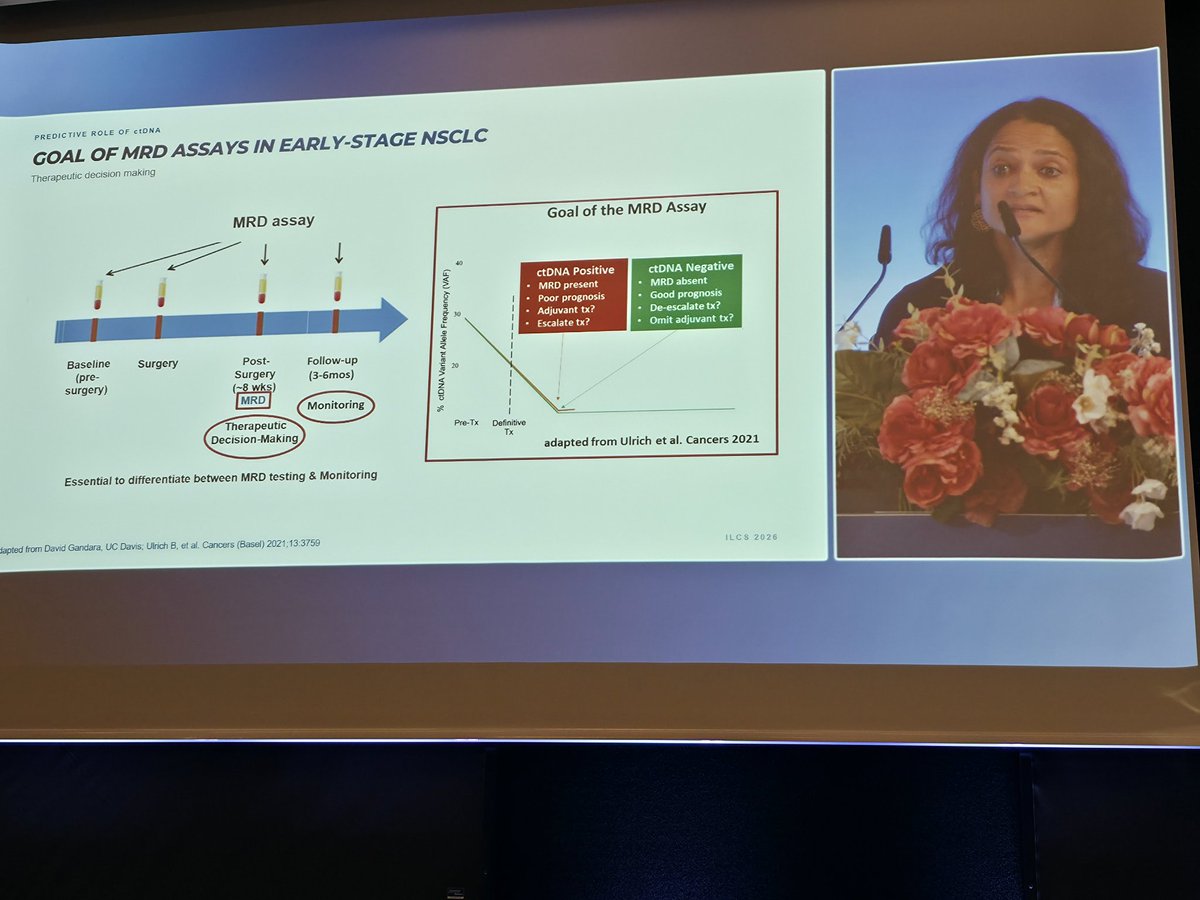
KRAS G12C inhibitors work after first-line treatment, but resistance limits how deep and how durable the responses are.
At ILCS 2026, Christine Lovly (@christine_lovly) looked past the first G12C drugs to newer G12C compounds, RAS(ON) inhibitors, and drugs aimed at G12D or at every RAS form. The first-line role is for the phase 3 trials now running to settle.
The full talk is on demand for Lung Summit members:
https://t.co/M3kU4UPooj
#ILCS2026 #LungCancer #NSCLC https://t.co/PDWCgob5N4
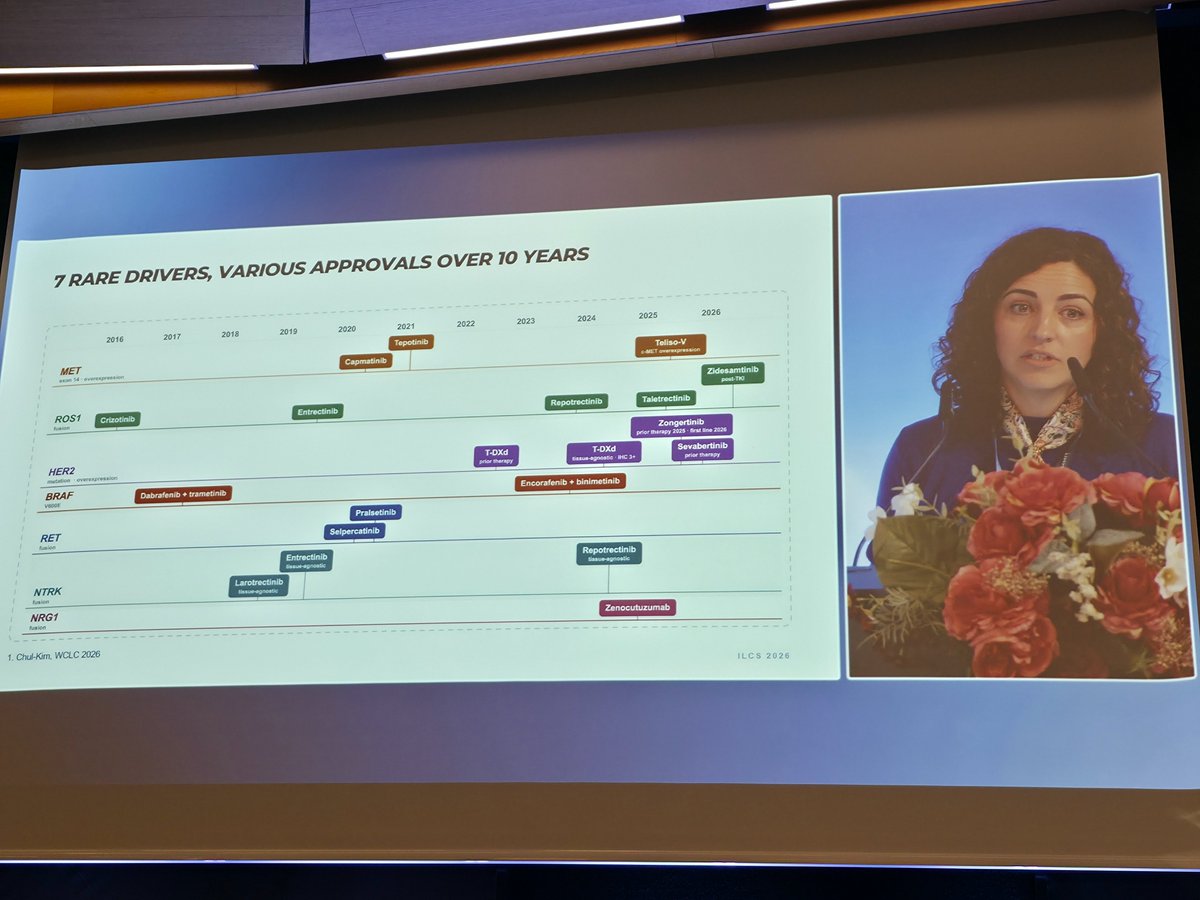
Rare drivers in NSCLC are uncommon one at a time and common together. At ILCS 2026, Telma Sequeira (@TelmaSequeiraMD) began with broad NGS testing, then turned to the harder part: what to give first.
For ROS1, the next-generation TKIs differ in brain activity and resistance. For HER2-mutant disease, the choice is a TKI or an ADC. HER2 overexpression she treated as a separate disease.
Lung Summit members can watch the recording on demand:
https://t.co/SW4GM9wZ6w
#ILCS2026 #LungCancer #NSCLC https://t.co/G3rkeg95bm
@JordiRemon@LungSummit Tox should also play an important role! if I had a drug that delay progression with minimal side effects and no Os that would be different from a drug that does the same but comes with relevant side effects
Can MTAP deletion become an actionable Achilles’ heel in cancer?
Pleased to share our review in The Oncologist on the MTAP–PRMT5 synthetic lethal axis: MTA-cooperative inhibitors, early clinical signals, biomarkers and resistance. @gbanna74@OncJournal
🔗 https://t.co/h19z6sA3EN
kudos to the co-authors for their effort @Maxime_Borgeaud@mihaela_aldea dr Koessler and Dr Genoud @hug_ge@DOncologie
The Oncology Shot is a newsletter where I regularly share analyses, videos, and invite colleagues to discuss their work!
If you haven’t already, take a look and subscribe for free!
https://t.co/zBrqbzl6J1
Glad to be part of the OncoWisdom Webinar to talk about key trials @myESMO#ESMO26 with my peers and colleagues with a global audience!
I hope you’ll find some unique insights here!
Friday, 20th, 3:00 pm Swiss🇨🇭time (7:30 pm IST)
Register for free!👇
@ADesaiMD@SuyogCancer@RenoHemonc I see the statistical argument: OS was co-primary in HARMONi, secondary in other trials. But clinically, why approve toxic, cumbersome regimens on modest PFS gains without proven OS benefit, yet reject ivonescimab despite a clear PFS benefit and potentially easier delivery?
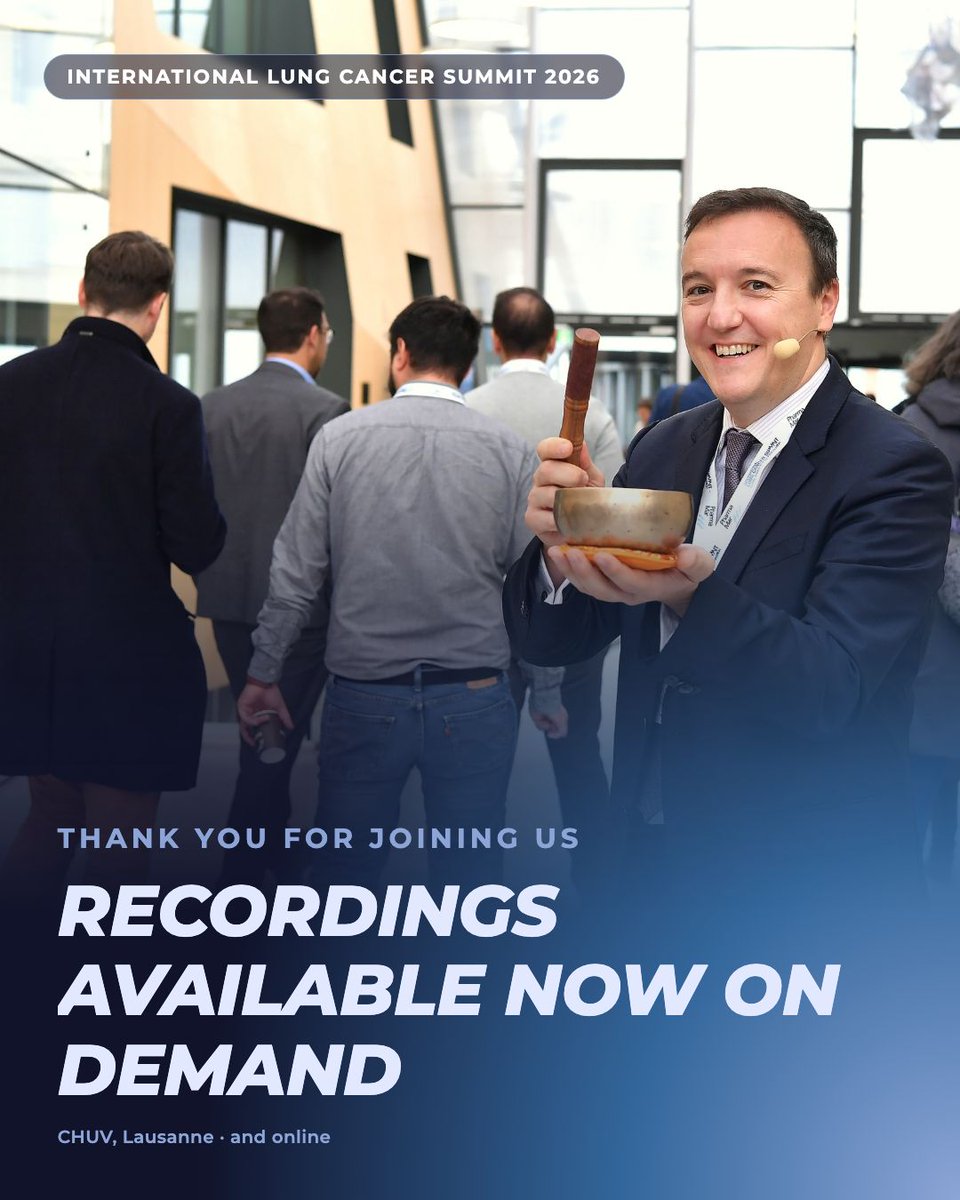
Missed a session of the International Lung Cancer Summit (ILCS) 2026 on 13 November, or want to watch one again? The recordings are now on demand for Lung Summit members on https://t.co/Xnu5nZWdvm.
Thank you to everyone who joined us in Lausanne or online. Solange Peters (@peters_solange) and Alfredo Addeo (@Alfdoc2) chaired, and we are grateful to them and to every speaker.
ILCS 2026 faculty: @DasMillie11@HHorinouchi@TelmaSequeiraMD@christine_lovly@dplanchard@PatelOncology@ACortelliniMD@g_mountzios@a_dingemans
You can still sign up to watch the recordings: https://t.co/ckjgERXFP4
#ILCS2026 #LungCancer #NSCLC #SCLC
Wonderful talk by @HHorinouchi, summarising trials in EGFR and ALK positive NSCLC in an elegant way.
Now available on demand at
https://t.co/wJdhAejT0s
🙌 #ESMOAI26: M. Crispin Ortuzar, R. Fehrmann and J. Kather welcome you to the ESMO AI & Digital Oncology Congress 2026. Join experts shaping the future of AI and digital health in oncology, and gain the tools and knowledge to navigate this evolving landscape.
🔗 https://t.co/4xVPeiexX1
#esmomeetings
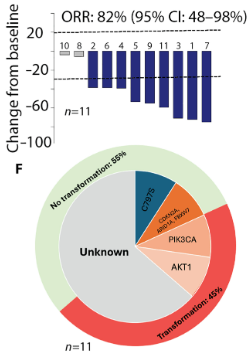
Can you prevent small cell transformation in high risk EGFR mutant NSCLC with osimertinib + platinum/etoposide? No. Prospective trial with high response rate, but also high rate of transformation.
By Helena Yu and MSK colleagues
published in @ScienceTM https://t.co/IY224XYCGh