@Timothyjgraham outlines 3 types of information disorder:
1. mis-information (no intention)
2. dis-information (intention to deceive)
3. mal-information (intention to cause harm or damage) #InfoOnline21
If, someday, museum collections are held by agreement with the communities the items are from, what happens when communities want their things back? The land rights parallel/precedent doesn’t necessarily instill confidence #InfoOnline21
Why AI? Because the core business of libraries, archives & museums is data. Lots of it. But should we encourage AI developers to use it? asks @lexistindall. Yes, but with a great deal of care - librarians have the relevant expertise to do this. #InfoOnline21#InspiredByInfo
Well meaning libraries want to do good, but do we actually ask First Nations people what they want? Or are we afraid of the answer? Self determination is everything. #InfoOnline21
Not enough to not be racist - you must take a position that is anti racist - #LibrariesNotNeutral - this means examining our collections with an anti racist eye - we censor all the time by our selection practices! @SaywhatNathan #infoonline21
New take on the humble library card: not just a passport to lending but also validation for individuals that they are part of the community @EricKlinenberg#InfoOnline21
@EricKlinenberg discussing how design of neighbourhoods can affect social interaction and influence human behaviour, especially in the face of challenges such as wild weather events and pandemics - rise of the ‘resilience centre’ - did someone say ‘library’?? #InfoOnline21
As someone who reads atlases and maps for enjoyment and likes infographics I can't wait to get a copy of @fogonwater book. Thank you for an incredibly moving keynote #slqMakingMeaning#CollectionsAsData
Uncovering the data in your collections can be done (think named entities to registers) but requires staff and resources. @slqld Rachel Merrick clear on our real constraints. #slqMakingMeaning
@RachelEMerrick talks about connecting data - registers/indexes/geospatial / photos & then making it more useable. 5 star standard for access then leads to increased use for all. #slqMakingMeaning#dataascollections
Listening to @KerryRaymond,- not enough contributors in Wikipedia so pragmatic & creative solutions using copyright. Top tip - cite facts! Her genius in using Machine learning is inspiring. #dataascollections#slqMakingMeaning
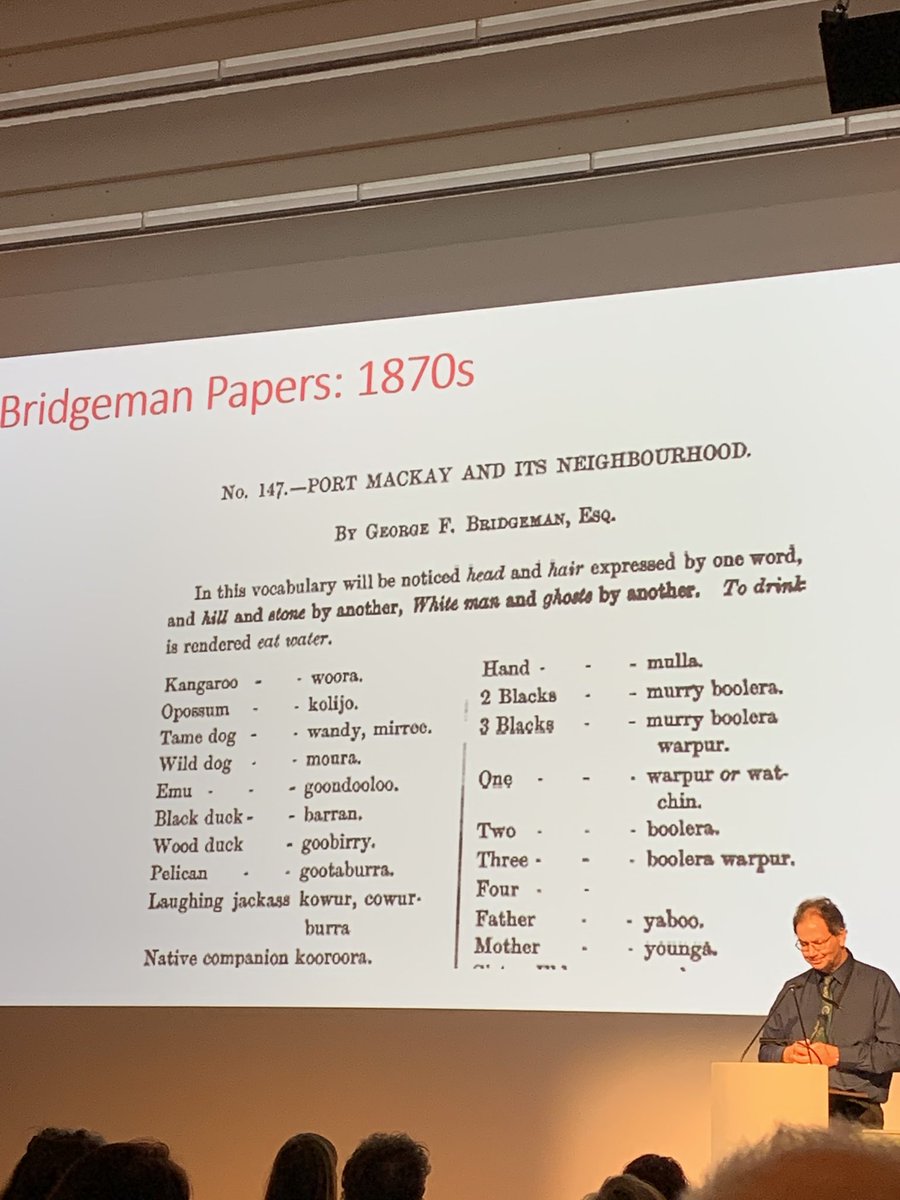
Des Crump, SLQ’s Indigenous language researcher discusses the exhibition Spoken, including Guugu Yimithirr language data collected during Cook’s 41 days on shore, 250 years ago. Rebuilding knowledge from archives https://t.co/WIutcBhMEv #slqMakingMeaning#CollectionsAsData
Duncan Loxton highlighting the need for an ethical framework and working with communities when considering #collectionsasdata particularly when the assumption is that the data will be openly accessible #slqmakingmeaning